 Vista
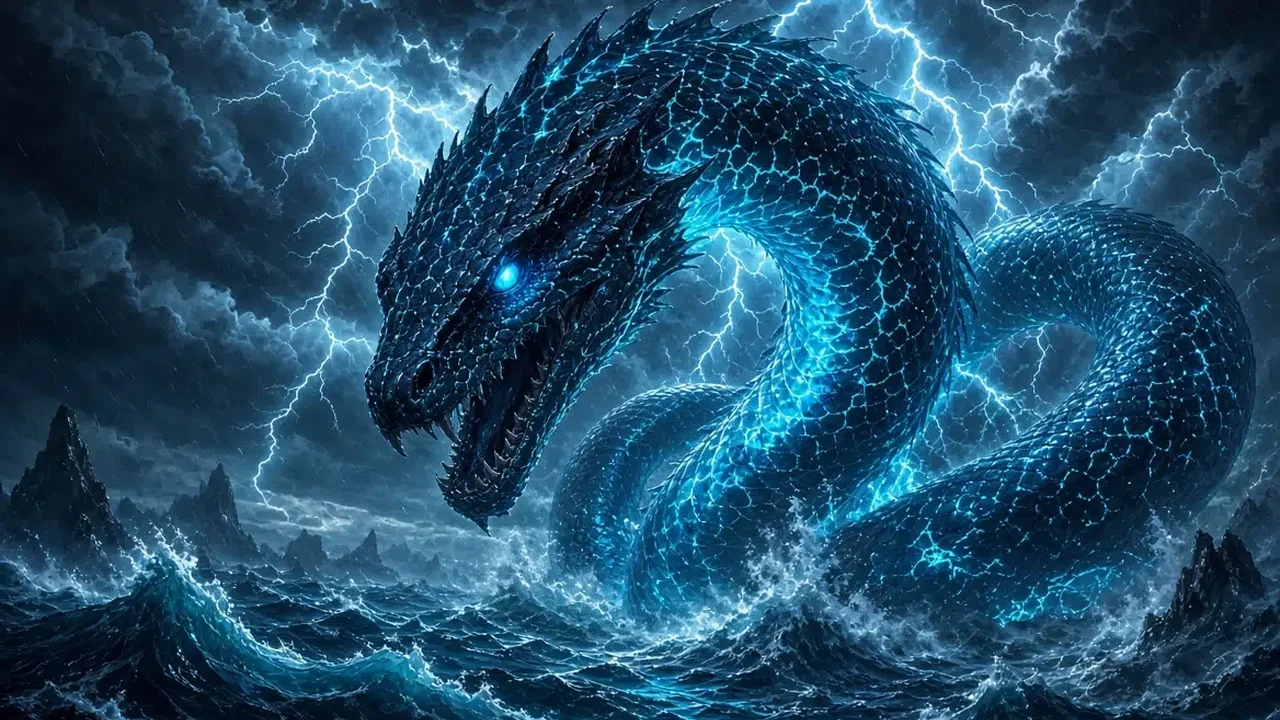
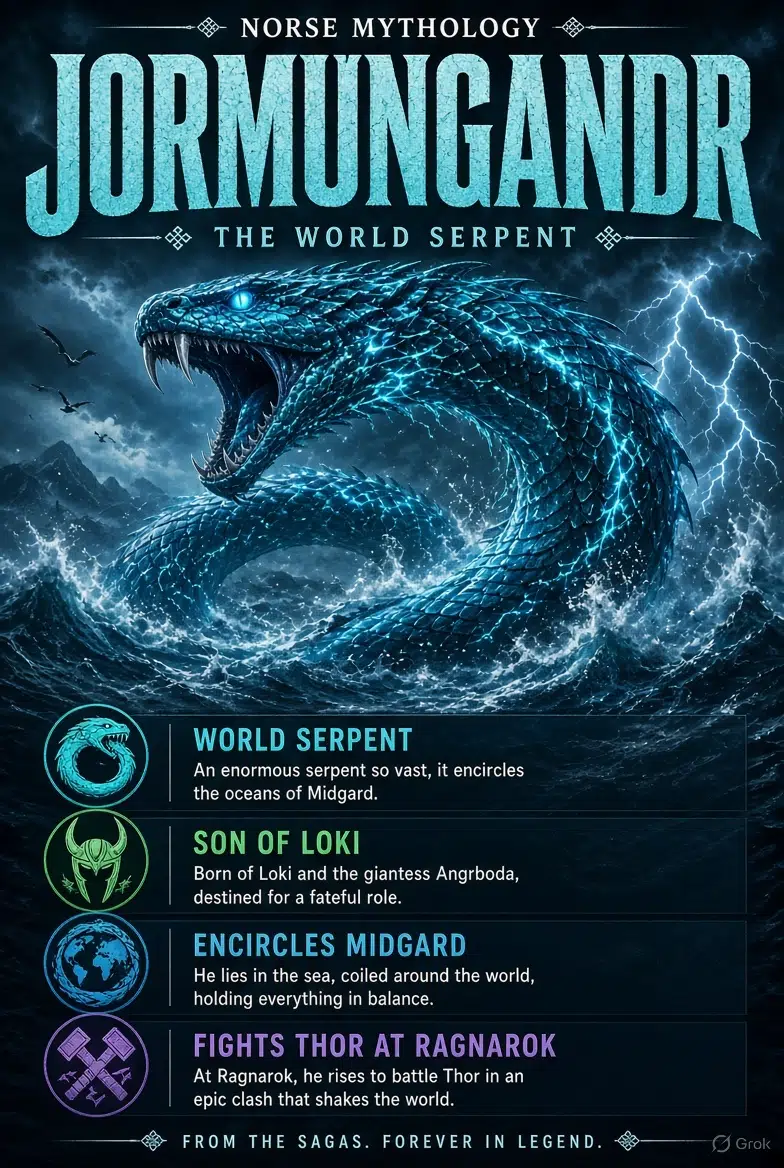
Jörmungandr, also written Jormungandr, is the World Serpent or Midgard Serpent of Norse mythology. He is one of Loki and Angrboða’s famous children, alongside Fenrir and Hel. In Snorri’s Prose Edda, the gods cast the serpent into the ocean encircling the world; it grows so vast that it surrounds the lands and bites its own tail. Thor’s dangerous fishing trip with the giant Hymir is its most vivid early confrontation. At Ragnarök, Thor kills Jörmungandr but takes only nine steps before dying from the serpent’s venom.
Searching for Jormungandr Norse mythology, World Serpent images, Thor vs Jormungandr, Midgard Serpent meaning or the truth about Ragnarok? This guide explains the family tree, sea-encircling image, fishing myth, final battle and the differences between original sources and popular game adaptations.
Who Is Jörmungandr? Loki’s Child and the World Serpent
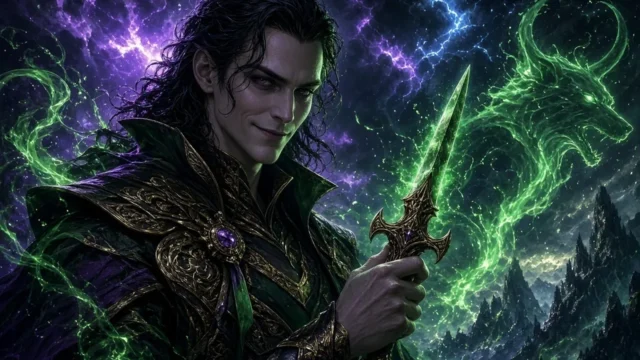
In Gylfaginning, Loki and the giantess Angrboða have three famous children: Fenrir the wolf, Jörmungandr the serpent and Hel, a figure linked with the dead. The gods fear what these beings may bring about and take action against them. Odin has the serpent cast into the deep ocean around the lands. This origin story is important because it explains why the monster is in the sea long before Thor’s fishing adventure and Ragnarök. Jörmungandr is not simply a giant dragon roaming a mountain cave. Its identity depends on its connection with the ocean and the world called Midgard. Some artists give the serpent horns, wings or glowing runic patterns; those are visual design decisions. The core literary facts are its parentage, position and role as Thor’s formidable opponent. A family-tree poster should show Loki and Angrboða as parents rather than confusing Jörmungandr with Odin’s offspring or Thor’s pet.
How Can a Serpent Surround Midgard and Bite Its Tail?
The prose narrative describes Jörmungandr as growing until its body extends around the inhabited world, with its own tail held in its mouth. This is an image of impossible cosmic scale, not a zoological description of a snake species found in the Atlantic Ocean. It also resembles the general visual motif of a self-encircling serpent, often called an ouroboros in other traditions. However, similarity of shape does not make every ancient ouroboros artifact a depiction of Jörmungandr. Cultures used serpent circles in different ways. For Norse mythology the creature is specifically Loki’s child and part of Thor’s fated story. A graphic can show a serpent circling a stylized ocean around Midgard, but exact lengths in kilometers, ocean depths and scientific species names would be inventions. The image is a cosmic metaphor in myth and should be labeled as a modern reconstruction of a literary idea.
Why Do Odin and the Gods Fear Loki’s Children?
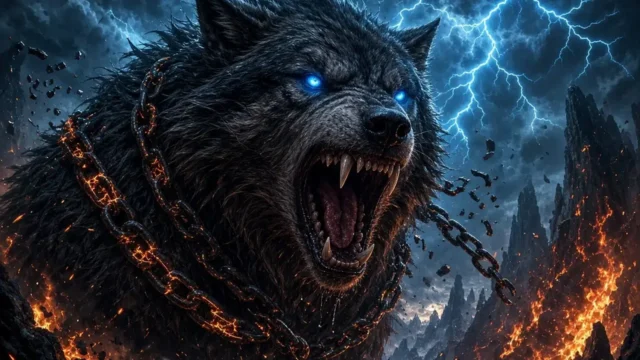
According to the narrative, the gods learn through prophecy that Loki and Angrboða’s children will bring disaster. Their responses differ. The serpent is placed in the sea, Fenrir is kept and ultimately bound with Gleipnir, and Hel receives a domain associated with the dead. These choices shape later events. Odin’s attempt to remove the serpent from the world does not eliminate its danger. The story therefore connects Jörmungandr to a broader concern about fate: the gods know something terrible is possible, act against it and still face the consequences at Ragnarök. This is why a separate article about each child is useful for readers. Fenrir’s conflict involves Týr and Odin, while Jörmungandr’s greatest opponent is Thor. Hel’s literary role is different again. A picture combining the three is a family illustration, not evidence that they fought side by side in every mythic scene.
Thor Goes Fishing with Hymir: The Ox-Head Bait
One of the most memorable episodes features Thor setting out in a small boat with the giant Hymir. Thor wants to go far beyond the normal fishing grounds, despite Hymir’s concern. For bait he uses the head of an ox, and the hook sinks deep into the sea. Jörmungandr takes the bait, and the force of the serpent’s movement makes the boat a terrifying place to be. Thor strains against the line, sometimes described as bracing his feet so powerfully that they break through the bottom of the boat. The scene brings a cosmic beast and a very small craft into direct confrontation. Images of an enormous serpent rising beside a rowing boat usually represent this fishing adventure, not the final battle at Ragnarök. That distinction is important for captions: a spectacular ‘Thor vs World Serpent’ artwork can refer to two quite different episodes.
Did Thor Kill Jörmungandr During the Fishing Trip?
No final death is securely established for the serpent in the best-known prose fishing story. In Snorri’s version, Hymir fears the monster, cuts Thor’s fishing line and lets the serpent sink away. The narrator reports that some people say Thor struck off its head, but suggests that the creature still lives beneath the waters. This variation is a valuable reminder that old mythic material need not have one perfectly stable telling. It also prevents a common online mistake: a page may claim Thor killed Jörmungandr while fishing, then also claim to tell of their fatal fight at Ragnarök without explaining the contradiction. A source-aware guide states the fishing outcome as the prose version presents it, notes the variation and reserves the final mutual destruction for the end-time story. Such care makes an image article more than a dramatic gallery.
Jormungandr and Ragnarok: Who Kills the World Serpent?
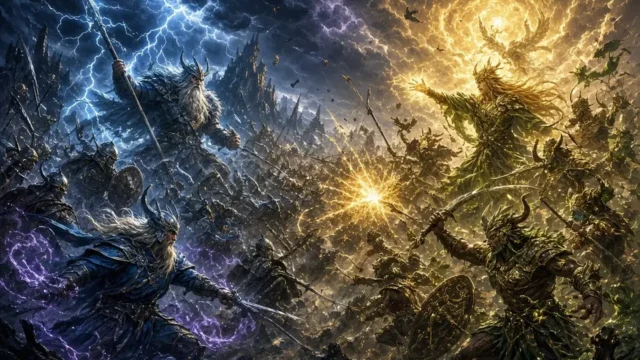
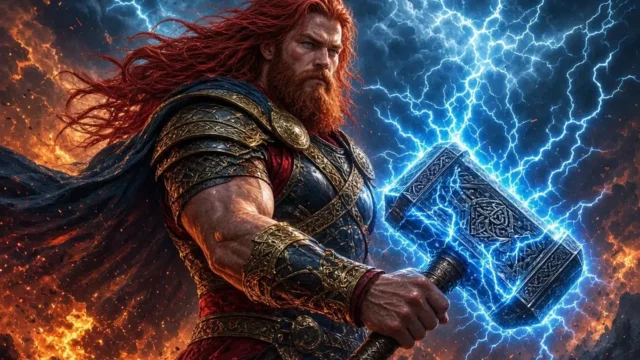
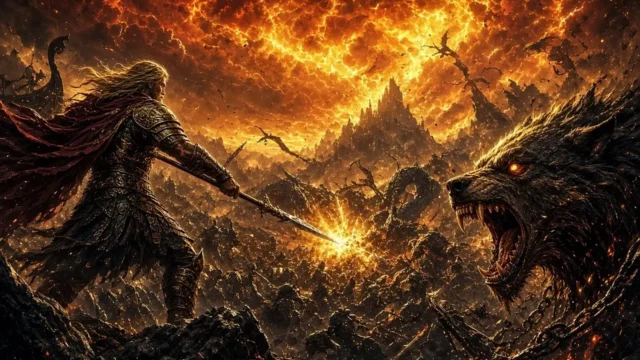
At Ragnarök, Jörmungandr emerges amid the upheaval, and Thor faces the serpent again. Thor kills his opponent, but the encounter ends tragically. The venom has a fatal effect, and Thor takes nine steps before falling. This makes the answer to ‘Who killed Thor in Norse mythology?’ especially precise: the serpent dies by Thor’s hand, and Thor dies afterward from its poison. The episode is not a contest against Zeus and does not involve Fenrir swallowing Thor. Fenrir’s fated victim is Odin. The distinct confrontations show why a full Ragnarok timeline benefits from separate names and images: Odin versus Fenrir and Thor versus Jörmungandr are independent tragedies within the same cosmic event. A poster that assigns the wrong opponent to Thor may look spectacular but teach exactly the wrong fact.
Is Jörmungandr the Same as Níðhöggr or the Kraken?
Jörmungandr, Níðhöggr and the Kraken are not interchangeable mythological labels. Níðhöggr is associated with gnawing at the roots of Yggdrasil and appears in other poetic imagery. The Kraken belongs to a different cluster of maritime monster stories and later traditions. Jörmungandr is the serpent surrounding Midgard. Digital fantasy art may combine their shapes, tentacles and dragon-like heads into one creature, but an educational article should keep the names and episodes distinct. The same caution applies to calling Jörmungandr simply an anaconda or modern sea snake. There is no verified fossil or measured marine species corresponding to the cosmic beast. If readers search ‘Jormungandr real size’, the accurate response is that no historically measurable length exists; its scale is an element of mythology. Use artistic depictions to convey immensity rather than invent a precise size chart.
Jormungandr Symbols, Tattoos and World Serpent Images
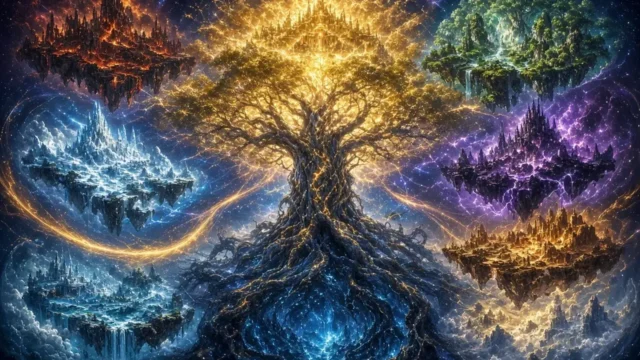
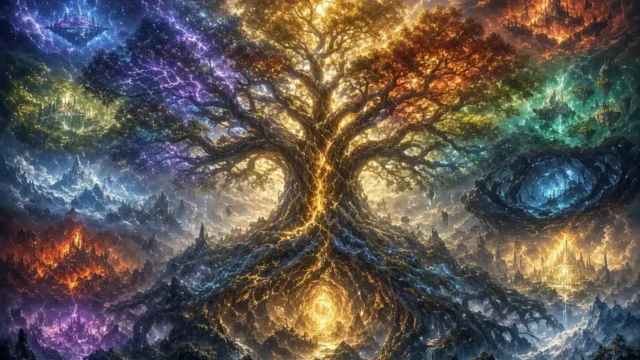
The creature is a popular subject for circular tattoos, dark-fantasy phone wallpapers, Viking-inspired art and snake motifs around a world tree. Some designs show the serpent swallowing its tail; others pair it with Thor’s hammer or storm clouds. A modern circle design may express cycles, threat, fate or personal symbolism, but those meanings should not be advertised as one fixed ancient rune spell. Viking Age art may include serpent forms without necessarily identifying every one of them as Jörmungandr. Attribution matters. For SEO, ALT text should describe the actual picture: ‘Jormungandr World Serpent circling Midgard in Norse mythology illustration’ for one scene, or ‘Thor fishing for Jormungandr with Hymir’ for another. Overloading ALT with unrelated Norse gods names harms readability and does not make the image more historically accurate.
How Modern Games Change the World Serpent
Contemporary entertainment, including fantasy games inspired by Norse mythology, has introduced new stories about the World Serpent and its relationship to other characters. It can be enjoyable to compare these narratives with old texts, but a game’s timeline, exact creature design and voice are not proof of a medieval legend. The foundational literary references include Gylfaginning and Eddic poetry. A useful reader journey begins with the serpent’s family, continues to the fishing adventure and ends with Ragnarök. Those three stages explain why the myth remains compelling: what appears to be a permanently contained threat grows beyond control and returns for the world’s final confrontation. If a visitor first arrives for a wallpaper, the factual captions and a linked explanation can turn visual curiosity into genuine understanding without an invented ‘real ocean sighting’.
Frequently Asked Questions
Who are Jörmungandr’s parents?
Loki and Angrboða are named as the World Serpent’s parents in Snorri’s account.
Is Jörmungandr Fenrir’s brother?
Yes. Both are among Loki and Angrboða’s children, along with Hel.
Why does Jörmungandr bite its own tail?
Snorri describes the creature growing large enough to encircle the world and hold its tail in its mouth.
What bait does Thor use to catch the serpent?
Thor uses an ox head on the hook in the fishing story with Hymir.
Who kills Jörmungandr at Ragnarok?
Thor kills the serpent, then dies from its venom after nine steps.
Is Jormungandr a real snake species?
No real, scientifically documented species corresponds to the mythical world-encircling serpent.
Conclusion
Jörmungandr is memorable because the same cosmic creature belongs to Loki’s family, surrounds Midgard, nearly defeats Thor on a fishing trip and finally kills him by venom at Ragnarök. The story’s scale suits spectacular art, but its accurate sequence is what makes a mythology article worth reading.
Sources: Gylfaginning: Jormungandr and Thor’s fishing journey; The Edda: the Midgard Serpent fishing episode; University of Oslo: the original Old Norse and translation.
Images are modern fantasy art, not historical photographs of a creature. 15 November 2026.





Share Your Opinion
Comments are closed on this post.