 Vista
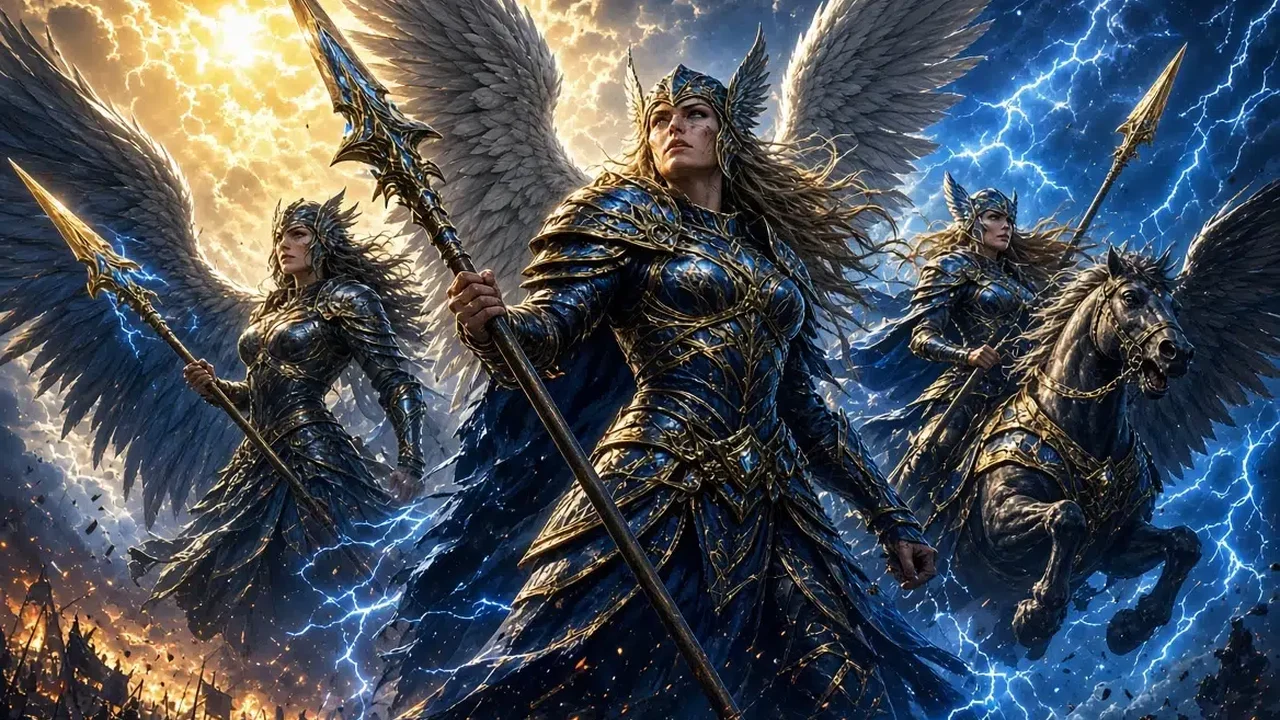
Valkyries in Norse mythology are supernatural figures associated with choosing the slain in battle. Their Old Norse name, valkyrjur, is commonly understood as ‘choosers of the slain’. The poems and later prose connect them with the fate of warriors, Odin and the hall Valhalla, but their roles are more varied than a modern winged warrior costume suggests. Some stories give individual Valkyries names, personalities and relationships with mortal heroes. Others connect them more directly with death, battle and ominous bird imagery.
If you search for Valkyries Norse mythology, Valkyrie names list, are Valkyries gods, Valkyrie vs shieldmaiden, Valhalla meaning or Valkyrie wallpaper, this guide explains the older stories and what is modern fantasy. It also distinguishes the common idea of a Valkyrie as a winged angel from what the medieval sources actually describe.
What Does Valkyrie Mean?
The Old Norse word valkyrja is generally translated as a chooser of the slain. That starting point ties the figure to war and the question of which people die, rather than just to a heroic woman carrying a sword. In different literary settings Valkyries may be connected with determining outcomes of battle or with bringing selected fallen warriors into a divine setting. These functions overlap but are not identical in every poem. Scholars note that the earliest images surrounding the valkyries can be unsettling: battlefields, carrion birds and the presence of death. Later cultural depictions often emphasize romance, beautiful armor and a heroic warrior identity. Those images are part of the tradition’s long reception, but the Old Norse meaning should remain clear in an educational article. A ‘Valkyrie powers list’ claiming flight, immortality or a specific spell for every named figure goes beyond what each text necessarily provides.
Odin, Valhalla and the Chosen Warriors
In Snorri’s Prose Edda, Valkyries appear in connection with Odin and warriors killed in battle. Some passages describe their roles in attending the hall and serving the einherjar, the selected dead associated with Odin. Valhalla is therefore an important piece of their mythology, but it is not a simple gate that all brave people automatically enter. Norse afterlife traditions are complex, and poems also connect Freyja with Fólkvangr and a share of the slain. The sources do not establish one universal historical selection procedure applying to all Vikings across centuries. Modern posters sometimes draw arrows from every fallen soldier to a Valkyrie and then to Valhalla, presenting the pattern as an ancient administrative system. That is too mechanical. A more accurate explanation says Valkyries are linked with selection and battle fate, and the detailed outcome depends on the particular poem or prose account being discussed.
Are Valkyries Goddesses, Angels or Human Warriors?
Valkyries are not simply a separate species of angels with a single rank and uniform. They are supernatural female figures associated with battle and the slain, although individual characters in heroic poetry can also be described in more human terms. They should not be automatically treated as ordinary shieldmaidens, a term used for women who fight or are portrayed as warriors in certain narratives. Nor can every named Valkyrie be classified as a daughter of Odin. Popular books and games sometimes gather figures from different poems and give them one standardized origin story. The surviving material is less tidy. When explaining a group portrait, describe the depicted characters as artistic versions of Valkyries unless specific names and textual episodes are known. An illustration showing ten armored riders does not prove a fixed medieval roster or universal count of Valkyries. Their literary variety is what makes the subject interesting.
Famous Valkyrie Names: Brynhildr, Sigrún, Hildr and Göndul
Brynhildr is a famous figure associated with the heroic legend complex of Sigurðr, particularly in later Norse versions and related retellings. Sigrún appears in the Helgi cycle, connected with love, conflict and heroic fate. Hildr is a name with warlike associations and appears in stories of conflict. Göndul is among the Valkyrie names preserved in literary lists and poetic references. Skuld can also appear in Valkyrie name lists, even though she is strongly associated with the Norns elsewhere. These different contexts show why the list of ‘all Valkyries’ is not a closed roster with ten universally agreed members. Spelling varies between editions: Brynhild, Brynhildr, Brunhild and other forms may reflect linguistic or adaptation differences. A responsible poster selects a few names and identifies their sources rather than inventing a power and a tattoo symbol for each one. Names in old poetry often need context before they become recognizable characters.
Swan Maidens, Bird Garments and Wings
Bird imagery is especially important in Valkyrie traditions. Old Norse heroic poetry includes swan-maiden motifs, and scholarly studies discuss bird forms or garments in narratives involving Valkyrie-like women. That helps explain why modern artwork gives these figures wings or feathered cloaks. But a large pair of permanent angel wings is not a rule that every surviving text imposes on every Valkyrie. Similarly, a horned helmet is a modern Viking stereotype rather than a standard historically attested Valkyrie uniform. A cinematic picture with feathers, a flying horse and bright northern skies can communicate supernatural movement, yet the caption should call it an artistic interpretation. The value of the older bird motif is that it shows transformation and uncertain boundaries between human and otherworldly forms. It does not provide a biological classification or a fixed costume catalogue.
Valkyries Versus Shieldmaidens: Why the Difference Matters
A shieldmaiden is generally a woman portrayed as fighting or taking a warrior role; some stories present such figures within human social and political settings. A Valkyrie, by contrast, is named for a supernatural connection with choosing the slain and influencing battle fate. Individual legendary figures can move between these categories in later literature, so a simple distinction should not be turned into an absolute wall. Nevertheless, using the terms interchangeably misleads readers. A photograph of a woman in modern historical reenactment armor is not proof of an actual supernatural Valkyrie. An excavated burial with weapons raises important historical questions, but it cannot directly show which figures a Viking worshipped or imagined on battlefields. For SEO captions, ‘modern shieldmaiden costume’ and ‘fantasy Valkyrie illustration’ describe different visuals. Readers benefit from knowing which category the content is actually about rather than seeing every armored woman labelled ‘real Valkyrie’.
Do Valkyries Fight at Ragnarok?
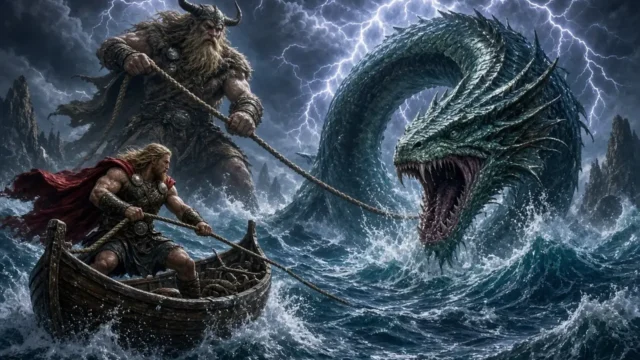
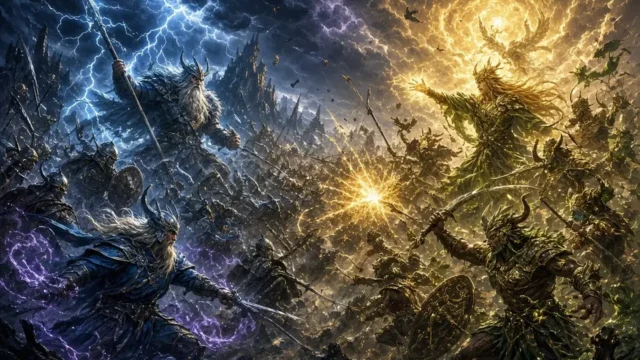
Ragnarök brings many gods and extraordinary beings into a final conflict, and Valkyries are broadly associated with the battle-slain and Odin’s warriors. However, it is misleading to say that every named Valkyrie has a fixed duel, death or combat score in the final battle. The medieval sources do not supply one universal tournament bracket in which every Valkyrie is matched with a specific enemy. Some fantasy games create such rosters, making Valkyries formidable bosses or allies. Those adaptations may be fun, but their plot cannot be treated as a direct translation of Eddic prophecy. A source-aware overview focuses on their connection with battle, the chosen dead and the larger story of Valhalla’s preparation. It then explains that the best-known final confrontations include Odin versus Fenrir and Thor versus Jörmungandr. That keeps the chronology clear and avoids inventing a named Valkyrie army as an established ancient fact.
Valkyrie Symbols and Tattoo Meanings
Valkyrie tattoos often depict a winged female warrior, a sword, a raven, feathers, a spear or Norse knotwork. Such designs can symbolize courage, choice, death, honor or personal transformation for modern wearers. However, a specific combination of a bindrune and two wings is not automatically an attested Viking Age Valkyrie symbol. Some designs borrow later Icelandic magic marks or modern fantasy imagery and label them ‘ancient runes’. The distinction is especially important for educational posters aimed at image search. Explain the symbolic possibility and label it modern personal interpretation unless the motif can be traced to a named historical artifact or text. An accurate caption could say ‘Valkyrie-inspired fantasy tattoo showing a spear and raven’ rather than claiming it was worn by every Viking warrior. A well-written article provides a clear context so readers can choose art without relying on invented histories.
How to Choose Reliable Valkyries Images and Stories
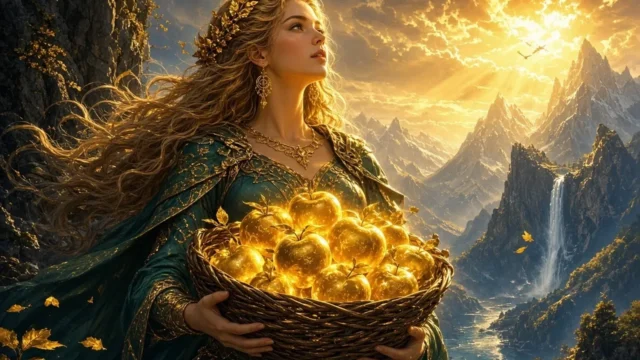
An excellent featured illustration shows a Valkyrie in a clear mythological setting, with distinctive armor or feathers and an atmosphere of battle. The accompanying informational poster should give the meaning ‘chooser of the slain’, explain Odin’s association with Valhalla, name several figures from actual texts and distinguish the category from shieldmaidens. Avoid numbers such as ‘twelve original Valkyries’ unless a particular poem and passage is identified; surviving names and lists vary. The Poetic Edda, Prose Edda and related heroic literature are the starting points for checking claims. Academic studies can clarify how the roles developed through time. Visual quality matters, but it should never require fake historical photographs, unsupported prophecies or fabricated quotations. When readers arrive for Valkyrie pictures, they should leave knowing which story or motif the image refers to and how much of the scene is modern design.
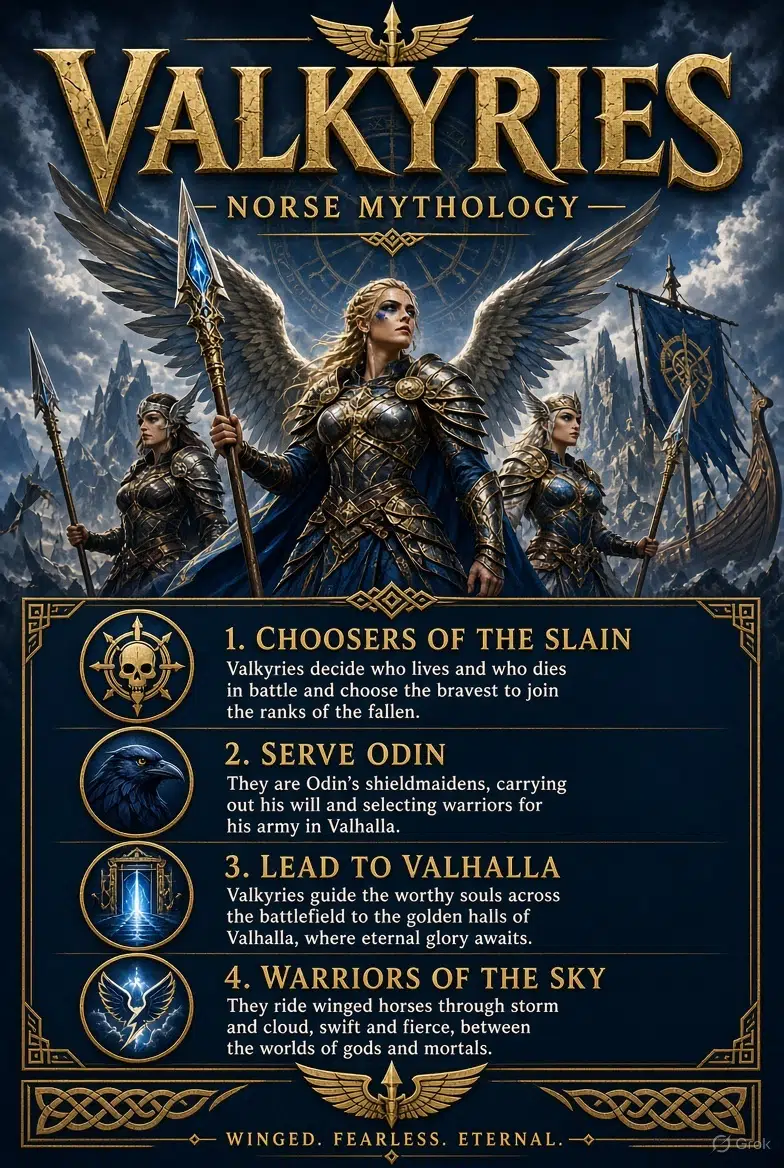
Artwork and source Winged horses are an artistic choice. The poems and sagas give Valkyries different roles, and the sources also name Fólkvangr as a destination for some of the battle-slain.
Frequently Asked Questions
What does Valkyrie mean?
The Old Norse term is commonly interpreted as ‘chooser of the slain’.
Are Valkyries the same as shieldmaidens?
No. Valkyries have a supernatural connection to the fate of battle-slain people; shieldmaidens are female warrior figures in legend.
Do all Vikings go to Valhalla with Valkyries?
No universal historical rule says that every person or warrior automatically goes there.
Who are famous Valkyries?
Brynhildr, Sigrún, Hildr and Göndul are prominent names in different literary contexts.
Are Valkyries daughters of Odin?
It is not accurate to treat every named Valkyrie in all sources as Odin’s biological daughter.
Did Vikings use a single Valkyrie tattoo symbol?
No one fixed, universally documented tattoo design is established by the medieval sources.
Conclusion
Valkyries unite the drama of battle with the mysteries of death, fate and the divine. Their imagery is powerful, but the Old Norse traditions are more varied than a universal winged-warrior costume. Understanding their names, connection to Odin and distinction from shieldmaidens makes Valkyrie art more meaningful.
Sources: Prose Edda, Gylfaginning — Odin and Valkyries; Academic study on Valkyries and death symbolism; Poetic Edda translations and Valkyrie stories.
Artwork depicts the mythic tradition, not surviving historical portraits. 15 November 2026.








Share Your Opinion
Comments are closed on this post.