 Vista
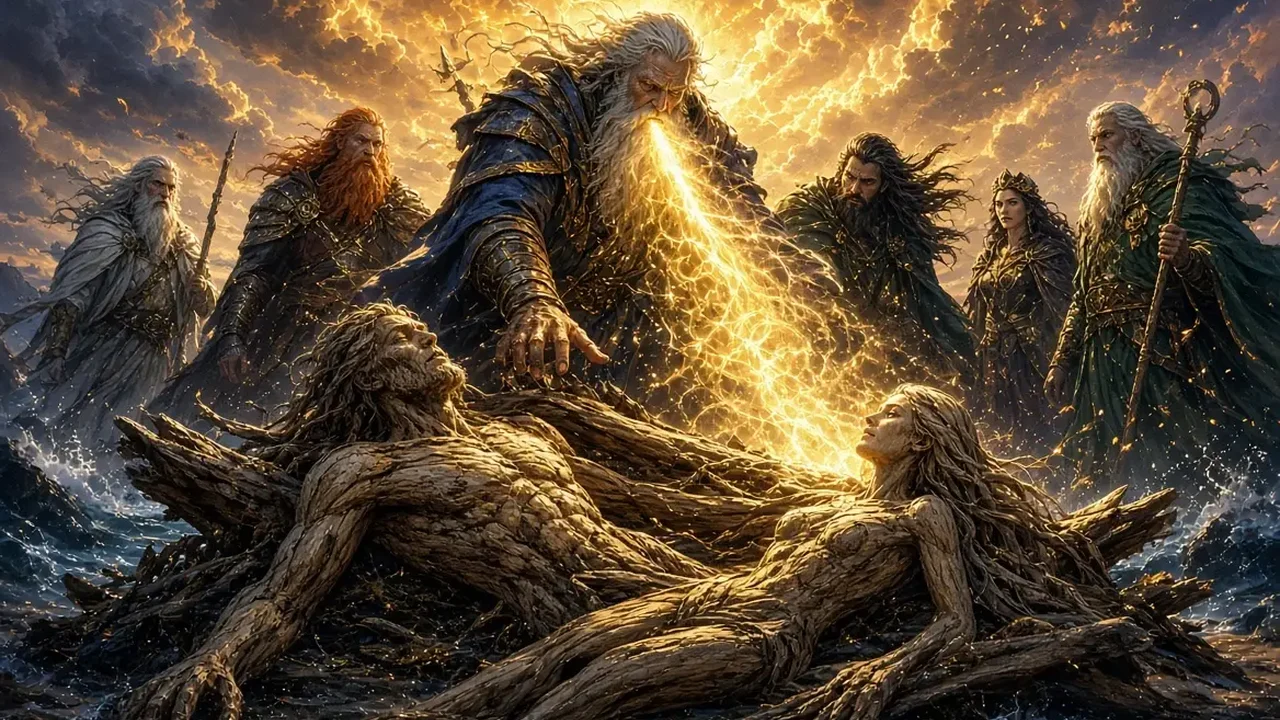
Ask and Embla are the first human pair in the familiar Norse creation tradition. The poem Völuspá describes three gods finding them without the qualities of life and giving them breath, understanding and physical human attributes. It names Odin, Hœnir and Lóðurr. Snorri’s later Prose Edda tells a related account in which the sons of Borr—Odin, Vili and Vé—find two trees beside the shore and make the first people. These accounts should not be presented as if they name exactly the same three gods.
This guide explains Ask and Embla Norse mythology, how the first man and woman were formed, what Askr means, why Embla’s etymology is uncertain, what the gods gave them, how Midgard becomes humanity’s home and how the story differs from the world being made from Ymir. The illustrations are imaginative interpretations of medieval literature.
Who Are Ask and Embla, the First People?
The Old Norse names are Askr and Embla, commonly simplified to Ask and Embla in English. In the two familiar texts they become the founding man and woman of humanity. Their story is relatively short, and the surviving narrative does not supply a modern biographical timeline, lifespan, surnames, hometown addresses or detailed adventures after creation. Instead it concentrates on the extraordinary gift of human existence. Readers sometimes compare them with Adam and Eve because both traditions feature a first couple, but similarity does not mean every element has the same origin or meaning. Norse poems and medieval prose were preserved in a context with complex religious and literary influences. A responsible guide can point out the comparison without claiming that the figures literally met or shared one documentary history. A visual showing two people amid trees or a shore can convey the scene, but their appearance is not standardized in any surviving original portrait.
Völuspá: Three Gods Find Beings Without Life
In Völuspá, the seeress describes three powerful Æsir finding Ask and Embla, who lack breath, spirit, warmth or the full characteristics of human life. Odin gives breath, Hœnir provides one of the inner faculties often translated as mind or sense, and Lóðurr contributes qualities such as warmth, coloring or outward form. Translations differ on the exact rendering of the Old Norse terms, which is why an infographic should not claim a modern biological list of precisely measured organs. The essential poetic idea is that humanity becomes fully alive through multiple gifts. Interestingly, the poem does not directly state that the two are carved from trees, even though their names and the later prose have encouraged that interpretation. Describing them as lifeless figures found by gods is closer to the actual verse. The story asks what makes a human person, rather than explaining genetic mechanisms or the natural history of the species.
Gylfaginning: Odin, Vili and Vé Make People from Trees
Snorri’s Gylfaginning presents a more explicit physical creation scene. The sons of Borr, traditionally understood as Odin, Vili and Vé, walk beside the seashore and find two trees. They take the trees, make human forms and give them life and the faculties needed to live. The male is called Ask and the female Embla, and they receive a place to live within Midgard. This is the familiar source behind paintings of gods carving people out of driftwood. It is important to name Snorri’s text when presenting that scene because the older Völuspá names Odin, Hœnir and Lóðurr instead. Some websites simply replace one list with the other without mentioning the difference, making an apparently neat but misleading mythology family tree. The two texts can be compared as related traditions. Their precise relationship is a scholarly question, not something that a single modern image can settle.
What Do the Names Ask and Embla Mean?
Askr clearly means ash tree in Old Norse, helping to explain the appeal of a wood-based origin. Embla’s etymology is less certain. Elm and vine have been proposed, among other ideas, but it is not safe to declare that Embla literally means elm in every scholarly dictionary. Some modern charts say the male must be ash and the female must be elm because tree symbolism requires perfect symmetry. That may be aesthetically attractive but does not resolve linguistic debates. The strongest educational formulation is ‘Askr: ash tree; Embla: uncertain, with several proposed interpretations’. A school poster can fit that note in a small label and then emphasize the two-source distinction. Even if we assume a connection with trees, there is no authentic ancient photograph of two specific logs from which humanity began. Such materials belong to narrative imagery, not to a recoverable archaeological object.
How Is the Story Connected to Ymir?
Ymir belongs to an earlier phase of Norse creation mythology. In Snorri’s account the primordial being emerges through the meeting of cold and heat, is nourished by the cow Auðhumla, and is eventually killed by Odin, Vili and Vé. His body becomes material for the earth, waters, mountains and sky. Ask and Embla come afterward as the first humans to inhabit the created world. These stages should not be merged into a claim that Ymir himself was the first ordinary human or that Auðhumla was Ask and Embla’s mother. The creation episodes serve different narrative functions. Ymir explains the formation of the cosmos from a primordial being; Ask and Embla explain how human life begins within that cosmos. An informational diagram can show the sequence ‘primordial origin → world fashioned → humans enlivened’, while keeping in mind that different poems and prose passages do not always share identical narrative details.
Midgard: The Home Given to Humanity
Midgard is the human world in the Old Norse cosmological imagination. Snorri says the gods make an enclosure from Ymir’s body or brows as protection against hostile beings, and Ask and Embla become ancestors of those living within that space. This helps explain the frequently used pairing of Midgard, the realm of humans, with Asgard, the dwelling associated with the Æsir. Yet a complete Nine Realms map with exact branches of Yggdrasil is a modern explanatory reconstruction, not an ancient standardized atlas preserved in every text. The first-human story does not identify a real Scandinavian village where the pair lived. Nor is there an archaeological site established as the literal birthplace of all humans described in the myth. A good caption can call a forest or shore scene ‘modern illustration of Ask and Embla in Midgard’ rather than invent a precise address. The myth’s focus is human belonging within a fragile created world.
Who Is Lóðurr? Why Does He Differ from Vili and Vé?
Lóðurr is one of the greatest interpretive puzzles in the poem. Völuspá names him with Odin and Hœnir, while Snorri’s prose describes the sons of Borr, including Vili and Vé, as human creators. Scholars have proposed identifying Lóðurr with Loki, Vé or another figure, but no universally accepted proof settles the question. That is important when internet charts confidently declare that ‘Loki created the first humans’ solely because they adopt one proposed identity. The Old Norse evidence is more limited. A source-aware post should name Lóðurr and make clear that the identification remains debated. Hœnir has other roles, including the hostage story surrounding the Æsir–Vanir peace, but that does not prove every reference to him represents one consistent biography. The surviving texts are best read with attention to genre, age, and variation rather than forcing all names into a single modern cinematic cast list.
How Does Norse Human Creation Compare with Science?
The myth describes human life emerging through the gifts of divine beings. Scientific understanding of human origins, by contrast, comes from fields such as genetics, anthropology, archaeology and evolutionary biology. There is no evidence that all modern humans descended literally from two carved trees or that the process happened on an exact historical calendar date. Readers can appreciate the cultural meaning of a creation story without presenting it as a substitute for evidence-based knowledge. Similarly, the name Askr does not establish that an ash-tree chemical can manufacture living humans. If an educational page is aimed at students, the distinction between mythic explanations of existence and scientific mechanisms should be explicit. It need not mock the old material; the poem has its own questions about breath, mind, warmth and social life. Those themes remain interesting even when the supernatural event is not treated as empirical history.
Ask and Embla Images, Art and Meaningful Captions
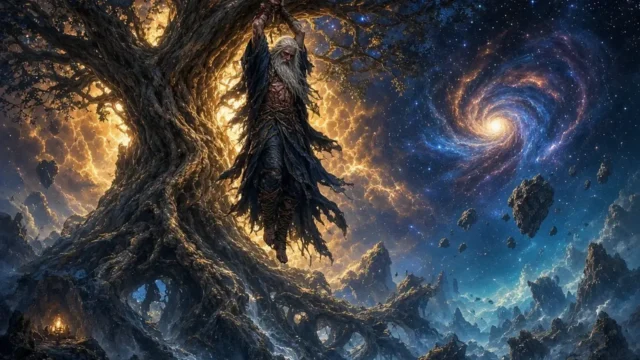
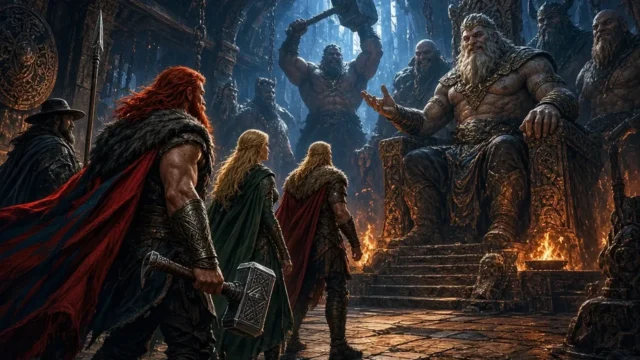
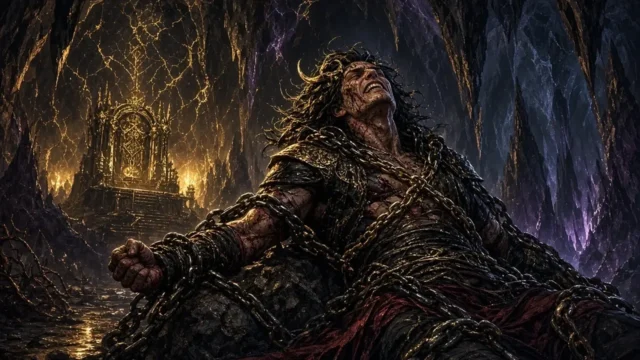
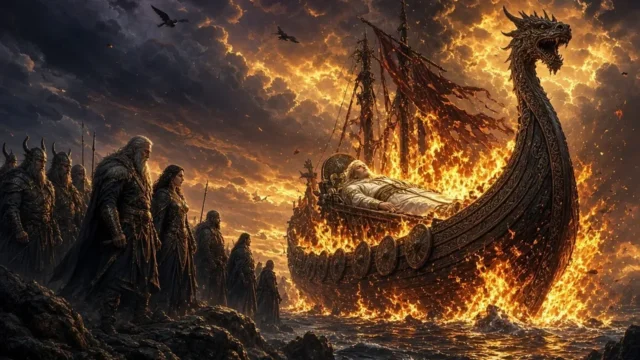
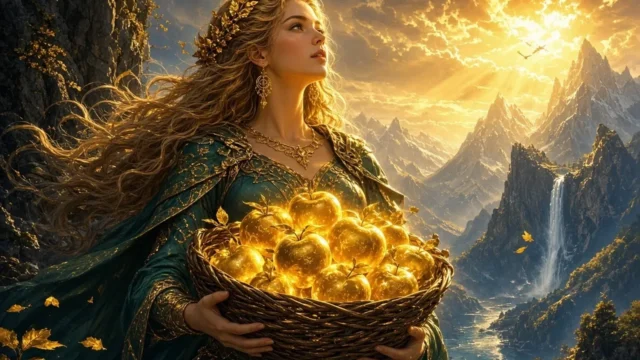
Useful visual searches include ‘Ask and Embla first humans’, ‘Odin creates first man and woman’, ‘Askr Embla wood’, ‘Norse creation mythology images’ and ‘Völuspá human creation’. A featured illustration might show gods discovering two figures near the sea. The inside poster can give the two source versions, the names’ interpretations and Midgard as humanity’s dwelling. ALT text should describe the image actually present; if it shows two people without gods, do not claim the scene visibly depicts Hœnir and Lóðurr. A modern fantasy picture may use dramatic glowing branches and magical light, which is fine as art but not an original Viking photograph. The best reader experience is one that recognizes the source discrepancy and gives visitors a clear, honest explanation alongside beautiful pictures. This approach is especially important when the same subject appears in quick-reference family trees or school-project materials.
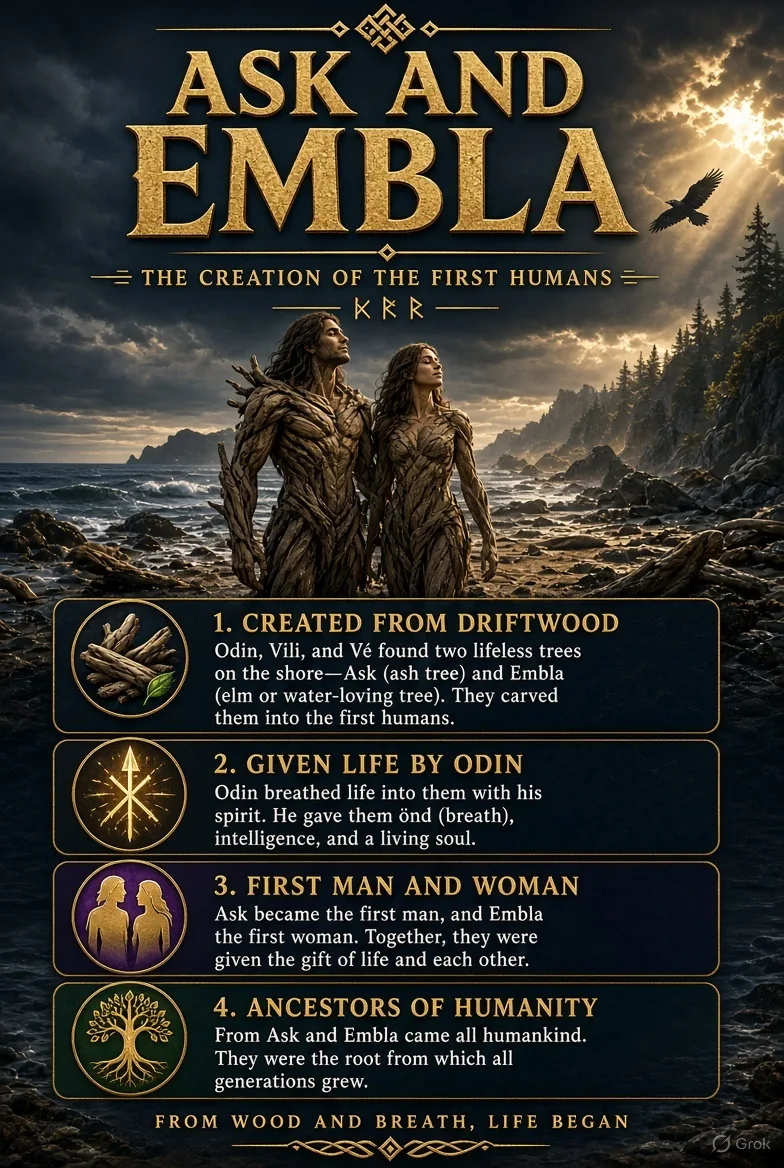
Artwork and source The meanings of Embla’s name and the division of the gifts differ by source. The prose account attributes different gifts to the three brothers.
Frequently Asked Questions
Who were Ask and Embla?
The first man and woman of the familiar Norse creation account.
Which gods created them?
Völuspá names Odin, Hœnir and Lóðurr; Snorri’s prose gives Odin, Vili and Vé.
Were they created from trees?
Snorri explicitly describes two trees; the earlier Völuspá passage does not directly say so.
What does Askr mean?
Ash tree in Old Norse.
What does Embla mean?
Its meaning is debated; elm and vine are among proposed readings.
Where did they live?
Snorri places humanity within Midgard, the human realm.
Conclusion
Ask and Embla embody the moment when a mythic world becomes a home for people. The poetry emphasizes divine gifts; Snorri adds a story of two trees and a different group of creators. Keeping both versions visible makes the illustrated origin story more accurate and rewarding.
Primary sources and artwork note
Poetic Edda Völuspá 17–18: Ask and Embla; Prose Edda Gylfaginning: First humans and Midgard; Old Norse language reading: Völuspá at University of Texas.
Reviewed 15 November 2026. Images are modern creative interpretations.







Share Your Opinion
Comments are closed on this post.