 Vista
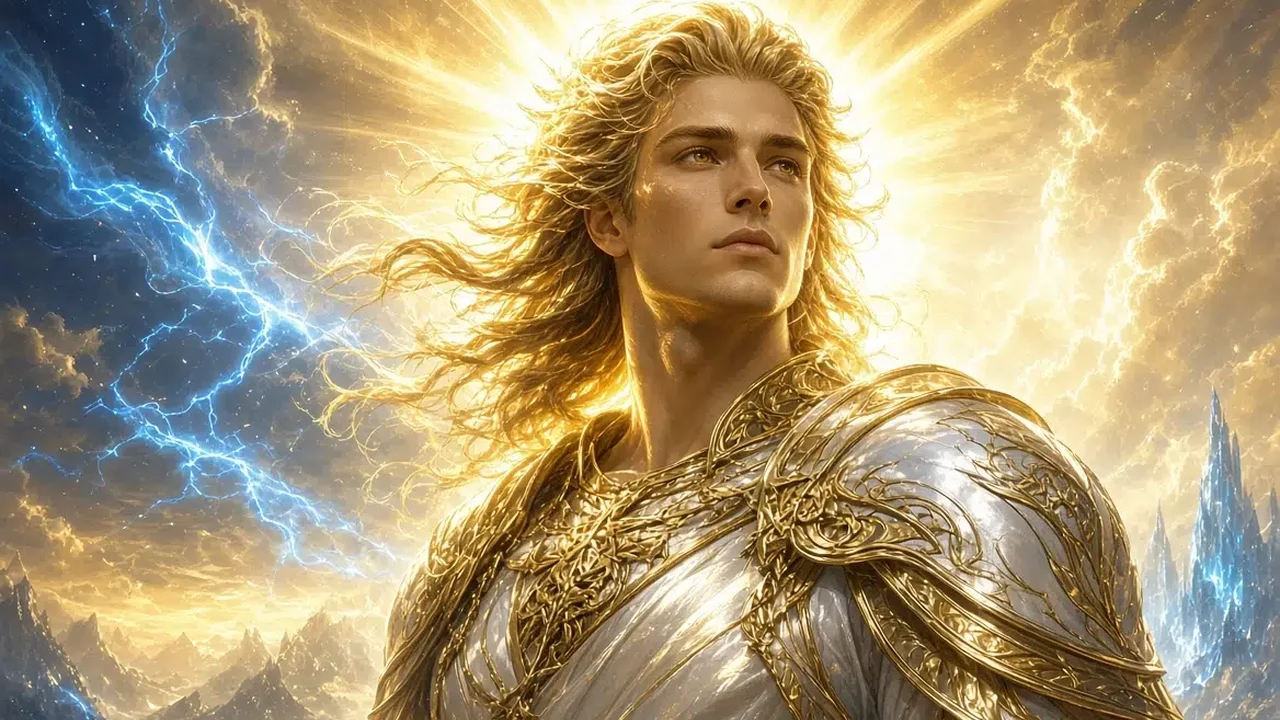
Baldr (also written Baldur or Balder) is a Norse god remembered for the story of his death and the grief it brings to the gods. He is the son of Odin and Frigg in the familiar account. Frigg obtains promises that many things will not harm him, but a seemingly insignificant mistletoe plant is left out. In Snorri’s Prose Edda, Loki exploits the omission and guides the blind Höðr to strike Baldr with the deadly object. Afterward Hermóðr tries to bring him back from Hel. The story does not end there: Baldr appears among figures associated with the renewed world after Ragnarök.
This article explains Baldr Norse mythology, who kills Baldr, the mistletoe weakness, why Loki is blamed, what happens at Baldr’s funeral, and how the alternative version recorded by Saxo Grammaticus differs. The illustrations are myth-inspired images, not photographic evidence of a supernatural historical event.
Who Is Baldr? Odin and Frigg’s Son
Baldr is a major figure in the Æsir stories, celebrated in familiar retellings for his beauty and beloved status among the gods. The names Baldur and Balder appear in modern English adaptations, while Baldr is closer to the Old Norse form. He is linked with Odin and Frigg as their son, and his wife is Nanna in the best-known medieval prose version. The god’s hall is called Breiðablik in Grímnismál, where the description emphasizes its purity. These details help distinguish Baldr from a generic glowing warrior in fantasy art. Still, the surviving material is not a continuous biography. Different poems and medieval writers supply different aspects, and some accounts do not agree about what kind of person Baldr was. A useful search guide therefore begins with the specific death tradition rather than assigning an invented list of official magical powers or announcing that every modern depiction is historically verified.
Baldr’s Dreams and the Prophecy of Death
The gods become worried when Baldr has disturbing dreams about his fate. In Baldrs draumar, Odin travels to learn more about the threat and encounters a prophetic voice connected with the realm of the dead. This builds a theme that appears throughout Norse mythology: an alarming future may be known in advance without being prevented. Baldr’s dreams are not simply a minor prelude; they set in motion the desperate attempt to protect him. Because this section is about prophecy rather than combat, illustrations can show a peaceful figure under an ominous sky or Odin seeking forbidden knowledge. That is more faithful to the emotional direction of the story than portraying Baldr as a battle champion who wins by defeating enemies. There is no historical date for the dreams. In a mythology article, the order of narrative events matters, while a fabricated modern calendar would be misleading.
Why Did Frigg Ask for Promises from Everything?
In the familiar account preserved by Snorri, Frigg tries to make Baldr safe by securing promises from things in the world that they will not harm him. Fire, water, metal, stone, plants and animals are part of the protective arrangement described in the narrative. As a result, other gods make a game of throwing objects at Baldr, and none hurts him. This eerie spectacle combines affection with a dangerous misunderstanding: the gods take apparent invulnerability as a reason to test it repeatedly. The key point is not that Baldr has an automatic magical shield with a numerical health rating. His safety depends on agreements, and one exception remains. A poster that shows arrows bouncing off him can convey the scene, but it should note that the protection comes from oaths gathered by Frigg rather than from a scientifically described force field or a movie-style enchantment.
Mistletoe: What Was Baldr’s Weakness?
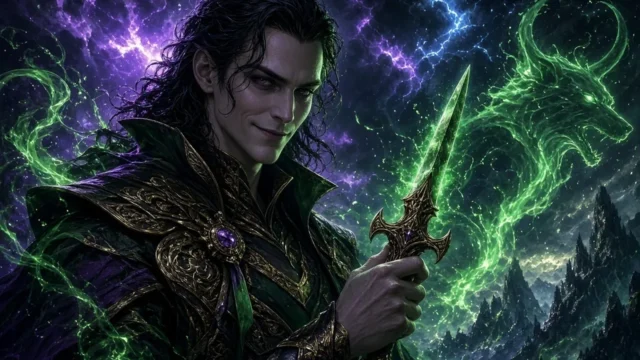
Frigg leaves out mistletoe because she considers it too young or insignificant to ask for an oath. Loki learns this through a conversation in which he has disguised himself. He obtains the plant and turns it into the fatal projectile. The detail has made mistletoe one of the most searched motifs in Norse mythology. It should not, however, be confused with the modern Christmas practice of kissing under mistletoe. That festive custom has its own complex history, and the ancient story does not say that hanging mistletoe guarantees romance or neutralizes Baldr’s death. Nor does the literature describe the material as a universal chemical poison. In Snorri’s telling the catastrophe results from a unique gap in Frigg’s promises. Modern fantasy art might show a green glowing arrow, but an illustrator’s choice of glow and weapon shape is not a scientific description of the original plant.
Who Killed Baldr: Loki or Höðr?
In Snorri’s account, the blind Höðr physically casts the mistletoe weapon at Baldr, while Loki arranges the circumstances and guides his action. That is why the question ‘Who killed Baldr?’ needs a nuanced answer: Höðr delivers the deadly strike, and Loki deliberately enables it. The fact that Höðr cannot see also explains why he stands aside from the other gods’ game until Loki intervenes. A quick headline saying ‘Loki shoots Baldr’ hides the detail that makes the moral problem compelling. A responsible caption of the scene should identify both figures and their different roles. This story also connects with Loki’s later punishment, but it does not mean Loki and Höðr have the same motivations or that all surviving medieval versions present their involvement identically. Naming the source clarifies the account.
Baldr’s Funeral Ship, Nanna and the Giantess Hyrrokkin
After Baldr’s death, the gods prepare a funeral on his ship Hringhorni, described as exceptionally large. It is difficult to move, so the giantess Hyrrokkin is called upon to help launch it. In the familiar prose account, Nanna dies in grief and is placed on the pyre with Baldr. Odin puts a ring on the funeral fire, and other extraordinary details show the scale of the gods’ mourning. A scene with a burning ship and a grief-stricken gathering is therefore source-connected, but an artwork should not be presented as a documentary painting of Viking ship burial practice. The mythic funeral is a narrative event and its supernatural actions cannot be inferred directly from archaeological graves. The ship is a strong visual anchor for a Baldr image page, while a factual poster can name Hringhorni, Nanna and Hyrrokkin without inventing a modern burial location.
Hermóðr, Hel and the Attempt to Bring Baldr Back
Frigg asks whether someone will travel to Hel and offer terms for Baldr’s return. Hermóðr volunteers and rides Odin’s horse Sleipnir on the dangerous journey. In the familiar story, Hel will release Baldr if all things weep for him. The messengers seek tears throughout the world, and nearly everything cooperates. But a giantess named Þökk refuses; Snorri reports that people believed Þökk was Loki in disguise. Since the condition is not met, Baldr remains in Hel. This tragic ending is often oversimplified in images as ‘Hel refuses because she is evil.’ The narrative is more precise: Hel sets a condition, and someone refuses the universal act of mourning. Understanding that distinction gives Hel her own agency without transferring every act of deception to her. It also creates a natural connection between Baldr, Loki and the realm of the dead.
Different Sources: What Does Saxo Grammaticus Say?
There is a significant alternative Baldr tradition in Saxo Grammaticus’s Gesta Danorum. Its Balderus is a rival of Høtherus in a story involving Nanna; the latter is not simply Snorri’s blind accidental killer. A special weapon and conflict feature in Saxo’s narrative, while the familiar mistletoe-and-Loki arrangement is absent. This matters because there is no single ancient script from which every modern retelling descends unchanged. Snorri’s version is widely taught, but an accurate article should admit that other medieval writers preserved different stories. When an infographic says ‘Baldr was always killed by Loki with mistletoe,’ it overstates the evidence. The proper formulation is that Snorri’s famous version attributes the deadly act to Höðr under Loki’s manipulation. This adds depth without making the central story incomprehensible.
Does Baldr Return After Ragnarok?
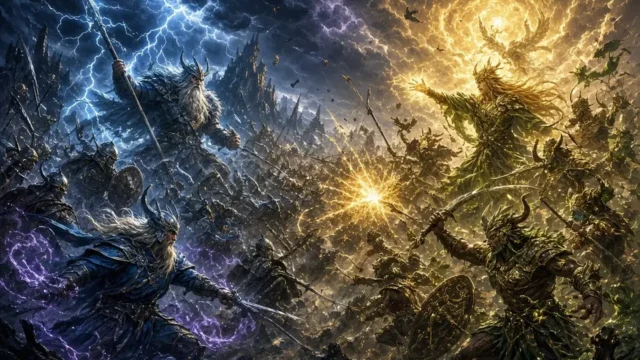
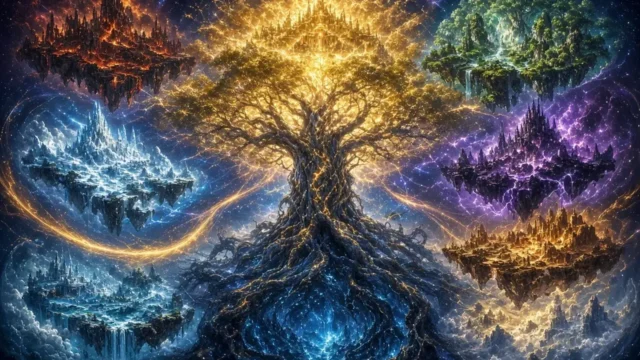
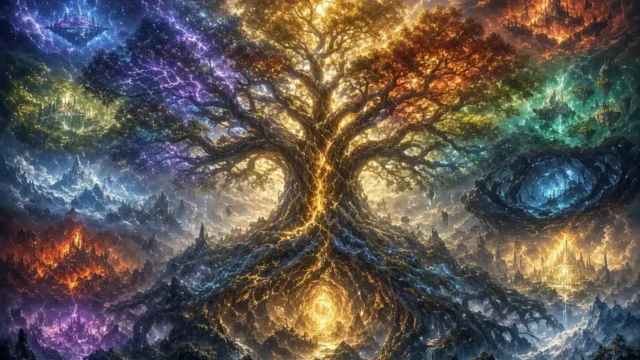
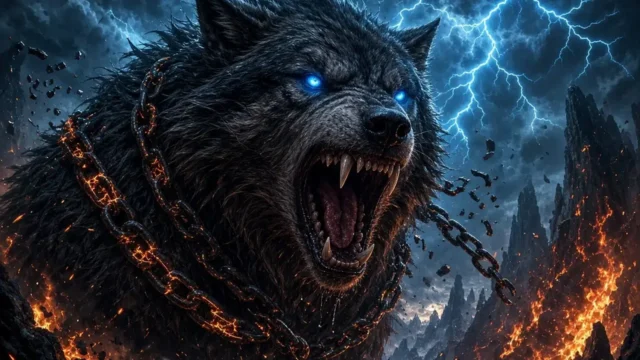
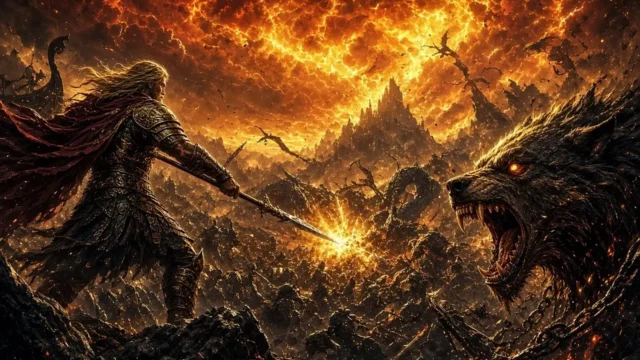
The end-time and renewal tradition includes Baldr and Höðr among figures associated with a world after the destruction of Ragnarök. Their appearance after the cosmic upheaval supplies a remarkable contrast to the tragedy of Baldr’s death. In some readings the renewed relationship symbolizes reconciliation after an age of violence; this is an interpretation and should not be treated as a direct explanation supplied by every text. For readers familiar with video games, the name Baldr or Baldur may come with entirely different family drama, motivations and combat powers. Those are creative adaptations. If you reached this page looking for ‘Baldr Norse mythology images’, a balanced gallery might use an opening portrait, a mistletoe scene, a ship funeral and a renewed-world image. The article should distinguish which narrative episode each picture represents and avoid claiming that one fictional face is the god’s historically exact appearance.
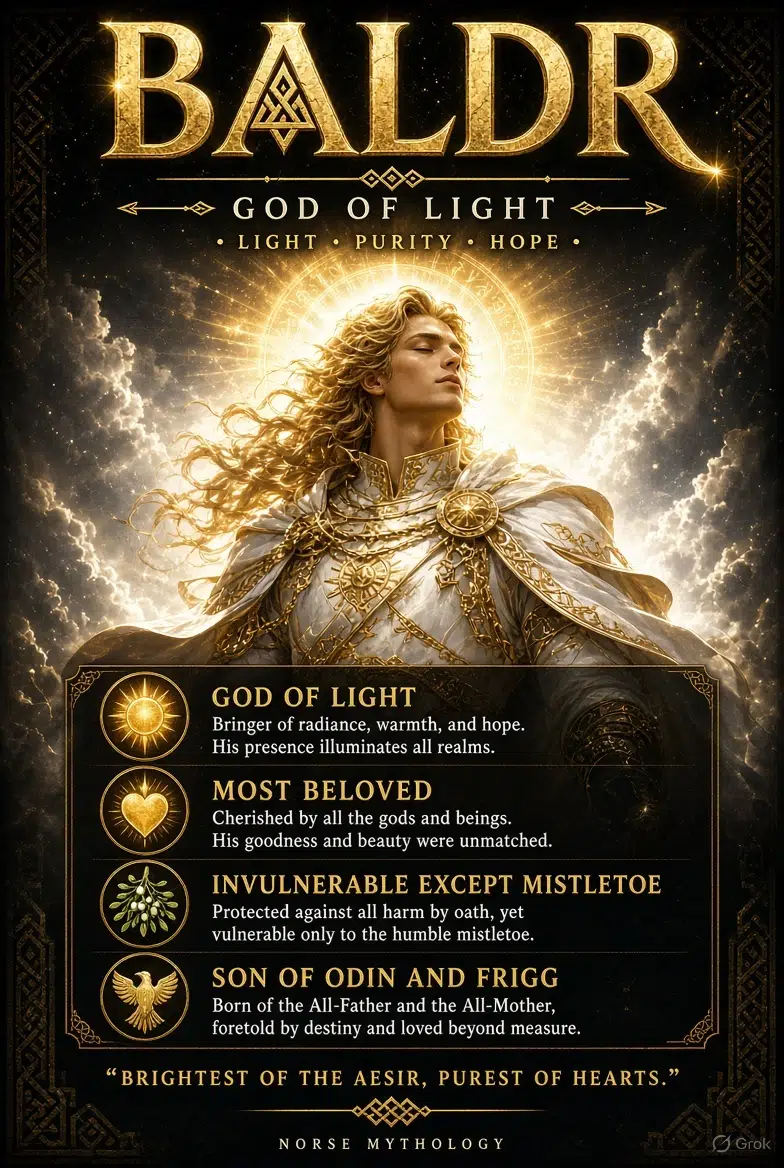
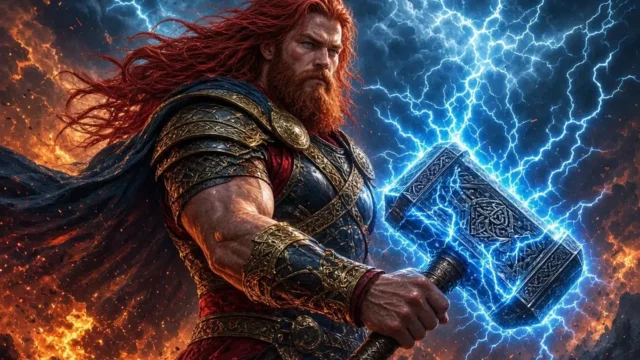
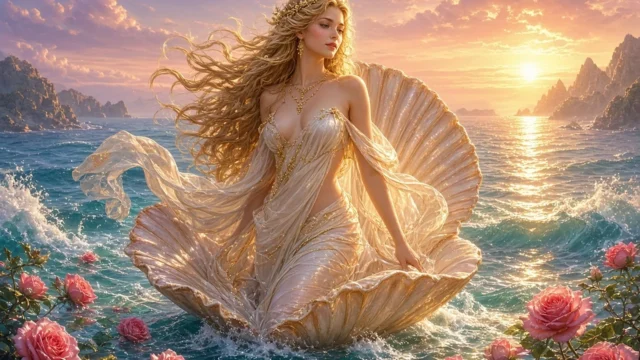
Artwork and source The myths describe Baldr as radiant and beloved. Loki’s plot and Þökk’s refusal to weep are exceptions to any claim that everyone loved him.
Frequently Asked Questions
Who was Baldr in Norse mythology?
A god associated with Odin and Frigg, famous especially for his tragic death and connection to the renewed world.
What killed Baldr?
Mistletoe causes his death in Snorri’s familiar version, after Frigg leaves it out of the protective oaths.
Did Loki kill Baldr?
Loki arranges the killing, but the blind Höðr physically casts the fatal weapon in Snorri’s account.
What happened at Baldr’s funeral?
His body was placed on the ship Hringhorni; the gods mourned and Hyrrokkin helped move the ship.
Why did Baldr remain in Hel?
Hel’s condition required all things to weep; Þökk refused, so the condition was not fulfilled.
Does Baldr return after Ragnarok?
Yes. He is among the figures associated with the renewed world in the surviving poetic tradition.
Conclusion
Baldr’s death matters because a protective promise fails, Loki manipulates a tragedy, and even the gods cannot reverse the result. The story includes a funeral, a perilous journey to Hel and hope in the renewed world. Artwork can portray its emotion, while careful sourcing keeps Snorri’s famous version distinct from Saxo’s alternative.
Sources: Baldr’s death in Snorri’s Gylfaginning; Poetic Edda references to Baldr; Viking Society analysis of Baldr’s death.
Images are imaginative illustrations; other medieval versions differ. 15 November 2026.




Share Your Opinion
Comments are closed on this post.