 Vista

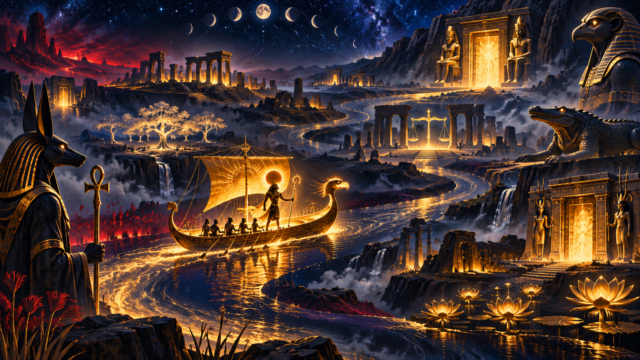
The Egyptian Book of the Dead is the modern name for a collection of funerary spells that ancient Egyptians wrote on papyrus and placed in tombs from about the New Kingdom onward. The Egyptians called it something closer to “Spells for Going Forth by Day”. It was not a single fixed book or a holy scripture read by the living. Each papyrus was a custom selection of spells that helped a dead person pass the dangers of the Duat, win the judgment and live on in the afterlife. And to the question many people search: no, reading it is not dangerous. There is no evidence that these texts can harm a modern reader.
This guide explains what the text was, what the spells contain, the famous Spell 125, the Papyrus of Ani, and why “curse” stories are folklore, not science.
Book of the Dead Quick Facts
| Item | Detail |
|---|---|
| Egyptian title | Often translated “Spells for Going Forth by Day” |
| Period | New Kingdom to Ptolemaic times (roughly 1550 BCE onward) |
| Form | Papyrus scrolls, with text and illustrations (vignettes) |
| Number of spells | Around 190 are known, but no single papyrus has them all |
| Famous example | The Papyrus of Ani (British Museum) |
| Predecessors | Pyramid Texts and Coffin Texts |
What Is the Book of the Dead?
The name “Book of the Dead” was given by 19th-century scholars. It grew out of earlier funerary traditions: the Pyramid Texts carved in royal pyramids and the Coffin Texts painted on coffins. By the New Kingdom, wealthy people, not only kings, could buy a papyrus with the spells they wanted, often decorated with colourful pictures. Scribes copied from models, and the choice and order of spells varied between papyri.
What Do the Spells Do?
| Type of spell | Purpose |
|---|---|
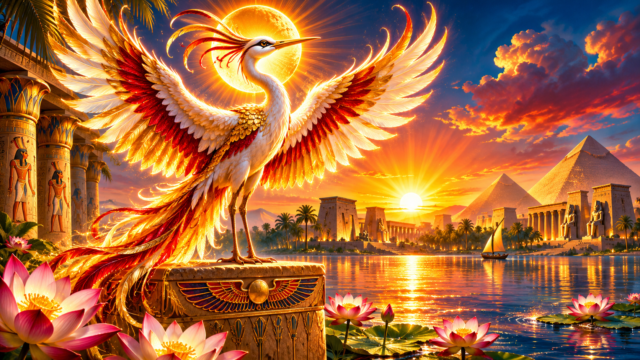
| Transformation spells | Let the dead take forms such as a falcon, a lotus or the Bennu bird |
| Protection spells | Guard the body, the heart and the name; keep away snakes and other dangers |
| Gate and guardian spells | Give the words needed to pass gates in the Duat |
| Judgment spells | Include Spell 30B (heart) and Spell 125 (the declaration of innocence) |
| Everyday afterlife spells | Provide food, air, water and the ability to move freely |
Spell 125 and the Negative Confession
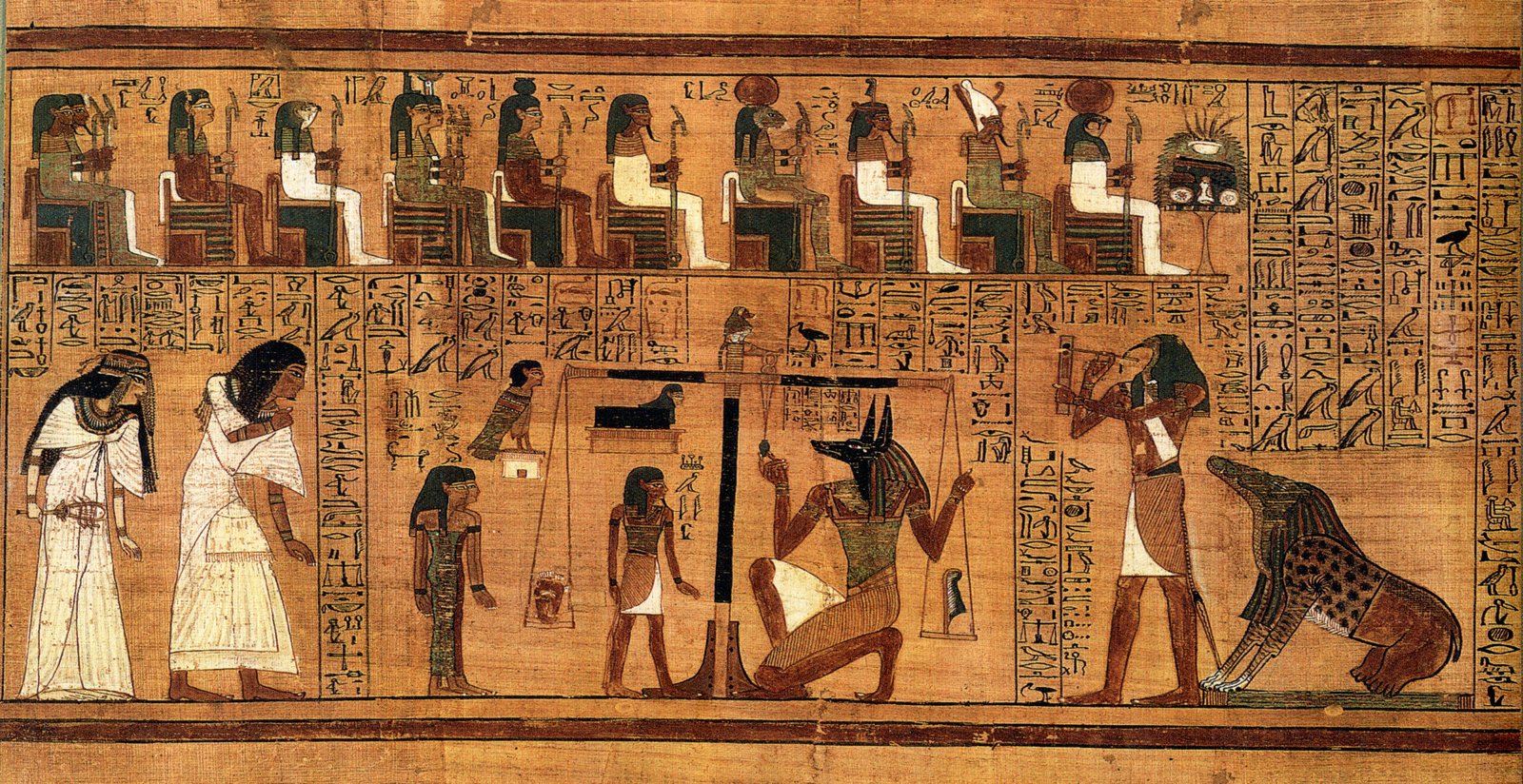
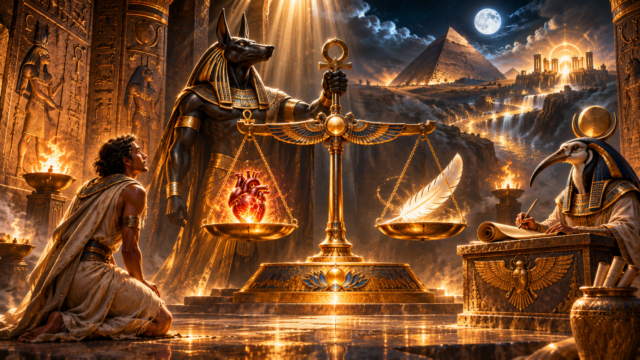
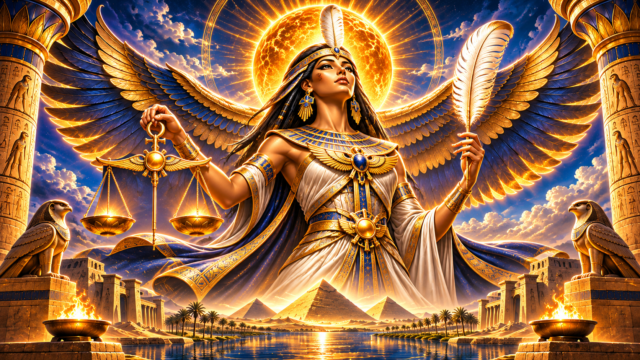
Spell 125 is the best-known spell. In it, the dead person enters the Hall of the Two Truths and declares innocence of many wrongs before 42 divine judges, then addresses the gods directly. It is sometimes called the “Negative Confession”, though scholars today often prefer “declaration of innocence”, because it is not a confession of guilt. It accompanies the picture of the weighing of the heart. See our guides to Ma’at and the weighing of the heart for the full scene.
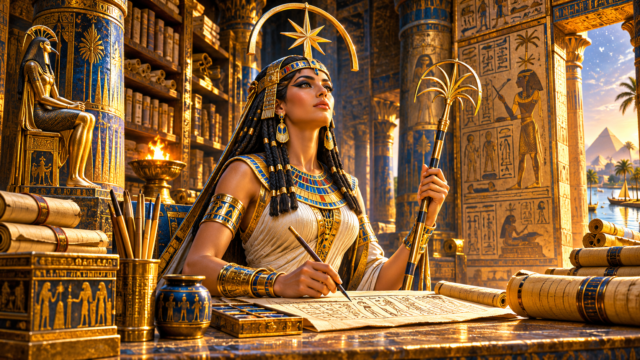
Story box (reconstruction of a workshop): In a scribe’s workshop at Thebes, a client has paid for a papyrus. The scribe takes a model scroll and begins copying the spells in black ink, leaving blank spaces for pictures. The client’s name will be added at the end, in the empty slots. A painter later fills the vignettes with red, blue and gold. When finished, the scroll is rolled and placed in the tomb. The scene is a reconstruction based on how papyri were produced, not a record of one named person.
The Papyrus of Ani
The Papyrus of Ani is a famous New Kingdom manuscript, made for a scribe named Ani, and held today in the British Museum. It is known for its long length and its well-preserved judgment scene. It was acquired and brought to London in the late 19th century. Because it is so often reproduced, many people picture “the Book of the Dead” as this single scroll, but it is just one example among many.
Is It Dangerous to Read the Book of the Dead?
No. The spells were written for dead people in a religious setting. Reading a translation today is like reading any ancient religious text. There is no scientific evidence that reading, reciting or owning a translation can cause harm, curses or hauntings. Stories about “deadly spells” usually come from horror films, such as The Mummy, and from old newspaper myths about “pharaoh’s curses”. Researchers have looked into the curse legend around Tutankhamun’s tomb and found no support for it as a real effect. The sensible precautions are the usual ones: choose a reliable translation, and avoid sellers who claim that a text gives you powers.
History, Mythology and Speculation
| Category | What belongs here |
|---|---|
| History | Papyri, scribal practice, the evolution from Pyramid Texts to Book of the Dead |
| Mythology | The gates, the judgment, transformations and the Field of Reeds |
| Speculation | Claims of hidden powers; “curse” stories; claims that the text predicts modern events |
Myth vs Fact
| Popular claim | Reality |
|---|---|
| It is a single “Egyptian Bible”. | It is a flexible collection of spells, with no fixed canon. |
| Egyptians read it while alive. | It was made for funerary use, though some spells may have been used in rituals. |
| Reading it summons curses. | No evidence supports this. It is a popular-culture idea. |
| “Book of the Dead” is its ancient name. | It is a modern name given by scholars. |
| It contains hidden prophecies. | It contains religious spells, not predictions. |
Frequently Asked Questions About the Book of the Dead
What is the Egyptian Book of the Dead?
A collection of funerary spells on papyrus meant to help the dead in the afterlife.
Is the Book of the Dead dangerous to read?
No. There is no evidence that reading it harms anyone. Fear stories come from fiction and folklore.
What is Spell 125?
The declaration of innocence made in the Hall of the Two Truths, linked with the weighing of the heart.
How many spells are there?
Around 190 spells are known, but each papyrus contains only a selection.
Who wrote the Book of the Dead?
Many anonymous scribes and priests over centuries. There is no single author.
Where is the Papyrus of Ani?
It is in the British Museum in London.
Can I read a translation?
Yes. Translations by Egyptologists are widely available, and reading them is safe.
Is the pharaoh’s curse real?
No scientific evidence supports a real curse. Early deaths linked to tomb openings have ordinary explanations and were amplified by the press.
Reliable Sources
- World History Encyclopedia: Egyptian Mythology
- Egypt Exploration Society: Gods of Egypt
- The Metropolitan Museum of Art: Divine Egypt
Last updated: 25 November 2026. Related reading on Vista Hub: our guides to the weighing of the heart, Ma’at, Anubis, the Duat and Egyptian mummification.
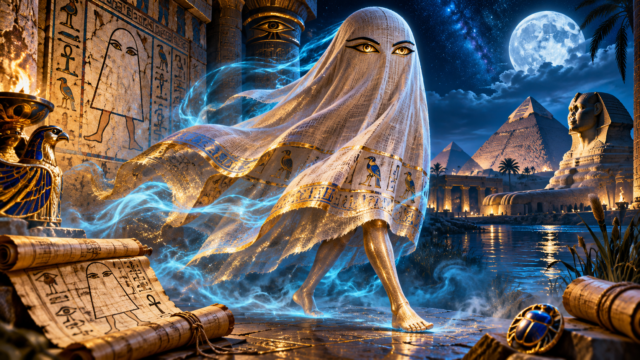
Related guides: Medjed: The Mysterious Egyptian Ghost-Like Being — What the Sources Say and How It Became a Meme · Egyptian Afterlife Explained: Ka, Ba, Akh, the Field of Reeds and the Journey of the Dead












Share Your Opinion
Comments are closed on this post.