 Vista

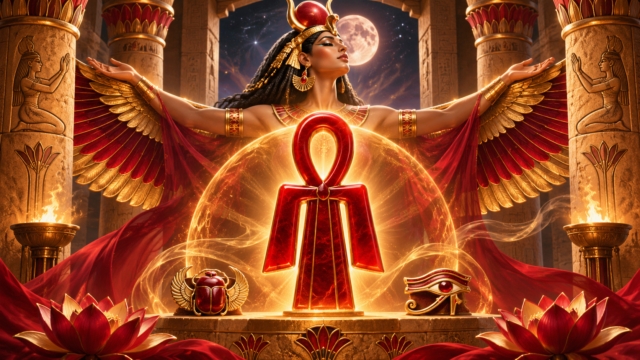
The ankh is the ancient Egyptian hieroglyph and symbol for “life”. It looks like a cross with a loop at the top, which is why it is often called the “Egyptian cross” or “key of life”. In Egyptian art, gods hold the ankh to the nose or mouth of a king, as if giving the breath of life. The ankh was also the word for “to live”, and it appears in names such as Tutankhamun (“living image of Amun”). Its exact origin is unknown, and claims that wearing an ankh brings health or power have no scientific support.
This guide explains the meaning, the main origin theories, how it was used, how it became linked with Christianity and modern culture, and which claims are myths.
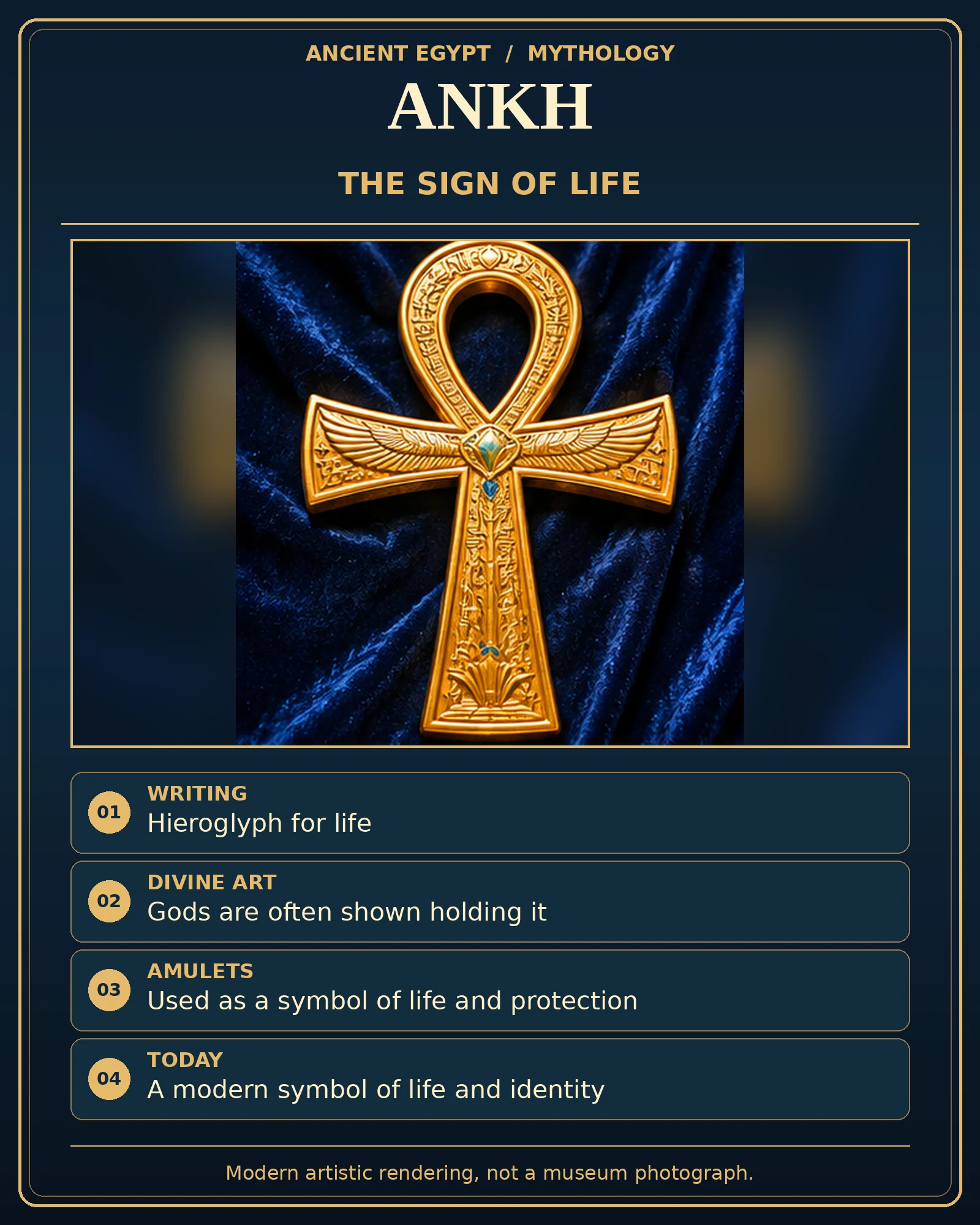
Ankh Quick Facts
| Item | Detail |
|---|---|
| Meaning | Life; also used in words for “live” and “mirror” |
| Shape | A looped top over a T-shaped cross |
| In art | Held by gods; offered to the king’s nose; carried on offering scenes |
| Origin | Unknown; several theories |
| Later use | Adopted by Coptic Christians; popular in modern jewellery |
| Related symbols | Djed (stability) and was sceptre (power), often shown together |
What Does the Ankh Mean?
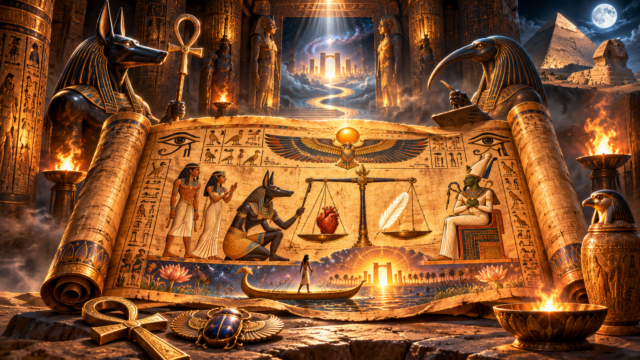
At its core, ankh means “life”, in both the physical and the eternal sense. In temple reliefs, a god may hold the ankh to the king’s face to show that life comes from the gods. Rows of ankh signs often appear in blessings such as “life, prosperity, health”. Because Egyptians linked life with the afterlife, the ankh also appears on coffins and in tombs, where it supports the wish for continued life after death. Our guides to the Egyptian afterlife and Ba, Ka and Akh explain the wider beliefs.
Where Did the Ankh Come From?
No one knows for sure. Several theories exist:
- A sandal strap: the loop is the strap and the bar is the sandal, since the Egyptian words for sandal strap and life sound alike. This is a popular scholarly suggestion, but it is not proven.
- A knot or tied cloth, like the tyet.
- A representation of a mirror or other object, because the word ankh was also used for a mirror.
- Symbolic ideas, such as the union of male and female. This is a modern interpretation with weak evidence.
Story box (reconstruction of a temple scene): In a relief, a god stands facing the king. In one hand, the god holds a small ankh, and lifts it to the king’s nose. The carving shows no words being spoken, but the meaning is clear to anyone who knows the sign: the god gives breath and life. Behind them, rows of tiny ankh signs fall like rain from the sky. This scene is a description of how reliefs are commonly drawn, not a record of one event.
The Ankh and Akhenaten’s Aten
In the reign of Akhenaten, images of the sun disc Aten show rays ending in tiny hands. Some of these hands hold ankh signs to the noses of the king and queen. This is one of the best-known uses of the sign in art and shows how life was thought to flow from the sun.
The Ankh and the Coptic Cross
Early Christians in Egypt, the Copts, used a form of the ankh as a cross, sometimes called the crux ansata. Because both symbols are linked with life and resurrection, the overlap was natural. This does not mean that the Christian cross comes from the ankh. The cross has its own history, and the Egyptian symbol was adapted by some local communities.
Ankh Jewellery and Claimed Benefits
Today the ankh is a popular pendant and tattoo, often connected to spirituality or heritage. Sellers sometimes claim that it brings health, energy or protection. There is no scientific evidence for such effects. The ankh was an Egyptian religious and cultural sign, and wearing it is a personal or cultural choice, not a medical or magical treatment.
History, Mythology and Speculation
| Category | What belongs here |
|---|---|
| History | Use in hieroglyphs, reliefs, names and coffins; Coptic use |
| Mythology | Gods giving the breath of life; the sign as part of divine blessing |
| Speculation | The sandal strap origin; sexual symbolism; claims of hidden energy |
Myth vs Fact
| Popular claim | Reality |
|---|---|
| The ankh’s origin is known. | It is debated and unresolved. |
| The Christian cross comes from the ankh. | The Coptic cross adapted the ankh, but the Christian cross has a separate origin. |
| Wearing an ankh heals or protects. | No scientific evidence supports this. |
| The ankh is a key that opens the afterlife. | “Key of life” is a modern nickname, since the sign means life. |
| The ankh is only for pharaohs. | It appears on many kinds of objects and in many contexts. |
Frequently Asked Questions About the Ankh
What does the ankh symbol mean?
Life, including life after death.
Why is it called the key of life?
It is a modern nickname based on its shape, and the Egyptian word simply means life.
Where did the ankh come from?
Its origin is unknown. A sandal strap is one popular theory.
Is the ankh a cross?
It looks like one, and Coptic Christians used a version of it, but it is a separate Egyptian symbol.
Which gods hold the ankh?
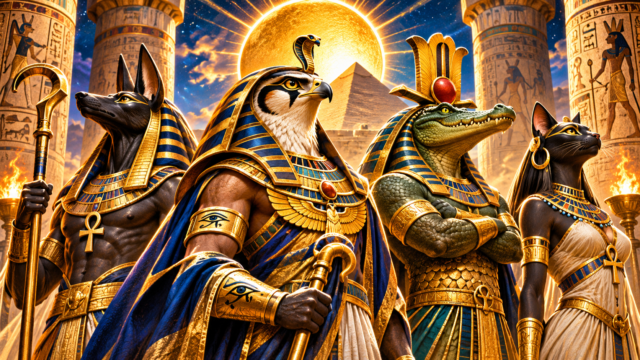
Many gods are shown with it, as a sign that they can give life.
Does wearing an ankh have benefits?
There is no scientific evidence of health or protective effects. It is a cultural symbol.
What does Tutankhamun’s name have to do with the ankh?
His name includes the word ankh and means roughly “living image of Amun”.
Is the ankh the same as the tyet?
No, but they look alike. The tyet is the knot of Isis and has its own meaning.
Reliable Sources
- World History Encyclopedia: Egyptian Mythology
- Egypt Exploration Society: Gods of Egypt
- The Metropolitan Museum of Art: Divine Egypt
Last updated: 25 November 2026. Related reading on Vista Hub: our guides to the Tyet knot, Egyptian symbols, the Egyptian afterlife and Egyptian hieroglyphics.
Related guides: Ouroboros: The Ancient Symbol of the Serpent Eating Its Tail — Egyptian Origins, Meaning and History · Egyptian Symbol Finder and Meaning Dictionary











Share Your Opinion
Comments are closed on this post.