 Vista

Tutankhamun’s treasure is the collection of several thousand objects found in his tomb (KV62) in the Valley of the Kings, discovered by Howard Carter’s team in 1922. The best known pieces are the gold funerary mask, the gilded wooden shrines around the sarcophagus, the golden throne, jewellery, chariots, weapons and furniture. The tomb is important because it was found largely intact, unlike most royal tombs that were robbed in antiquity. Its monetary value is not something that can be stated reliably, because the objects are unique and are not for sale.

Treasure Quick Facts
| Item | Detail |
|---|---|
| Tomb | KV62, Valley of the Kings |
| Discovered | November 1922 by the Carter and Carnarvon team |
| Objects | Several thousand items catalogued over about ten years |
| King | Tutankhamun, 18th Dynasty, reigned about 1332–1323 BCE |
| Today | Held in Egyptian museum collections; check current location before travel |
Famous Pieces
| Object | Why it matters |
|---|---|
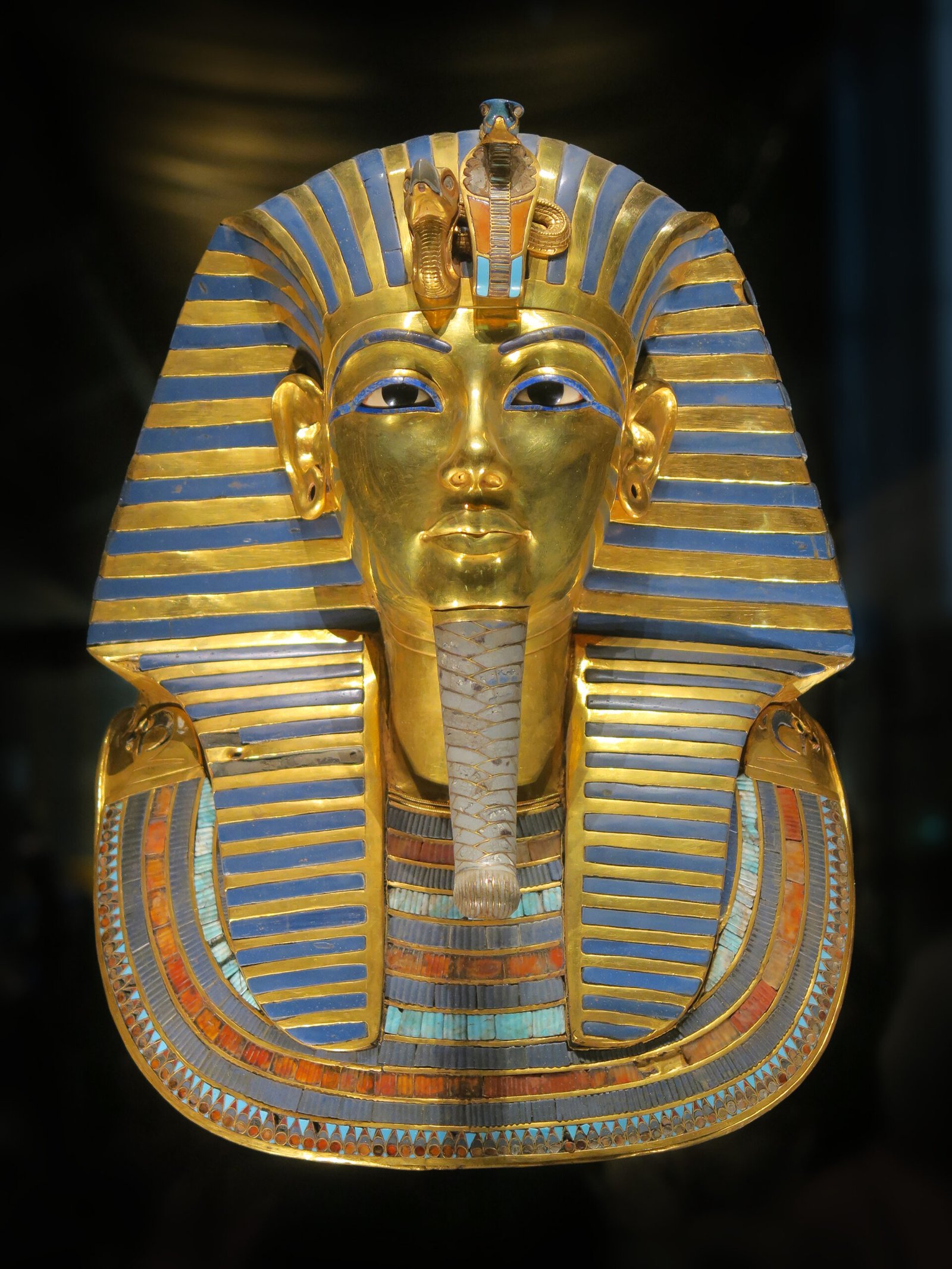
| Gold funerary mask | Shows royal portrait style, with inlays of stone and glass |
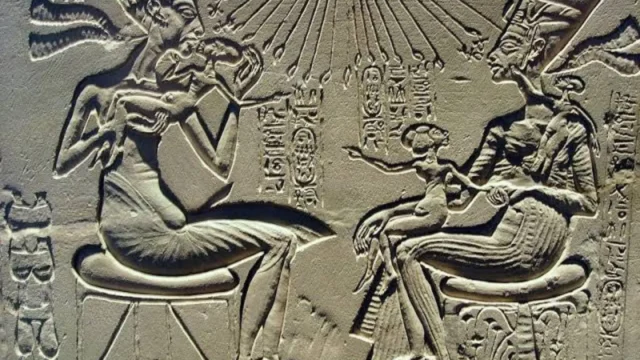
| Golden throne | Decorated with a scene of the king and queen, reflecting the Amarna-era style |
| Coffins | Nested coffins, the innermost of solid gold |
| Shrines | Gilded wooden shrines around the sarcophagus |
| Canopic shrine | Protected by four goddesses, including Serket |
| Chariots, weapons | Show military and hunting culture |
The mask is made largely of gold with lapis lazuli, carnelian and coloured glass. Figures about its weight are often given in the range of around 10 kilograms, but check a museum source before quoting precise numbers.
Why Was the Tomb So Rich?
Egyptians believed the king needed everything for the next life: food, furniture, clothing and symbols of power. Tutankhamun died young, and his tomb was probably prepared in a hurry, partly with items made for others. His tomb survived because debris from later construction covered its entrance, even though thieves had entered at least twice soon after the burial. This tells us about burial customs more than about the size of his reign.
Story box (retold from the discovery account): Carter looks through a small opening into the sealed room by candlelight. Lord Carnarvon asks if he can see anything. Carter’s reply is often quoted as “wonderful things”. This is the famous retelling of the moment; check the original diary and notes for the exact wording.
What Is the Treasure Worth?
Articles often quote large dollar figures, but there is no market price because the objects are national heritage and cannot be sold. Their value lies in what they tell historians about royal life, craft and religion. Treat any specific “worth” number with caution.
How archaeologists documented the treasure
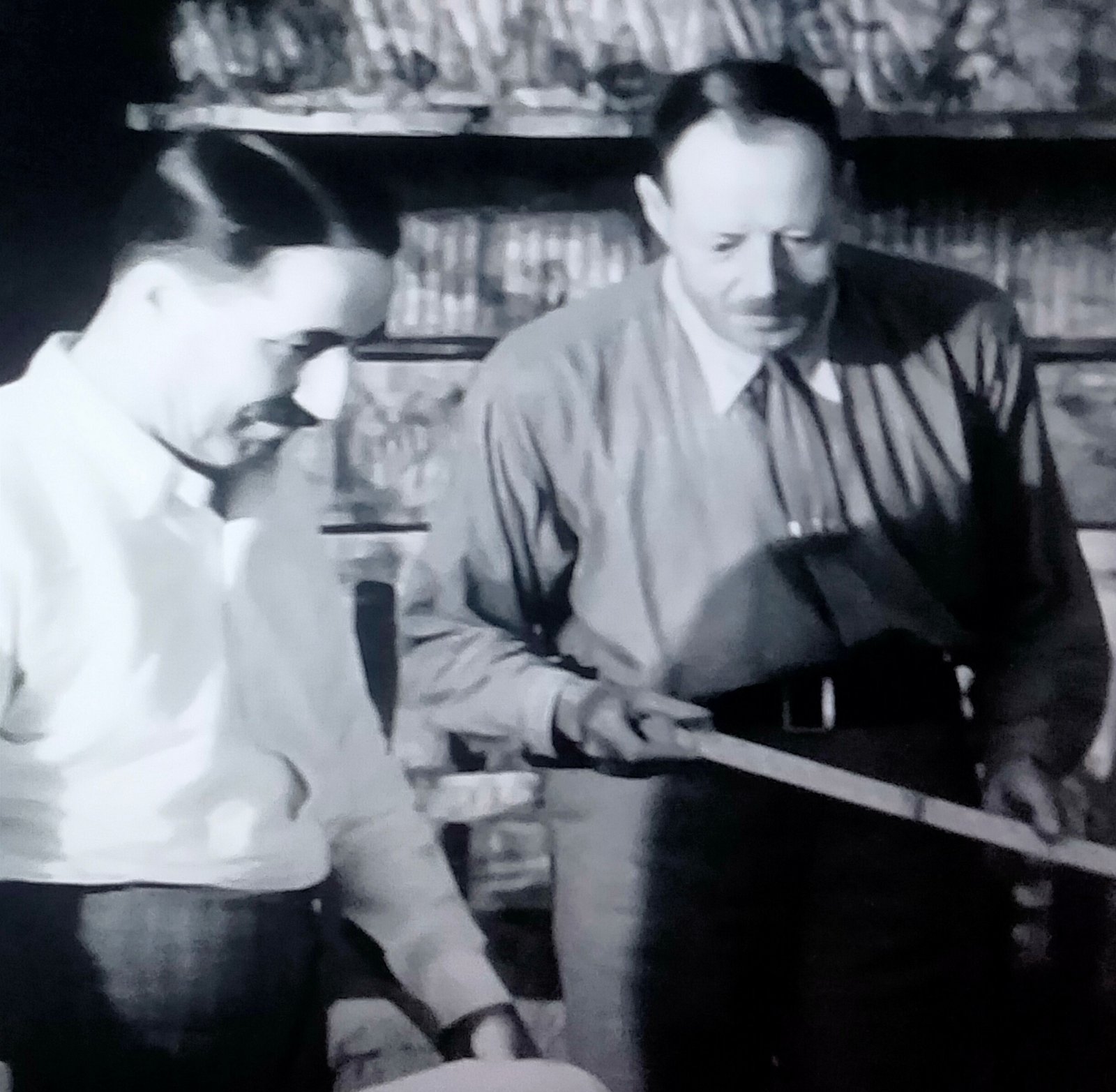
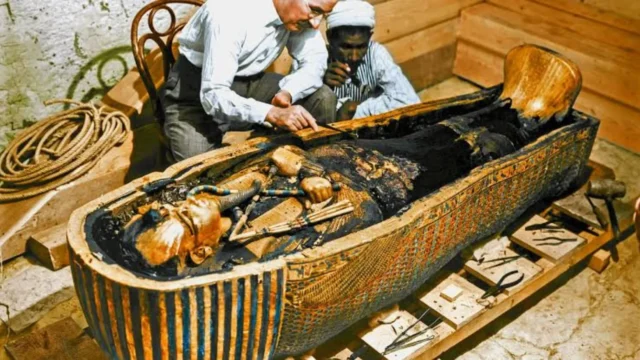
The Griffith Institute preserves Carter’s diaries, object records and Harry Burton’s excavation photographs. These documents allow a reader to distinguish the original location of an object from its later museum display. A photograph of a shrine in the tomb, for example, records the relationship between that shrine and surrounding burial equipment.
The treasure is therefore more than a quantity of gold. Chests, furniture, food containers, clothing and ceremonial objects reveal craft techniques and ideas about royal life and burial. Museum descriptions and the excavation archive are better evidence than speculative price estimates. When comparing images online, look for the Carter object number, the source institution and the date of the photograph. Not every photograph of the excavation was taken in 1922.
Original references: Source 1
History, Mythology and Speculation
| Category | What belongs here |
|---|---|
| History | 1922 discovery, cataloguing, conservation |
| Mythology | Afterlife beliefs, protective goddesses, spells |
| Speculation | Hidden chambers behind the walls, “curse” claims, treasure price tags |
Myth vs Fact
| Popular claim | Reality |
|---|---|
| Tutankhamun was a great conqueror. | He was a young king whose tomb was unusually intact. |
| The treasure is cursed. | See our fact check on the curse. |
| All the treasure is pure gold. | Many objects are wood, glass, stone and gilt. |
| The mask is for sale or can be valued. | It is a protected national treasure. |
Frequently Asked Questions About Tutankhamun’s Treasure
How many objects were found?
Several thousand, catalogued over many years.
What is the gold mask made of?
Gold with lapis lazuli, carnelian and glass inlays.
Where is the treasure now?
In Egyptian museum collections; check the Grand Egyptian Museum and official sources for the current display.
Why was the tomb intact?
Debris covered its entrance, which helped hide it from later robbers.
How much is it worth?
It is priceless heritage; no reliable market value exists.
Was there more treasure left to find?
Radar searches for hidden rooms have had unclear results; none has been confirmed.
Who was Tutankhamun?
A young 18th Dynasty king; see our family guide.
Can I see replicas?
Yes; touring exhibitions and museum replicas exist, but check that they are labelled as copies.
Reliable Sources
- World History Encyclopedia: Egyptian Mythology
- Egypt Exploration Society: Gods of Egypt
- The Metropolitan Museum of Art: Divine Egypt
Last updated: 25 November 2026. Related reading on Vista Hub: Tutankhamun’s curse, Nefertiti and Tutankhamun, Egyptian pharaohs.
Related guides: Egyptian Mythology · Egyptian Gods and Goddesses












Share Your Opinion
Comments are closed on this post.