 Vista
Greek mythology images are a powerful way to explore stories of gods, goddesses, heroes, monsters and the ancient Greek world. This illustrated Greek mythology picture gallery brings together 38 visual topics with large 16:9 artworks and a direct link to each complete story. Browse portraits of Zeus, Athena, Poseidon, Hades, Apollo, Artemis, Aphrodite, Hera, Hermes and Ares; images of famous heroes such as Hercules, Achilles, Perseus and Odysseus; and mythology monster pictures including Medusa and the Minotaur.
Whether you are searching in the US or UK for Greek gods pictures, Greek goddess images, Greek myth illustrations, mythology wallpapers, Greek heroes images, Greek mythology characters or a beginner-friendly visual guide, the sections below help you find the right story quickly. Every large picture links to its own detailed English article. The stories discuss ancient literary sources and important differences between Greek and later Roman retellings. Images are newly created artistic interpretations of the myths, not photographs of historical supernatural events or genuine ancient artworks.
This gallery is designed as a single-column, mobile-friendly visual feed: one large image, an informative caption, a short explanation and the actual published story link. No confusing double-grid. Scroll through all 38 topics or jump directly to gods, heroes, monsters, creation myths and comparisons. The goal is to make Greek mythology pictures useful, not merely decorative.
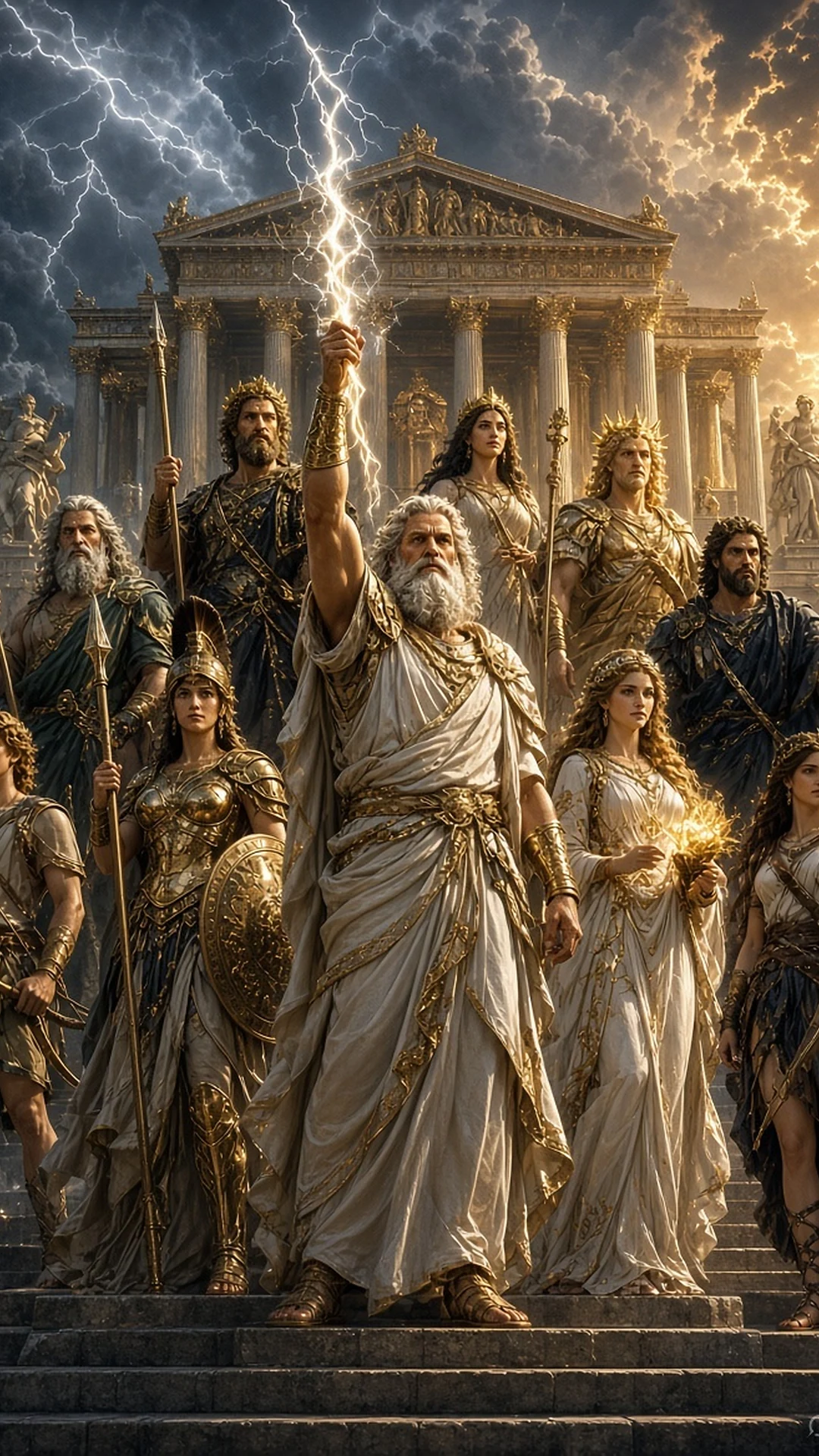
Start Here: Greek Mythology Visual Guides
The main overviews, gods list and family tree help you identify the characters before reading individual legends.

Greek Mythology Explained: Gods, Stories and Meaning for Beginners
Explore a complete beginner-friendly introduction to the Olympian gods, ancient stories and mythical meaning. This illustrated starting point explains how Greek mythology connects heroes, monsters, divine families and different early sources without treating supernatural events as established history.

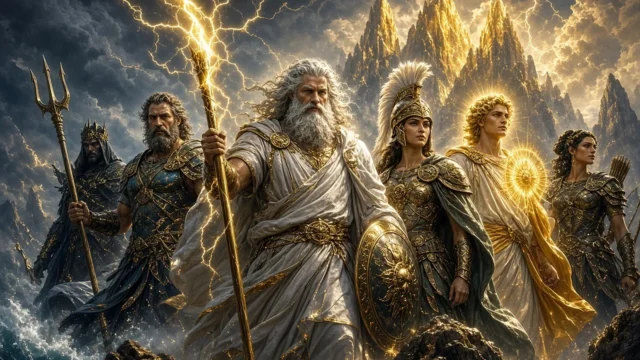
Greek Gods and Goddesses List: Names, Powers and Symbols
See a visual guide to Greek gods and goddesses with recognizable names, responsibilities and symbols. The linked article covers Zeus, Hera, Poseidon, Athena, Apollo, Artemis and other figures, explaining why Greek and Roman names are not always interchangeable.
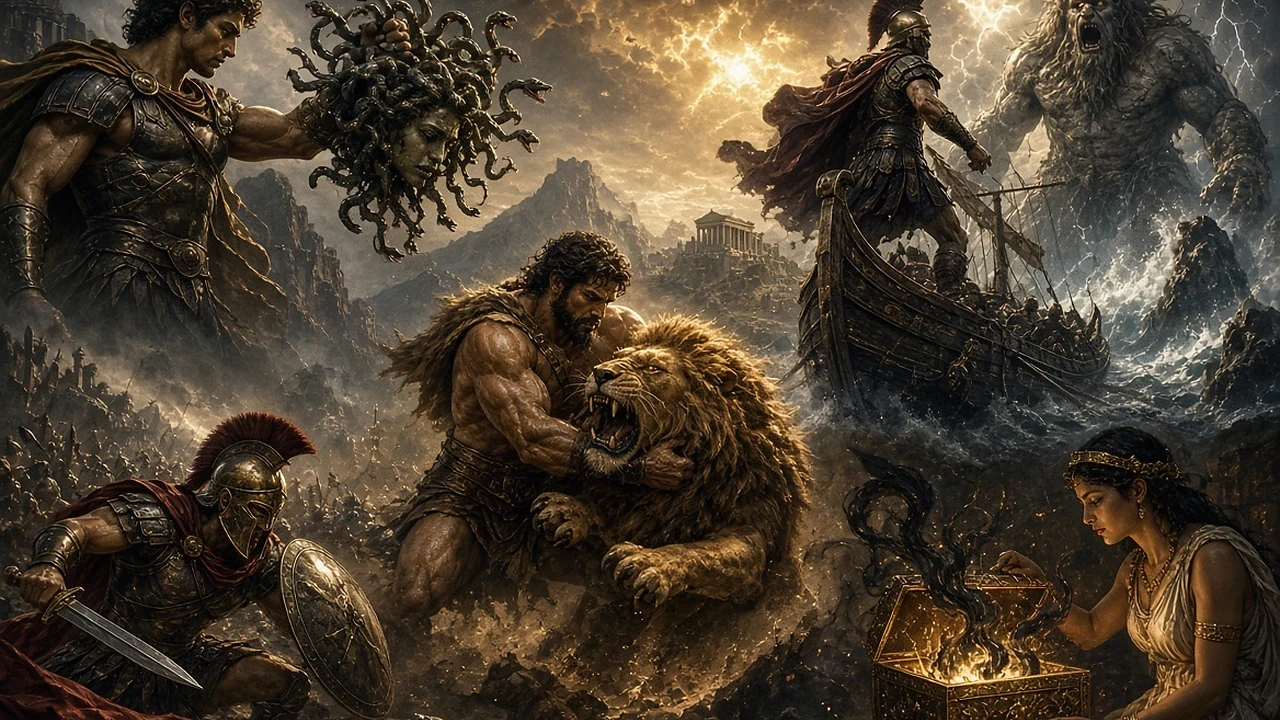
Greek Mythology Stories: Famous Myths, Heroes and Lessons
Discover the famous Greek myths through one story-led illustration. The full article introduces memorable legends, heroic journeys, divine quarrels and the difference between a myth’s symbolic meaning and the historical evidence for ancient Greek religious practices.

Greek Mythology Family Tree Explained: Titans, Olympians and Zeus
Use this family-tree-themed Greek mythology picture to understand the relationships among primordial powers, Titans and Olympians. The guide traces Chaos, Gaia, Cronus, Rhea, Zeus and the next divine generation, noting where different ancient genealogies disagree.
Greek Gods and Goddesses Pictures
Explore the Olympian gods, their powers, symbols and the cultural stories associated with each name.
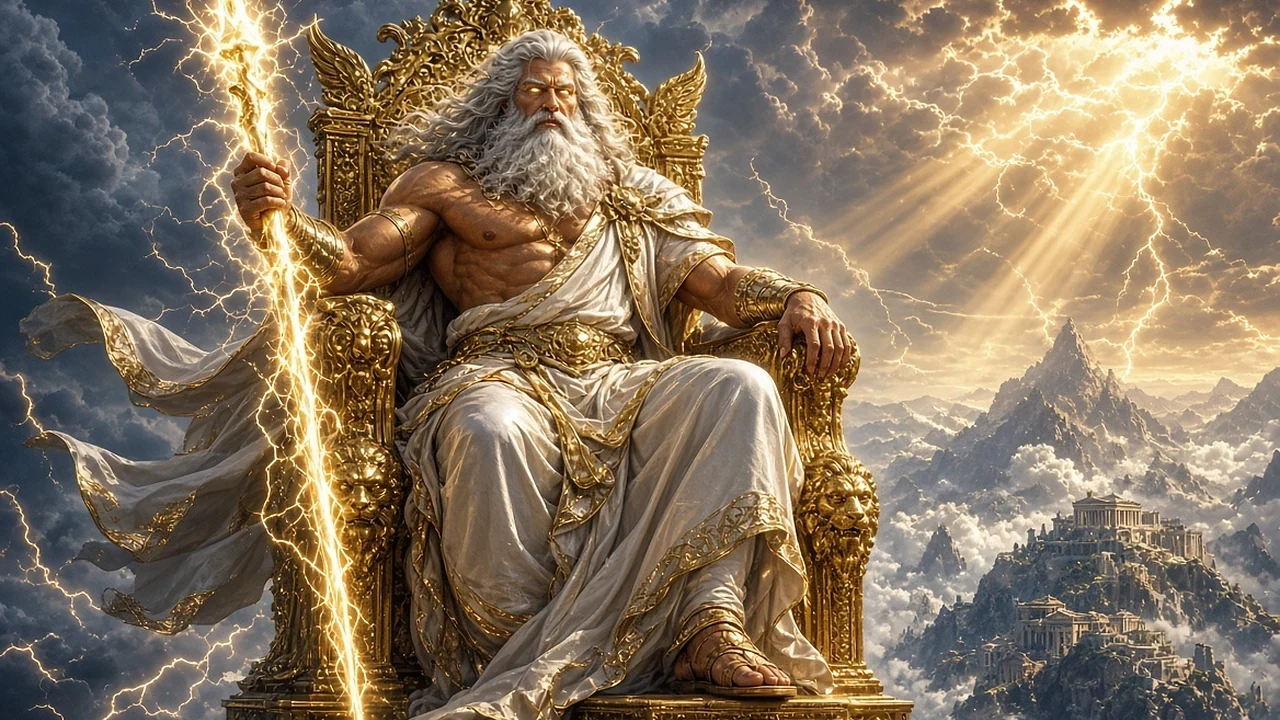
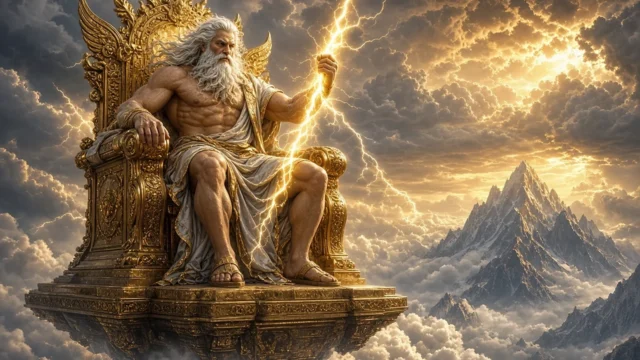
Zeus Greek Mythology: Birth, Powers, Family and the King of Gods
View an illustration of Zeus, ruler of the Olympian gods and a figure associated with thunder, authority and divine order. Follow the full story of his escape from Cronus, rise to power, important relationships and recurring appearances in Greek myths.
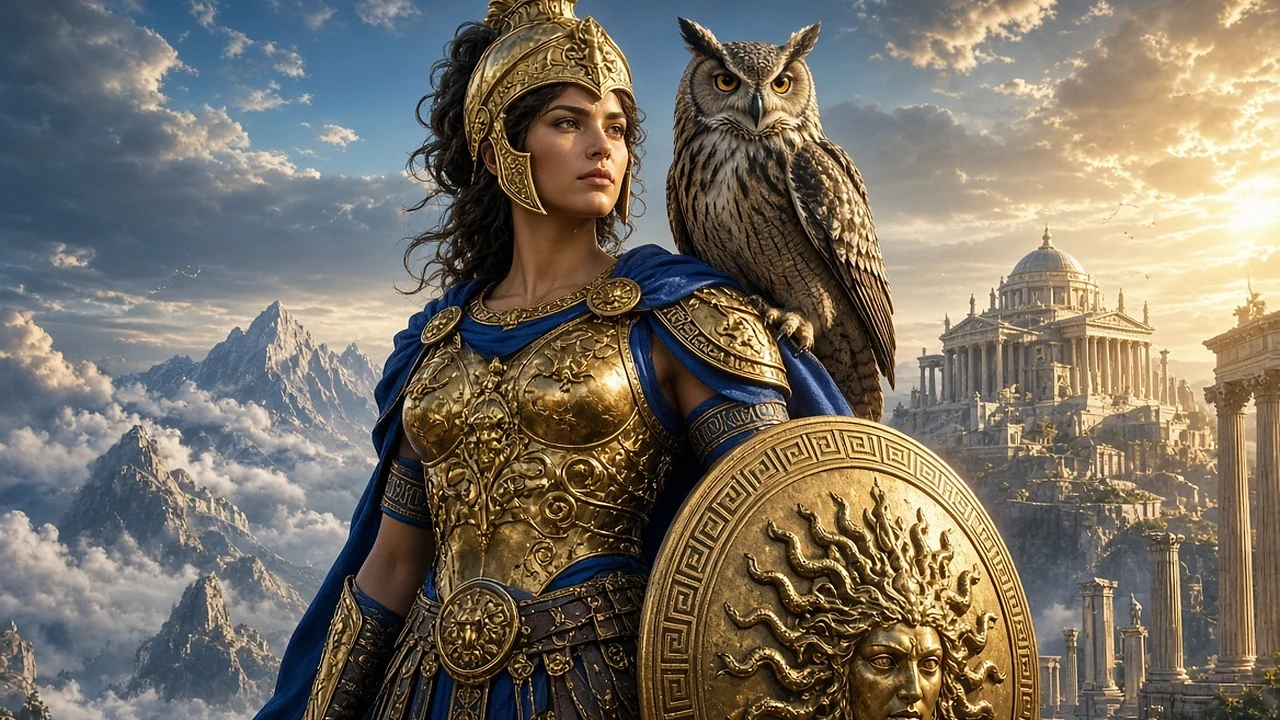
Athena Greek Mythology: Birth, Powers, Symbols and Medusa Myth
This Athena image introduces the Greek goddess associated with wisdom, crafts, strategy and the city of Athens. Explore her unusual birth, traditional owl and helmet imagery, her role in heroic quests and how older sources differ on the Medusa story.
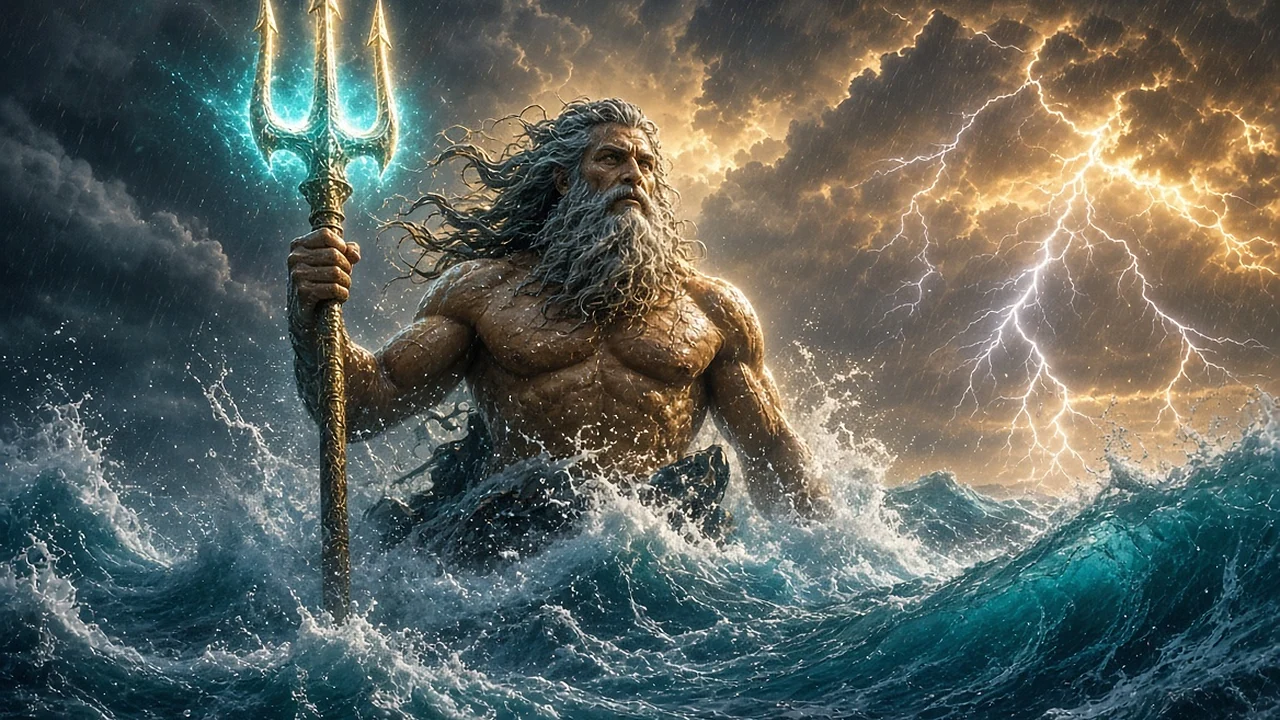
Poseidon Greek Mythology: Sea God, Trident, Powers and Story
See Poseidon, the Greek sea god associated with the trident, earthquakes and storms in legendary narratives. This illustrated guide explores his place among Zeus and Hades, his contest with Athena and his involvement in Odysseus’s difficult return home.
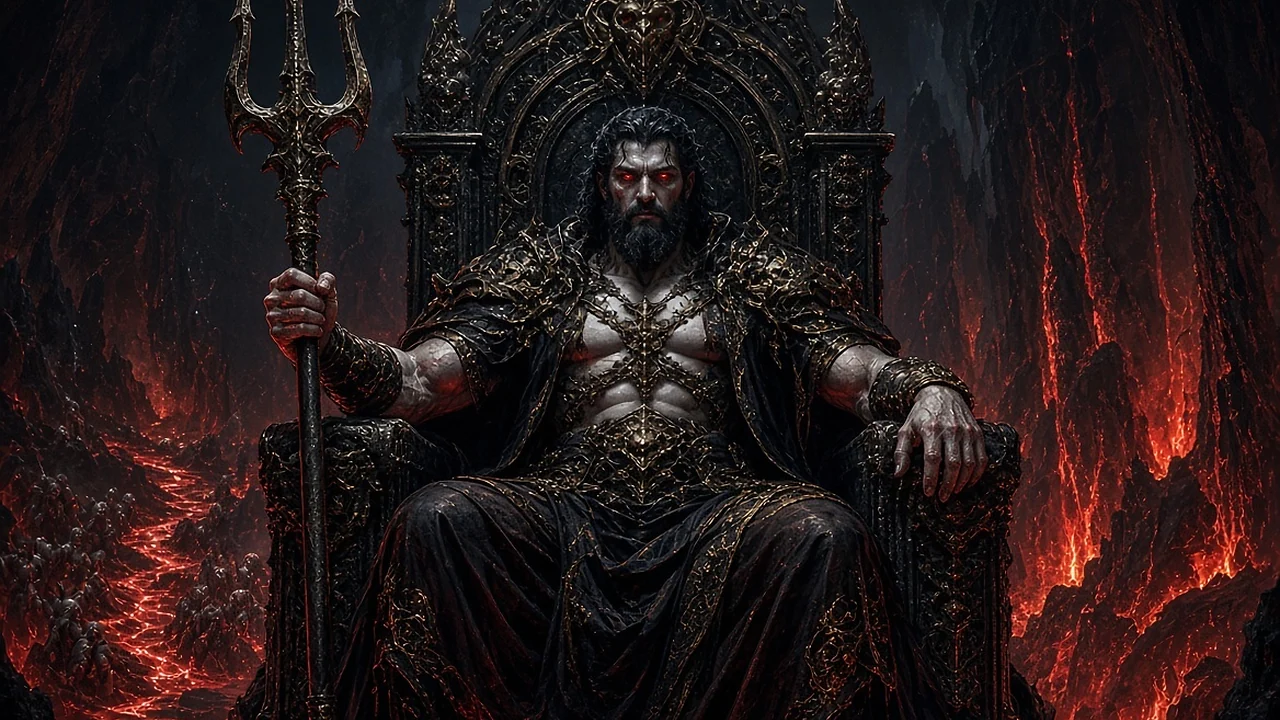
Hades Greek Mythology: Underworld God, Persephone and His Powers
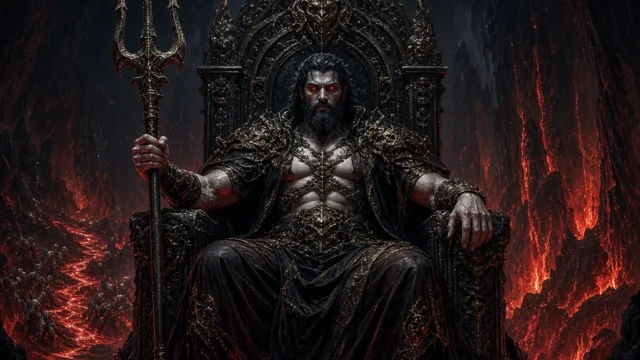
Discover a Hades illustration and the Greek underworld’s ruler, often misrepresented as a simple equivalent of a devil. The linked story explains Hades’s realm, his family, key underworld figures and his relationship to Persephone in named mythic traditions.
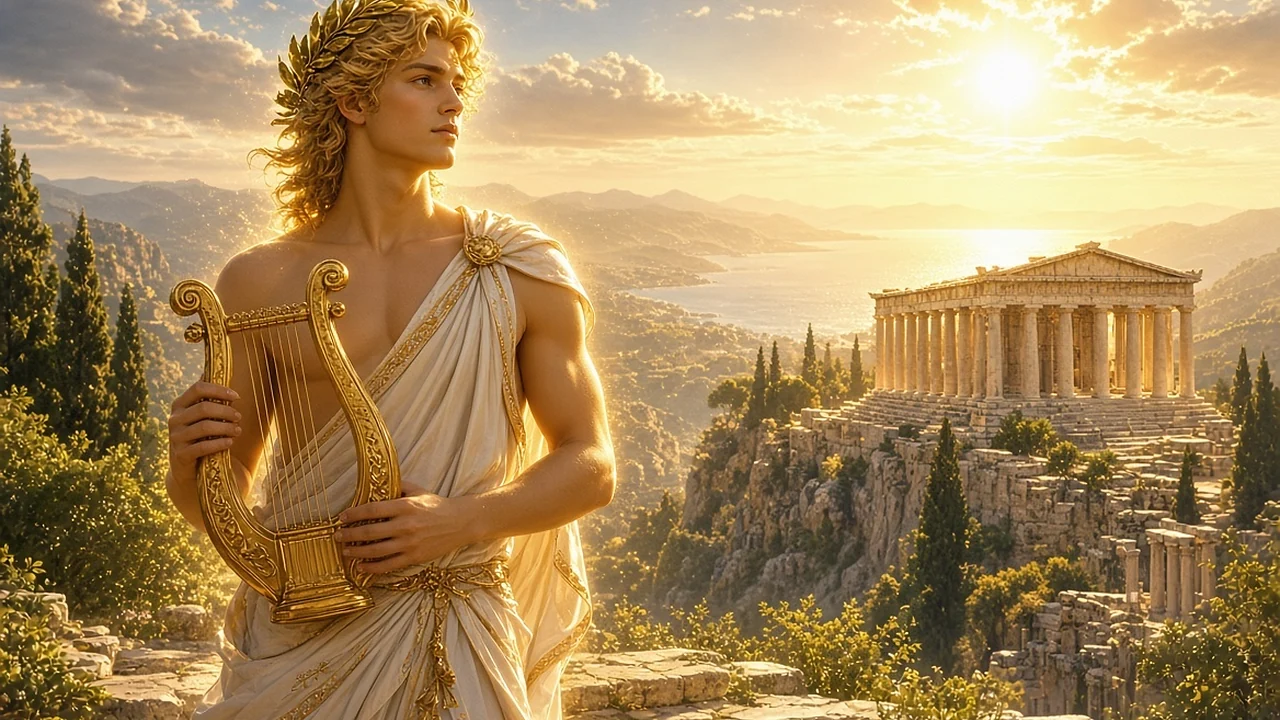
Apollo Greek Mythology: God of Music, Prophecy, Healing and Sun
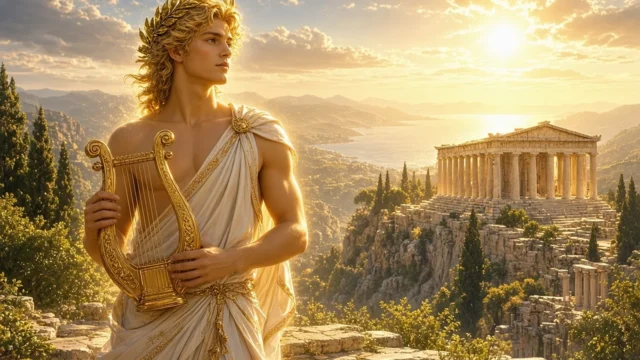
This Apollo picture links to his Greek mythology profile as a deity of music, prophecy and healing. Learn about Delphi, the lyre, his twin Artemis and the historical complexity of associating Apollo directly with the separate early sun god Helios.

Most Powerful Greek Gods Ranked? Zeus, Poseidon, Hades and More
Compare Zeus, Poseidon, Hades, Athena and other Olympian figures through their domains and documented stories. The linked article explains why ancient texts do not provide a universal video-game-style power ranking and how different forms of divine strength are portrayed.

Aphrodite Greek Mythology: Sea-Foam Birth, Powers and Venus
See Aphrodite, the goddess of beauty and desire, in a Greek mythology image inspired by ancient art. The linked profile compares Hesiod’s sea-foam birth with Homer’s Zeus–Dione genealogy and explains Venus, Ares, Paris and the Trojan War connection.
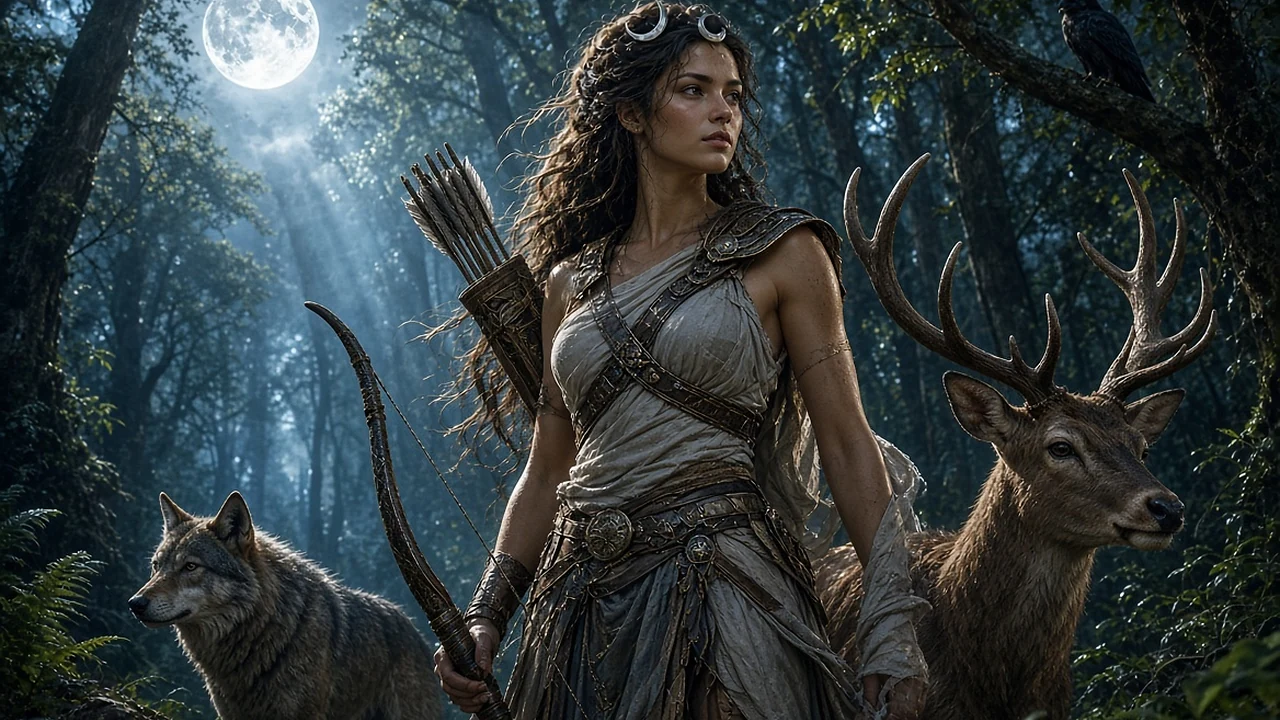
Artemis Greek Mythology: Hunt Goddess, Apollo’s Twin and Moon Myth
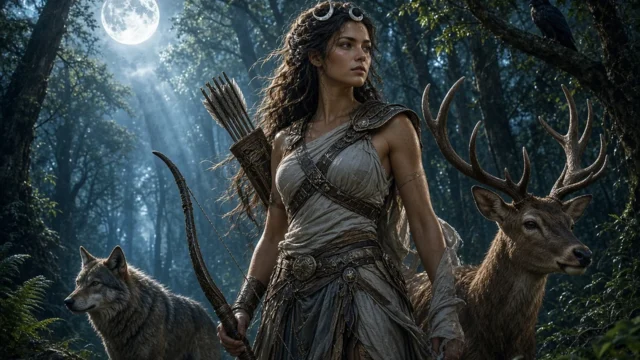
The Artemis illustration introduces a goddess of hunting, wilderness and protection of young people. Her mythology includes Apollo, Actaeon, Niobe, Diana and the important distinction between Artemis’s later lunar symbolism and the older moon goddess Selene.
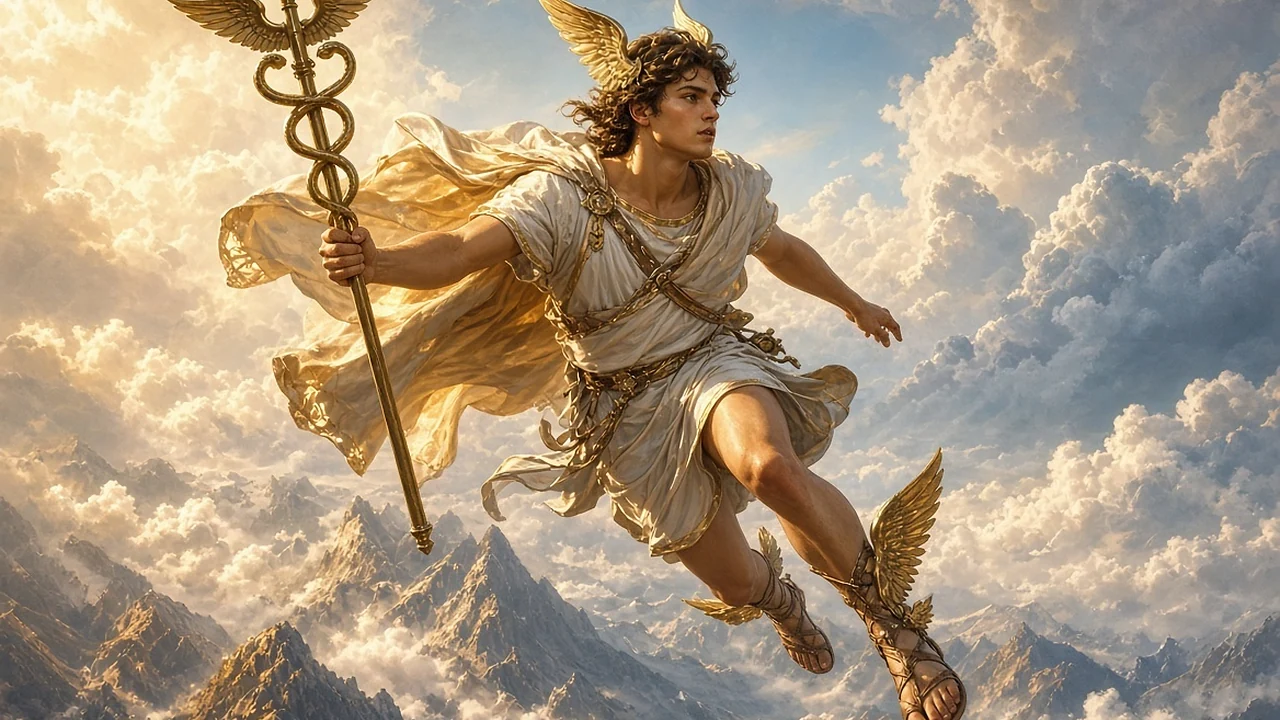
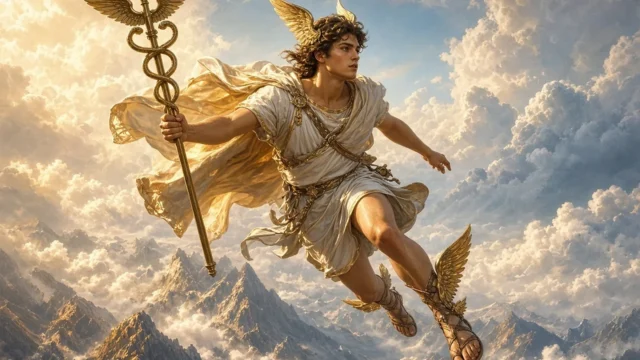
Hermes Greek Mythology: Messenger God, Winged Sandals and Caduceus
Discover Hermes in a Greek gods picture associated with travel, commerce and the caduceus. Follow his surprising newborn invention of the lyre, theft of Apollo’s cattle and role guiding heroes and souls toward the underworld.
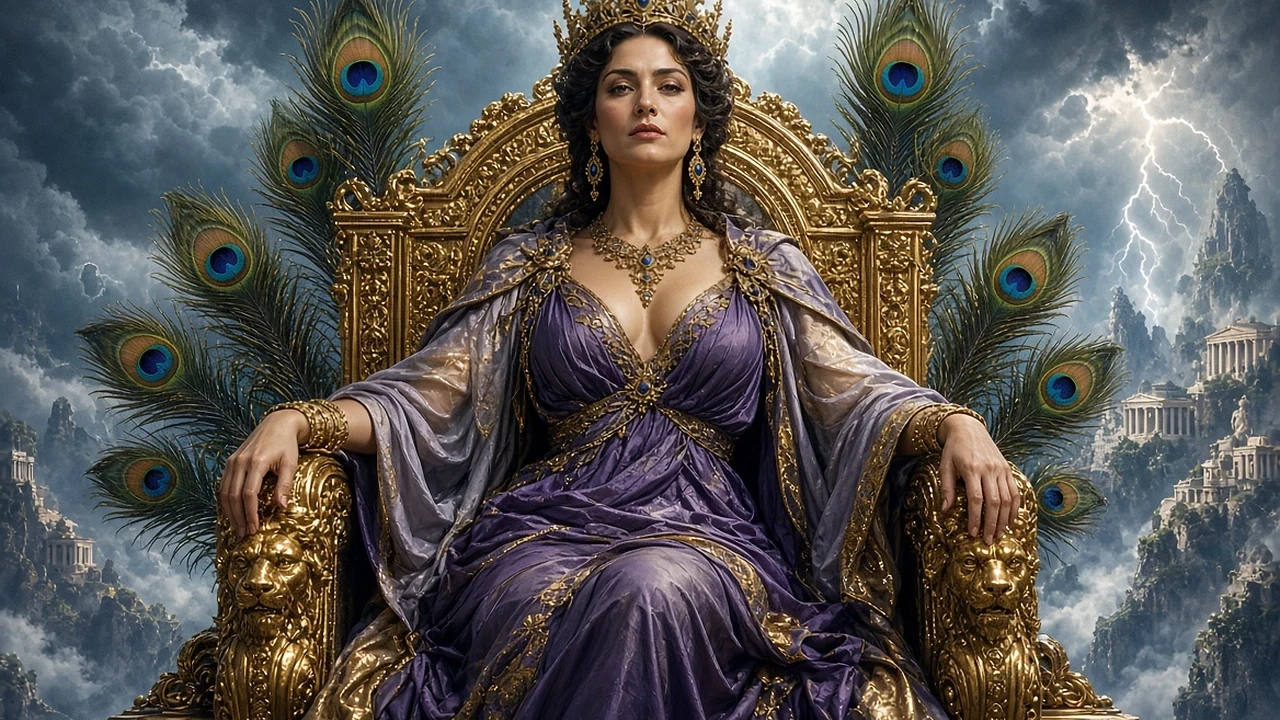
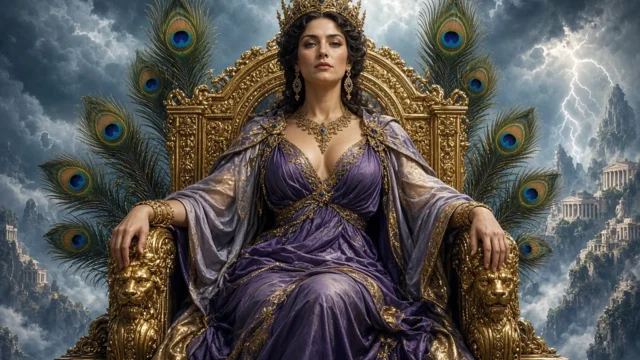
Hera Greek Mythology: Queen of Olympus, Zeus, Children and Peacock
The Hera image introduces the queen of Olympus, a goddess of marriage and an important religious figure beyond the common jealousy stories. Learn about Zeus, Ares, Heracles, the peacock, the Trojan War and the Roman counterpart Juno.
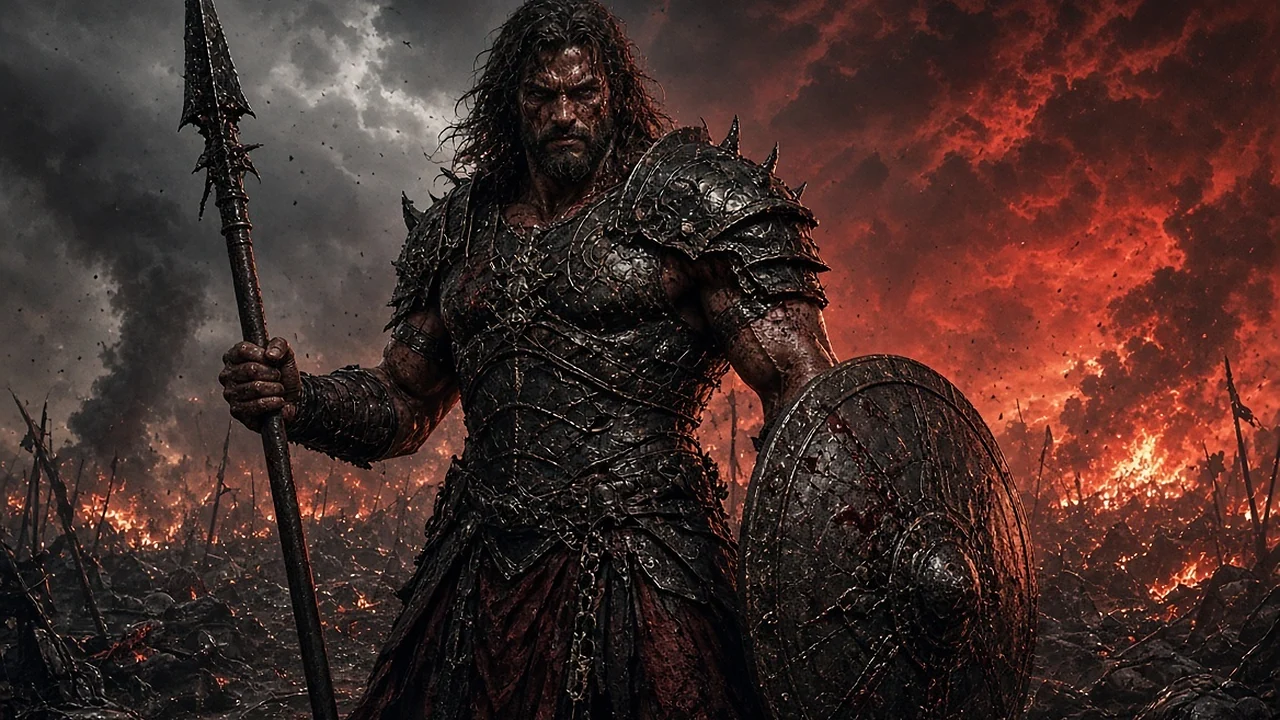
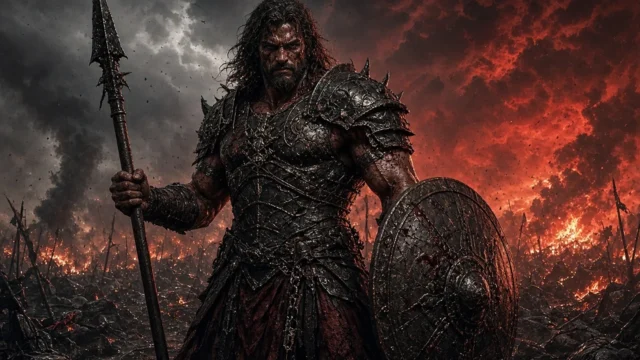
Ares Greek Mythology: God of War, Athena Rivalry and Roman Mars
This Ares image points to the Greek god of violent war, whose relationship with Aphrodite and rivalry with Athena create memorable stories. The article also contrasts Ares with the Roman Mars and explains his limitations in Homer’s Iliad.
Greek Heroes, Epics and Legendary Adventures
Meet ancient heroes and explore the journeys, choices and conflicts that shaped their famous legends.

Achilles Heel Meaning: The Real Greek Myth, Death and Trojan War Story
An Achilles-themed Greek hero image leads to the Trojan War story and the famous expression Achilles’ heel. The article distinguishes Homer’s epic portrayal from later traditions about the vulnerable heel, his conflict with Hector and the legend of his death.
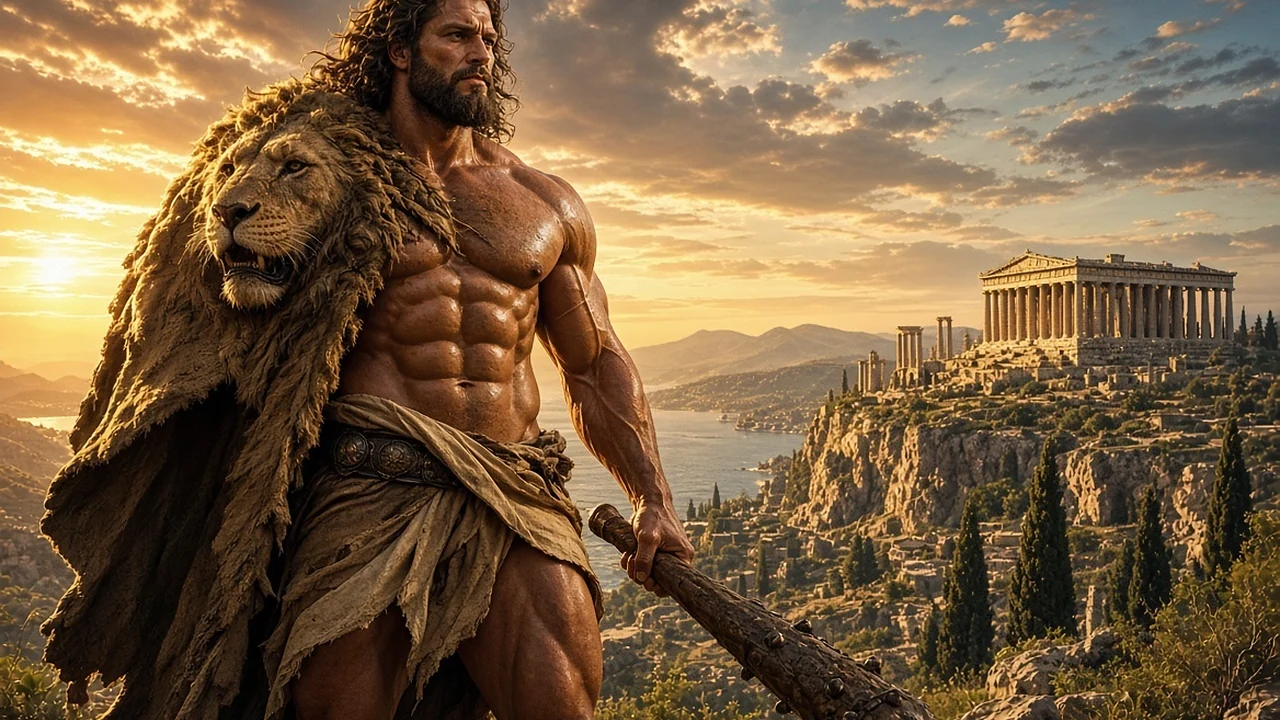
Hercules Greek Mythology: Full Story and All 12 Labours Explained
Explore a Hercules image linked to the complete story of Heracles and his twelve labours. The gallery entry points to famous encounters involving the Nemean Lion, Hydra, Cerberus and other mythic challenges, with Greek and Roman names clearly distinguished.

The Odyssey Summary: Full Story of Odysseus and His Journey Home
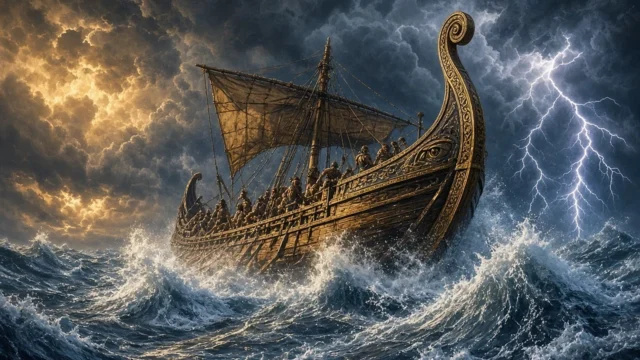
Follow an Odyssey illustration to the epic homecoming of Odysseus. Explore the Cyclops Polyphemus, Circe, the Sirens, Scylla and Charybdis, and why the hero’s return to Ithaca takes years after the legendary Trojan War.
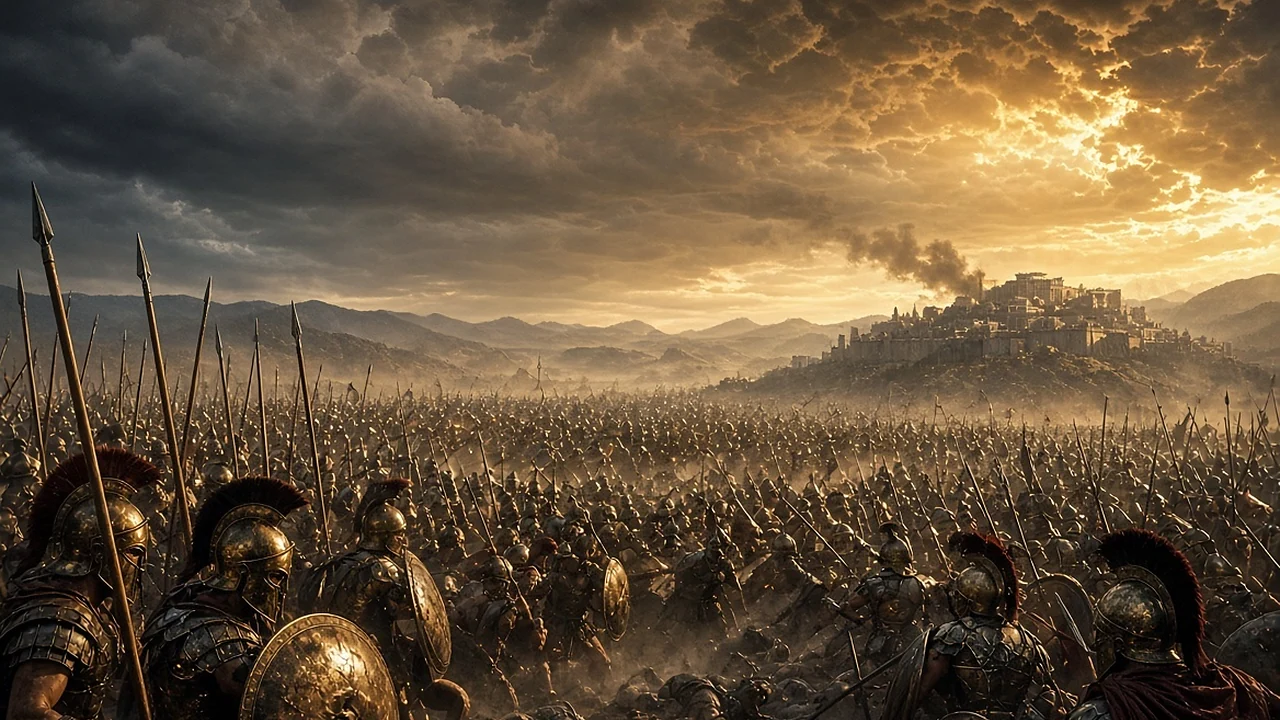
Trojan War Explained: Causes, Achilles, Hector and Trojan Horse
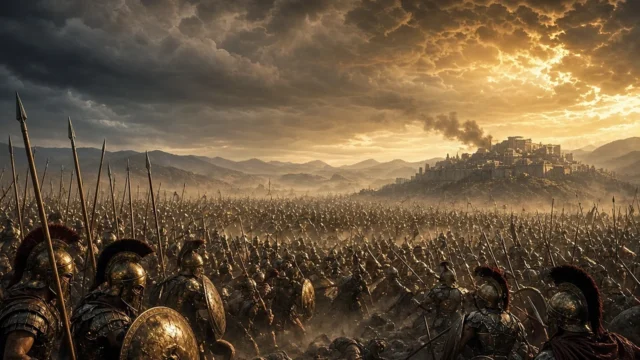
The Trojan War image introduces Achilles, Hector, Helen, Paris and the famous wooden horse. Read the verified literary distinction between Homer’s Iliad, the Odyssey’s references and Virgil’s later account of the fall of Troy.

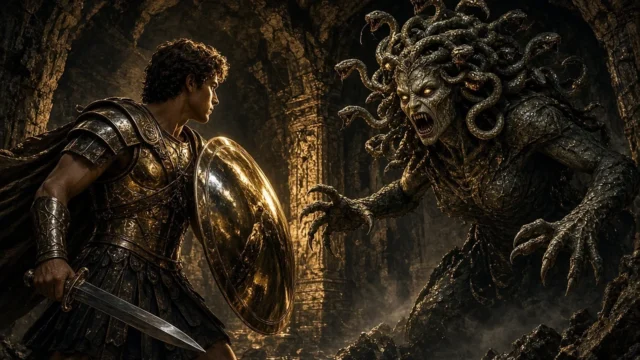
Perseus and Medusa: Full Greek Myth, Shield, Andromeda and Quest
This Perseus and Medusa picture focuses on the hero’s dangerous quest rather than repeating the Gorgon’s origin alone. Explore divine assistance, special equipment, the encounter with Medusa and the connected adventures involving Pegasus and Andromeda.
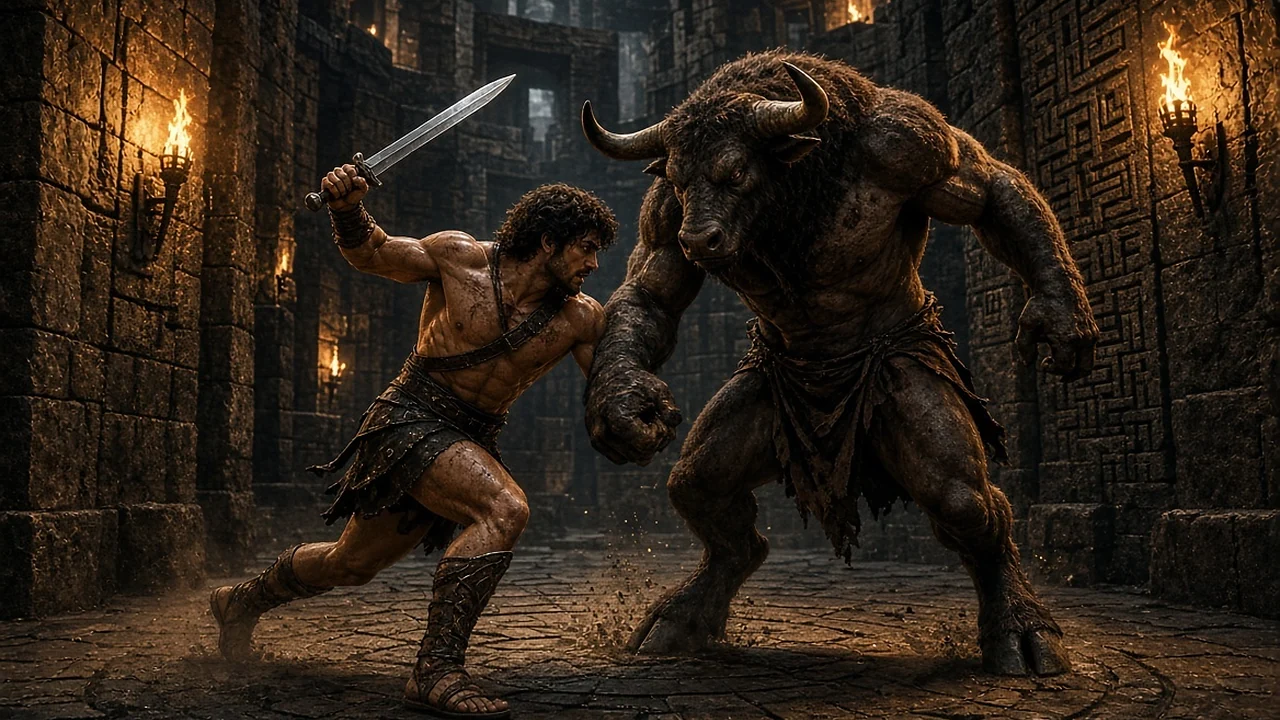
Theseus and the Minotaur: Labyrinth, Ariadne’s Thread and Escape
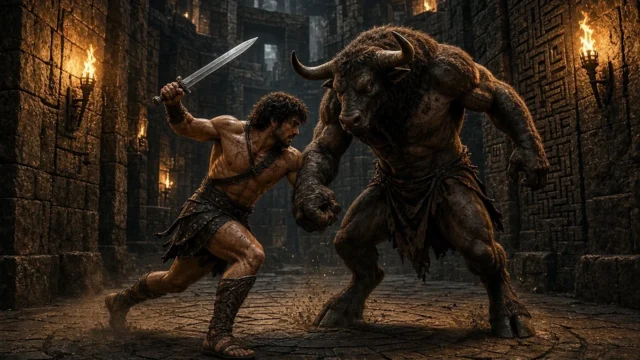
See the Greek hero Theseus and the bull-headed Minotaur in a dramatic Labyrinth story illustration. The linked article explains Ariadne’s thread, Daedalus’s maze, the fight, the escape and the tragic black-sail signal to Aegeus.
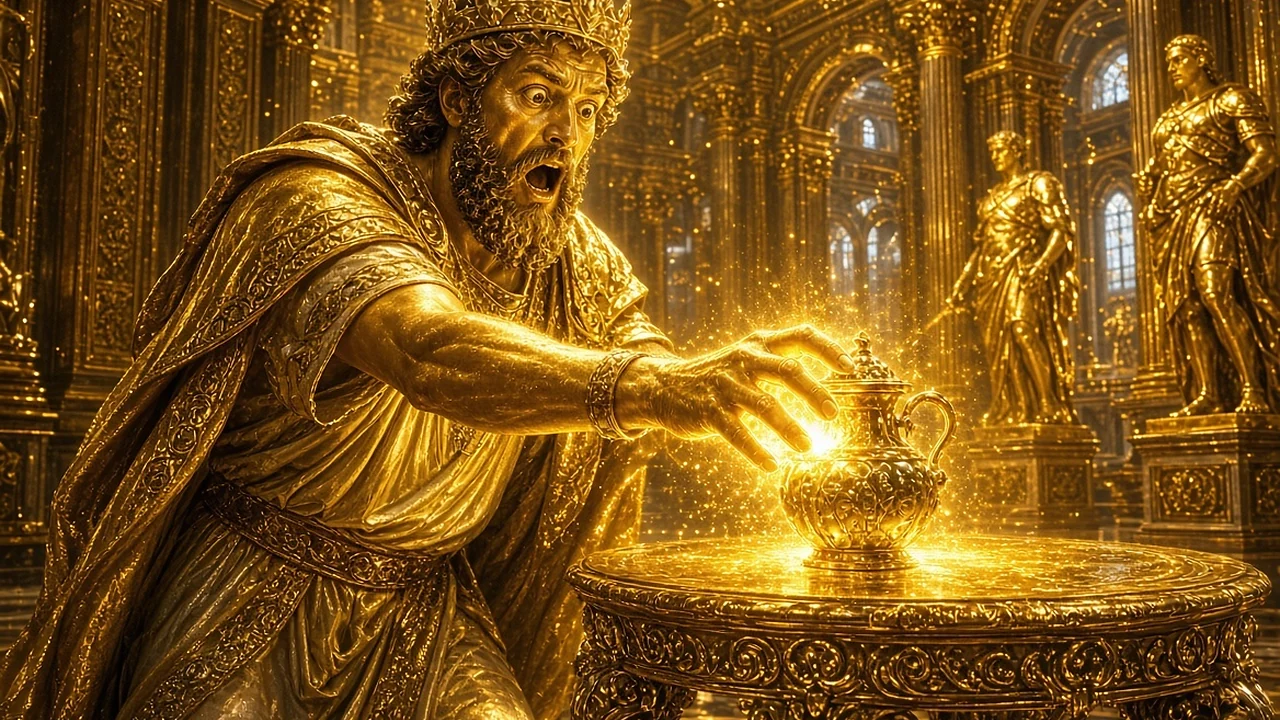
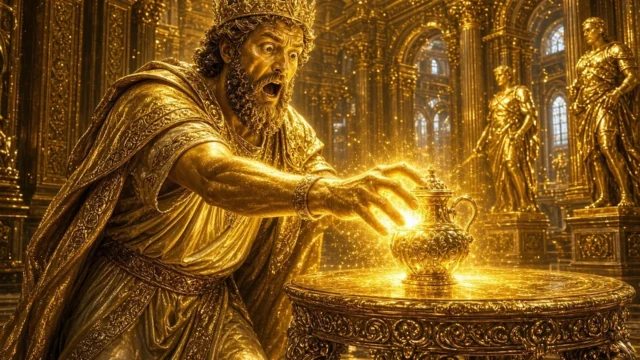
King Midas Story: Golden Touch, Pactolus River and Donkey Ears
The King Midas image introduces the Golden Touch, the wish that makes food and drink turn to gold. The full story follows Dionysus, Silenus and the Pactolus River, and separates Ovid’s narrative from later retellings about a golden daughter.
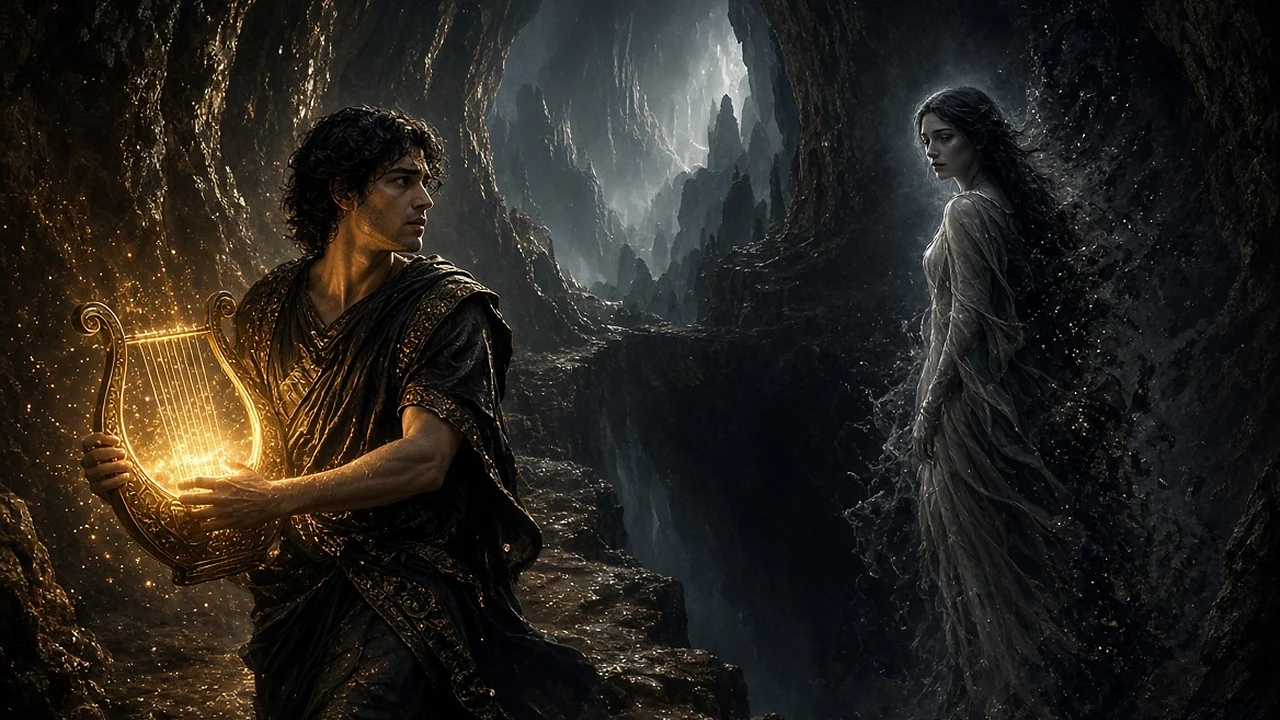
Orpheus and Eurydice: Why He Looked Back and Lost Her Again
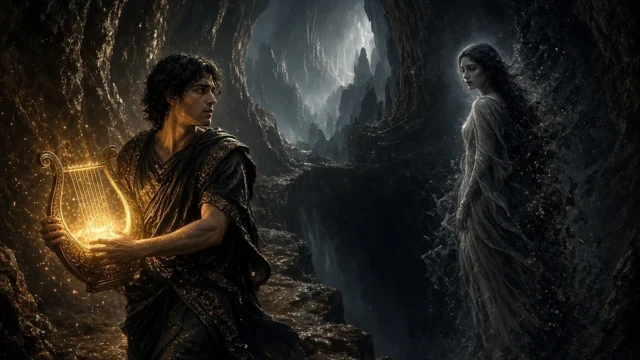
Explore the tragic Orpheus and Eurydice image: music moves the rulers of the underworld, but a forbidden backward glance ruins the rescue. The complete article compares Virgil and Ovid and explains the condition imposed by Hades and Persephone.
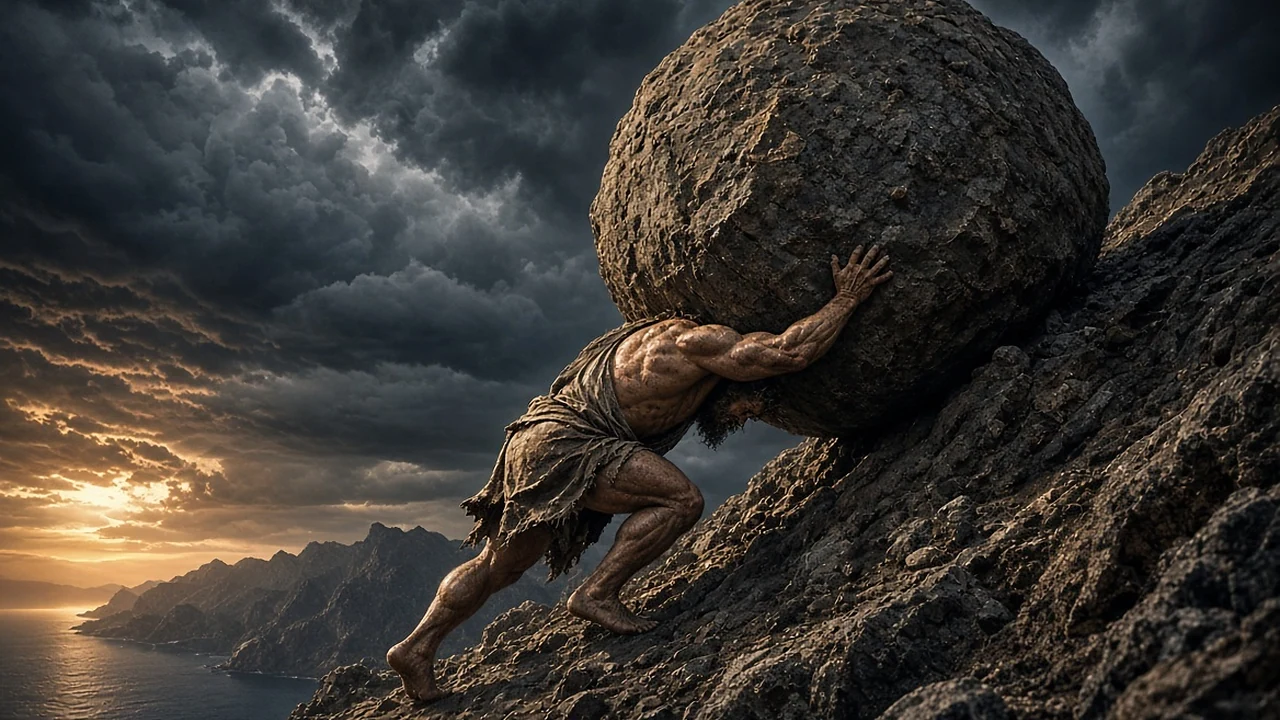
Sisyphus Story: Why He Pushes a Boulder Forever in Greek Myth
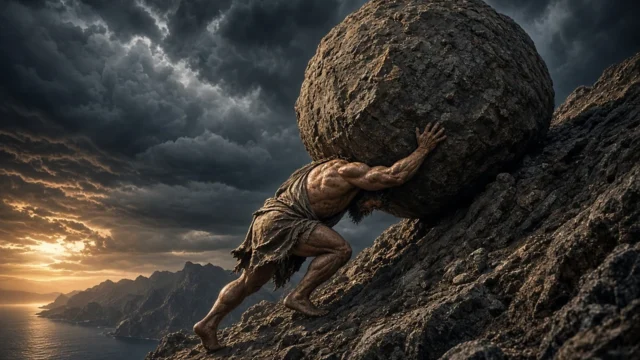
This Sisyphus Greek mythology picture depicts the eternal task of pushing a stone uphill only to watch it roll back down. Follow the ancient punishment in Homer’s Odyssey, later tricks involving Death and Camus’s modern philosophical interpretation.
Greek Monsters and Mythical Creatures
From snake-haired Medusa to multi-headed creatures, these images lead to the full monster stories.

Medusa Story: Origin, Athena’s Curse, Powers and the Greek–Roman Myth
The Medusa illustration belongs to one of the most searched Greek monster stories. Learn about the Gorgon with snakes in her hair, the petrifying gaze, the hero Perseus and the difference between Hesiod’s early genealogy and Ovid’s later transformation narrative.
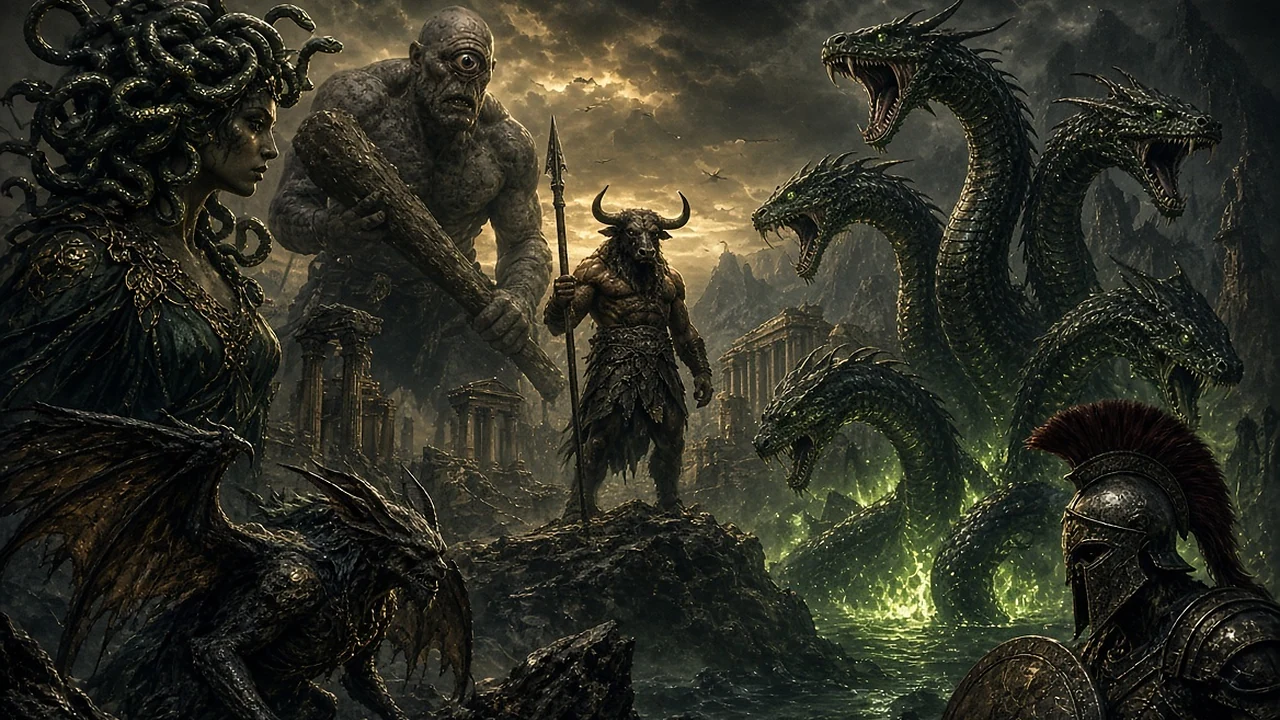
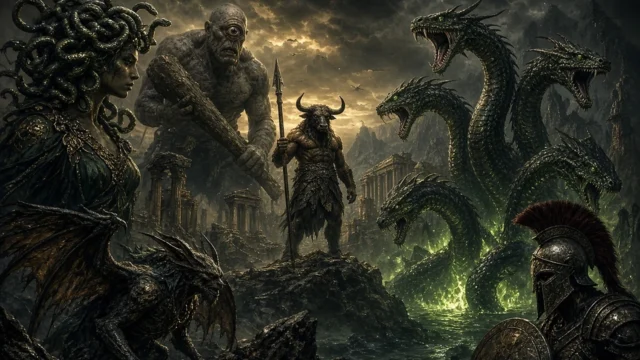
Greek Mythology Monsters: 12 Famous Creatures, Powers and Heroes
Find Greek mythology monsters and creatures including Medusa, the Minotaur, Hydra, Cerberus, Chimera, Sphinx and Cyclops. The full illustration-led article explains each monster’s role and the heroes who encounter them in ancient Greek stories.
Greek Creation, Titans and Ancient Origins
Follow the divine generations from Chaos to Zeus, the Titanomachy and legendary struggles over fire and freedom.

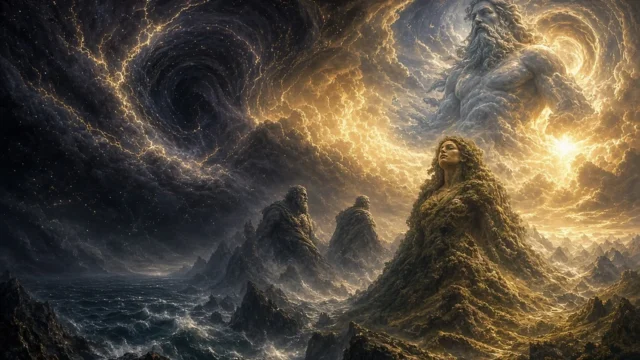
Greek Creation Myth Explained: Chaos, Gaia, Titans and Zeus
This creation-myth picture links to the story of Chaos, Gaia, Ouranos, Titans and the rise of Zeus. Follow how the divine generations change in Hesiod’s Theogony and why an ancient cosmogony is not a modern scientific account of the universe.
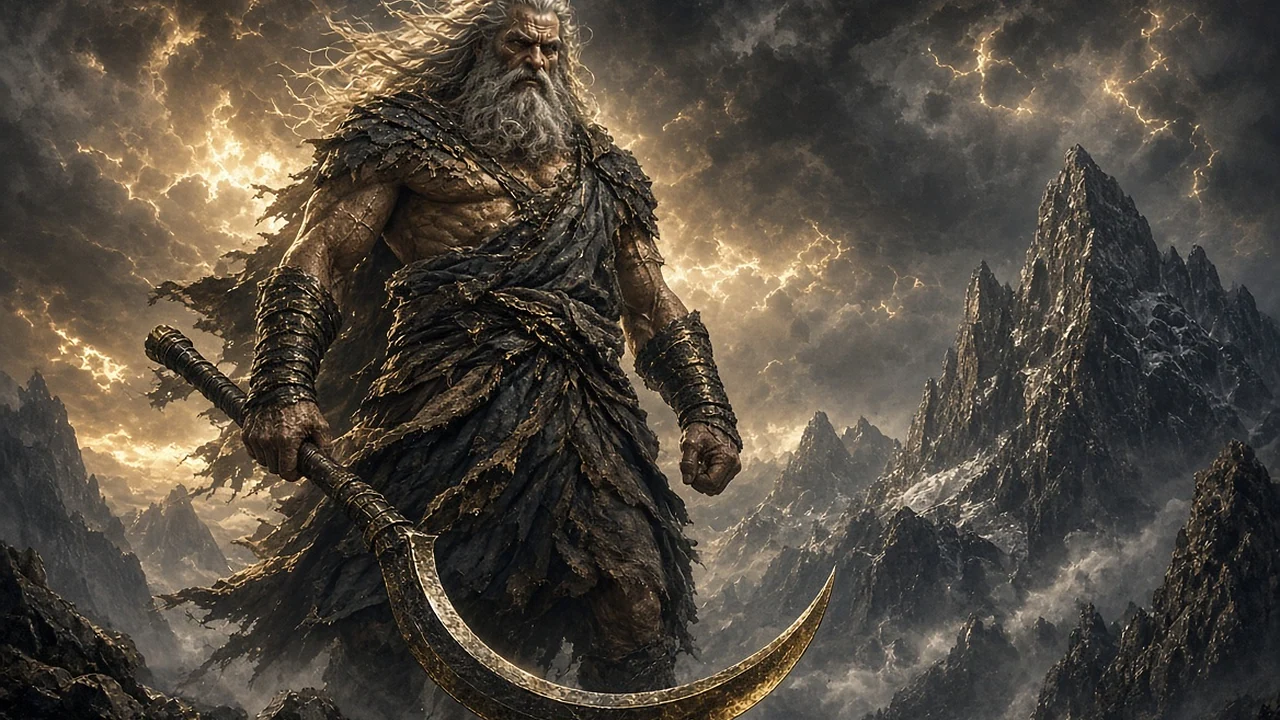
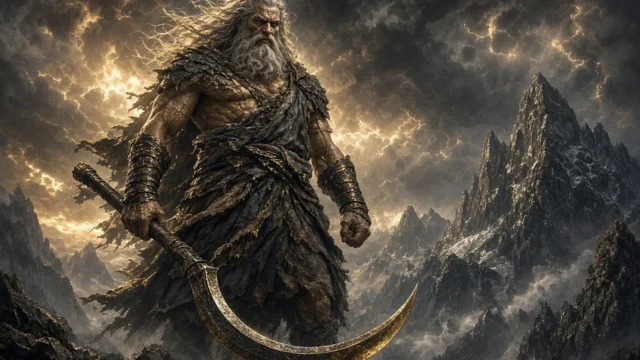
Cronus Greek Mythology: Why He Swallowed His Children and Lost to Zeus
See the story of Cronus, a Titan who swallows his children because he fears being overthrown. Learn how Rhea protects Zeus with a substituted stone and how the younger divine generation eventually challenges the older rulers.

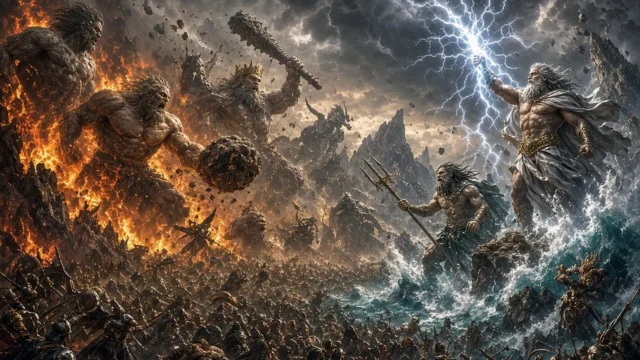
Titanomachy Explained: Titans vs Olympians, Zeus and the Ten-Year War
The Titanomachy image represents the war between Titans and Olympians in early Greek divine succession myths. The detailed article traces Zeus, Cronus and their allies while explaining the ten-year war described in Hesiod and its importance to the Olympian order.
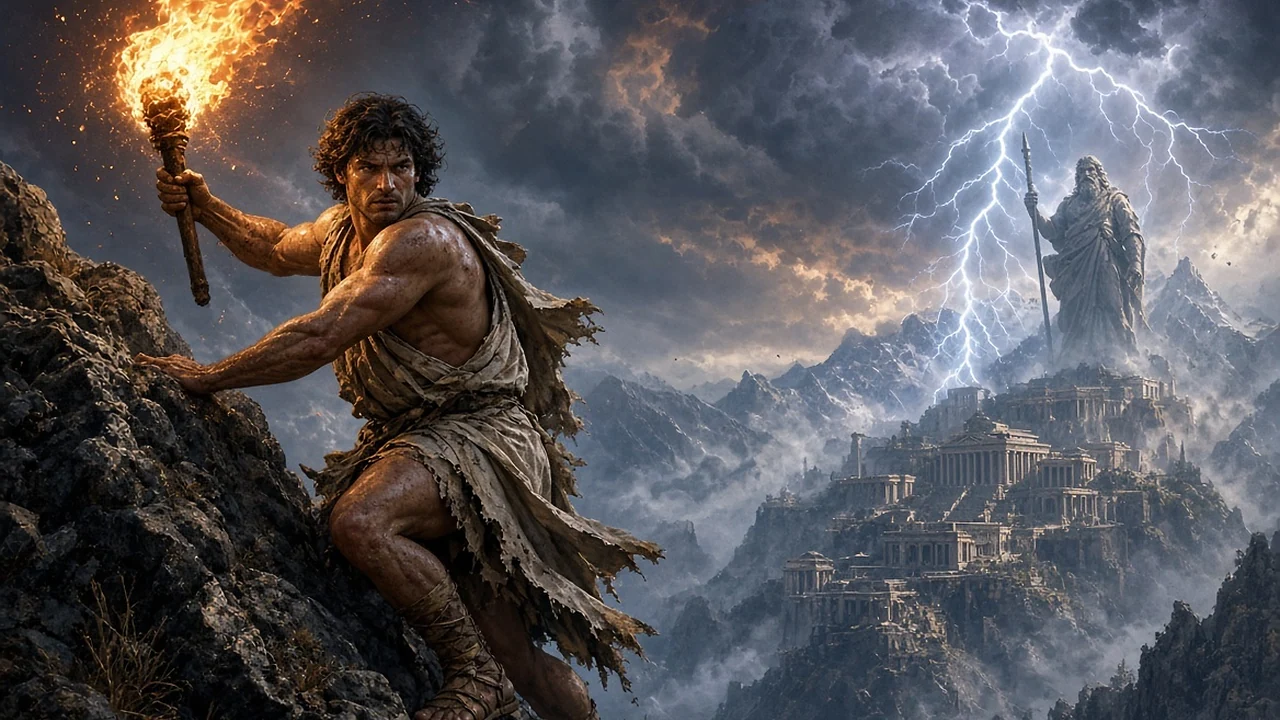
Prometheus Story Explained: Fire Theft, Zeus’s Punishment and the Eagle
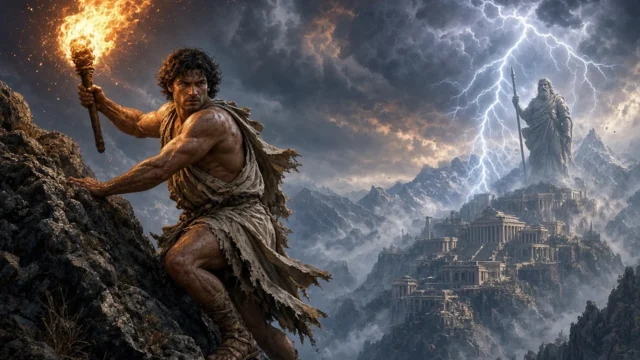
Explore Prometheus, the Titan associated with fire and the fate of humanity. The full story explains his deception of Zeus, the fire theft, punishment involving an eagle and why versions of the myth should be compared carefully.

Icarus Story: Why He Flew Too Close to the Sun and Fell
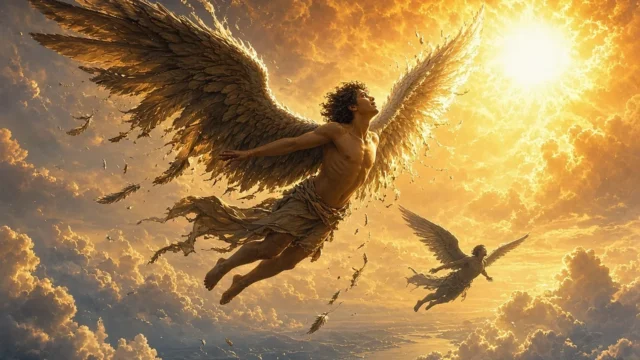
The Icarus illustration shows a father-and-son escape story involving handmade wings and a dangerous flight. Read why Daedalus warns Icarus about flying too high and too low and how the well-known melted-wax ending is narrated in later classical literature.
Famous Greek Myths, Love and Mysteries
Explore stories of hope, immortality, seasons, desire and unexpected consequences.

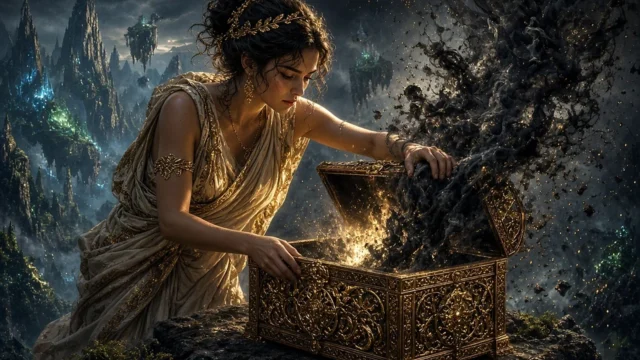
Pandora’s Box Story: Why It Was a Jar and What Hope Means
Pandora’s Box pictures often show an ornate box, but the early Greek account involves a large jar called a pithos. Learn why Pandora opened the container, what suffering escaped and why hope remaining inside has more than one interpretation.

Did Zeus Die? Greek Mythology, Immortality and the Cretan Tomb
Explore the question of Zeus’s immortality through early Greek religion and the unusual Cretan tomb tradition. This image leads to a careful explanation of why a story about a purported tomb does not establish that Zeus dies in standard Olympian myth.
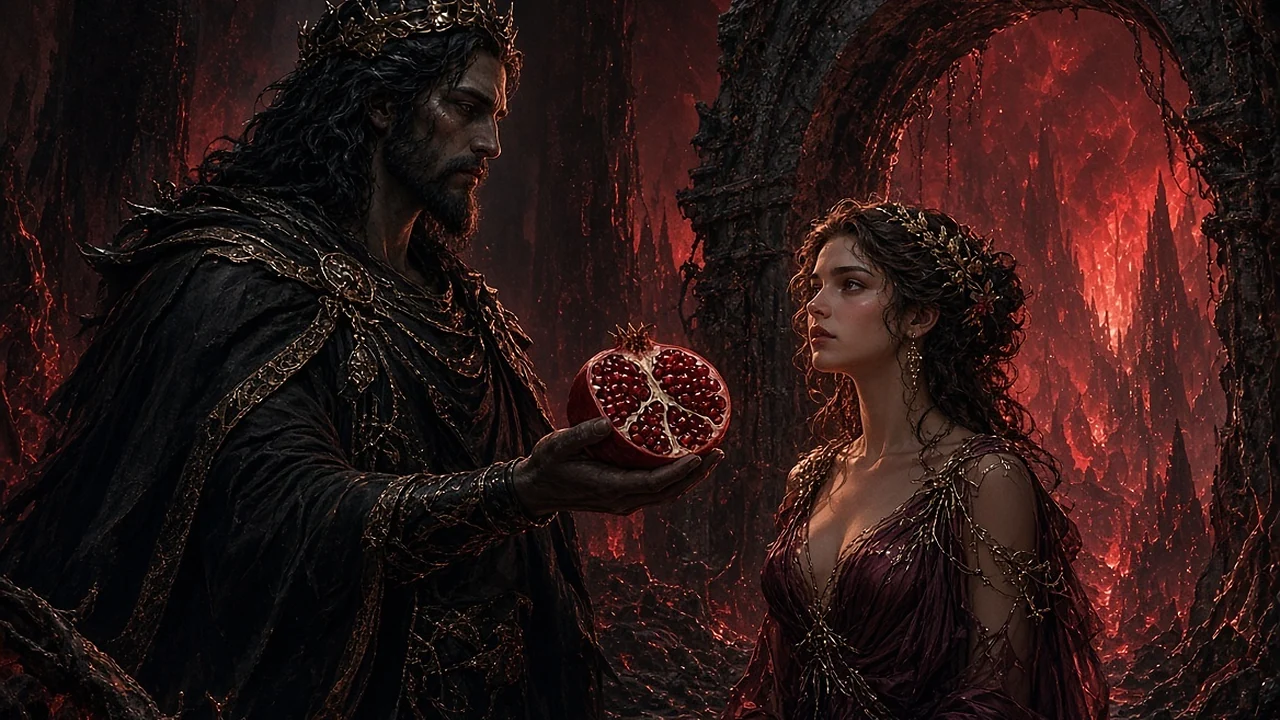
Hades and Persephone: Abduction, Pomegranate Seeds and Seasons Myth
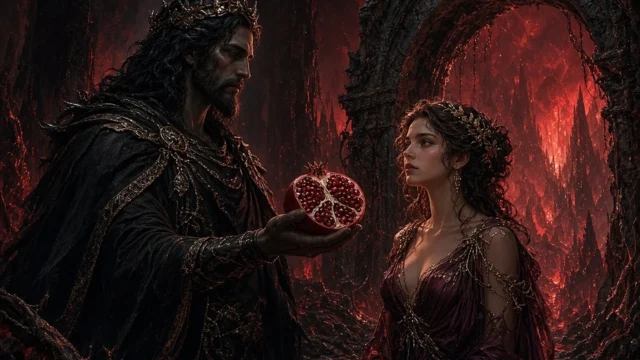
This Hades and Persephone image leads to the ancient story of abduction, Demeter’s grief, the pomegranate seed and the return from the underworld. It distinguishes the Homeric Hymn’s year division from later simplified six-month retellings.
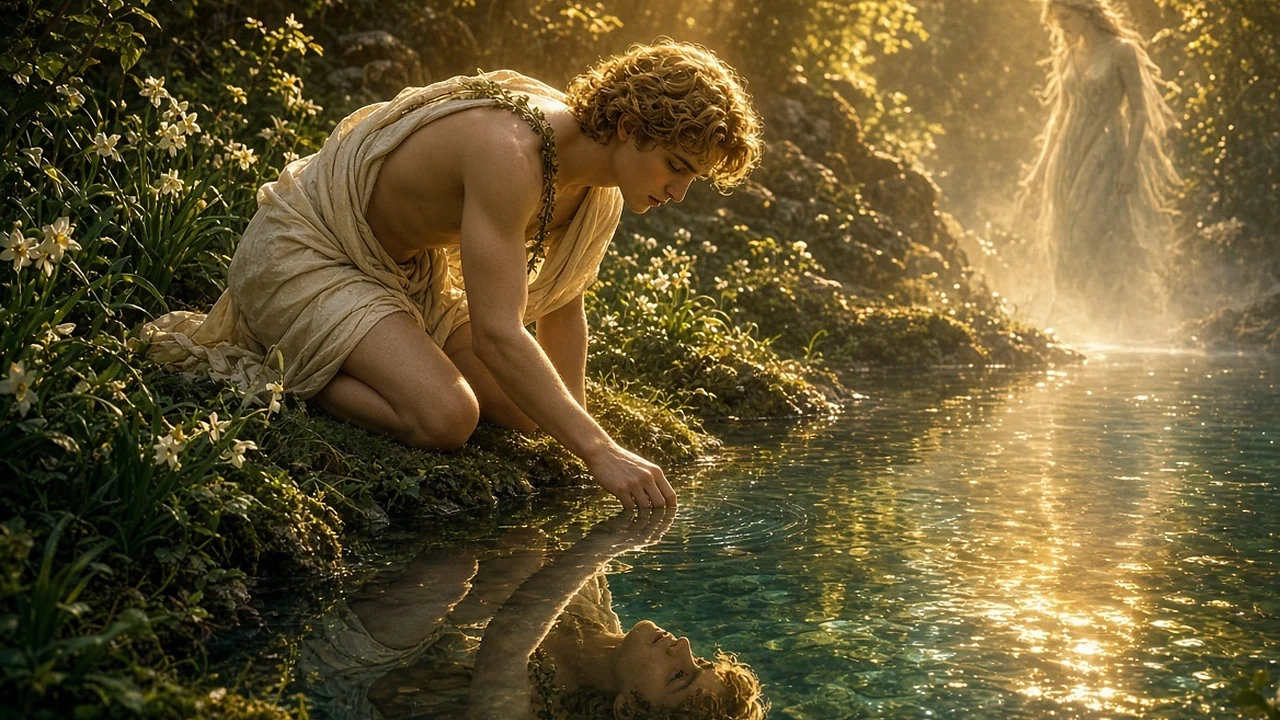
Narcissus and Echo: Reflection, Curse and Flower Myth Explained
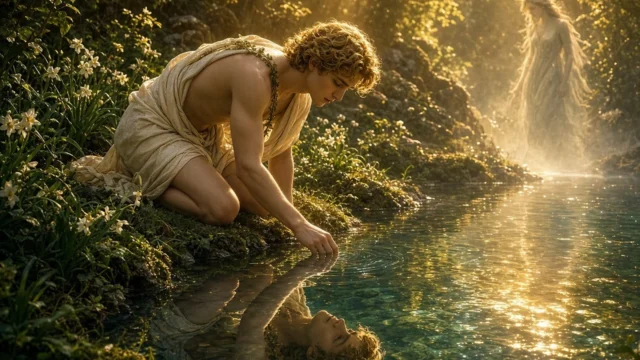
The Narcissus and Echo illustration shows a youth enchanted by his reflection and a nymph unable to speak freely. The complete Ovid-based story explains Hera’s Roman counterpart Juno, Nemesis, the rejected love and the narcissus flower.
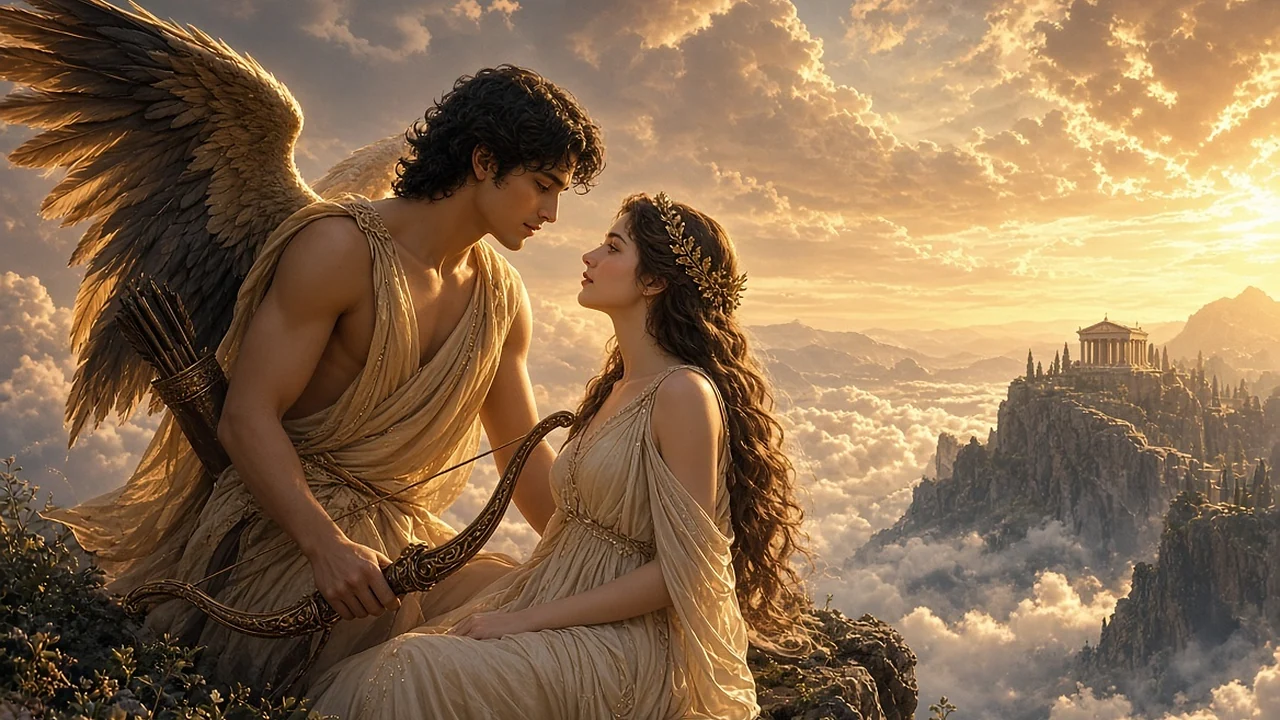
Eros and Psyche: Cupid, Four Trials and the Golden Ass Story
See Eros and Psyche in a classical mythology picture of love and dangerous trials. Learn about the secret husband, the oil lamp, four tasks set by Venus, the underworld box and the Roman novelist Apuleius’s complete Golden Ass account.
Mythology Comparisons and the Three Fates
Compare Greek and Roman divine names, then explore the Fates and the symbolic thread of life.
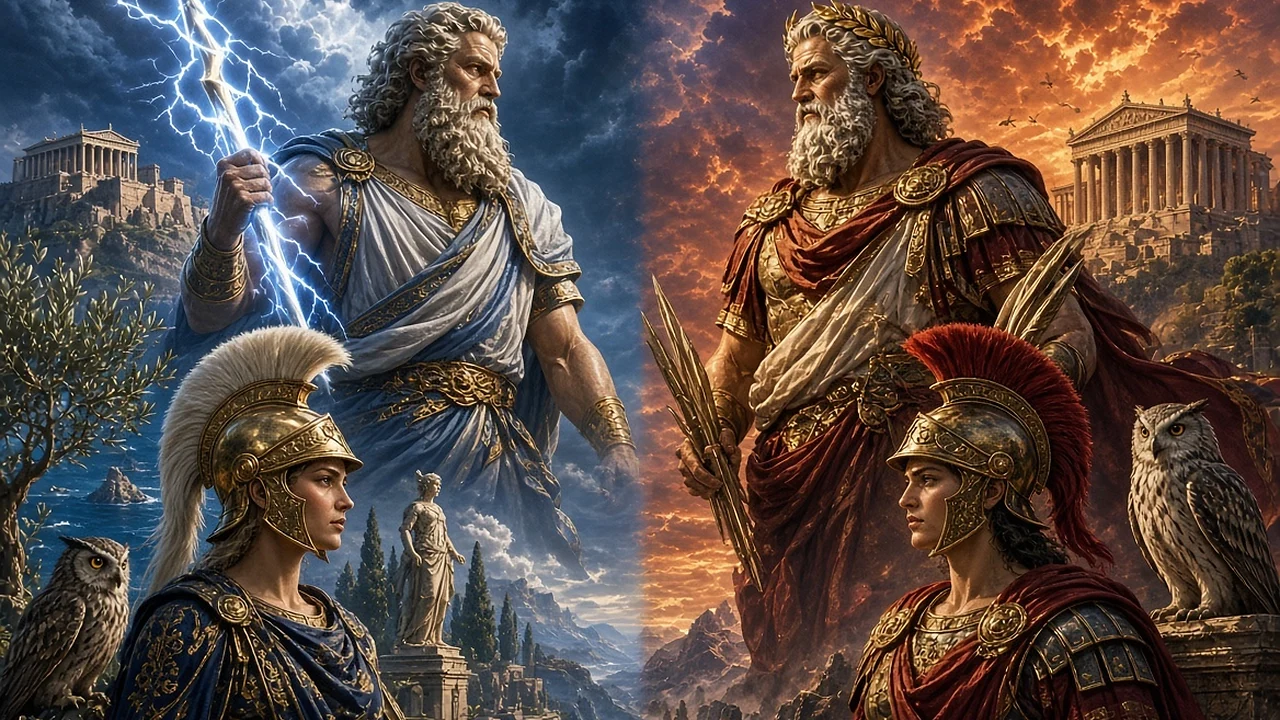
Greek vs Roman Mythology: God Names, Stories and Key Differences
This Greek vs Roman gods illustration accompanies a names-and-meanings comparison: Zeus/Jupiter, Hera/Juno, Aphrodite/Venus and Ares/Mars. Discover why shared identities do not make every Roman temple, myth and religious function identical to a Greek counterpart.
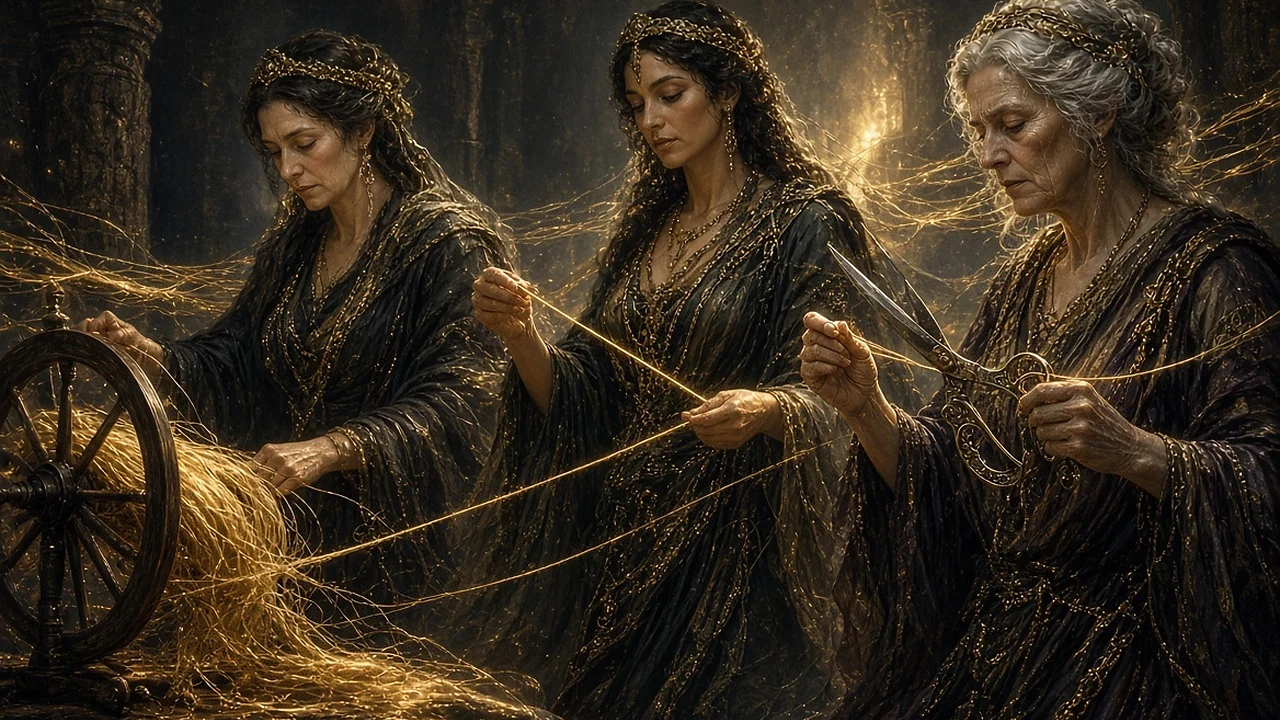
Three Fates Greek Mythology: Clotho, Lachesis and Atropos Explained
The Three Fates Greek mythology picture introduces Clotho, Lachesis and Atropos through thread-of-life symbolism. Read competing genealogies in Hesiod and Plato and learn the Roman counterpart, the Parcae, without mistaking the myth for literal prediction.
Greek Mythology Images: Frequently Asked Questions
Where can I find Greek mythology images with names?
Each of the 38 illustrated entries above includes a name, a short description and a direct link to the detailed English article. Start with the Greek gods and goddesses list for familiar Olympian names and symbols, then browse the heroes and creatures galleries for more characters.
Are these real images of Greek gods or ancient photographs?
No. They are digital, artistic interpretations inspired by mythic stories. The Greek gods and monsters are figures of mythology, not beings known from historical photography. Ancient statues and paintings are a different kind of visual source and should be labeled separately.
Which Greek mythology pictures are best for beginners?
Begin with Greek Mythology Explained, Greek Gods and Goddesses, the Family Tree and the famous stories gallery. Then explore Zeus, Athena, Poseidon, Medusa, Hercules and the Trojan War. These entries introduce many of the names used in the more complex tales.
Can I see high-definition Greek gods pictures on my phone?
Yes. The gallery reuses existing 1280×720 WebP featured illustrations and provides a single-column mobile-friendly view. Open a linked story to read the full context and see additional vertical story posters when available. Whether you can reuse an image elsewhere depends on the site’s image permissions.
What is the difference between Greek and Roman mythology images?
Many figures share recognizable symbols, but Greek and Roman names and cult traditions differ. For example, Zeus corresponds to Jupiter, Hera to Juno and Aphrodite to Venus. Apollo often keeps his name. See the Greek vs Roman article above for an accurate comparison.
About this visual guide
This Greek mythology pictures collection is a navigation hub for 38 original, illustrated guides on Vista Hub. Artwork is intended to support reading and visual discovery. Links point to the live articles, not to drafts, and explanations distinguish literature, later retellings and established history. Updated 14 November 2026.

Share Your Opinion
Comments are closed on this post.