 Vista
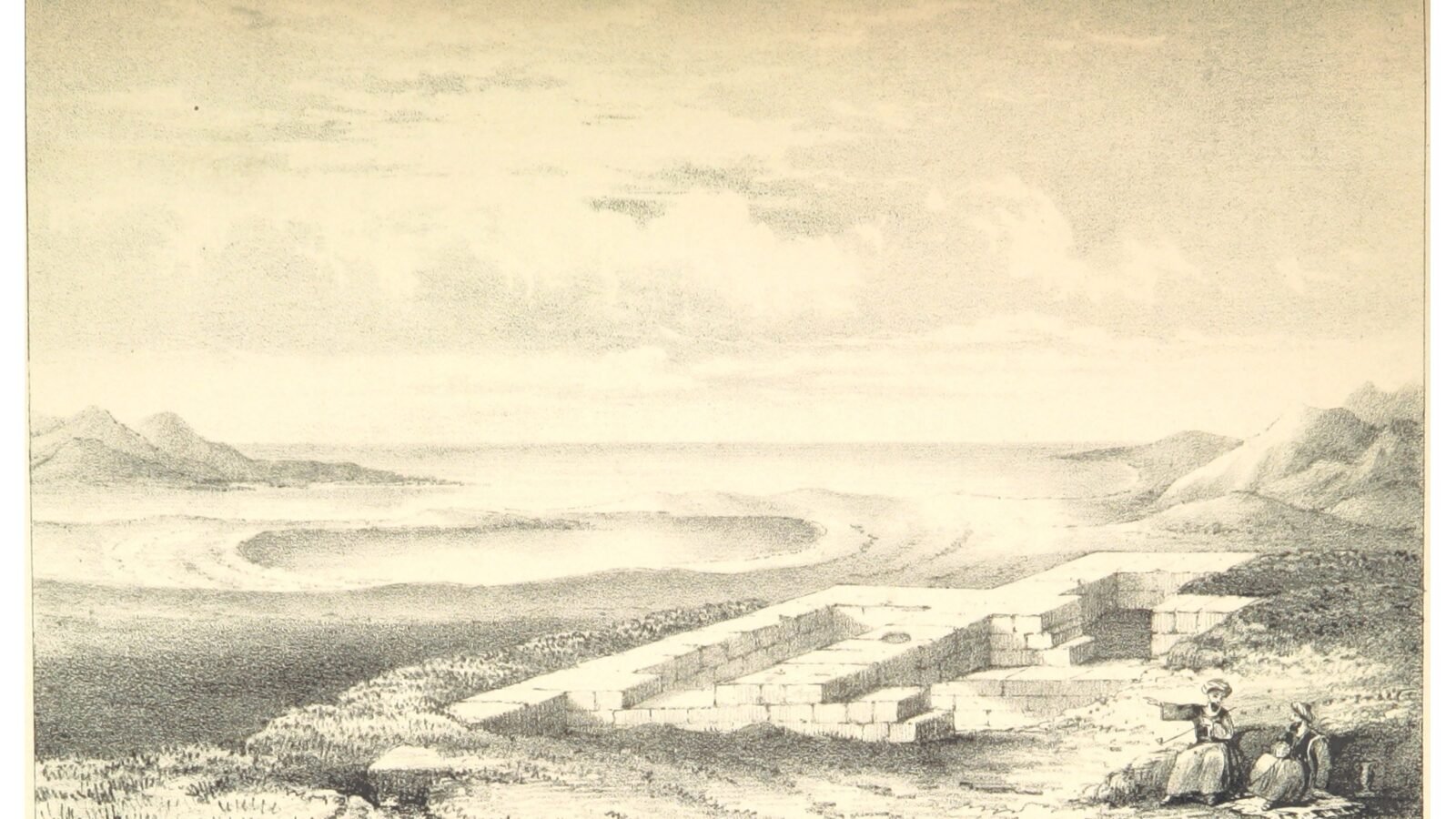
Short answer: The strongest evidence for contact between India and Egypt comes from the Roman period, when ships crossed the Indian Ocean between Indian ports and Red Sea harbours such as Berenike. Earlier links, including Bronze Age Indus connections, are possible through middlemen in Mesopotamia and the Gulf, but direct Egyptian-Indian contact is much less clear. This article separates documented trade from popular claims.
Quick Facts
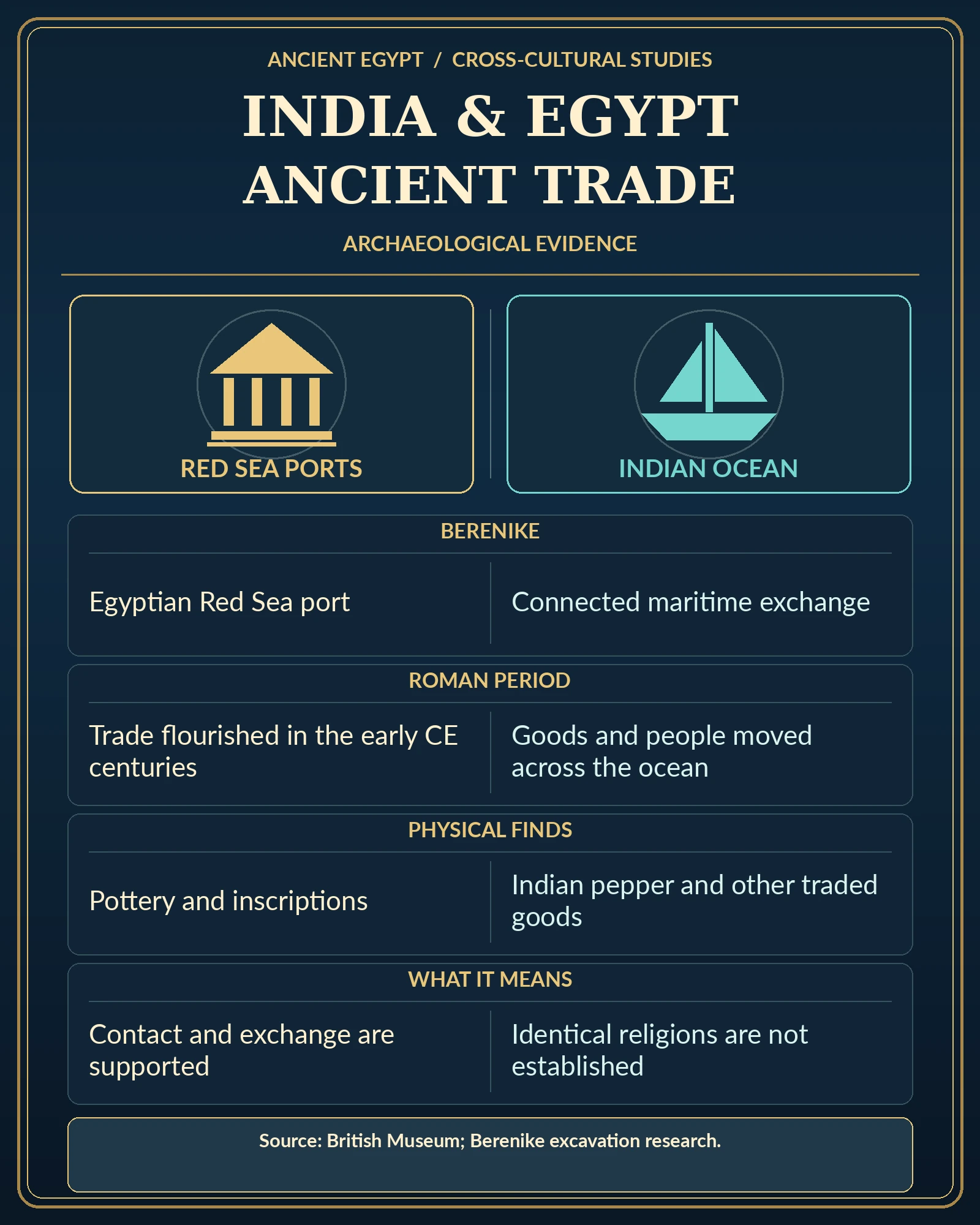
| Point | Detail |
|---|---|
| Best evidence | Roman-era Red Sea and Indian Ocean trade |
| Key Egyptian port | Berenike on the Red Sea coast |
| Written source | Periplus of the Erythraean Sea, a 1st-century CE sailing guide |
| Papyrus | The Muziris papyrus records a cargo shipped from the Indian coast to Alexandria |
| Bronze Age link | Possible, mostly indirect and debated |
The Bronze Age: Indus and Egypt
The Indus civilization traded with Mesopotamia, and Indus seals have been found there. Egypt also had contacts in the wider region. Some scholars discuss whether goods such as beads or materials moved between the two worlds, but direct proof of regular Indus-Egypt trade is limited, and many claims depend on interpretation.
The Roman period and the monsoon route
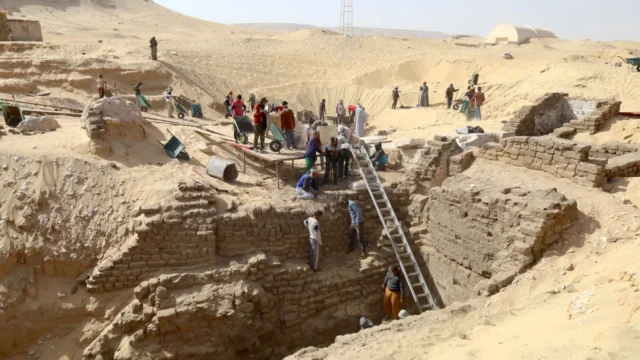
Under Roman rule, merchants used the monsoon winds to sail between the Red Sea and India. Goods then travelled overland from ports such as Berenike to the Nile and on to Alexandria. Excavations at Berenike have found material from distant lands, including evidence linked to Indian goods.
What the sources say
- Periplus of the Erythraean Sea: a guide for merchants that lists ports and goods along the Red Sea and Indian coasts.
- Muziris papyrus: a document describing a cargo from the Indian port of Muziris being shipped to Alexandria, showing how valuable the trade was.
- Berenike excavations: finds reported from the port include Indian-linked items such as black pepper and other trade goods.
What was traded
| From India | From the Roman world |
|---|---|
| Pepper and spices | Wine |
| Textiles and cotton | Glass and metalwork |
| Gems and pearls | Coins |
| Timber and other goods | Other manufactured goods |
Story box (imagined, based on the type of trade described): A merchant waits at a Red Sea harbour as the monsoon turns. His ship carries sacks of pepper and cloth from the Indian coast. After a long sea crossing the cargo is unloaded, loaded onto camels and sent toward the Nile. Records like the Muziris papyrus show that such cargoes were large and valuable.
What excavated objects add to the trade story
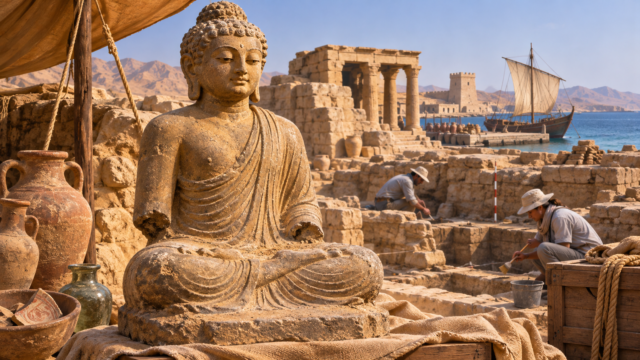
Specialist studies at Berenike document religious objects associated with India, including Buddha images and a Sanskrit–Greek dedication. Such finds supplement written accounts of commerce: they suggest that the routes carried people and practices as well as merchandise.
A port was a place where cargo could be transferred, sailors could wait for seasonal conditions and visitors could maintain connections with distant communities. Nevertheless, an imported object is not proof that the same people founded the port. The date and excavation context of each object matter. Roman-period archaeological evidence should not be projected backwards onto the Old Kingdom or used as proof of direct contact during every phase of the Indus civilization.
Read the original research or museum reference
History, Mythology and Speculation
| Category | Examples |
|---|---|
| History | Roman-era Indian Ocean trade, Berenike, Periplus, Muziris papyrus |
| Mythology | Stories of gods and heroes in each culture, not trade evidence |
| Speculation | Claims of Pharaohs building with Indian engineers or Indian sages teaching in Egypt without evidence |
Myth vs Fact
| Popular claim | Careful answer |
|---|---|
| India and Egypt never met | False for the Roman era, which has strong trade evidence |
| India built or taught the pyramids | No evidence |
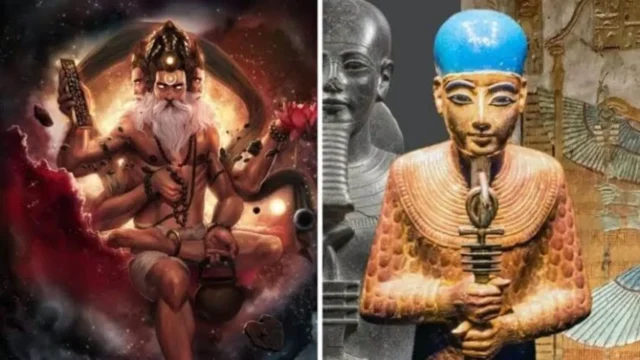
| Trade proves shared religion | No. Trade and shared beliefs are different things |
Frequently Asked Questions
Did ancient Egypt trade with India?
Yes, especially in the Roman period, when Red Sea ports linked Egypt with India.
What is Berenike?
A Red Sea port in Egypt used in Ptolemaic and Roman times for trade with the Indian Ocean world.
What is the Periplus?
A Greek-language merchant guide to ports and goods, dated to around the 1st century CE.
What is the Muziris papyrus?
A document recording a cargo from the Indian port of Muziris to Alexandria.
Was there Indus-Egypt trade?
Possible links exist, mostly through other regions, but direct trade is not well proven.
What did India export?
Pepper, textiles, gems and other goods are commonly listed.
Did Indians live in Egypt?
Some Indian-language inscriptions found at Red Sea sites suggest Indian travellers or traders were present in Roman times.
Does trade prove cultural borrowing?
Not by itself. It shows contact, but borrowing needs separate evidence.
Reliable Sources
- World History Encyclopedia: Egyptian Mythology
- Egypt Exploration Society: Gods of Egypt
- The Met: Divine Egypt
Last updated: 25 November 2026. Related reading: Egyptian vs Hindu mythology, Tamil-Brahmi inscriptions in Egypt.
Related guides: Ancient Buddha Statue Found in Egypt: History and Significance of the Berenike Discovery · Did Giants Live in Ancient Egypt? Photos and Evidence Explained















Share Your Opinion
Comments are closed on this post.