 Vista
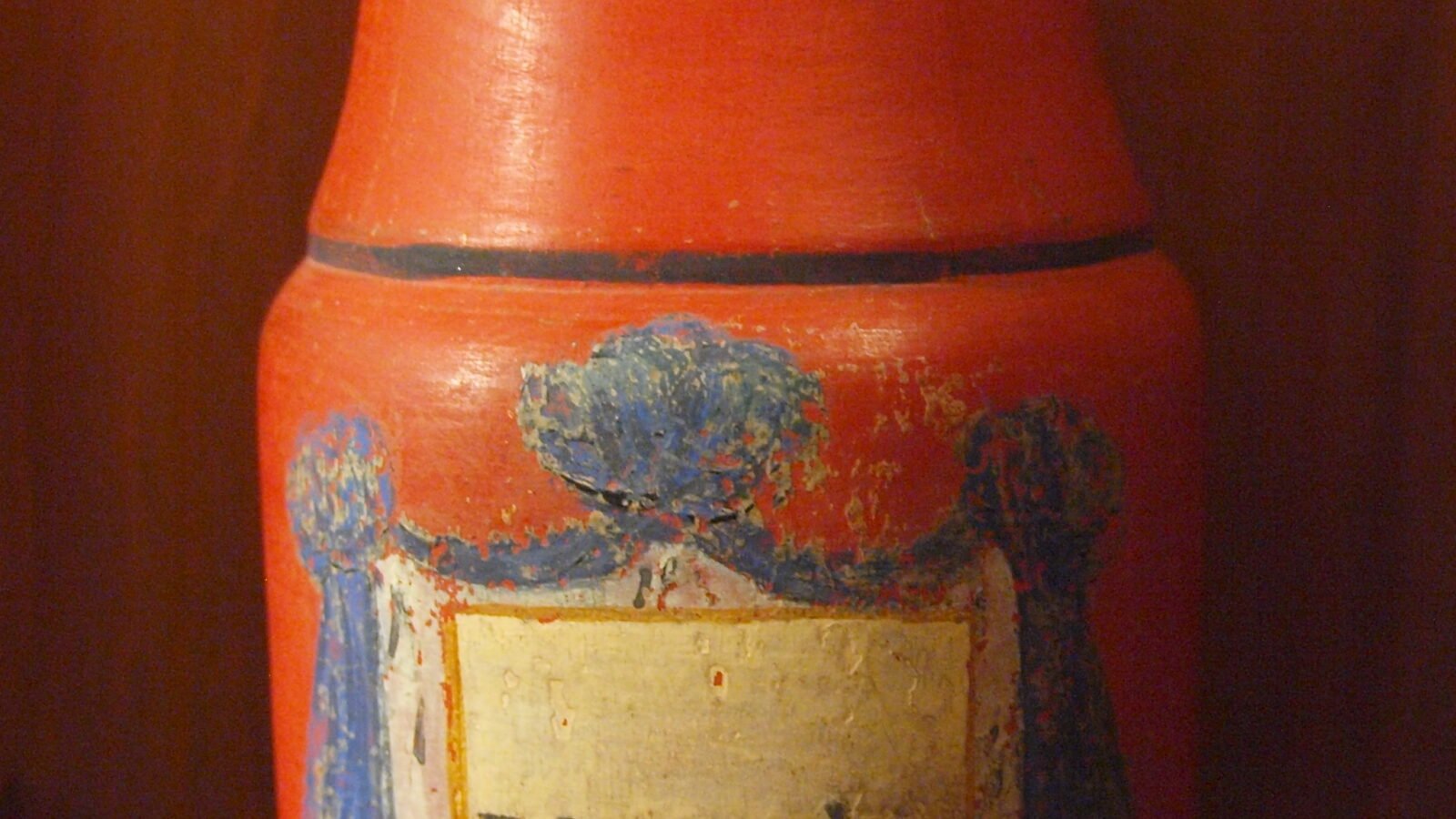
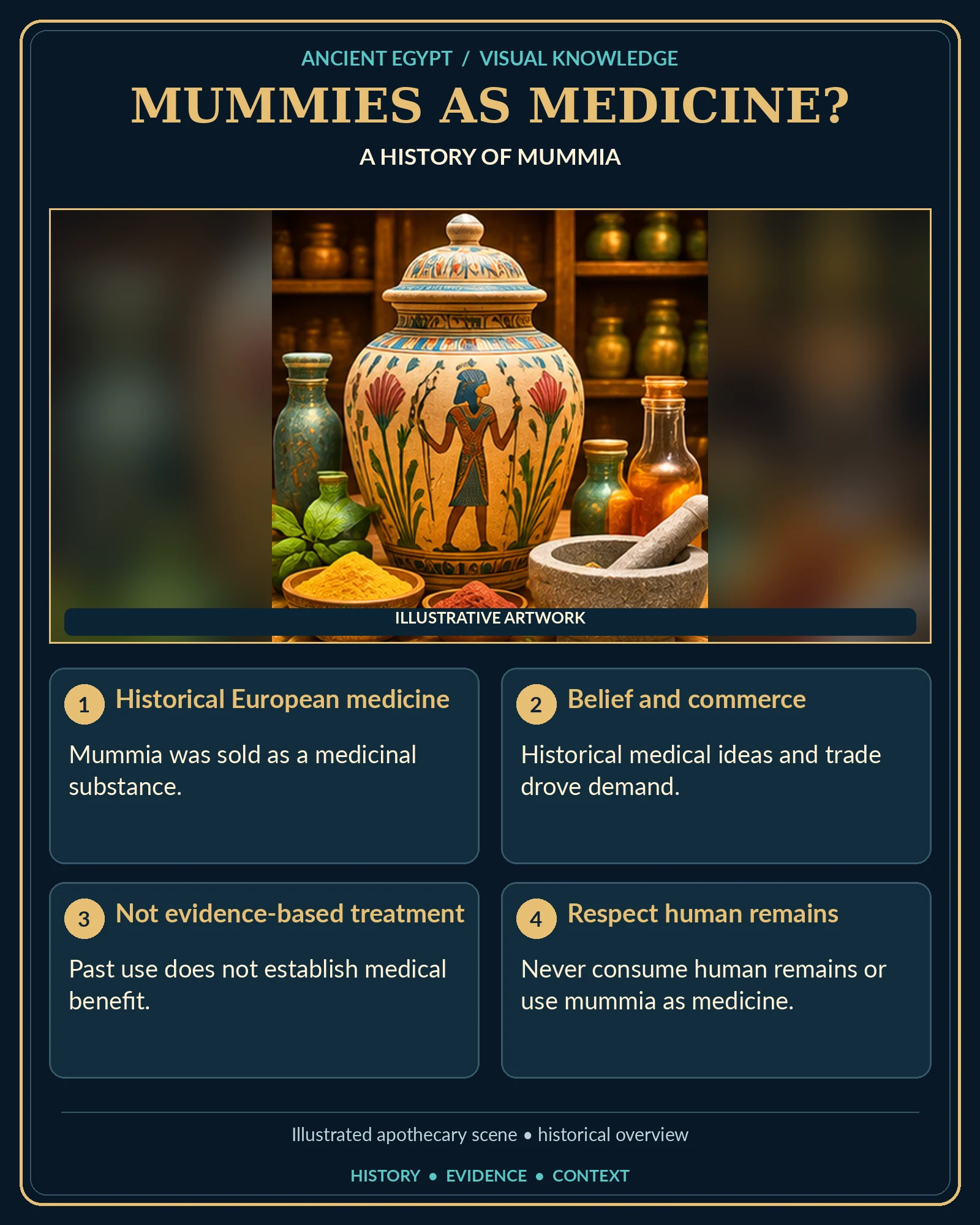
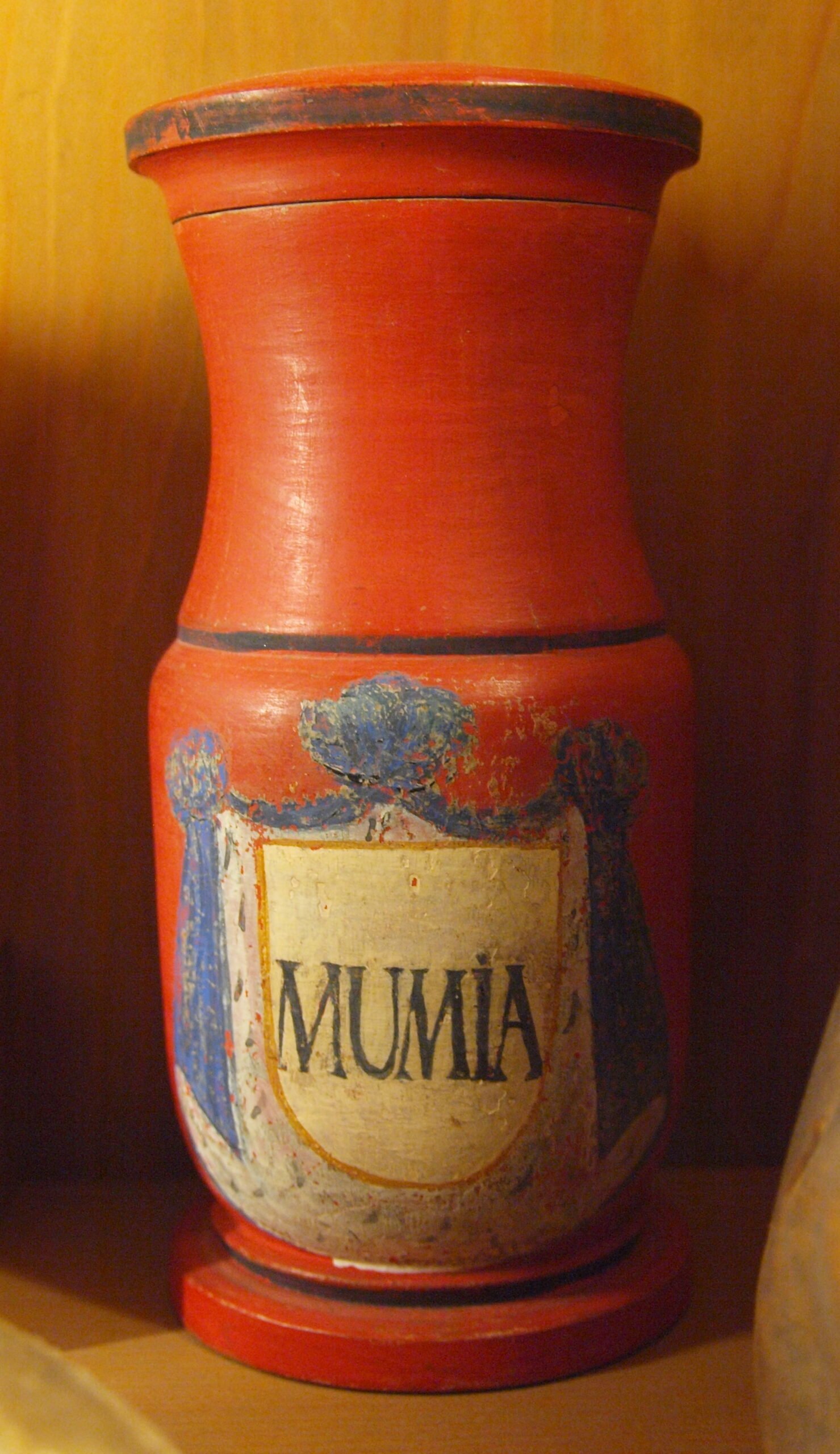
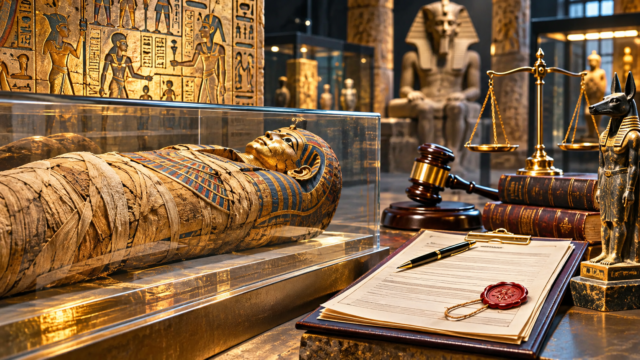
Short answer: For several centuries, European apothecaries sold a remedy called “mumia” or “mummy”, believed to treat wounds, bruises and internal complaints. It began with a bitumen-like substance and later extended to powder from real mummies. It had no proven medical benefit, and the practice faded as modern medicine and ethics developed.
Quick Facts
| Point | Detail |
|---|---|
| Remedy name | Mumia or mummy |
| Region | Mainly Europe, from the Middle Ages onward |
| Medical value | None proven |
| Related use | Ground mummy used as a brown pigment in the 19th century |
How the idea began
The word “mummy” is linked to a Persian-Arabic word for bitumen, a black tar-like material used in medicine. Embalmed bodies looked dark and tarry, so people began to treat them as a source of the same remedy. This is a historical confusion of materials and words.
Why people believed in it
Early medicine often relied on the idea that preserved flesh could pass on preserving power. Physicians prescribed it for bruises and bleeding. Without clinical trials, belief spread through authority and tradition.
The trade and its end
- Demand led to fake mummies being made and sold.
- Critics questioned both the cure and the ethics of using human remains.
- Scientific medicine replaced it, and museums later protected mummies as heritage.
Story box (retold, simplified): An old apothecary shows a jar labelled “mumia” and swears by it. Without a trial, no one could tell whether a patient recovered because of the powder or in spite of it. Tradition made the cure sound wise.
Why old pharmacy labels do not establish medical effectiveness
The name of a remedy could persist even when the material sold under that name changed. Histories of corpse medicine describe dealers supplying substitutes as the trade developed. A surviving apothecary jar therefore provides evidence of historical commerce and medical belief, not necessarily proof of its original contents.
Modern evaluation of a medicine asks different questions: what substance is present, what dose is safe, and whether controlled research demonstrates benefit. A historical label or recommendation cannot establish those things. Ancient human remains also deserve respectful treatment; they are not a source of ingredients for home remedies. This subject belongs to the history of medicine and collecting, not contemporary treatment advice.
Read the original institutional reference
History, Mythology and Speculation
| Category | Examples |
|---|---|
| History | Apothecary trade, mummy brown pigment |
| Mythology | Beliefs about the healing power of preserved bodies |
| Speculation | Mummy medicine working today |
Myth vs Fact
| Popular claim | Careful answer |
|---|---|
| Egyptians ate mummies | Europeans used mumia as medicine; Egyptians did not |
| Mummy powder cured disease | No proven benefit |
| The practice continues today | It ended; using remains is now widely condemned |
Frequently Asked Questions
Did people eat Egyptian mummies?
Some Europeans took mumia as medicine in the past.
What was mumia?
A remedy first linked to bitumen, later to mummy powder.
Did it work?
No proven benefit.
Why was it popular?
Tradition, authority and lack of testing.
What was mummy brown?
A paint pigment reportedly made from ground mummies in the 19th century.
Were fake mummies sold?
Historians report that fakes were part of the trade.
Is it legal today?
Using human remains this way is unethical, and laws protect antiquities.
What does this show about medicine?
Why evidence and testing matter.
Reliable Sources
- World History Encyclopedia: Egyptian Mythology
- Egypt Exploration Society: Gods of Egypt
- The Met: Divine Egypt
Last updated: 25 November 2026. Related reading: Egyptian mummification explained.
Related guides: Egyptian Mummification Explained: How Mummies Were Made, Step by Step, and Why Egyptians Did It · Egyptian Pharaohs: Why Were Kings Treated as Divine, and What Powers Did They Really Have?
















Share Your Opinion
Comments are closed on this post.