 Vista

Short answer: Egyptians called magical power “heka”, and they saw it as part of the order of the world, used in medicine, protection and religion. It was not usually “black magic” as modern horror imagines. Priests and healers used spells, words and amulets. This page explains the history only and gives no instructions for rituals.

Quick Facts
| Point | Detail |
|---|---|
| Egyptian term | Heka (magic, power of words and action) |
| Divine link | Heka was also personified as a god |
| Uses | Healing, protection, funerary spells |
| Tools | Spoken words, amulets, images, rituals |
What was heka?
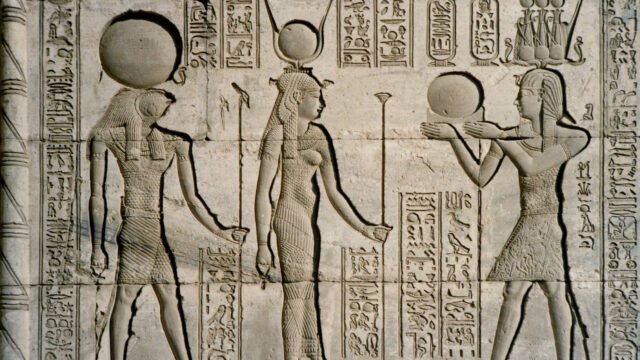
Heka meant the power that makes things happen through words and actions, and even gods were thought to use it. Magic and medicine often worked together, with spells added to practical treatment. See our guide on the Book of the Dead.
Amulets and protective spells
Amulets such as the scarab and the Eye of Horus were worn for protection and luck. Spells guarded homes, mothers and children, and the dead. Learn more in our post on Egyptian symbols.
Was there “black magic”?
Texts do mention harmful magic and punish those who used it against the king. But the idea of a dark occult cult is mostly modern fantasy. Claims that spells give supernatural power today have no proof.
Story box (imagined): A mother places a small amulet near her child’s bed and recites a short prayer for protection. She also gives the child clean water and rest. For her, spell and care were parts of one effort.
A surviving example of ritual protection
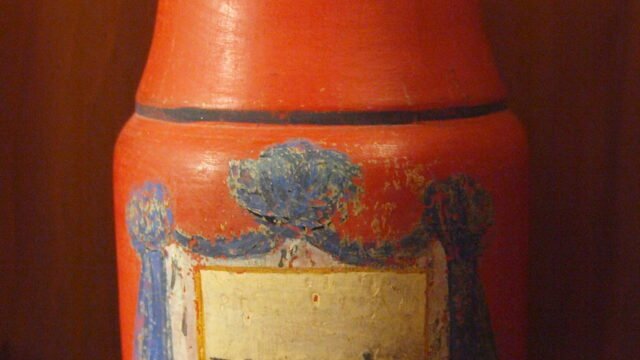
A Ptolemaic-period object in the Met collection is known as a cippus, a protective stela associated with Horus. Its imagery and mythological associations relate to the hope of recovery from dangerous bites and stings. Such an object illustrates how religious narratives were connected to practical fears in everyday life.
This is historical evidence that people believed in protective ritual, not evidence that the object can treat venom or other medical emergencies. A museum label helps distinguish the actual ancient object from modern products marketed with Egyptian imagery. Ancient religious practice also changed over time, so one surviving stela cannot represent every community or period.
Read the original institutional reference
History, Mythology and Speculation
| Category | Examples |
|---|---|
| History | Magical papyri, amulets, temple practice |
| Mythology | Isis using heka to heal Ra |
| Speculation | Modern occult claims of Egyptian powers |
Myth vs Fact
| Popular claim | Careful answer |
|---|---|
| Egyptian magic was evil | It was mostly protective and religious |
| Spells give real powers | No proof |
| Anyone can use ancient rituals safely | Not advised; skip dangerous practices |
Frequently Asked Questions
What is heka?
The Egyptian idea of magical power.
Did Egyptians practise black magic?
Harmful magic is mentioned, but it was condemned.
Who performed magic?
Priests and healers.
Do amulets work?
No proven effect; they are cultural symbols.
Was magic linked to medicine?
Yes, often combined.
Did Egyptian magic have a god?
Yes, Heka.
Are these spells dangerous to read?
Reading is harmless, but do not attempt rituals or avoid medical care.
Where can I read real texts?
Museum translations and scholarly books.
Reliable Sources
- World History Encyclopedia: Egyptian Mythology
- Egypt Exploration Society: Gods of Egypt
- The Met: Divine Egypt
Last updated: 25 November 2026. Related reading: Egyptian Book of the Dead, Egyptian symbols.












Share Your Opinion
Comments are closed on this post.