 Vista
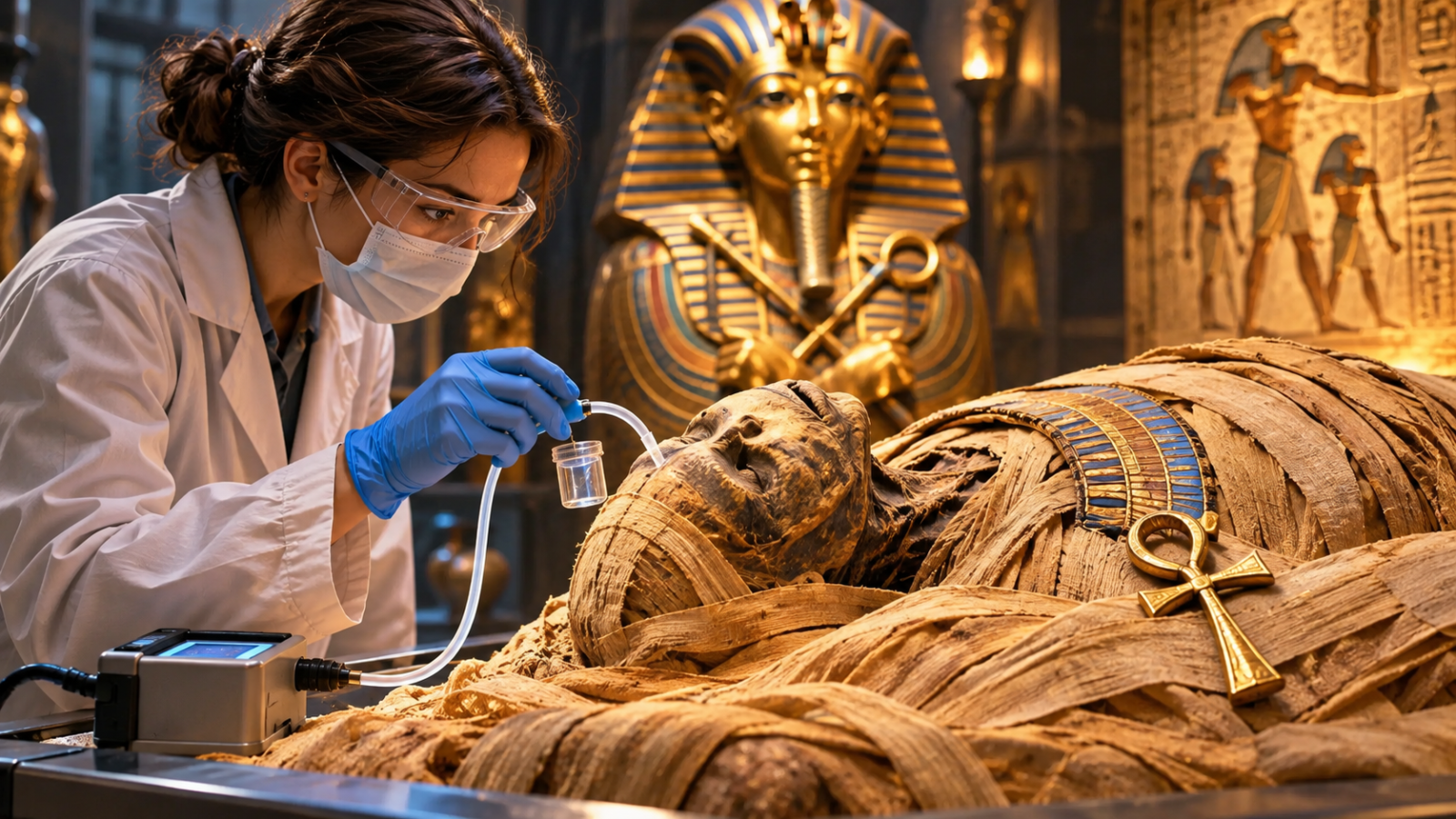
Short answer: No. Scientists cannot clone an Egyptian mummy. Ancient DNA is broken into short fragments and damaged, and cloning needs intact cells. What researchers can do is read fragments to learn about ancestry, family links and some diseases, as in published studies of Egyptian mummies.

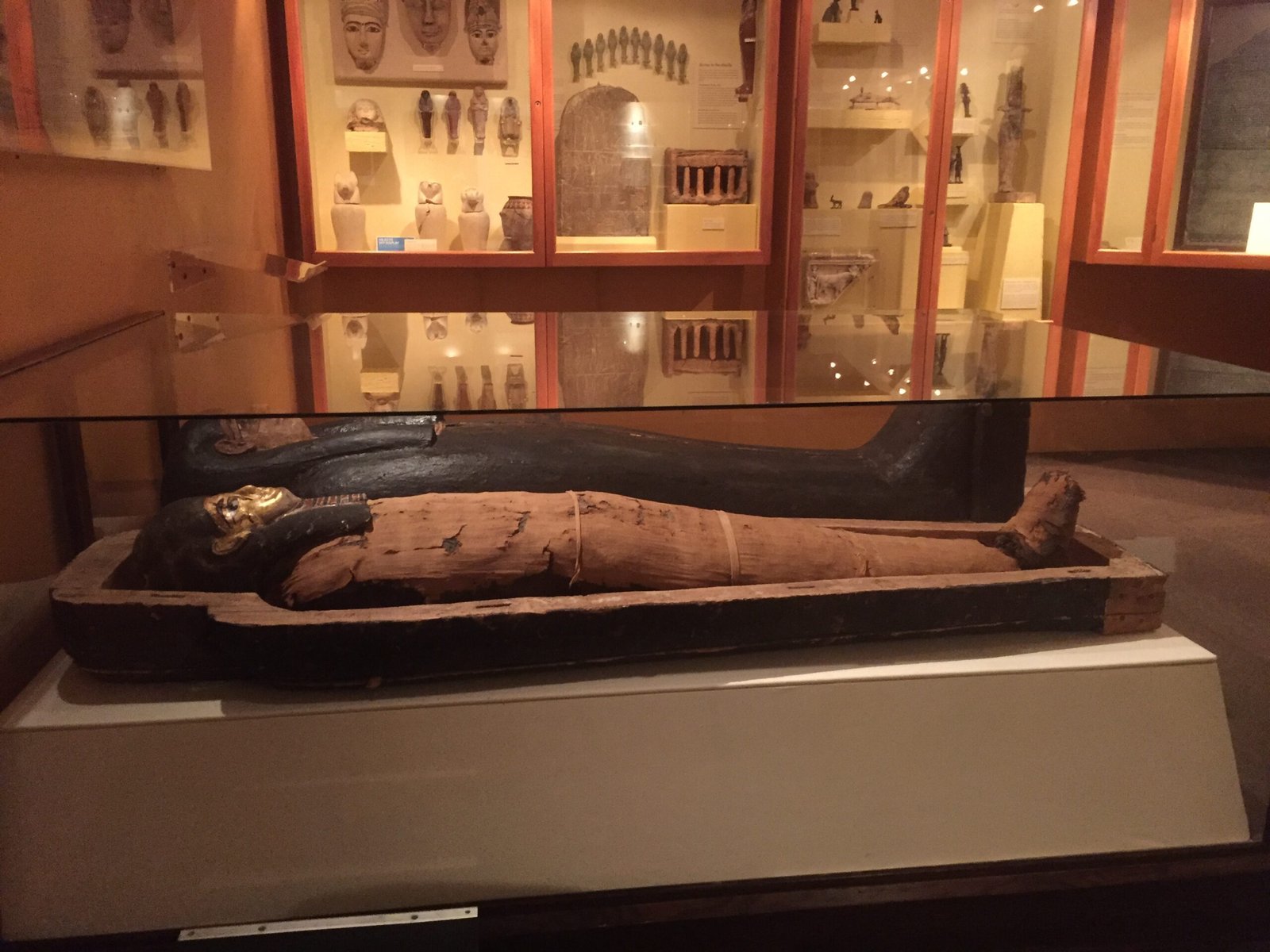
Quick Facts
| Point | Detail |
|---|---|
| Cloning a mummy | Not possible |
| Why | DNA is fragmented and degraded; no living cells |
| What science can do | Study ancestry, relatedness and some infections |
| Difficulty | Heat and chemicals in Egypt damage DNA |
Why cloning is impossible
Cloning needs a living, intact cell with a complete set of genetic instructions. Mummies have none. Even in the best cases, scientists recover only pieces, so rebuilding a person is science fiction.
What DNA studies have found
A 2017 study of mummies from Abusir el-Meleq reported ancestry patterns and discussed how they changed over time. Research on royal mummies has also examined family links and illness. Read about one famous case in our post on Nefertiti, Tutankhamun and DNA research.
Diseases in mummies
- Scans and tests have found signs of conditions such as hardened arteries and parasites.
- Such results help us understand health in the ancient world.
- Conclusions are debated and depend on careful method.
Story box (imagined): A geneticist stares at a screen of tiny DNA fragments and says, “This is a torn page, not a book.” She can read some lines, but she cannot print the whole book again.
What the 2017 DNA results can and cannot tell us
The Abusir el-Meleq study sampled 151 mummified individuals. The team recovered mitochondrial genome information for 90 individuals and genome-wide data for three. Heat, humidity and embalming chemicals complicate preservation, so researchers use authentication procedures to distinguish genuinely ancient fragments from contamination.
A reconstructed DNA sequence is a record of genetic information, not an intact living cell. It cannot supply the original cellular machinery or recreate the individual’s memories and identity. Moreover, results from one cemetery and a limited set of individuals cannot stand for every Egyptian population across thousands of years. Ancient DNA is valuable for population history when read together with archaeology, not as a method of resurrecting a person.
Read the original institutional reference
History, Mythology and Speculation
| Category | Examples |
|---|---|
| History | Ancient DNA studies, CT scans of mummies |
| Mythology | Osiris reassembled and revived |
| Speculation | Cloning pharaohs |
Myth vs Fact
| Popular claim | Careful answer |
|---|---|
| Scientists can clone pharaohs | No |
| Mummy DNA is easy to read | It is hard and often damaged |
| DNA tells everything | It answers some questions only |
Frequently Asked Questions
Can a mummy be cloned?
No.
Does mummy DNA survive?
Sometimes in fragments.
What can DNA tell us?
Ancestry, relatedness and some diseases.
Why is Egyptian DNA hard to recover?
Heat, humidity and chemicals damage it.
Are CT scans safe for mummies?
They are non-invasive and widely used.
Could ancient diseases return?
No evidence of this; labs use strict safety.
Is it ethical to test mummies?
It is debated; researchers follow ethical guidelines.
What is ancient DNA?
Genetic material recovered from old remains.
Reliable Sources
- World History Encyclopedia: Egyptian Mythology
- Egypt Exploration Society: Gods of Egypt
- The Met: Divine Egypt
Last updated: 25 November 2026. Related reading: Nefertiti and Tutankhamun DNA research.












Share Your Opinion
Comments are closed on this post.