 Vista
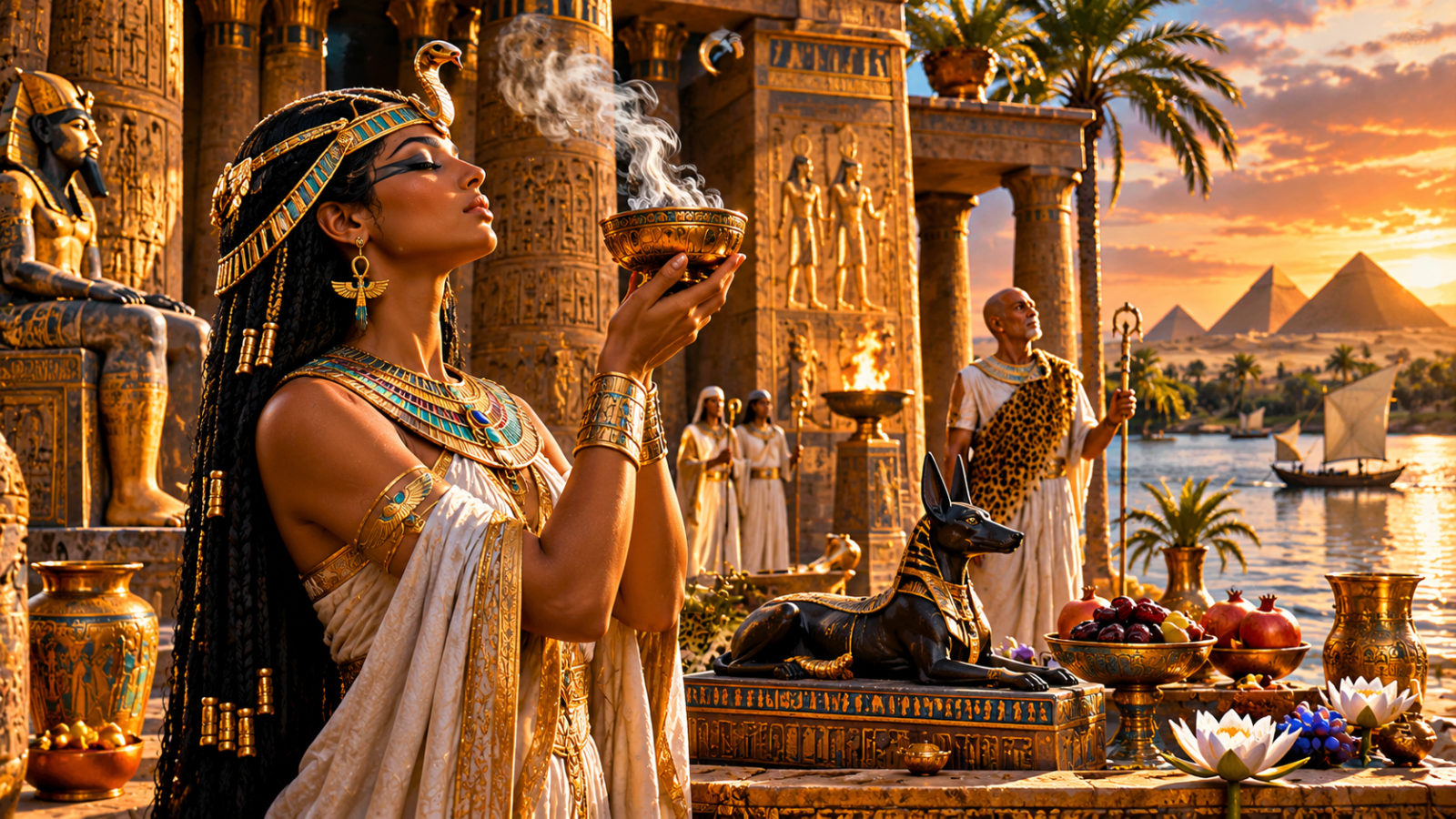
Short answer: Ancient Egyptian religion faded over many centuries, not in one day. Greek and Roman rule changed temples and patronage, and the rise of Christianity and later Islam shifted Egypt’s religious life. Whether gods are “immortal” is a matter of belief, not history. Today, a small modern movement called Kemetism revives Egyptian-inspired worship.
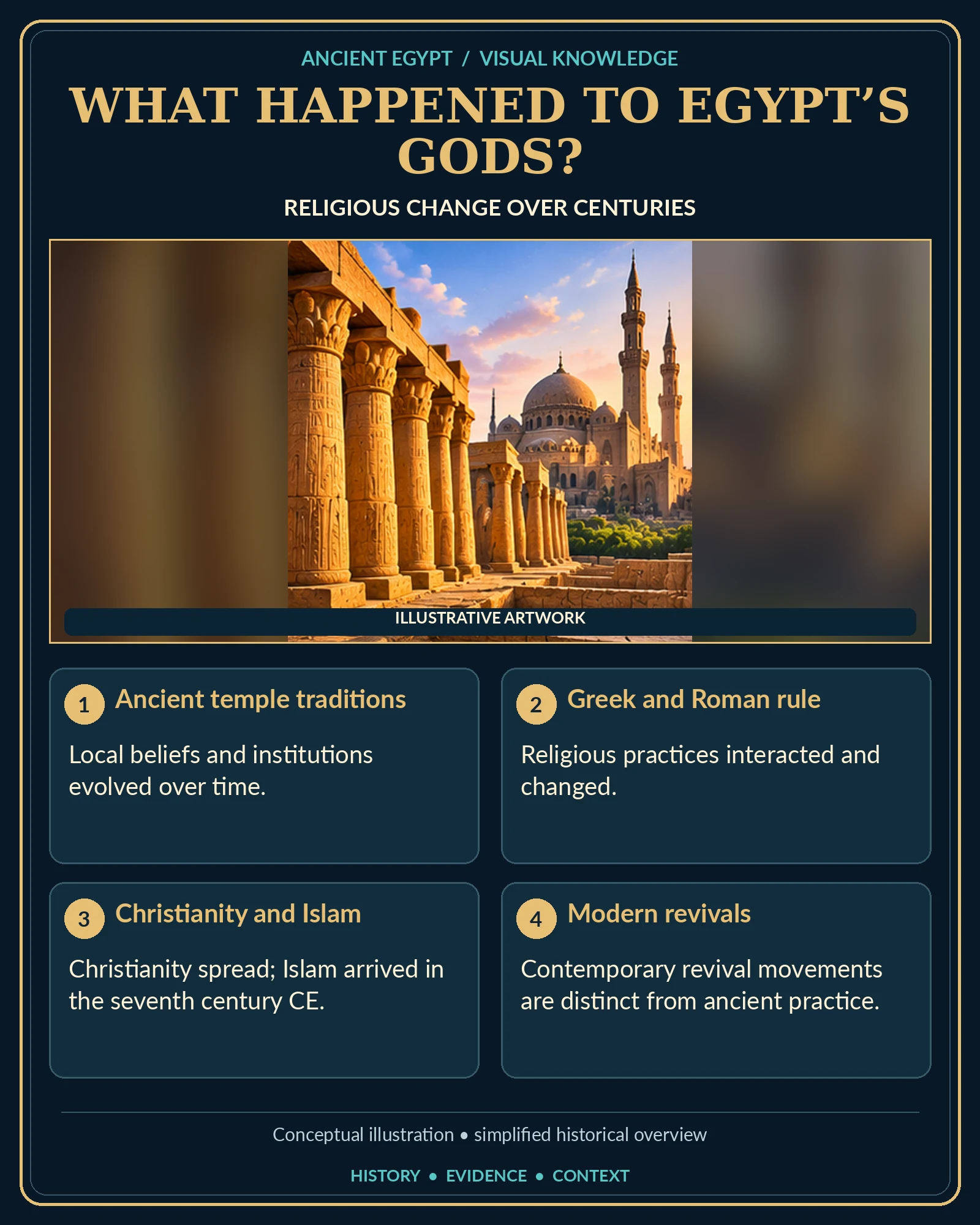
Quick Facts
| Point | Detail |
|---|---|
| Decline | Gradual, over several centuries |
| Key changes | Greek and Roman rule, spread of Christianity |
| Last temple worship | Late antiquity, with sites like Philae often cited |
| Modern revival | Kemetism and related reconstructionist groups |
How the old religion declined
Under Ptolemaic and Roman rulers, many temples continued, but royal support shrank over time. As Christianity grew and imperial policy changed, temple rites declined. Historians often point to Philae as a late site of worship, with dates debated.
Are the gods immortal?
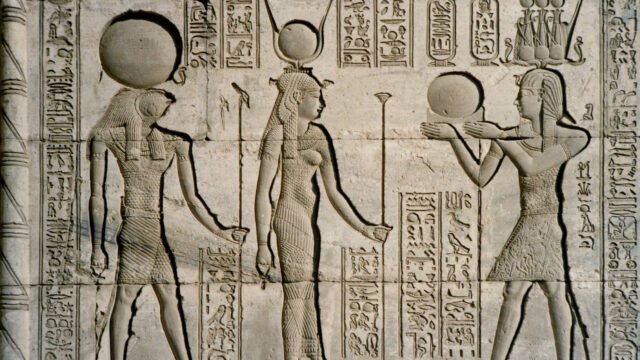
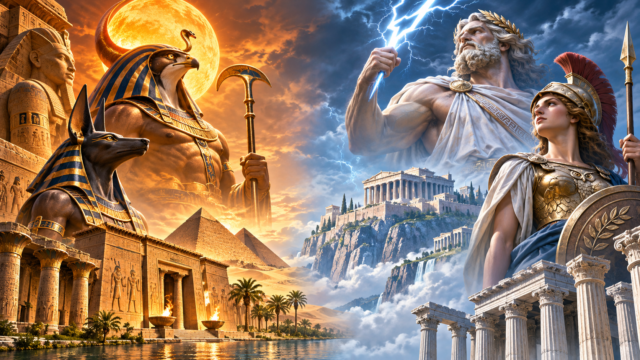
That is a question of faith. In Egyptian belief, gods were eternal beings. History records that worship of them ended as a public religion, while their stories and symbols survive in art, museums and culture. See our overview of Egyptian mythology.
Modern Kemetic belief
Kemetism is a modern religious movement inspired by ancient Egypt. Its followers reconstruct practice from texts and archaeology. It is not a direct unbroken survival of the ancient religion, and beliefs vary between groups.
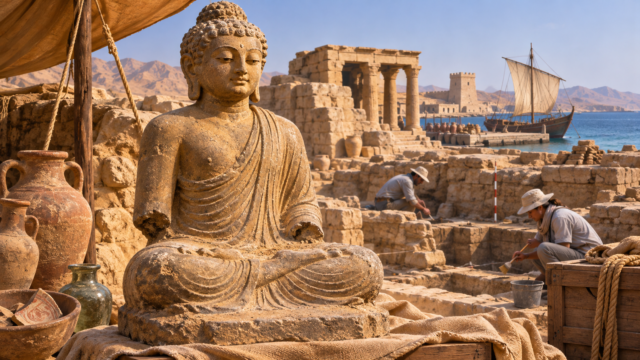
Story box (retold, simplified): A last priest closes a temple door and does not know it is the end of an age. Centuries later, people read his world in stone and papyrus. The temples fell silent, but the stories kept speaking.
History, Mythology and Speculation
| Category | Examples |
|---|---|
| History | Ptolemaic and Roman period, Christianisation, Islamic rule |
| Mythology | Eternal gods |
| Speculation | Secret survival of ancient priesthoods |
Myth vs Fact
| Popular claim | Careful answer |
|---|---|
| The religion vanished overnight | It declined over centuries |
| Egyptians still worship the old gods | Modern Egypt follows Islam and Christianity; Kemetism is a small modern movement |
| Secret priests still exist | No evidence |
Frequently Asked Questions
What happened to the Egyptian gods?
Their public worship declined over centuries.
Are the gods still worshipped?
Only by small modern groups.
What is Kemetism?
A modern revival inspired by ancient religion.
When did temple worship end?
In late antiquity, with dates debated.
What is Philae?
A temple island often cited as a late worship site.
Did Egyptians convert willingly?
Historians discuss a mix of social and political pressures.
Are the gods real?
Belief is personal; history records the worship.
How do we know about the religion?
Texts, temples and tombs.
Reliable Sources
- World History Encyclopedia: Egyptian Mythology
- Egypt Exploration Society: Gods of Egypt
- The Met: Divine Egypt
Last updated: 25 November 2026. Related reading: Egyptian mythology overview.












Share Your Opinion
Comments are closed on this post.