 Vista
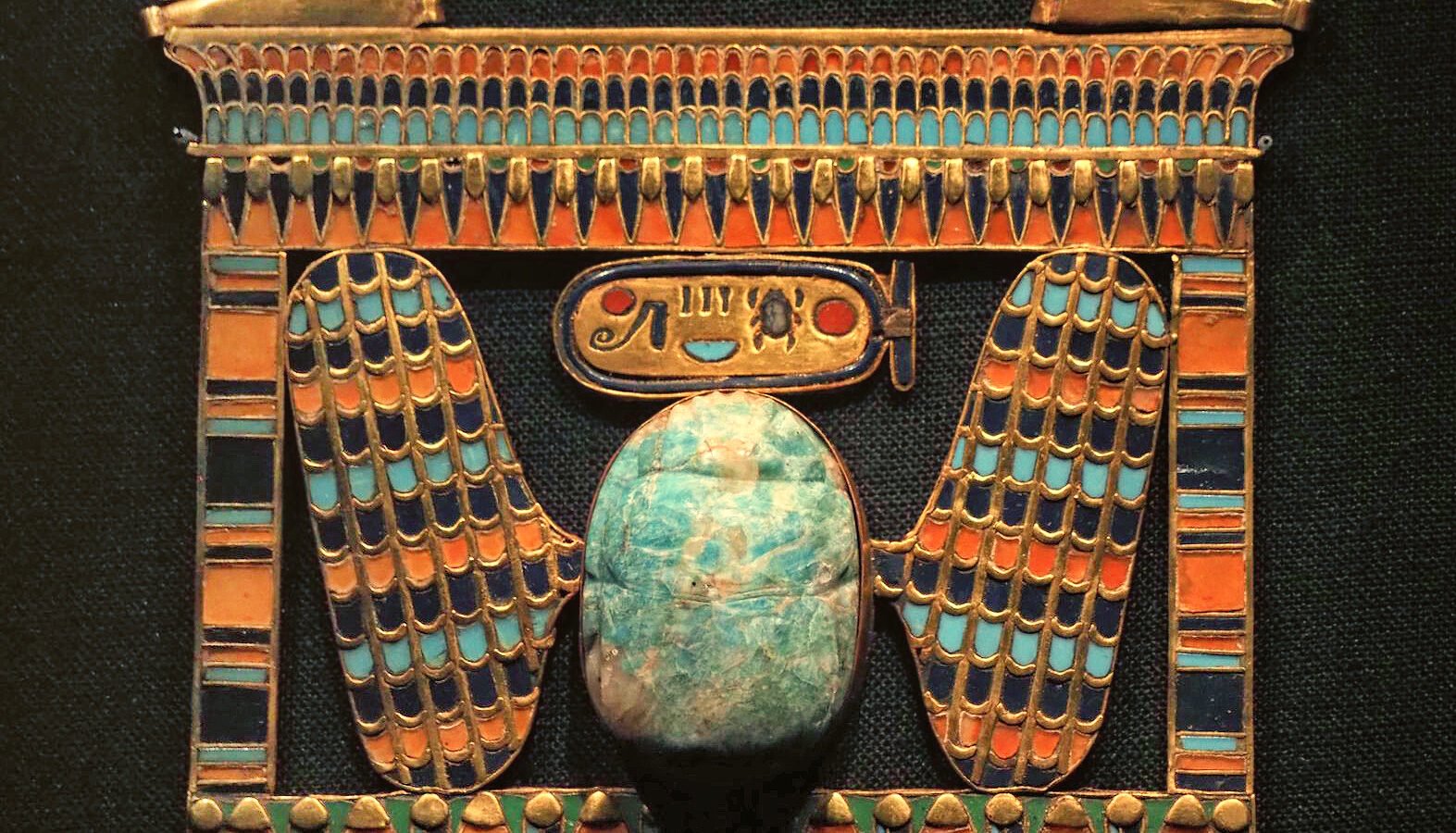
Short answer: Real ancient Egyptian artifacts, such as statues, weapons and jewellery, are held in museums in Egypt and around the world. A trustworthy photo comes with a museum name, an object number, a date range and an image credit. Use these details to tell genuine objects from replicas, souvenirs and AI images.
AUTHENTIC MUSEUM PHOTOGRAPHS

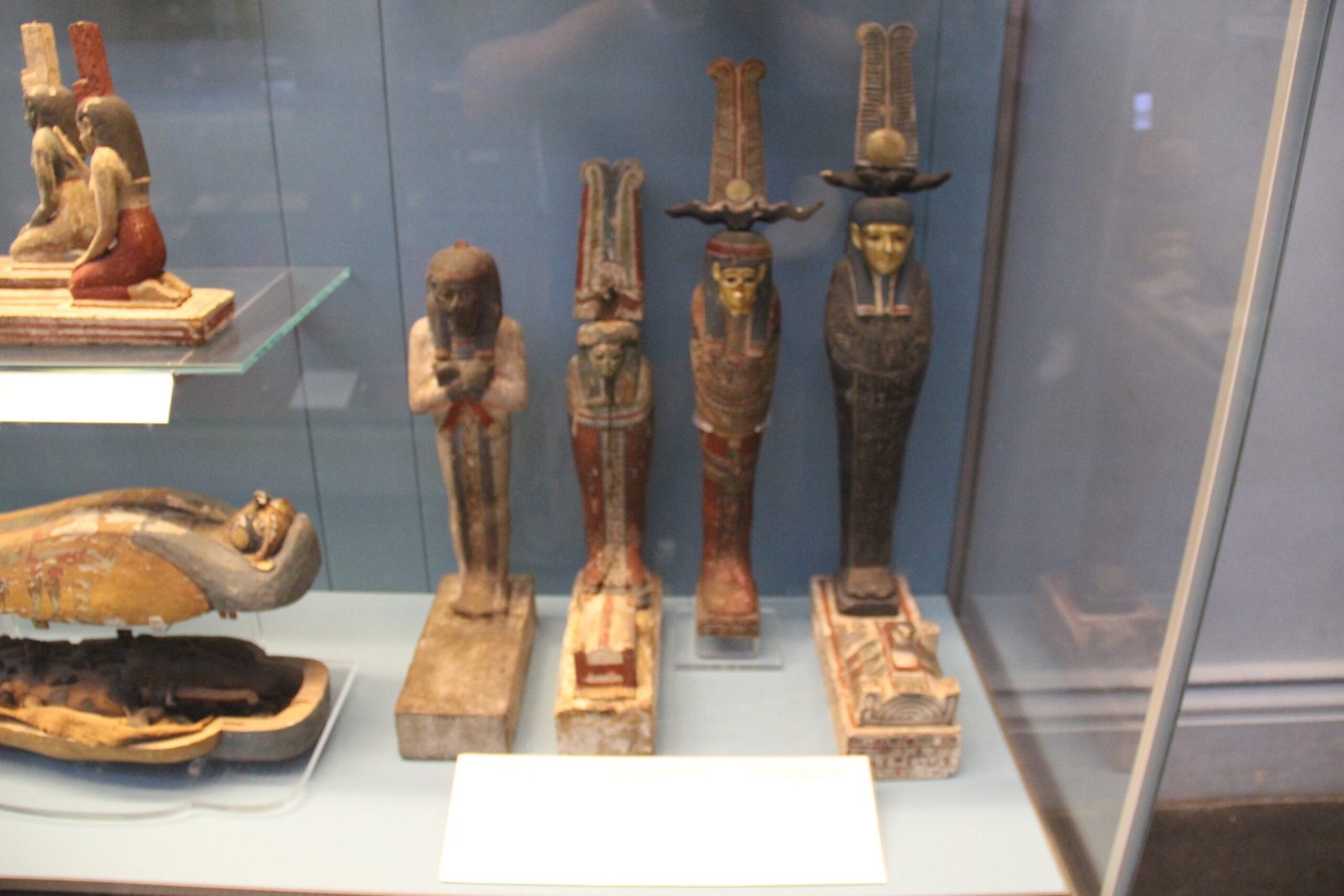
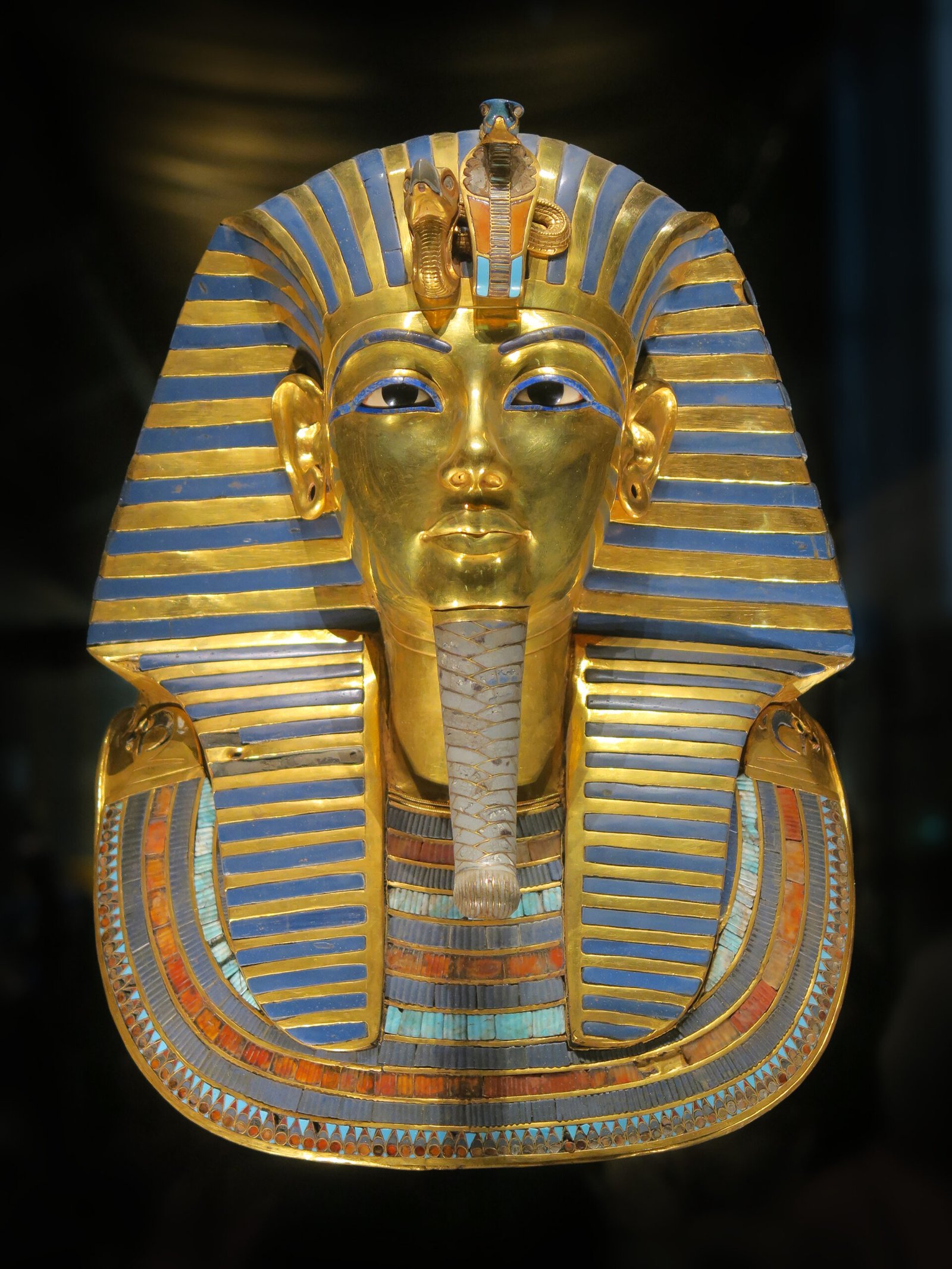
- Jewelry, sculpture and funerary objects reveal ancient craftsmanship.
- The objects pictured are individually credited.
- No verified weapon photograph is included in this selection.
Quick Facts
| Type | Typical materials | Where to look |
|---|---|---|
| Statues | Limestone, granite, wood, bronze | Egyptian museums, Louvre, British Museum, Met, Neues Museum |
| Weapons | Copper, bronze, flint, wood | Museum collections, tomb finds |
| Jewellery | Gold, silver, faience, carnelian, lapis lazuli, turquoise | Museum jewellery galleries |
Statues
Egyptian statues were made for temples and tombs, not as portraits for private homes. A statue could hold the spirit of a god, a king or an official. Faces follow ideal types, so a statue is a statement about status as much as likeness. Materials ranged from soft limestone to hard granite and bronze for god figures.
Gods often appear with animal heads, such as Anubis or Bastet. In a museum photo, check the label to see whether the object is a cult statue, an offering figure or a small amulet.
Weapons
Early Egyptian weapons included maces, bows, spears and flint knives. Bronze swords and curved blades such as the khopesh appear by the New Kingdom. Many surviving weapons come from tombs, and some, such as ceremonial daggers, were symbols of rank rather than battlefield tools.
Jewellery
Jewellery was worn by the living and placed with the dead. Common forms are collars, bracelets, rings and amulets, and materials carried meaning. Gold was linked with the gods, who were usually shown with golden skin, while blue stones such as lapis lazuli echoed the colour of the sky. Lapis was not local: it came from far away, with Afghanistan as the best-known source, which is one reason it was prized. Tutankhamun’s tomb is the best-known source of royal jewellery, see our Tutankhamun treasure guide.
Story box (imagined): A visitor sees a tiny gold ring behind glass. The label says it was made more than three thousand years ago. Suddenly the object feels less like a treasure and more like something a real person wore every day.
How to read a museum label
- Date: a range such as “New Kingdom” is more honest than a single year.
- Provenance: where and how the object was found or acquired.
- Accession number: the museum’s unique ID. At the British Museum it looks like “EA24”, where EA stands for Egyptian Antiquities.
- Replica note: some displays use copies to protect fragile originals.
History, Mythology and Speculation
| Category | Examples |
|---|---|
| History | Tomb goods, temple statues, craft workshops |
| Mythology | Statues as homes for gods, amulets for protection |
| Speculation | “Advanced technology” artifacts, cursed objects |
Myth vs Fact
| Popular claim | Careful answer |
|---|---|
| Jewellery was only for royalty | Ordinary people also wore simple jewellery and amulets |
| All weapons were for war | Some were ceremonial |
| Souvenir replicas are ancient | Check provenance and sellers |
| Artifacts are cursed | No evidence |
Frequently Asked Questions
Where can I see real Egyptian artifacts?
In major museums in Egypt and in Europe and North America. Check each museum’s website for current displays.
How can I tell a real artifact photo?
Look for a museum credit and an object number.
What were statues used for?
Temple worship, tomb offerings and royal display.
Which metals did Egyptians use?
Gold, silver, copper and later bronze.
What did amulets do?
They were meant to protect the wearer, in life and in the afterlife.
Can I buy genuine artifacts?
Be careful: export rules and forgeries are major problems. Use reputable, documented sellers only.
Are museum photos free to use?
Some collections offer open-access images, but many do not. The Met, for example, releases images of public-domain works under CC0, while other museums keep their photos under licence.
Why do statues look so similar?
Artists followed idealised conventions that expressed order and status.
Reliable Sources
- Metropolitan Museum of Art: Online Collection, Egyptian search
- Metropolitan Museum of Art: Open Access (CC0 images)
- British Museum: Collection online
- Louvre Collections
- Royal Society of Chemistry: Egyptian materials and pigments
Last updated: 26 November 2026.










Share Your Opinion
Comments are closed on this post.