 Vista
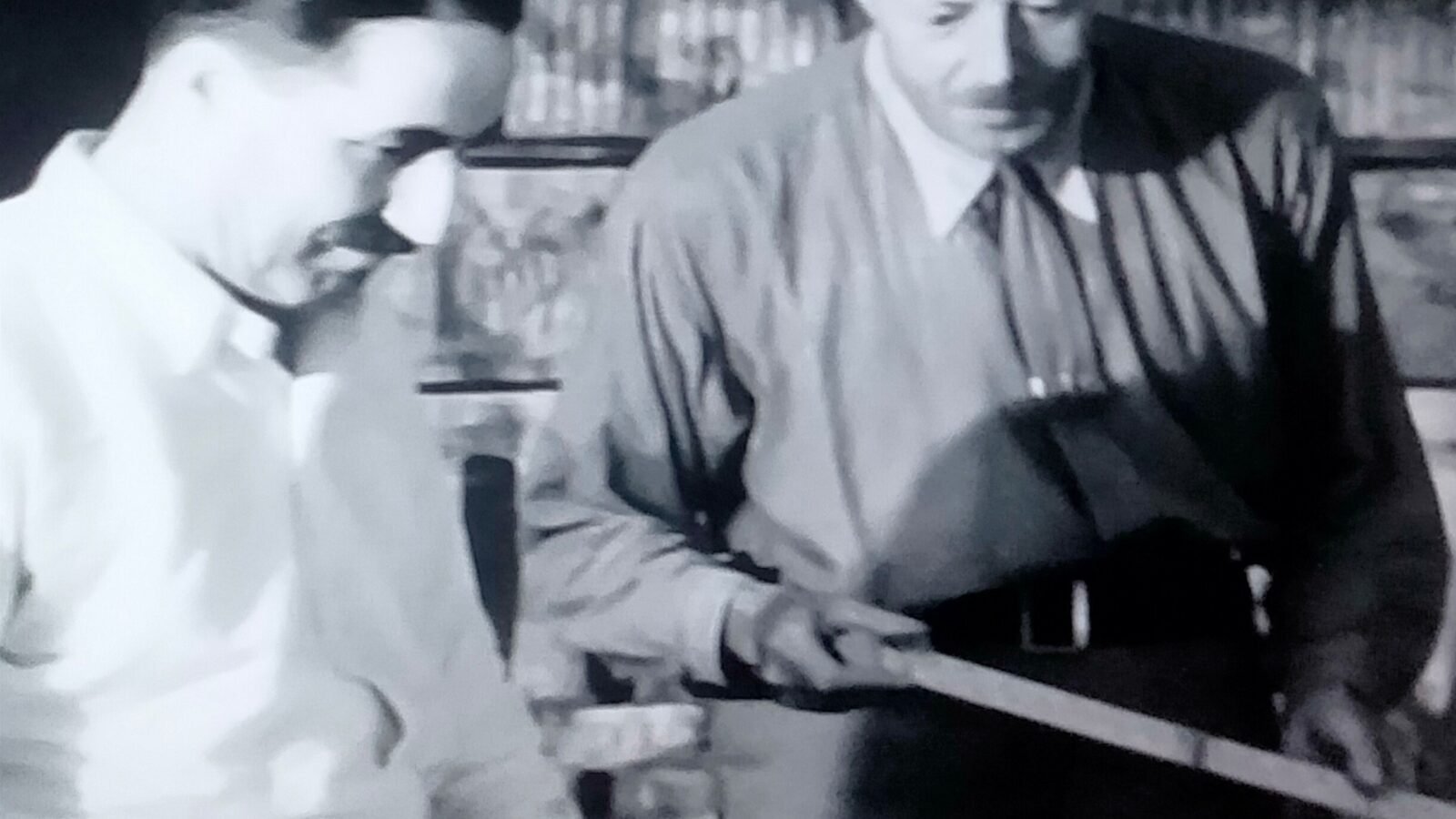
Short answer: The discovery of Tutankhamun’s tomb began in November 1922 when Howard Carter’s team found the first step. The excavation was photographed by Harry Burton, and his photographs are kept in the Griffith Institute’s Tutankhamun Archive at Oxford. The original copyright has expired, but the Institute still controls reproduction rights in its digital scans, so check licences before you use any archival picture.
ARCHIVAL PHOTOGRAPHY
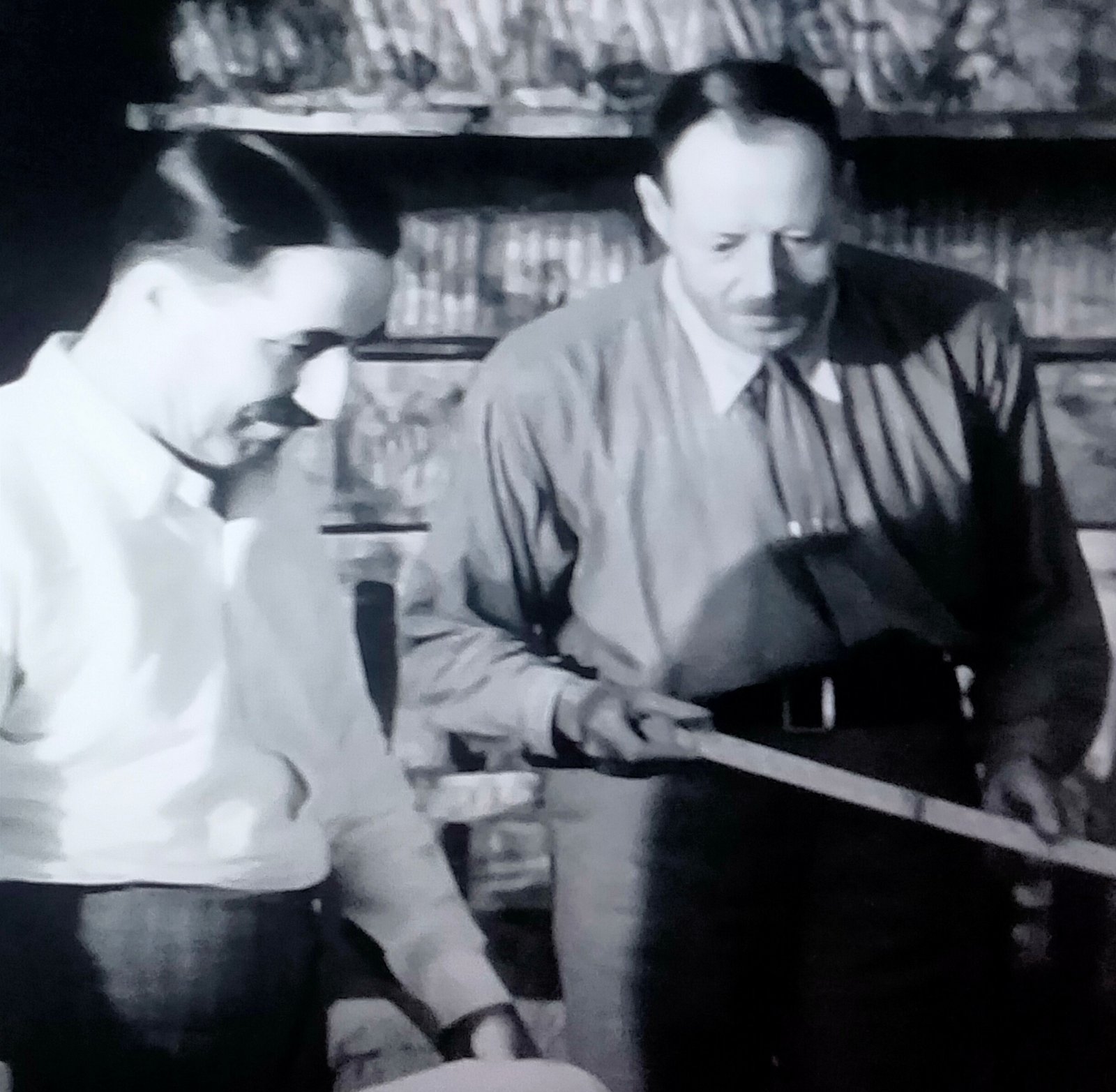
- 1922 — discovery of the tomb.
- Later excavation and documentation continued over several seasons.
- This Harry Burton photograph dates to approximately 1924, not 1922.

Quick Facts
| Point | Detail |
|---|---|
| Tomb | KV62 in the Valley of the Kings, near Luxor |
| First step found | 4 November 1922 |
| Sealed doorway looked through | 26 November 1922 |
| Burial chamber doorway opened | 16 February 1923, photographed by Burton |
| Excavation photographer | Harry Burton |
| Archive | Tutankhamun Archive, Griffith Institute, University of Oxford |
How the discovery happened
Howard Carter was working for Lord Carnarvon in the Valley of the Kings when the first step of a staircase was found on 4 November 1922. On 26 November he looked through a small hole in the sealed doorway into the chambers beyond. Because the tomb had escaped the heavy looting that stripped most royal tombs, it was the most intact royal burial known at the time, and the news spread worldwide. The following years of careful clearing took about a decade.
The discovery also launched “Tutmania”, a wave of public interest that influenced film, fashion and design, including the 1932 mummy movie. If you want to separate the real story from the legend, read our Tutankhamun curse fact-check.
Harry Burton’s photographs
Harry Burton did most of the photography for the tomb. His images became almost as famous as the king, and the Griffith Institute’s website even refers to all the excavation photographs in the archive as “Burton photographs”. One of his well-known pictures, taken on 16 February 1923, shows Lord Carnarvon and Howard Carter opening the sealed doorway of the burial chamber. Others show conservators working on objects, such as the work on a guardian statue in January 1924.
Two sets of original Burton negatives exist: one in the Griffith Institute Archive in Oxford and one at the Metropolitan Museum of Art in New York. The Griffith Institute received the Carter records, with their copyright, after Carter’s death in 1939. Although the original copyright has expired, the Institute owns the reproduction rights in its digital scans and asks for permission and fees for publications.
Scholars also point out a quiet problem: photographs shown without captions or credit become “set dressing” that signals Tutankhamun and a romantic golden age, while hiding the Egyptian workers and the colonial politics behind the excavation. A good photo page names the photographer, the date and the archive number.
How to read a historical excavation photo
- Find the caption, date and negative number. A photo with no reference is hard to trust.
- Notice who is posed. Many staged images show Carter and his European colleagues, while Egyptian workers are less visible.
- Check whether the picture shows the original position of objects or a later arrangement for the camera.
- Be careful with colourised versions. They add colour that the original black-and-white negative does not contain.
Story box (imagined): A photographer sets up a heavy camera in a narrow tomb with a glass-plate negative. He cannot move quickly, so the photograph must be planned. The result is a still, careful image that we can still study a century later.
History, Mythology and Speculation
| Category | Examples |
|---|---|
| History | 4 November 1922 discovery, Burton’s photographs, the Griffith archive |
| Mythology | The burial equipment meant for the king’s afterlife |
| Speculation | The “pharaoh’s curse”, hidden chambers, secret documents |
Myth vs Fact
| Popular claim | Careful answer |
|---|---|
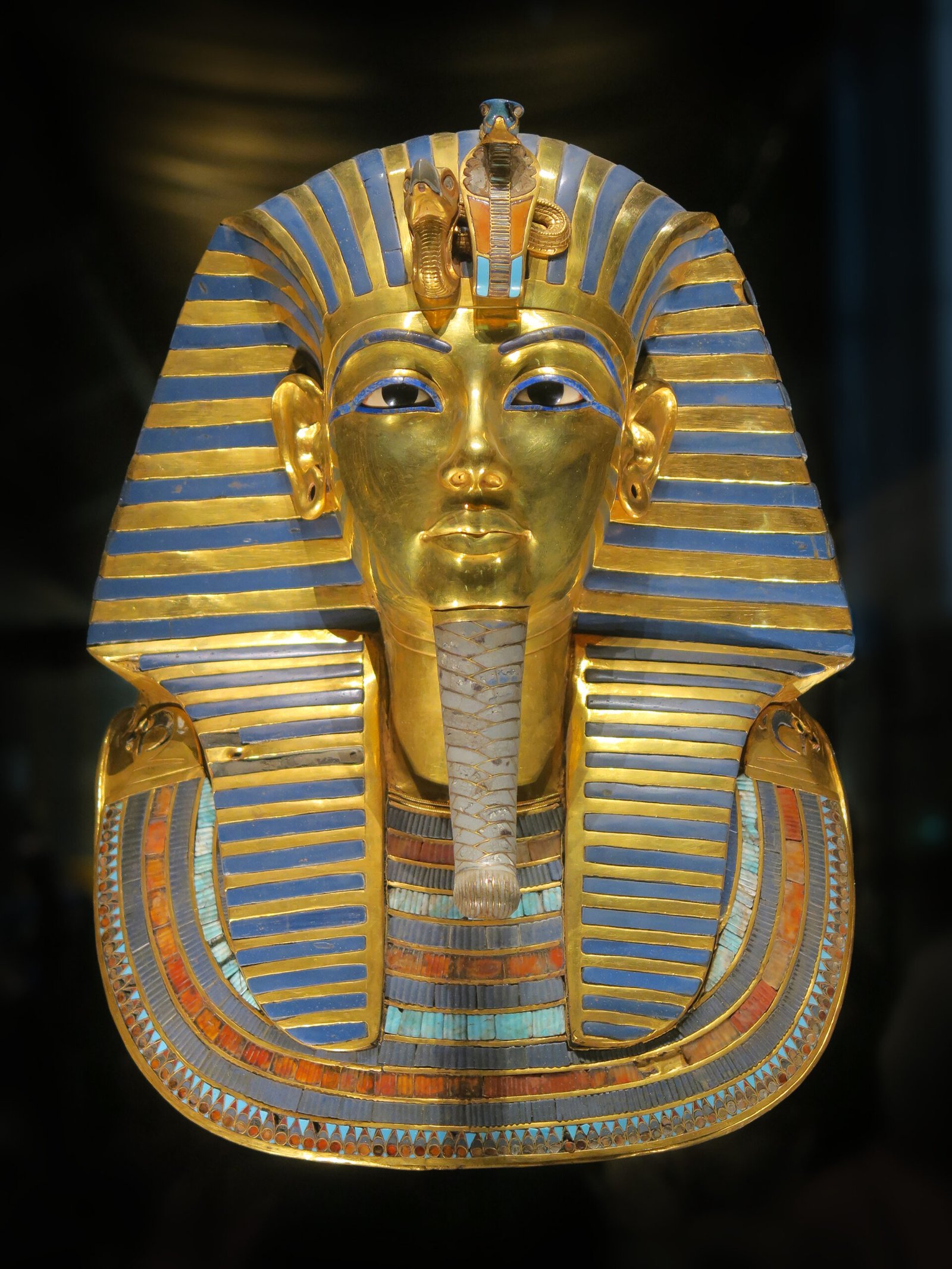
| Carter found the mask in 1922 | The tomb was found in 1922; the mask was revealed in 1925 |
| All old photos are public domain | The archive controls reproduction of its scans |
| Colour photos exist from 1922 | Burton’s images are black and white; colour versions are later |
| Carter worked alone | A large team of specialists and workers took part |
Frequently Asked Questions
When was Tutankhamun’s tomb discovered?
The first step was found on 4 November 1922.
Who photographed the excavation?
Mainly Harry Burton.
Where are the original photographs?
The Griffith Institute in Oxford holds the archive, and the Metropolitan Museum of Art holds a second set of negatives.
Can I use Burton photographs freely?
Not automatically. Check the Griffith Institute’s image rights and fees page.
When did Carter see inside the tomb?
He looked through the sealed doorway on 26 November 1922.
When was the burial chamber opened?
A well-known Burton photograph dated 16 February 1923 shows the sealed burial chamber doorway being opened.
Are there colour photos of the excavation?
The original photographs are black and white. Colour versions are later colourisations.
Why do photo captions matter?
They give date, place, photographer and archive number, which lets readers verify the image and understand who is missing from it.
Reliable Sources
- Griffith Institute: Tutankhamun Archive images
- Griffith Institute: Image rights and fees
- Griffith Institute: History of the Archive
- British Academy: How 20th-century colonial politics shaped the story of Tutankhamun’s tomb
- National Geographic: How King Tut conquered pop culture
Last updated: 26 November 2026.












Share Your Opinion
Comments are closed on this post.