 Vista
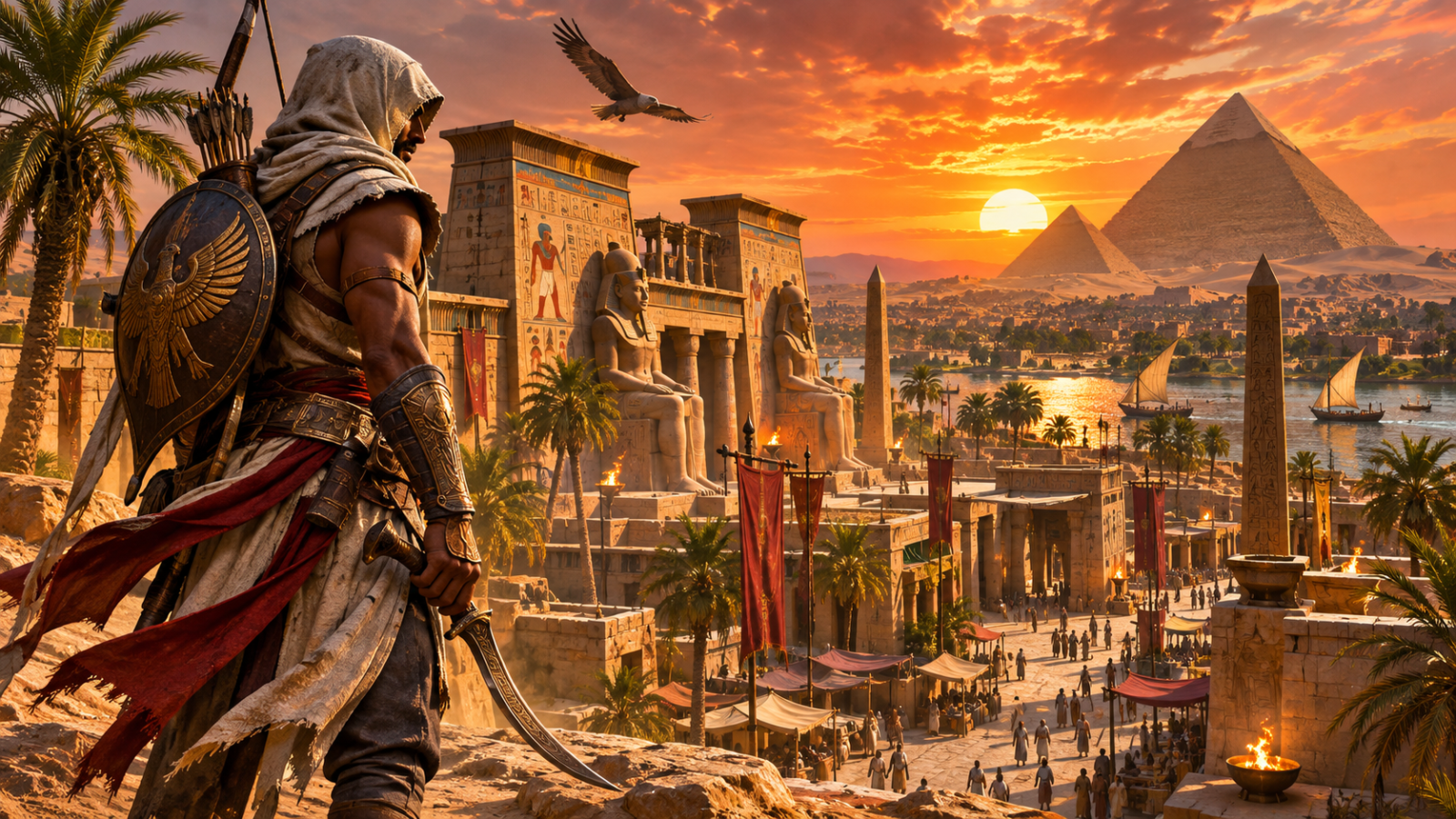
Short answer: Assassin’s Creed Origins (2017) is set in Ptolemaic Egypt around the time of Cleopatra, and it is praised for recreating many sites, clothes and daily scenes with the help of historians. It also invents characters, compresses geography and turns Egyptian gods into gameplay and story hooks. The free Discovery Tour mode is the best way to learn real history from the game.

Quick Facts
| Point | Detail |
|---|---|
| Game | Assassin’s Creed Origins, Ubisoft Montreal, released in 2017 |
| Period | Ptolemaic Egypt, the last dynasty before Roman rule |
| Hero | Bayek of Siwa, a fictional character |
| Real figures | Cleopatra, Ptolemy XIII, Julius Caesar appear |
| Educational mode | Discovery Tour by Assassin’s Creed: Ancient Egypt, with no combat |
What the game gets right
Ubisoft worked with historians and Egyptologists, and the game’s Discovery Tour turned the map into a guided museum about Ptolemaic Egypt. Reviewers praised its recreation of Alexandria, Memphis, Giza and the Nile landscape, and several Egyptologists have said the period is shown more carefully than in most games. The game also shows that Egypt in 49 to 47 BCE was already ancient, so the pyramids appear as monuments more than 2,000 years old.
What is invented or simplified
- Bayek, his family and the Order of the Ancients are fictional.
- Distances between cities are compressed so the map is playable.
- Mythological boss fights and the god-like animations in side missions are artistic additions.
- Some designs mix periods for visual impact.
Ubisoft itself admits that some details are there to create a mood rather than to reconstruct history.
Gods and pyramids in the game
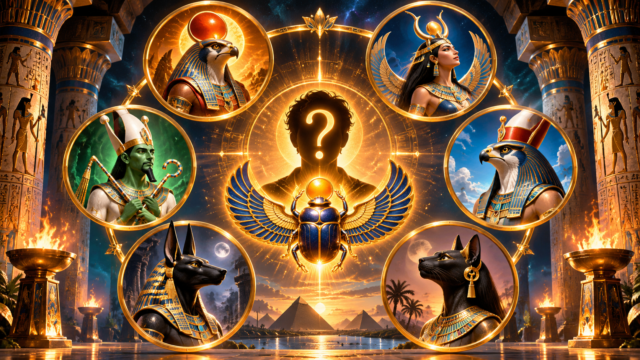
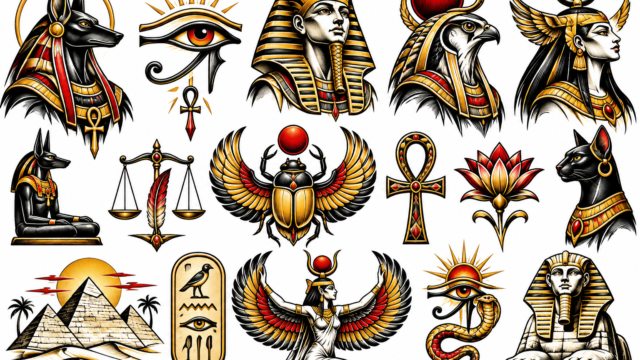
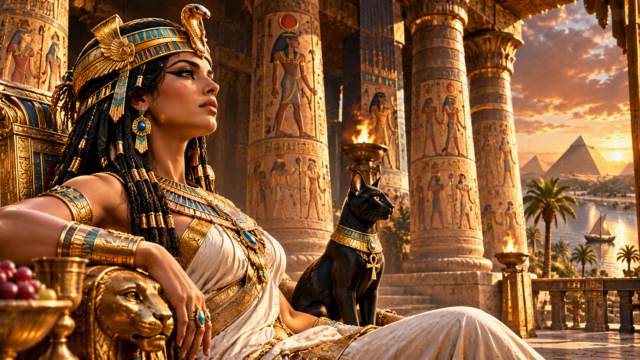
Real gods such as Anubis, Ra, Sobek and Bastet appear in temples, tombs and the game’s mythology. In Ptolemaic times Egyptians still worshipped these gods, alongside Greek cults. The pyramids are shown as ancient, restored tourist-like sites. For pyramid facts see Egyptian pyramid mysteries: facts vs myths.
Story box (imagined): A player stops hunting a target and simply stands before the Great Pyramid at dawn. It looks old, even to the people in the game. That small moment is closer to history than any boss fight.
History, Mythology and Fiction
| Category | Examples |
|---|---|
| History | Cleopatra’s rise, Ptolemaic rule, Alexandria, Roman involvement |
| Mythology | Gods of the Egyptian pantheon, tomb beliefs |
| Fiction | Bayek, the Hidden Ones story, the Order of the Ancients, the Animus frame |
Myth vs Fact
| Popular claim | Careful answer |
|---|---|
| The game is a perfect history lesson | It is a story with real research behind it |
| Egypt in the game is the age of the pharaohs of the pyramids | It is the late Ptolemaic period |
| The gods act in person | Only in game fiction |
| Discovery Tour has no history | It is designed as a guided educational mode |
Frequently Asked Questions
When is Origins set?
In Ptolemaic Egypt around the time of Cleopatra, roughly the late first century BCE.
Is Bayek a real person?
No, he is fictional.
Is Cleopatra accurate?
The game shows the real political setting but dramatizes events.
What is the Discovery Tour?
A non-combat educational mode that works as a guided tour of Ptolemaic Egypt.
Do the gods exist in the game?
As characters in missions, yes, but this is fiction.
Were the pyramids new in Cleopatra’s time?
No. They were already more than 2,000 years old.
Can games teach history?
They can spark interest, but always check against museum and scholarly sources.
Is it safe for kids?
The main game is violent. The Discovery Tour is the milder choice. Check the age rating.
Reliable Sources
- CBC: How historians helped recreate ancient Egypt in Assassin’s Creed Origins
- Ubisoft News: Why three Egyptologists are teaching history through Origins
- PCGamesN: How well does Origins capture history?
- PCWorld: Discovery Tour mode
Last updated: 26 November 2026.













Share Your Opinion
Comments are closed on this post.