Understanding Nighttime Panic and a Racing Heart
Imagine this: you wake up suddenly in the middle of the night. Your heart is pounding in your chest, your palms are sweaty, and an overwhelming sense of dread washes over you. There’s no apparent danger, yet you feel like something terrible is about to happen. While some might attribute this to supernatural causes, it’s often a manifestation of a panic attack or other physiological responses.
It’s crucial to understand that experiencing these symptoms doesn’t automatically mean you have a panic disorder. Your body’s fear response, designed to alert you to danger, can sometimes activate without an external threat. The key is to investigate the source of these intense feelings rather than jumping to conclusions.
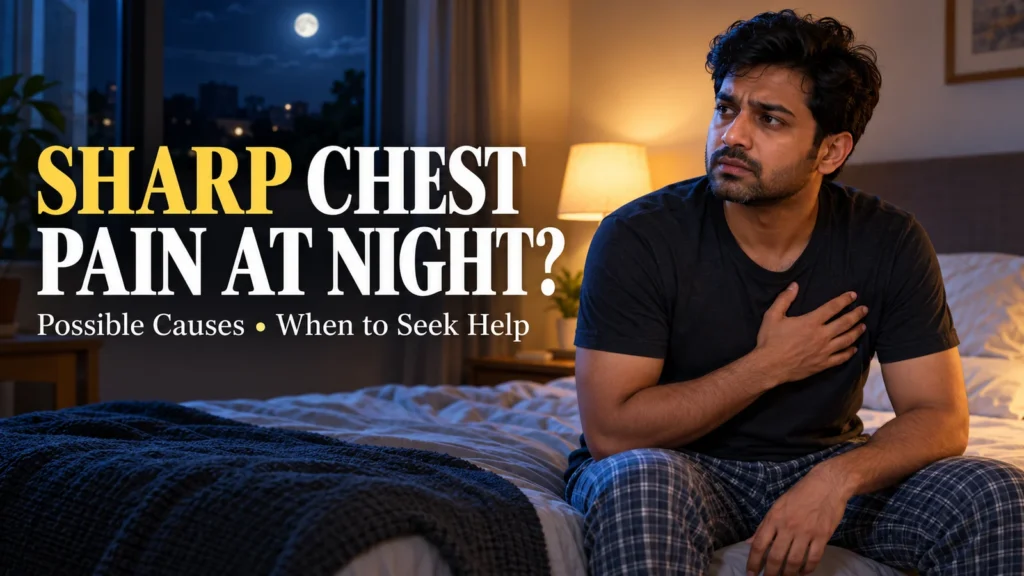
Important Note: If you experience new or severe chest pain, significant difficulty breathing, fainting, or unusual weakness, seek immediate medical attention. Do not wait to manage these symptoms with home remedies. In India, emergency services can be reached at 112, or you can go to the nearest emergency department.
What You Might Feel During a Panic Attack
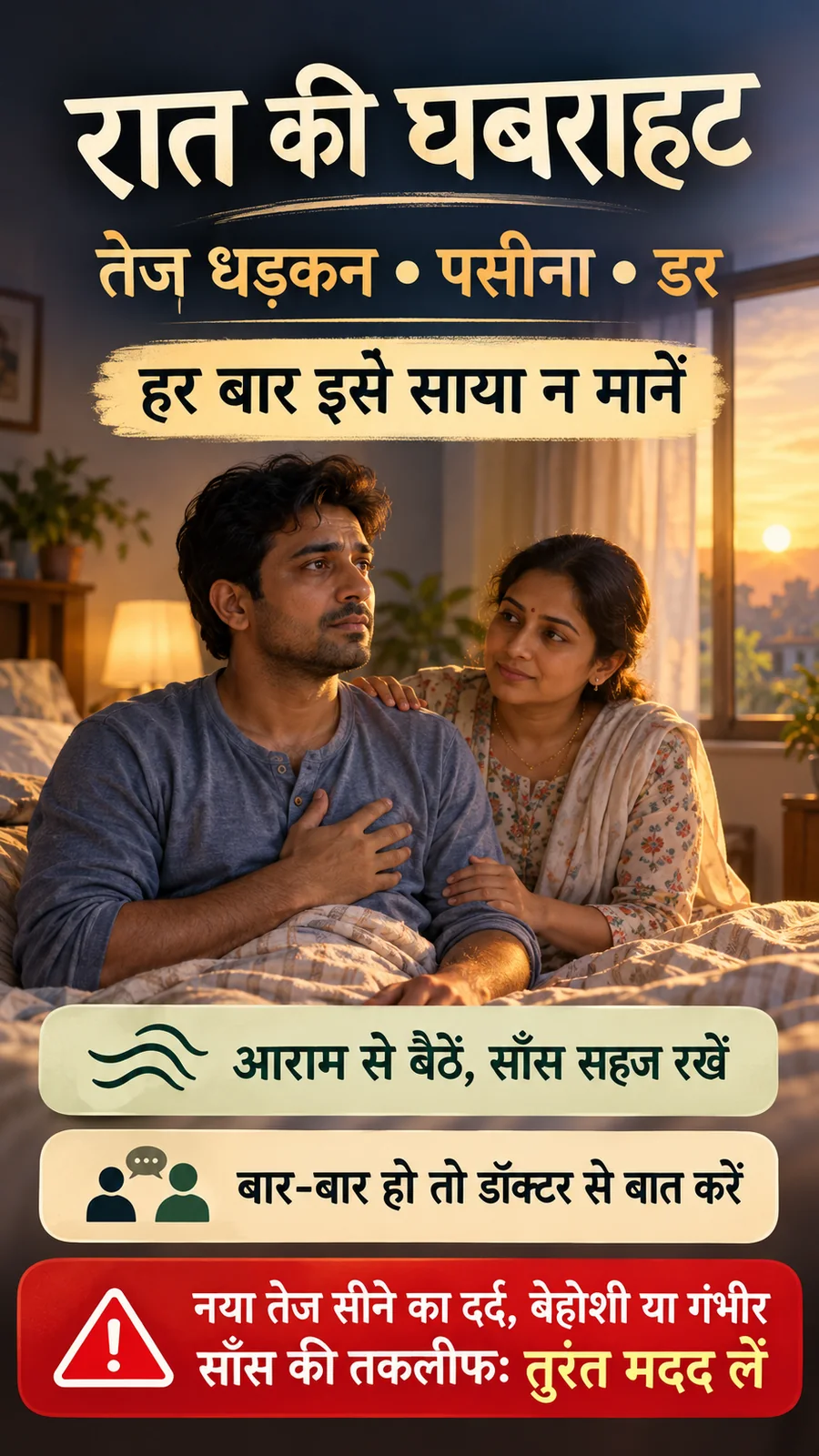
A panic attack is characterized by a sudden surge of intense fear accompanied by physical symptoms such as a rapid heartbeat, trembling, sweating, dizziness, nausea, or a feeling of shortness of breath. Your mind might race, telling you that you’re losing control or that something catastrophic is about to occur.
Think of your body’s fear response like a house alarm. When it blares loudly, it signals potential danger. However, the first step is always to check the source of the alarm. Similarly, your body’s fear response can be triggered even when there’s no clear external threat. While these feelings are real and intense, understanding their potential origins is the first step toward managing them.
If someone tells you they are genuinely scared, the most helpful response is to listen. Labeling their experience as drama, a sign of weakness, or a lack of faith is not constructive. The goal of identifying the issue is to open pathways to treatment, not to stigmatize the individual.
Not All Nighttime Awakenings Are the Same
The experience of waking up suddenly with panic and a racing heart can stem from various sources. These include nightmares, sleep-related phenomena that occur while awake, breathing problems, or episodes that mimic panic attacks. It’s helpful to consider:
- Do you remember a dream?
- Was your body immobile for a period?
- Did you experience snoring or gasping for air?
Sharing these details with a doctor can be very informative. Additionally, factors like medication, substance use or changes in use, and certain physical illnesses need to be evaluated. A doctor will consider your health history and conduct necessary examinations.
Self-diagnosing conditions like thyroid issues, heart disease, or anxiety based solely on a list of symptoms found online is not advisable. While daily stress can contribute to physical symptoms, it’s not accurate to attribute every bodily sensation to stress alone. If you’re experiencing an unusual episode for the first time, or if your symptoms differ from previous experiences, it’s important to communicate this clearly. The notion that “it happens every night, so it must be a ghost” is not a basis for medical investigation.
Fact: One Panic Attack Doesn’t Mean Panic Disorder
An individual can experience an episode that feels like a panic attack without meeting the criteria for a full panic disorder. A diagnosis of panic disorder typically involves recurrent, unexpected attacks, a persistent worry about future attacks, and a significant impact on daily life. These aspects are assessed by a qualified professional.
The use of phrases like “it may be” in this article is intentional. It reflects the need for a personalized assessment of your specific situation to determine the cause. Misattributing chest pain or breathing difficulties solely to panic can be dangerous.
Immediate Steps for Managing Symptoms (When No Emergency Signs Are Present)
If you wake up with panic and a racing heart but no emergency signs, try these steps:
- Find a Safe Space: Sit down comfortably in a safe place.
- Loosen Clothing: If your clothing feels tight, loosen it. Let a trusted person know what’s happening.
- Focus on Breathing: Try to breathe naturally and slowly. Avoid taking excessively deep breaths, holding your breath, or using paper bag breathing techniques, as these can sometimes worsen symptoms. A gentle nasal inhale and a relaxed mouth exhale, without force, can be helpful.
- Don’t Force It: If focusing on your breath increases discomfort or symptoms persist, seek help. This is not a substitute for medical evaluation or treatment.
- Ground Yourself: Shift your attention to ordinary things around you: the feel of the bed, the light in the room, the voice of someone nearby.
Remember, these are immediate coping strategies, not guaranteed cures. Avoid trying new remedies, taking unknown medications, or endlessly searching for frightening information online during such episodes.
Preparing for the Next Day: Record Keeping and Family Support
The following day, consider making a brief record of your experience:
- When did it start?
- What did you feel?
- Were you dreaming?
- How long did it take to feel better?
- Did anyone notice snoring or gasping?
The duration can be approximate; there’s no need to time it with a stopwatch during a fearful event. Also, note your intake of caffeine, sleep patterns, prescribed medications, and any recent life changes.
If you find yourself frequently checking your pulse or relying on internet diagnoses, which increases your fear, discuss this habit with your doctor. Family members can offer support by saying, “Let’s first ensure you’re safe, and then we can understand what happened.” Arguments, pressure for superstitious remedies, or shaming can make the situation more difficult. It’s possible to acknowledge an illness while respecting the individual’s experience.
When to Seek Professional Help: Doctor and Counseling
If these episodes recur, you start fearing sleep, or your daily life, work, or social activities are significantly impacted, it’s time to consult a primary healthcare provider or physician. Depending on the cause and your needs, you may be referred to a mental health professional or a sleep specialist.
Treatment for panic disorder can involve psychotherapy, medication, or a combination of both. Therapies like Cognitive Behavioral Therapy (CBT) work on cycles of thoughts, fears, and behaviors. It’s not advisable to self-medicate, take someone else’s prescribed medication, or suddenly stop your own medication without professional guidance.
Seek help in your own language: “I experience increased heart rate with fear at night, and I want to understand the cause.” You can maintain the peace you find in your faith, but do not let it substitute for a medical investigation. The path to relief involves a safe assessment, regular follow-ups, and family support.
Frequently Asked Questions
Is nighttime panic a sign of supernatural influence?
Panic and a racing heart do not confirm supernatural causes. There are many potential explanations, including panic attacks. If symptoms are recurrent or severe, it’s important to get them checked.
Can a panic attack happen for no reason?
Sometimes, there might not be an obvious trigger present at the time of an attack. This does not automatically diagnose panic disorder.
Is chest pain always anxiety?
No. New, severe, or unusual chest pain, especially when accompanied by shortness of breath or fainting, requires immediate medical attention.
Are breathing exercises a cure?
Gentle, slow breathing can help some people calm down. However, it is not a substitute for emergency care, medical evaluation, or ongoing treatment.
Is going to a psychologist a sign of weakness?
No. Seeking professional help is a way to understand and manage fears and their impact on your life.
This is general information and not a substitute for personal diagnosis or treatment. Seek professional help for severe or persistent symptoms.