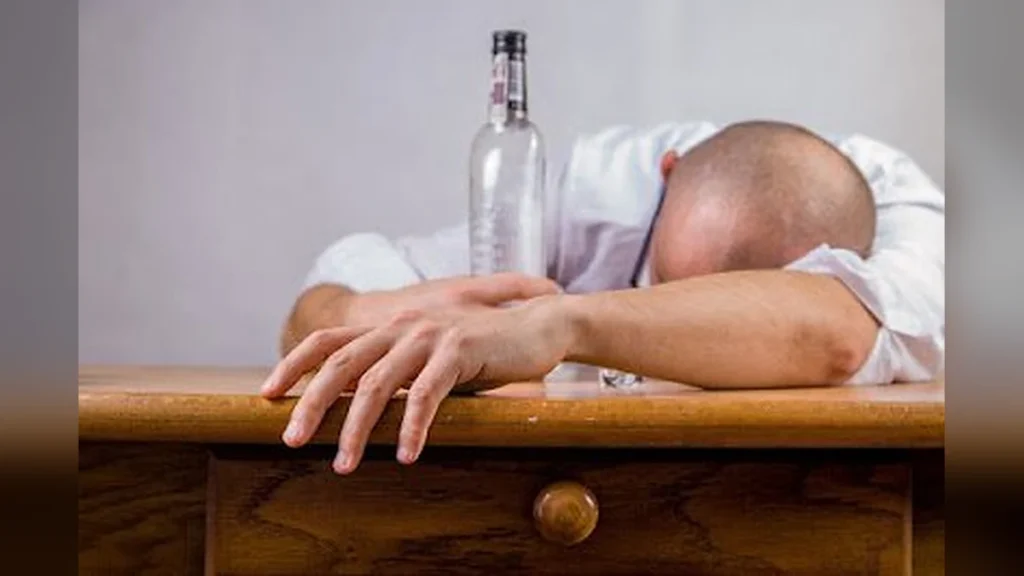
Before changing your drinking: Alcohol dependence can make abrupt withdrawal dangerous. Get medical advice before stopping suddenly. Seizures, hallucinations, marked shaking or confusion need emergency hospital assessment. Never combine alcohol with sleeping pills or take sedatives without a prescription.
Understanding Sleep Problems When Quitting Alcohol
Many individuals who struggle with alcohol dependence find that sleep becomes a significant challenge when they try to quit or reduce their intake. This isn’t uncommon; alcohol significantly impacts the brain’s natural sleep-wake cycle. While it might initially seem to induce sleep, it disrupts the quality of sleep, leading to frequent awakenings and a lack of restorative rest. This can create a vicious cycle where the inability to sleep without alcohol leads to continued drinking, further entrenching the dependence.
Why Alcohol Disrupts Sleep

Alcohol is a central nervous system depressant. Initially, it can make you feel drowsy, but as your body metabolizes it, a rebound effect occurs. This leads to increased alertness, anxiety, and disrupted sleep architecture, particularly in the latter half of the night. Chronic alcohol use can also deplete essential vitamins and minerals, such as calcium and Vitamin B12, which are crucial for hormone balance and neurotransmitter function, further contributing to sleep disturbances and mood swings like nervousness and frequent waking.
Strategies for Better Sleep After Quitting Alcohol
Regaining natural sleep after alcohol dependence requires a multi-faceted approach. Here are some practical steps and lifestyle adjustments:
Dietary Adjustments for Sleep
While it’s generally advised to avoid heavy meals close to bedtime, when you’re quitting alcohol, prioritizing nutrition is key. Consider a protein-rich meal about an hour before sleep. For non-vegetarians, lean protein sources like chicken can be beneficial. For vegetarians, a glass of warm turmeric milk can be soothing. Additionally, incorporating foods rich in calcium and Vitamin B12 can help replenish deficiencies caused by long-term alcohol use.
Natural Sleep Aids and Habits
Keep a regular sleep schedule and a calm bedtime routine. Ginger, salt, Triphala or other herbs are not established treatments for alcohol withdrawal. Discuss supplements and persistent insomnia with your clinician.
Establishing a Routine
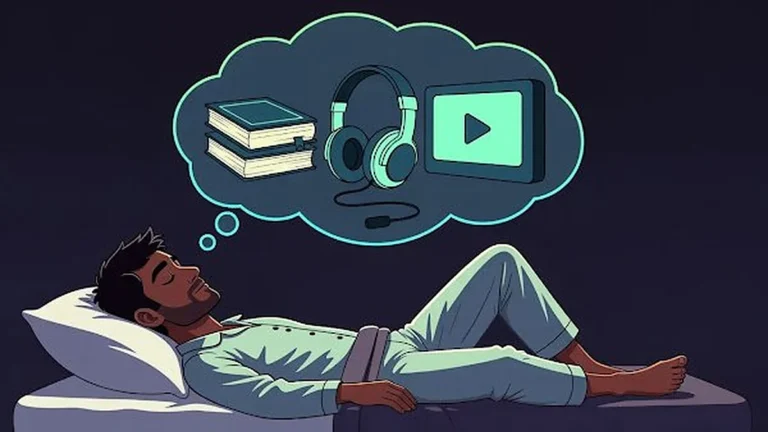
Consistency is vital. Try to go to bed and wake up around the same time every day, even on weekends. This helps regulate your body’s internal clock. Creating a relaxing bedtime routine, such as reading a book, taking a warm bath, or listening to calming music, can signal to your body that it’s time to wind down.
When to Seek Professional Help
If sleep problems persist despite these efforts, or if you experience severe withdrawal symptoms, it’s essential to consult a healthcare professional. They can provide personalized advice, assess for underlying conditions, and discuss treatment options, which may include therapy or medication to manage withdrawal and sleep disturbances.
Frequently Asked Questions
Q1: How long does insomnia typically last after quitting alcohol?
The duration of insomnia after quitting alcohol varies greatly among individuals. For some, sleep patterns may begin to improve within a few weeks, while for others, it can take several months for the body’s natural sleep-wake cycle to fully recalibrate. Factors like the duration and amount of alcohol consumed, overall health, and the presence of other co-occurring conditions can influence recovery time.
Q2: Can I take sleep medication when I’m quitting alcohol?
It’s crucial to consult a doctor before taking any sleep medication when quitting alcohol. Some sleep aids can be habit-forming or interact negatively with alcohol withdrawal symptoms. A healthcare professional can recommend safe and appropriate options, if necessary, and monitor your progress.
Q3: What are some natural remedies for sleep during alcohol withdrawal?
A consistent sleep routine and relaxation may support sleep. They do not treat dangerous withdrawal. Do not use herbal or sleeping products to replace clinical assessment, especially while still drinking.
Q4: Will my sleep improve permanently after quitting alcohol?
For most people, yes. Once the body has had sufficient time to heal and re-regulate its natural sleep cycles, significant improvement in sleep quality and duration is common. Maintaining a healthy lifestyle and avoiding relapse are key to long-term sleep recovery.
Q5: What is alcohol-dependent sleep disorder?
Alcohol-dependent sleep disorder is characterized by persistent sleep disturbances that occur in individuals with a history of alcohol dependence. This can include difficulty falling asleep, staying asleep, and experiencing poor sleep quality, often continuing even after alcohol consumption has ceased. It reflects the profound impact alcohol has on the brain’s sleep regulation mechanisms.
Breaking free from alcohol dependence and reclaiming restful sleep is a journey. By understanding the underlying issues and implementing consistent, healthy strategies, you can achieve better sleep and a healthier life.
NHS alcohol-use disorder and withdrawal guidance: NHS alcohol-use disorder and withdrawal guidance