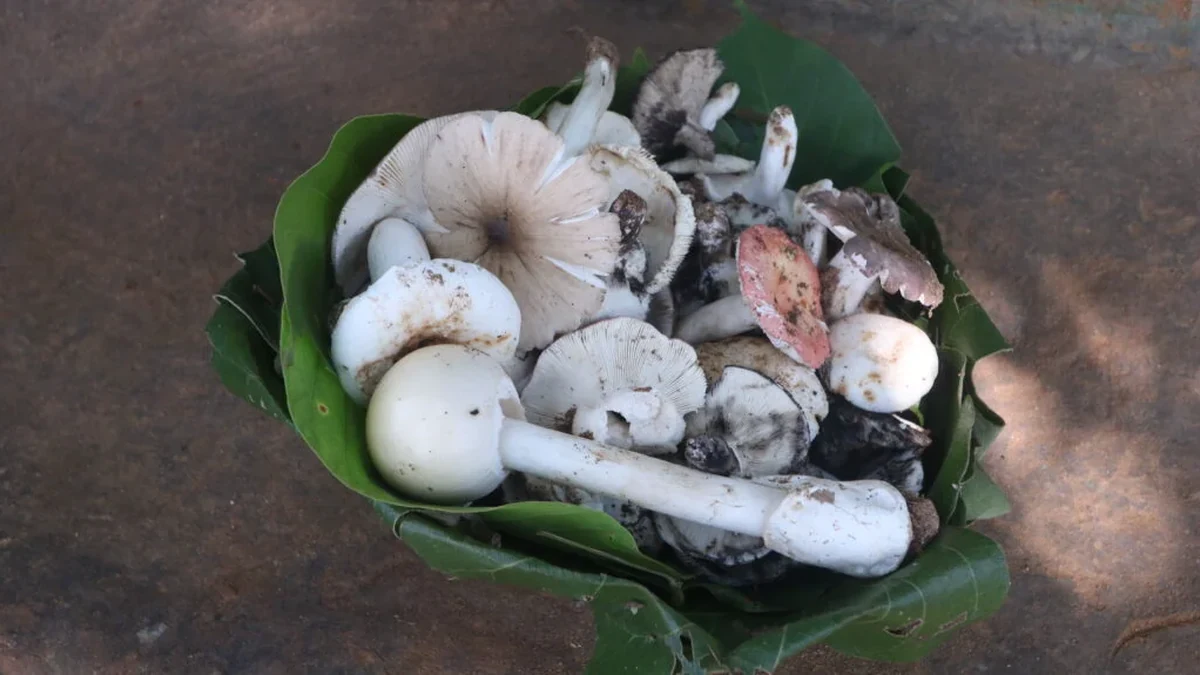
Understanding Mushroom Safety
Mushrooms are a culinary delight, offering unique flavors and textures to many dishes. However, the world of fungi also contains species that are highly toxic and can cause severe illness or even death. Misidentification is a common and dangerous mistake, especially when foraging for wild mushrooms. This guide provides essential tips to help you identify edible mushrooms and avoid poisonous varieties, ensuring your safety and culinary enjoyment.
Key Identification Features: Color and Texture
When selecting mushrooms, especially from markets or trusted sources, paying attention to their visual cues is the first step. Edible mushrooms, like the common button mushroom, typically have a uniform white or cream color. Be wary of mushrooms with unusually bright or vibrant colors such as intense reds, yellows, or oranges, as these can sometimes indicate toxicity. Nature often uses striking colors as a warning signal. Also, examine the mushroom’s surface for any unusual spots or sticky substances, and avoid touching them. Opt for mushrooms that appear fresh, clean, and consistent in color.
The texture and shape of a mushroom’s cap can also offer clues. Edible mushrooms generally have smooth, rounded caps. In contrast, some wild or potentially poisonous mushrooms might have pointed or irregular cap shapes. Any noticeable abnormalities in texture should be a reason for caution.
The Role of Aroma in Mushroom Selection
The smell of a mushroom is a significant indicator of its freshness and edibility. Edible mushrooms typically emit a mild, earthy aroma, reminiscent of damp soil after rain. This scent is generally pleasant and natural. If a mushroom gives off a strong, pungent, rotten, or chemical-like odor, it should be discarded immediately. Poisonous mushrooms often signal their toxicity through their smell.
If you store mushrooms at home, regularly check their scent. Any change in aroma could mean they are spoiling or have become unsafe. Mushrooms absorb moisture quickly and can degrade rapidly. Proper storage, such as keeping them in a breathable container or a paper bag, helps maintain their freshness and natural scent.
Changes in Color Upon Cutting: A Scientific Warning
Cutting a mushroom can reveal important information about its safety. Most safe, edible mushrooms do not change color significantly when cut. Some varieties might show a slight pink or brown hue, which is usually normal. However, if a mushroom turns a deep blue or black immediately after being cut or bruised, this is a significant red flag. This color change is often due to specific chemical reactions or enzymes within the mushroom that can be associated with toxicity.
It’s crucial not to rely solely on internet images or unverified guides for mushroom identification. If there’s any doubt about a mushroom’s safety, it’s always best to err on the side of caution and avoid consuming it. When in doubt, leave it out.
Why Caution with Wild Mushrooms is Essential
Foraging for wild mushrooms, especially after rain, can be tempting. However, identifying wild mushrooms accurately is extremely difficult, even for experts. A small mistake in identification can lead to severe food poisoning. The toxins in many wild mushrooms are not destroyed by cooking or boiling; this is a dangerous misconception. These toxins can directly harm vital organs like the liver and kidneys.
If you enjoy mushrooms, it is safest to purchase them from reputable suppliers or trusted brands. While organic and natural foods are appealing, never consume wild mushrooms without absolute certainty of their edibility. Commercially grown mushrooms are cultivated in controlled environments and are generally safe for consumption.
Proper Storage and Cleaning Techniques
Storing mushrooms correctly is vital to maintain their quality and prevent spoilage. Avoid storing mushrooms in plastic bags, as this traps moisture and promotes bacterial growth. Instead, use paper bags or breathable containers that allow air circulation.
When cleaning, do not soak mushrooms in water for extended periods, as they absorb moisture like sponges. The best method is to gently wipe them with a slightly damp cloth. If they have soil on them, use a soft brush to clean them off. Never ignore any sliminess on the mushroom’s surface; this indicates spoilage. Fresh mushrooms should feel firm and dry; soft or slimy ones should be discarded.
What to Do in Case of Suspected Mushroom Poisoning
If you experience symptoms such as stomach pain, nausea, dizziness, or diarrhea after consuming mushrooms, do not dismiss them as simple indigestion. Mushroom poisoning can progress rapidly. Seek immediate medical attention. Do not attempt home remedies; consult a healthcare professional right away. Symptoms of mushroom toxicity can appear several hours after consumption, making prompt medical care essential for recovery.
Frequently Asked Questions
Are all wild mushrooms poisonous?
No, not all wild mushrooms are poisonous, but a significant number are. It is extremely difficult for the average person to distinguish between edible and poisonous wild mushrooms, making it safest to avoid consuming them altogether.
How long can mushrooms be stored?
Fresh mushrooms can typically be stored in the refrigerator in a paper bag for 3 to 5 days. If their color changes or they develop an off-smell, they should be discarded.
Should mushrooms be washed before storing?
No, mushrooms should not be washed before storing. They absorb water, which accelerates spoilage. Clean them just before cooking by wiping with a damp cloth.
What are the symptoms of mushroom poisoning?
Symptoms can include severe abdominal pain, vomiting, diarrhea, excessive sweating, dizziness, or confusion. If you experience these after eating mushrooms, seek immediate medical help.




















Share Your Opinion