 Vista
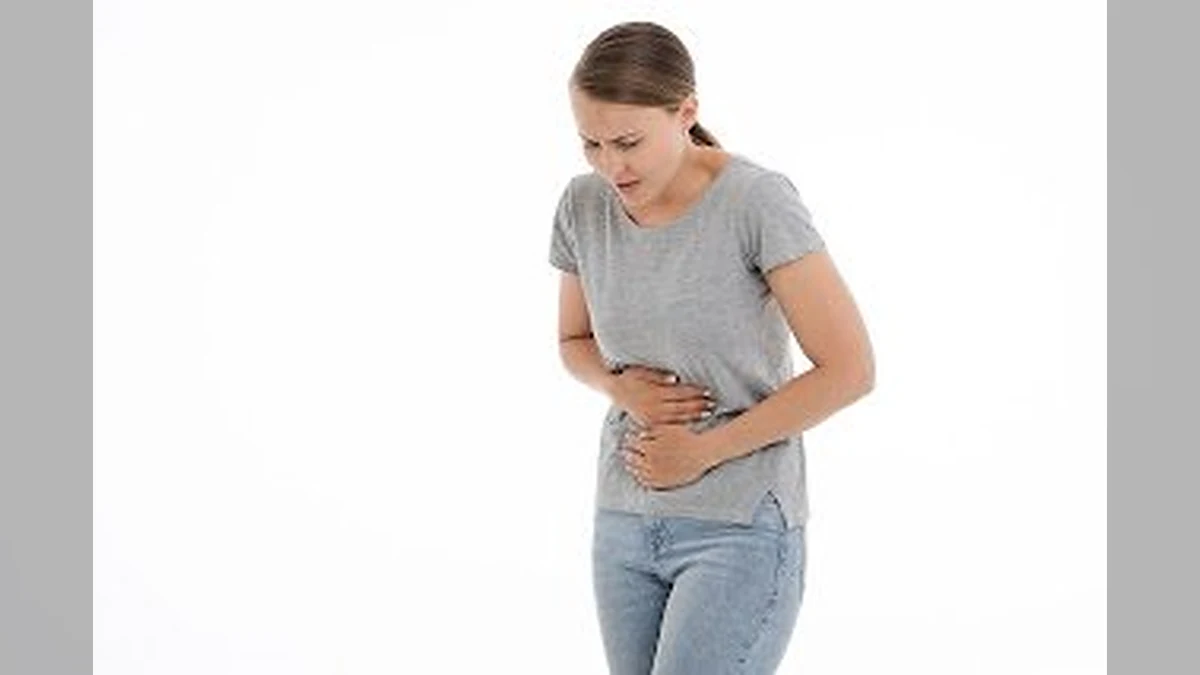
What are Piles and Why Do They Occur?
Piles, also known as hemorrhoids, are a common and often uncomfortable condition involving swollen veins around the anus. These veins can be located inside or outside the anal canal. When inflamed, they can cause pain, itching, burning, and sometimes bleeding. Millions in India are affected by piles, and many hesitate to discuss it due to embarrassment, which can worsen the condition. Several factors can contribute to piles, including:
- Constipation: Straining during bowel movements is a primary cause.
- Prolonged Sitting: Spending too much time on the toilet can put pressure on anal veins.
- Pregnancy: Hormonal changes and the growing uterus can contribute.
- Obesity: Excess body weight exerts pressure on the rectal area.
- Low-Fiber Diet: Insufficient fiber leads to hard stools and constipation.
- Heavy Lifting: This increases abdominal pressure, affecting anal veins.
- Genetics: A family history can increase susceptibility.
Key Symptoms of Piles
Recognizing the symptoms is crucial for effective management. Common signs include:
- Pain and bleeding (bright red blood) during bowel movements.
- Itching, burning, and discomfort around the anus.
- Feeling one or more lumps (painful or painless) near the anus.
- A sensation of incomplete bowel evacuation.
- Mucus discharge along with stools.
Home Remedies for Piles: Natural Relief
For early or mild symptoms, several effective home remedies can help reduce pain and swelling. These often involve simple lifestyle and dietary adjustments.
1. Increase Fiber Intake
A high-fiber diet is essential for both treating and preventing piles. Fiber softens stools, making them easier to pass and reducing strain. Include whole grains (oats, brown rice), fruits (apples, bananas, berries), vegetables (spinach, broccoli, carrots), lentils, and legumes in your diet. Gradually increase fiber intake to avoid gas and bloating.
2. Stay Hydrated
Drinking enough water is a simple yet effective way to prevent constipation. Aim for at least 8-10 glasses of water daily. Fresh fruit juices (unsweetened), coconut water, and herbal teas can also contribute to hydration.
3. Triphala for Digestion
Triphala, an Ayurvedic herbal formulation of three fruits (Amalaki, Haritaki, Bibhitaki), is renowned for improving digestion and relieving constipation. Taking one teaspoon of Triphala powder mixed in warm water before bedtime can help cleanse the bowels and promote regular movements.
4. Psyllium Husk (Isabgol)
Psyllium husk is a natural fiber supplement that adds bulk to stools, making them softer and easier to pass. Mix one to two teaspoons of psyllium husk with water, yogurt, or milk and consume before bed. Ensure you drink plenty of water after taking it.
5. Aloe Vera
Aloe vera’s anti-inflammatory and healing properties can soothe piles. Apply fresh aloe vera gel directly to external hemorrhoids to reduce inflammation, pain, and itching. Consult a doctor before internal consumption of aloe vera juice.
6. Coconut Oil and Olive Oil
These oils can help reduce symptoms due to their moisturizing and anti-inflammatory effects. Gently apply coconut or olive oil to the affected area after cleaning, especially before bed. This can ease discomfort and make bowel movements smoother.
7. Sitz Bath
A sitz bath, where you soak the anal area in warm water, offers quick relief from pain and swelling. Fill a tub with lukewarm water, enough to cover the anal region, and sit in it for 15-20 minutes. You can add Epsom salt or alum to the water. Repeat 2-3 times daily, particularly after bowel movements.
8. Castor Oil
Castor oil has anti-inflammatory and antibacterial properties that may help reduce swelling and pain. Apply a small amount of castor oil to the affected area using a cotton swab.
9. Lifestyle Modifications
Adopting a healthy lifestyle is key to managing and preventing piles:
- Regular Exercise: Light activities like walking or yoga improve digestion and prevent constipation.
- Avoid Prolonged Sitting: Especially on the toilet, as it increases pressure on veins.
- Healthy Bowel Habits: Go when you feel the urge and avoid straining.
- Maintain Hygiene: Keep the affected area clean and dry to prevent infection.
- Cold Compress: Applying a cold compress wrapped in cloth can reduce swelling and pain.
What to Avoid
- Spicy and fatty foods that can irritate the digestive system.
- Alcohol and caffeine, which can dehydrate the body and worsen constipation.
- Straining during bowel movements.
- Sitting on the toilet for extended periods.
When to See a Doctor
While home remedies can be effective, medical consultation is necessary in certain situations:
- If symptoms do not improve within 3-4 days of home treatment.
- If there is significant bleeding or black-colored stools (indicating internal bleeding).
- If the pain becomes unbearable or is accompanied by fever.
- If you experience unexplained weight loss or sudden changes in bowel habits.
A doctor can provide an accurate diagnosis and recommend appropriate treatment, which may include medication or, in some cases, surgery.
Preventing Piles
The best prevention is a healthy lifestyle:
- Include adequate fiber in your diet.
- Drink plenty of water throughout the day.
- Exercise regularly.
- Avoid prolonged sitting on the toilet and straining.
- Maintain good personal hygiene.
Conclusion
Piles can be managed effectively with natural and home-based treatments. Incorporating a fiber-rich diet, staying hydrated, and maintaining an active lifestyle are fundamental. Remedies like aloe vera, coconut oil, Triphala, and sitz baths can offer significant relief from pain and swelling. However, if symptoms are severe or persistent, seeking professional medical advice is the most prudent step. Prioritizing your health is essential.

























Share Your Opinion