The Journey from Farm to Plate: Hidden Contaminants
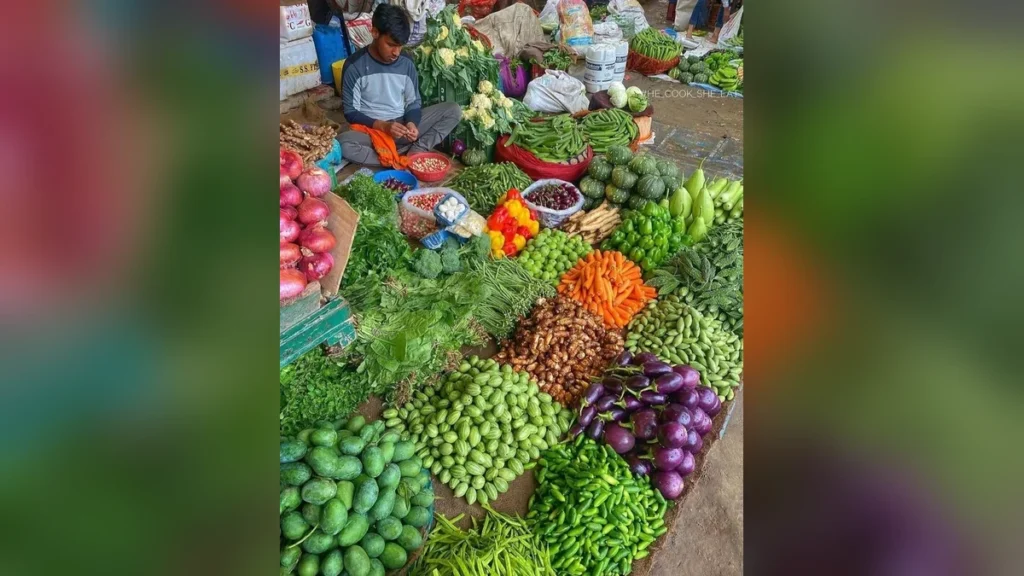
When you bring fresh vegetables home from the market, they often carry more than just their vibrant colours. From the farm, where pesticides and fertilizers are used to protect crops, to the bustling market, where they are handled by many and exposed to dust and exhaust fumes, vegetables can accumulate a host of unseen contaminants. Even a quick rinse might not be enough to remove the layers of bacteria and chemical residues that can pose a risk to your health.
Pesticides and Chemicals: A Silent Threat
Fresh produce can carry dirt, microbes and residues. Risk depends on the substance and exposure; an unwashed vegetable does not establish that liver or kidney damage will occur.
Invisible Pests and Bacteria: A Hidden Danger
Produce can be contaminated with harmful microbes. The appearance of cauliflower does not diagnose a tapeworm risk, and the specific claim about cauliflower causing brain infection has been removed.
Seasonal Risks: Why Vigilance is Key
Changing weather patterns, particularly the monsoon season, create ideal conditions for bacteria to thrive on vegetables. In many markets, vendors may use questionable water sources to keep produce fresh, increasing the risk of contamination. Storing unwashed vegetables, even after cutting, can lead to cross-contamination within your refrigerator, affecting other food items.
Washing can reduce surface contamination; it does not sterilise produce or guarantee removal of every pesticide residue.
The Right Way to Wash Your Vegetables
Washing vegetables is more than just a splash of water. Employing the correct methods ensures that you effectively remove harmful chemicals and bacteria.
Use Clean Running Water
Rinse produce under clean running water. Do not rely on salt or vinegar to neutralise a stated percentage of pesticides.
Scrubbing Under Running Water
For root vegetables like potatoes and carrots, use a soft brush under clean, running water to scrub away dirt. For leafy greens such as spinach and fenugreek, immerse them in clean water multiple times, changing the water each time, to ensure all soil is removed.
Common Vegetable Washing Mistakes to Avoid
Many people make simple errors that can compromise the cleaning process:
- Using Dish Soap: Never use dish soap or detergents to wash vegetables. Their chemical residues can be absorbed by the produce and are harmful if ingested.
- Washing After Cutting: Washing vegetables after cutting them can lead to the loss of water-soluble vitamins and allow water to penetrate the cut surfaces, accelerating spoilage. Always wash vegetables whole.
- Refrigerating Wet Produce: Storing washed vegetables while still wet, especially in plastic bags, can promote rotting and fungal growth. Pat them dry with a clean cloth before refrigerating.
Expert Advice: A Small Change for Big Health Benefits
Keep produce away from raw meat, clean hands and utensils, and discard rotten parts. Thorough cooking reduces microbial risk; washing cannot promise zero risk.
Health Tip: Wash vegetables before cutting and dry them before cooking!
Investing an extra five minutes in properly washing your vegetables can be a significant step towards a healthier lifestyle for you and your family.
Frequently Asked Questions
Q1: Does washing vegetables with plain water remove all pesticides?
Clean running water is the standard first step. There is no universal removal percentage or guaranteed home neutralisation method.
Q2: Should vegetables be washed before or after cutting?
Always wash vegetables before cutting. Washing after cutting can wash away essential nutrients and vitamins, and water can seep into the cut parts, leading to faster spoilage.
Q3: Can I use dish soap to clean vegetables?
No, absolutely not. Dish soaps and detergents contain toxic chemicals that can be absorbed by vegetables, leading to serious digestive problems.
Q4: What is the best way to wash leafy green vegetables?
Separate leafy greens, loosen soil in clean water, then rinse under running water and dry with a clean towel. Do not use soap or detergent.
FDA produce-safety guidance: FDA produce-safety guidance