Awake in the room, but unable to move
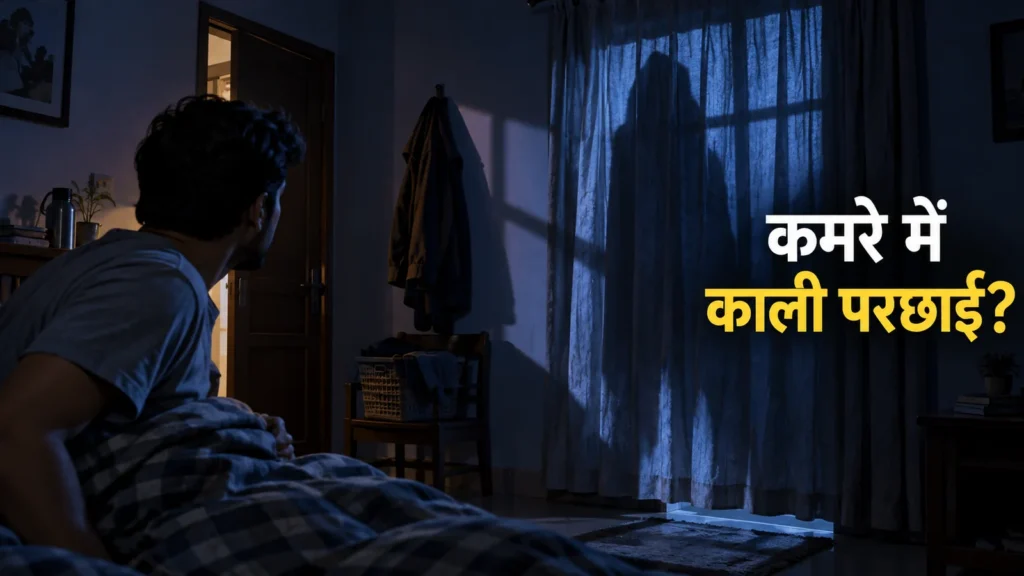
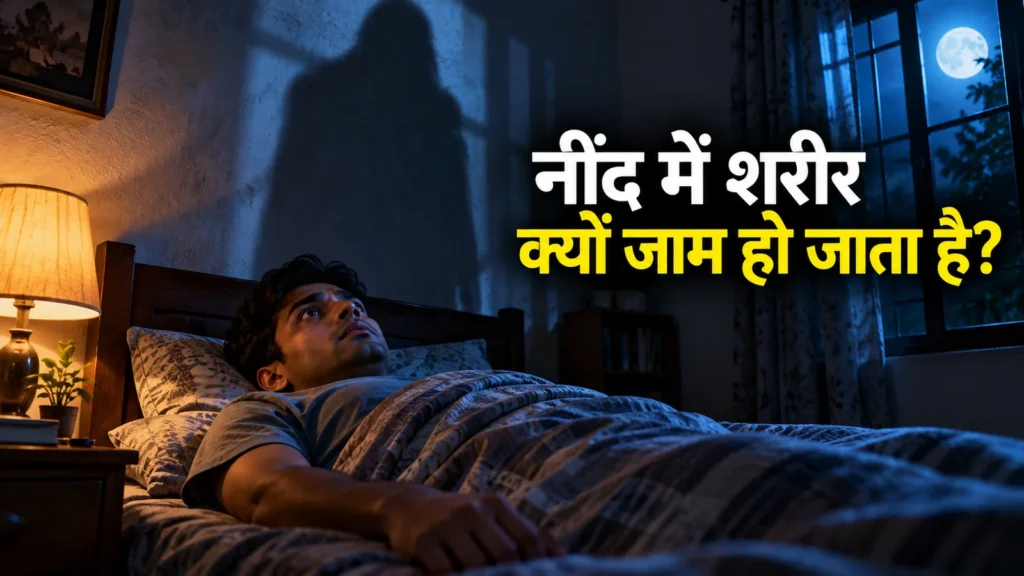
Imagine waking in the middle of the night. You recognise the window and hear the fan, yet your arms and legs will not respond. You try to call someone, but no voice comes out. A dark shape seems to stand nearby, and something appears to press on your chest. This is an illustrative scene, not a reported case.
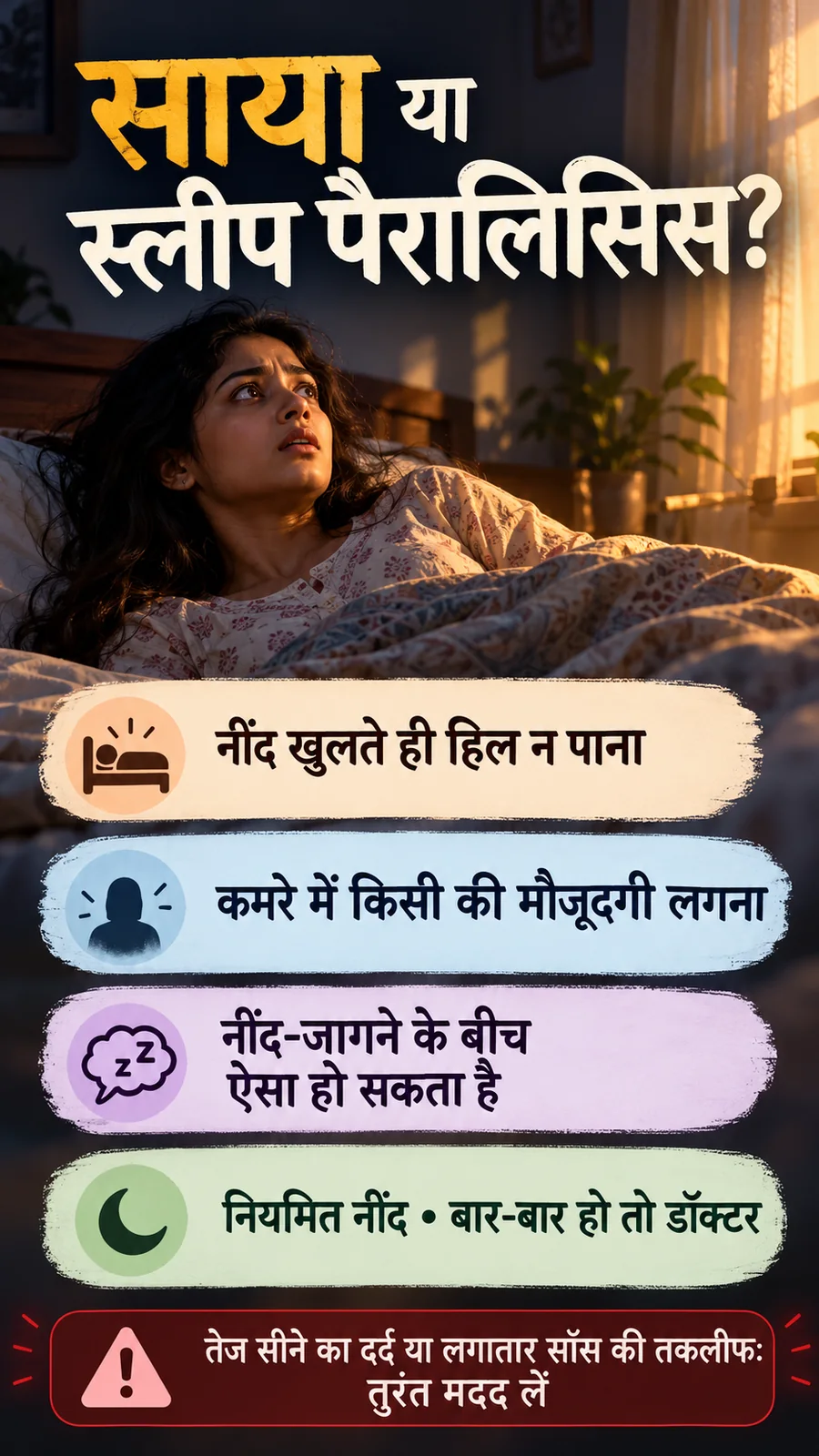
Being unable to move while falling asleep or waking can fit sleep paralysis. The fear can feel entirely real without proving that a ghost or other presence caused it. The timing and accompanying symptoms matter more than the frightening name given to the experience.
Safety first: new or severe chest pain, continuing breathing difficulty, fainting, facial drooping or weakness on one side need urgent assessment. Do not wait for those symptoms to pass on the assumption that they are sleep paralysis. In India, contact 112 or the nearest emergency department.
How the transition between sleep and waking can overlap
During REM sleep, the brain can generate vivid dreams while activity in many muscles is temporarily suppressed. Sometimes awareness returns before that temporary restriction has ended. The person feels awake but cannot move or speak for a short interval.
A phone screen that turns on before its touch response catches up is a useful comparison, but only a comparison. The nervous system is not literally a broken phone, and the motor cortex has not simply switched off. The point is that parts of a sleep-to-waking transition may not line up perfectly.
Episodes may last seconds or several minutes and commonly end on their own. There is no universal two-minute timer and no requirement for it to happen at 3 a.m. Describe what happened instead of measuring your experience against a supernatural timetable.
Why a presence, sound or pressure can feel convincing
Dream-like sensations may overlap with awareness of the bedroom. A person may sense someone nearby, perceive a shape or hear something during that transition. Familiar ghost stories can influence the explanation they give the event afterward.
A vivid experience deserves to be taken seriously. It does not follow that every interpretation of it is equally supported. You can tell your family: “It felt real and frightened me. I want to understand what happened around my sleep.” That invites support without turning the discussion into an argument about belief.
Pressure sensations do not explain every episode of breathlessness. Repeated gasping, loud snoring or breathing pauses witnessed by a partner deserve a separate assessment. Continuing physical distress should never be dismissed using the reassuring description of an ordinary sleep-paralysis episode.
FACT: a folk description is not a medical diagnosis
Expressions such as “a ghost sitting on the chest” can describe experiences that resemble sleep paralysis. They are cultural descriptions, not diagnostic tests. Chest heaviness alone, a nightmare or all-day weakness cannot establish the condition.
Useful questions are whether it happened close to falling asleep or waking, whether movement and speech were temporarily restricted, and whether normal control returned afterward. Note those details for a clinician. They are not a home checklist that rules out other health problems.
Source: NHS: Sleep paralysis
What to do during and after a familiar episode
If a clinician has already identified the pattern as sleep paralysis and the same experience recurs, reminding yourself that it can be temporary may reduce the fear. Try to remain as calm as you can rather than forcing fast breaths or struggling violently. No technique is guaranteed to stop an episode immediately.
When movement returns, sit comfortably if needed, use a gentle light and speak to someone you trust. Avoid opening a series of frightening videos to find certainty while you are still shaken. It is reasonable to ask for company without accepting a supernatural diagnosis.
Family members can speak calmly and listen afterward. Hitting, burning substances nearby, frightening the person or surrounding them with a crowd can cause harm. Calling it attention-seeking may also make them hide future symptoms that a doctor should hear about.
Make a practical plan for the next few nights
Keep brief notes about bedtime, waking time, recent sleep disruption, the episode and how you felt the next day. Include changes in shift work, late caffeine, medication or illness. A few lines are enough; the diary should support an appointment rather than become a source of constant monitoring.
Sleep disruption and inadequate rest can be associated with these experiences. Work toward a regular sleep schedule. If episodes repeatedly occur while lying on your back, a comfortable side position may help. Neither a position nor a routine provides a guaranteed cure for everyone.
Do not start sleeping tablets on your own or abruptly stop prescribed medicine because you suspect it affects sleep. Bring your medication list and sleep notes to your clinician. That gives them a clearer picture than a diagnosis based on an internet description.
A useful way to describe the episode at an appointment
You do not need technical vocabulary. You might say: “I was just waking up, could recognise the room and could not move or speak for a short time. Movement returned afterward, but I felt frightened.” Change that description to match what actually happened. Do not add symptoms simply because they appeared in this article.
Ask what explanation fits the pattern, what would make it necessary to seek urgent care and what to do if the same experience returns. If further tests are suggested, ask what question they will answer. Bring a family observer if you want their help, while making sure you can describe your own experience.
Keep the conversation separate from a dispute about whether you believe in ghosts. The clinician needs your symptoms, timing and daily effects. You can seek a medical explanation without having to defend your whole worldview. Practical support should leave you better able to sleep and clearer about the next step.
Advice: when repeated episodes need a conversation with a doctor
Start with a primary-care clinician if episodes recur, you become frightened to sleep or tiredness affects daily life. Depending on the pattern, they may consider a sleep specialist or mental-health support. Seeking that help does not mean you are weak or inventing the experience.
Mention sudden daytime sleep attacks or unusual loss of muscle control associated with emotions. Those details can help guide further assessment. One isolated episode does not establish narcolepsy or another long-term sleep disorder.
Personal prayer or another harmless comfort practice can coexist with medical care. It should not replace an assessment or justify paying someone who threatens harm, offers unknown substances or uses force. The practical aim is safer sleep, less fear and a clear account of your symptoms.
Frequently asked questions
Does a ghost sit on the chest during sleep?
A pressure or presence sensation can occur in sleep paralysis. That feeling does not independently establish an external supernatural cause.
Does it only happen at 3 a.m.?
No. Sleep-to-waking timing matters, not a particular hour on the clock.
Is every episode dangerous?
Typical isolated sleep paralysis is temporary. Persistent breathing difficulty, new chest pain or other weakness needs a different response.
Will I need a sleep study?
Not necessarily. Your clinician decides from your overall symptoms and whether another sleep problem is suspected.
Can a home remedy guarantee prevention?
No. A regular routine may help, while repeated or disruptive episodes deserve medical advice.
Related reading
Sudden Anxiety and a Racing Heart at Night: Causes and What to Do
Waking Up Gasping or Choking in Your Sleep: Causes and When to Get Help
Hearing Your Name Called at Night: Sleep Experiences and What to Do
Why Do Deceased Loved Ones Keep Appearing in Dreams? Grief, Memory and Fear
Sources and review
Information reviewed: 14 October 2026. The opening scene is illustrative, not a reported case.
भारत: Emergency Response Support System
NHS: When breathlessness needs urgent help
This is general information, not an individual diagnosis or treatment. Seek professional help for severe or persistent symptoms.