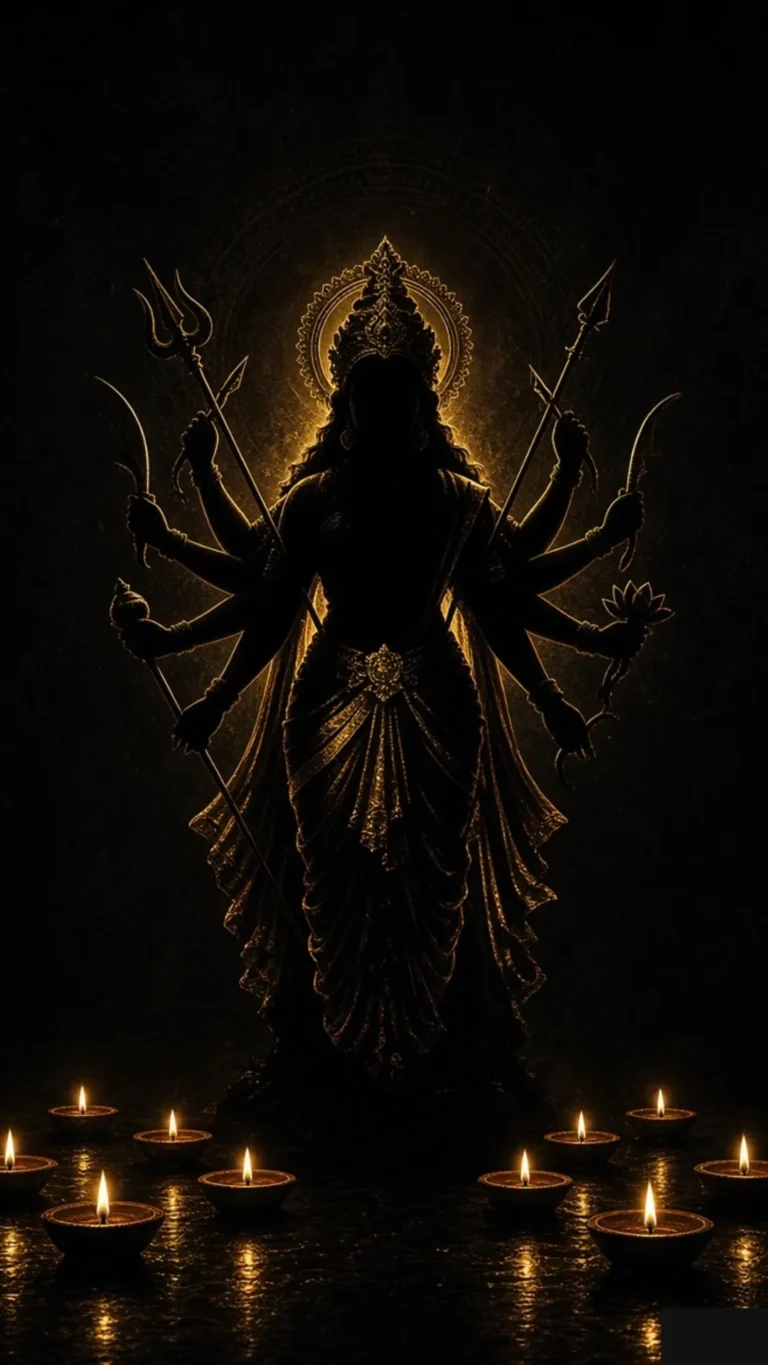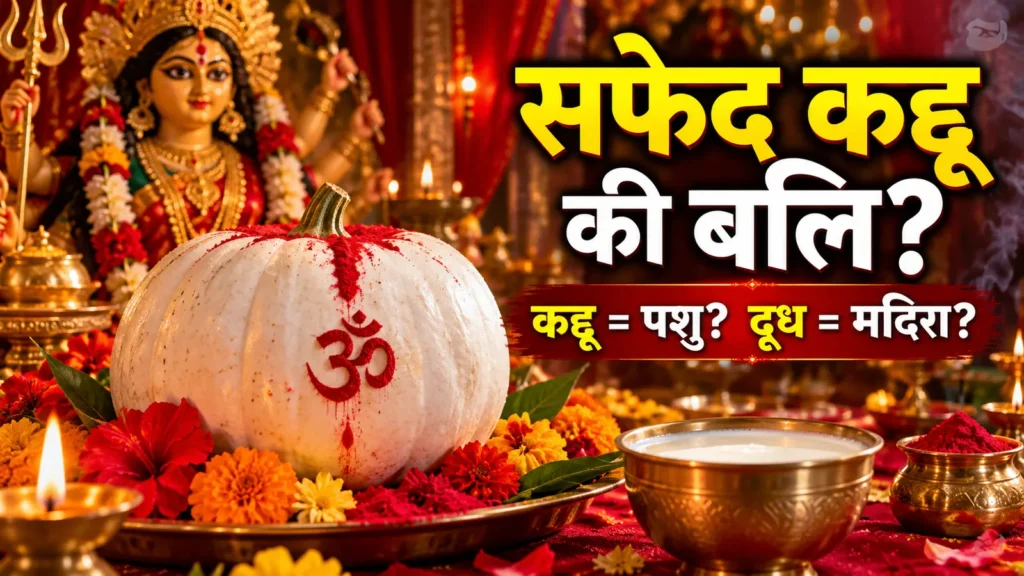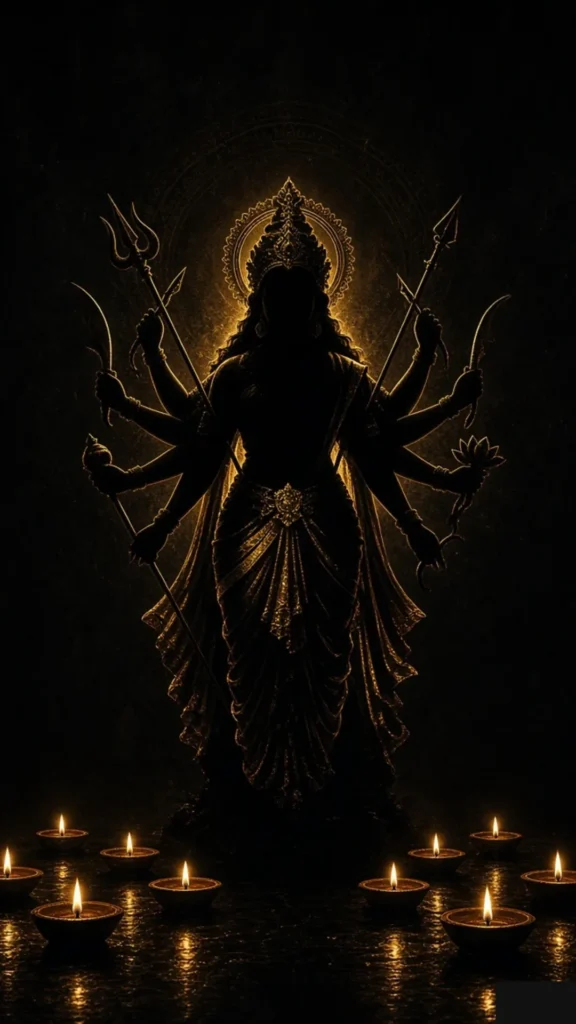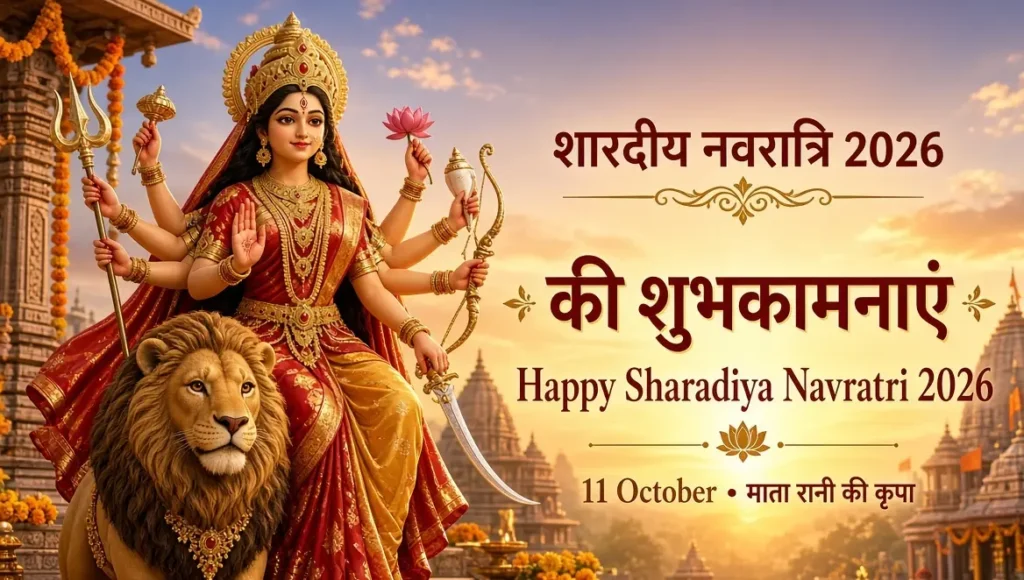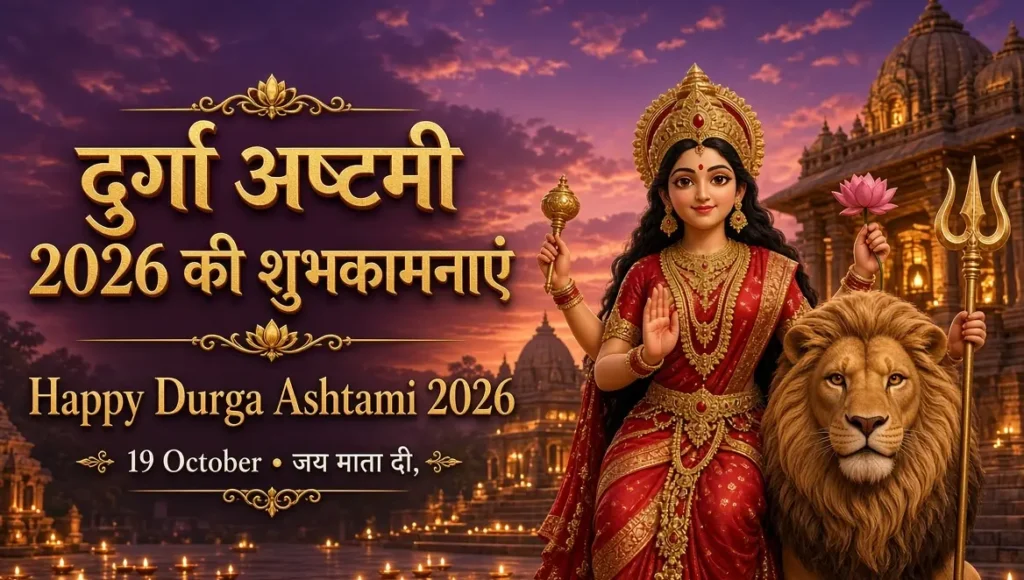
When autumn winds carry the deep cadence of dhak drums, millions gather before breathtaking clay sculptures across festival grounds. Yet, our current habit of installing massive temporary idols during Navratri is surprisingly recent, taking roots barely five centuries ago across the riverine plains of Bengal.
Faith Versus Chronicle: How Ancient Is Clay Idol Installation?
Devotion exists on mythic time, but religious forms evolve through historical record. While scriptural reverences to Bhagwati reach back millennia, the specific practice of Durga Murti Sthapana—crafting an elaborate unfired clay tableau, invoking divine life for nine autumn days, and consigning it to water—is barely five hundred years old. For most of Indian antiquity, worshippers venerated the Great Goddess through permanent stone bas-reliefs in stone sanctums, geometric copper yantras, or sanctified clay water vessels.
Ancient domestic rites rarely involved public sculpting guilds. Ritual texts like the Kalika Purana and early Tantric digests prioritized inner visualization and the Ghatasthapana jar over mammoth effigies. Transforming clay into an annual seasonal focal point was a deliberate medieval innovation, fostered by regional polities seeking divine legitimacy in eastern India. Only gradually did seasonal clay claymaking outstrip permanent temple iconography in popular imagination.
Scriptural Roots: Markandeya Purana and the Devi Mahatmya
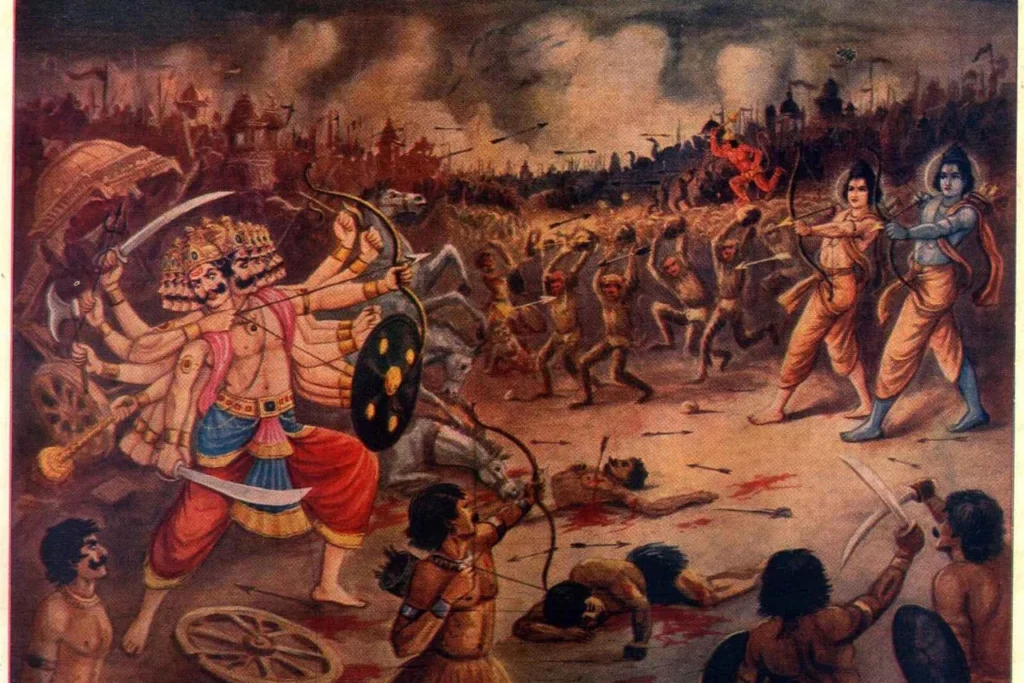
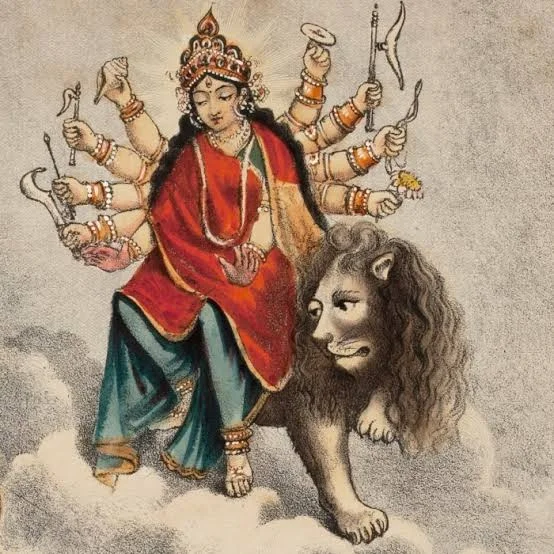
Before aristocratic courtyards popularized clay displays, the philosophical model had already been recorded in the timeless Markandeya Purana. The celebrated section known as the Devi Mahatmya or Durga Saptashati describes how divine energies fused into a single warrior form to vanquish Mahishasura. Crucially, the narrative frame introduces displaced King Surath and merchant Samadhi, both stripped of power, family, and inner balance.
Exiled in the wilderness, they sculpted an image of the Devi out of river silt and offered austerities beside the water. This vital episode laid the theological groundwork: clay represents primeval matter, fragile yet receptive to cosmic power. While Surath’s rite was an austere, isolated penance rather than a joyful neighborhood festival, it validated the concept that transient mud can host divine grace when consecrated with focused chanting.
The 16th Century: Bengal’s Landlords and the First Grand Autumn Pujas
Historical consensus attributes the earliest grand autumn idol installations to 16th-century feudal nobility. Around 1583, Raja Kangsayanarayan of Tahirpur (in contemporary Bangladesh), advised by court scholars, spent immense fortunes to mount a lavish Sharadiya celebration. Similar grand rites followed swiftly under the patronage of Lakshmikanta Majumdar in Barisha and the royal house of Nadia.
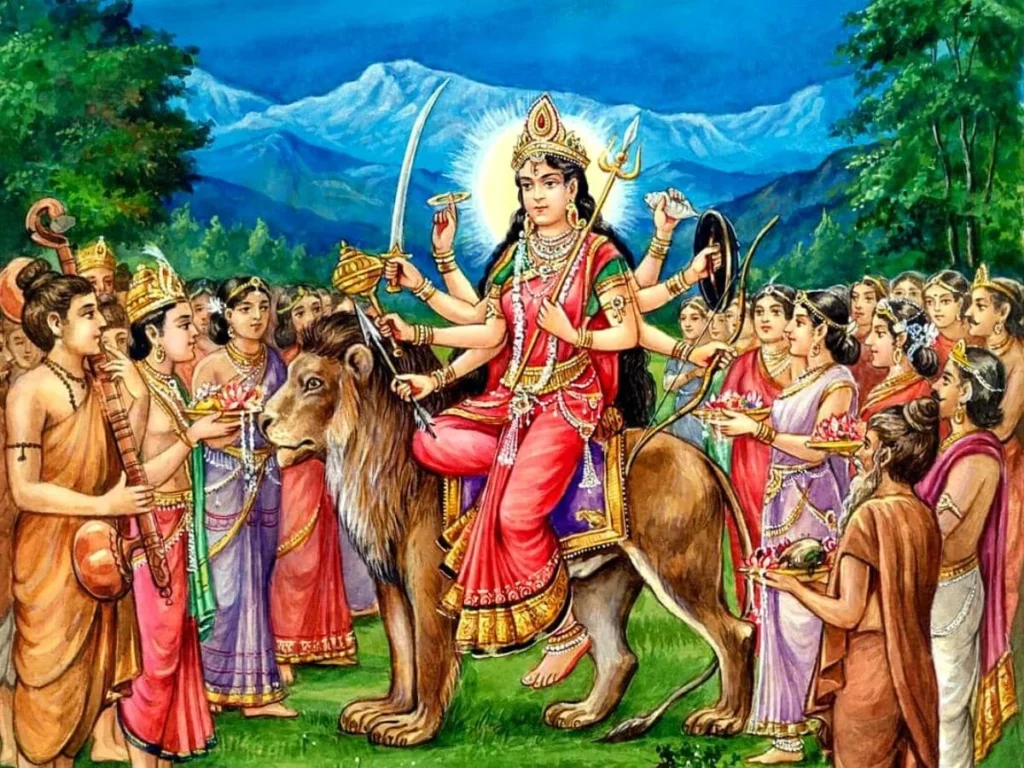
These aristocrats transformed private Tantric worship into theatrical courtly displays inside palatial mansions called Rajbaris. Here, specialized craft guilds coalesced around hereditary workshops to design the classic ekchala composition—a unified semicircle featuring Devi Durga alongside Lakshmi, Saraswati, Ganesha, and Kartikeya under one painted arch. Courtyard pillars echoed with Sanskrit chants as common subjects crowded into inner pavilions to catch glimpses of their ruler’s opulent piety.
Shobhabazar Rajbari and 18th-Century Social Shifts
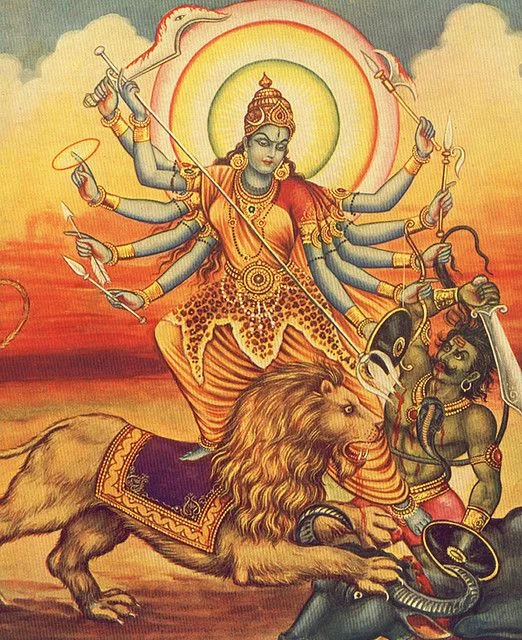
The battle of Plassey in 1757 altered the social geography of eastern India, and with it, the nature of Devi worship. Nabakrishna Deb established a monumentally famous celebration at Kolkata’s Shobhabazar Rajbari that same autumn, welcoming British colonial administrators alongside domestic elites. Festive piety morphed into an arena for networking, diplomatic leverage, and cultural dominance.
During this period, the demand for intricate Durga Murti Sthapana fostered Kumartuli, Kolkata’s legendary potters’ quarter on the Hooghly riverbank. Artisans sourced silt directly from the holy river, blending straw, bamboo armature, and organic pigments with exceptional precision. What had once been solemn household rites became public pageantry, complete with classical musicians, feast distributions, and competitive artisanal patronage among wealthy merchant families.
From Barowari to Sarbojanin: Taking the Pandal to the Public
Palace courtyards ultimately could not contain community spirit. In May 1790, twelve Brahmin friends in Guptipara, Hooghly, were barred from attending an exclusive zamindar family puja. In defiance, they collected public donations to organize the first Barowari (derived from ‘baro yaar’, meaning twelve companions) collective worship. For the first time, an idol was erected on open communal grounds rather than behind estate gates.
By October 1910, the paradigm matured into true ‘Sarbojanin’ (universal) worship when Balaram Basu Ghat Road in northern Kolkata launched an entirely democratized pandal. Neighborhood subscriptions displaced the whim of solitary lords. The celebration evolved into an open-air public art installation where rigid caste barriers blurred, paving the path for modern committee-run community pandals found worldwide today.
Beyond Eastern Frontiers: Northern and Pan-Indian Expansion
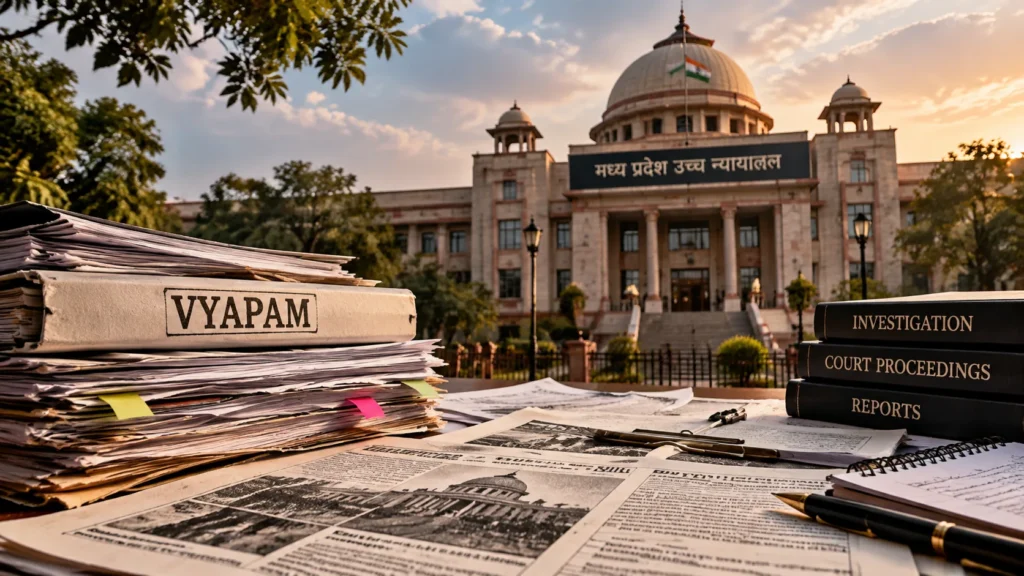
Throughout the 20th century, migrant civil servants, railway employees, and freedom fighters carried community idol traditions far past the Bengal basin. Historically, Navratri in Uttar Pradesh, Bihar, and Madhya Pradesh centered almost entirely on nine-day fasting, home kalash rites, and outdoor Ramlila dramas. By mid-century, however, public clay tableaux became familiar sights in industrial and administrative hubs.
Metropolises like Delhi, Patna, Lucknow, and Indore now build towering pandals that blend regional aesthetics with traditional iconography. Artisans from various backgrounds sculpt local variations—ranging from classic Mahishasuramardini forms to contemporary thematic expressions of Sherawali Mata. Over five centuries, what started as aristocratic court ritual transformed into India’s most democratic synthesis of scripture, craftsmanship, and community solidarity.
When standing before a towering altar this Navratri, take a quiet moment to reflect on what unbaked river mud actually signifies. Scriptures honor soil as the womb of material elements; molding it into divinity reminds us that transcendent energy willingly inhabits the transient, everyday world. King Surath shaped an image not for social exhibition, but because stripping away royal illusion forced him to confront divine reality in humble earth.
Our contemporary celebrations are undeniably breathtaking, yet dazzling strobe lights and competition sometimes crowd out devotional contemplation. Authentic sadhana is never measured by the height of an artistic bamboo armature or the scale of speaker arrays. It lives quietly in your capacity to soften your heart, quiet mental turbulence, and acknowledge grace.
True dharmic practice balances vibrant community joy with civic responsibility. As you visit neighborhood pandals, treat fellow devotees with patience, honor the artisans who mold sacred clay, and keep public grounds clean. True reverence honors the living Goddess in everyday life, not just within sculpted plaster.
Where did large-scale Durga idol installation first begin in India?
Documented large-scale clay idol installations originated during the late 16th century in Bengal, pioneered by noble landlords like Raja Kangsayanarayan of Tahirpur and the royalty of Nadia.
Were temporary clay idols worshipped during ancient Navratri celebrations?
Ancient celebrations primarily focused on permanent temple deities, sacred Ghatasthapana water jars, and Tantric yantras. Constructing temporary unfired clay idols specifically for annual nine-day public immersion emerged during the medieval era.
How did Durga Puja transition into an open public community festival?
Twelve friends in Guptipara launched the community-funded Barowari puja in 1790. In 1910, Kolkata witnessed the first true Sarbojanin celebration, opening pandals to everyone regardless of lineage.
Which deities traditionally accompany Goddess Durga in an authentic pandal?
The classical ‘ekchala’ structure seats Mahishasuramardini at the center, flanked by Lakshmi representing prosperity, Saraswati embodying wisdom, Ganesha granting success, and Kartikeya symbolizing valor.