 Vista
Need a school election voting process chart or an Indian Constitution Fundamental Rights poster? This civics project contains three educational pictures: a Student Council Election Flowchart, a Classroom Secret-Ballot Illustration and a Fundamental Rights Chart. Students in roughly Classes 5–10 can learn how a fair school election may be organised and how Part III of the Indian Constitution sets out important rights. A classroom mock poll is not an official election conducted by the Election Commission of India; school policies and real election law are different. Teachers should prioritise privacy, inclusion and respectful participation. Every poster retains Vista Hub’s existing 15-second advertisement-supported View/Download route.
How is a school election different from a national election?
A school may elect class representatives or student council members to practise democratic decision-making. The rules are established by the school’s policy and authorised teachers or committees. Real elections in India operate under the relevant constitutional and legal framework, with designated election authorities and voter eligibility rules. A classroom mock ballot should not be described as an official government election or a certified electronic voting demonstration. Both settings can illustrate concepts such as nominations, informed choice, secret voting and transparent counting, but their legal consequences and procedures are not interchangeable. An educational project should make this distinction explicit.
Picture 1: School Election Voting Process Chart
A useful flowchart shows Election Notice, Candidate Nominations, Eligibility Check, Campaign Rules, Voter List, Secret Ballot, Vote Counting and Results. Each stage can have a short caption explaining who is responsible. Teachers should determine the number of seats, candidate qualifications and how disputes or ties will be handled before voting begins. Campaign messages should avoid harassment, bullying, false allegations or coercion. All eligible pupils should receive the same opportunity to participate. Verify the flow arrows: results come after counting, not before voting. The poster introduces a fair process rather than a guarantee about any real school’s election rules.
View / Download after 15-second wait
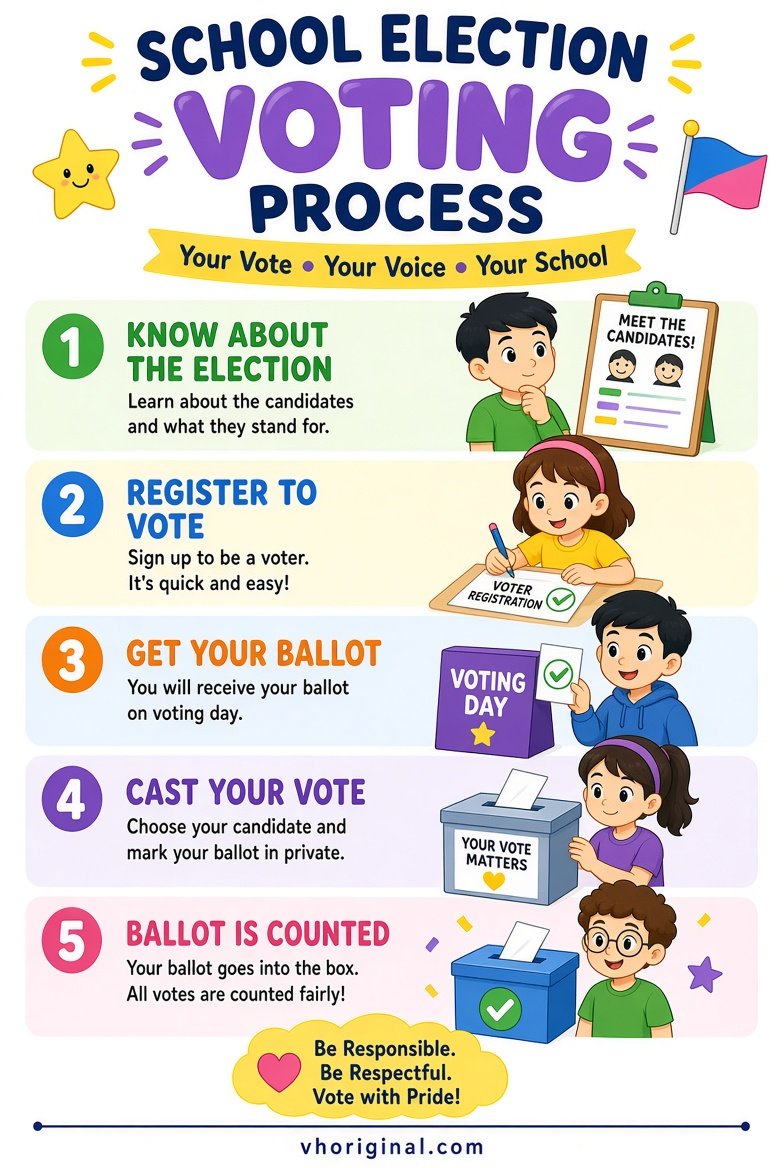
Picture 2: Classroom Secret-Ballot Illustration
A paper-ballot demonstration can list approved candidates and provide a private place to select one. Students place marked ballots in a sealed box without being required to announce their choice. The teacher explains in advance how many selections are allowed and which markings invalidate a ballot. Photographing an individual’s marked vote or demanding to know whom they supported undermines privacy and may breach school rules. Provide accessible ways for eligible children to participate. A classroom paper box is not equivalent to an official Indian Electronic Voting Machine, and the poster must not pretend to explain the actual EVM’s internal operation.

View / Download after 15-second wait
Picture 3: Indian Constitution Fundamental Rights
Part III of the Constitution of India addresses Fundamental Rights. School civics commonly groups them into six categories: Right to Equality, Right to Freedom, Right Against Exploitation, Right to Freedom of Religion, Cultural and Educational Rights, and Right to Constitutional Remedies. Article 21A on education is an important provision within the rights framework. But not every right has the same scope; some constitutional protections are limited to citizens while others protect persons more broadly. The Right to Property is no longer a Fundamental Right under the present Constitution. Any poster giving incorrect Article references or outdated classifications should be corrected against the official constitutional text.

View / Download after 15-second wait
Examples and limits of Fundamental Rights
Equality provisions support important constitutional protections against certain unequal treatment. Freedom provisions include matters such as expression and movement, but several freedoms are subject to constitutionally permitted restrictions. Rights against exploitation protect against specified practices including certain forced labour and prohibited child labour. Freedom of religion and cultural or educational protections apply in their own legal contexts. Article 32 provides a route for constitutional remedies. Avoid saying every Fundamental Right is unlimited or that every listed Article grants exactly the same entitlement to all persons. The classroom summary should refer readers to the official Constitution for precise wording.
Materials and step-by-step mock election
Use cardboard for a small ballot box, paper slips, marker pens, a candidate list and a classroom record of eligible voters. Begin with teacher approval and written, neutral rules. Explain nominations and provide consistent candidate-information opportunities. Set up a private voting corner and use a sealed container to collect ballots. At the end, authorised teachers and designated observers can count the papers according to announced rules. Check the total ballots against the voting record without revealing who chose whom. A children’s educational activity needs no real identity database, national voter information or live political campaign materials.
Viva questions, mistakes and image downloads
Students may be asked why a secret ballot matters, which steps belong in an election and where Fundamental Rights appear in the Constitution. They should answer with an example and point to the relevant poster. Common mistakes include treating a school mock ballot as an actual ECI election, claiming every right is absolute or listing property as a current Fundamental Right. The posters use the site’s existing 15-second advertisement-supported image page. Preserve the route instead of creating direct-media download shortcuts. Check the rights labels and any Article numbers against an official legal text before publishing or printing.
Frequently asked questions
Why use a secret ballot in a school election?
To let students choose without unnecessary pressure or disclosure.
Is a school mock poll an official ECI election?
No. The rules and legal status are different.
Where are Fundamental Rights found in India’s Constitution?
Mainly in Part III, with different rights and Article provisions.
Is the Right to Property currently a Fundamental Right?
No. Its present constitutional status is different.
Conclusion and sources
A useful school civics model teaches private and fair voting while presenting Indian constitutional rights with accurate scope and terminology.
Related published school projects: EVS School Project Charts · School Project Front Page
Official sources: Legislative Department — Constitution of India; Election Commission of India — Voting; Ministry of Education — Electoral Literacy.
Explore more: 44 school project models, charts and pictures


Share Your Opinion
Comments are closed on this post.