 Vista
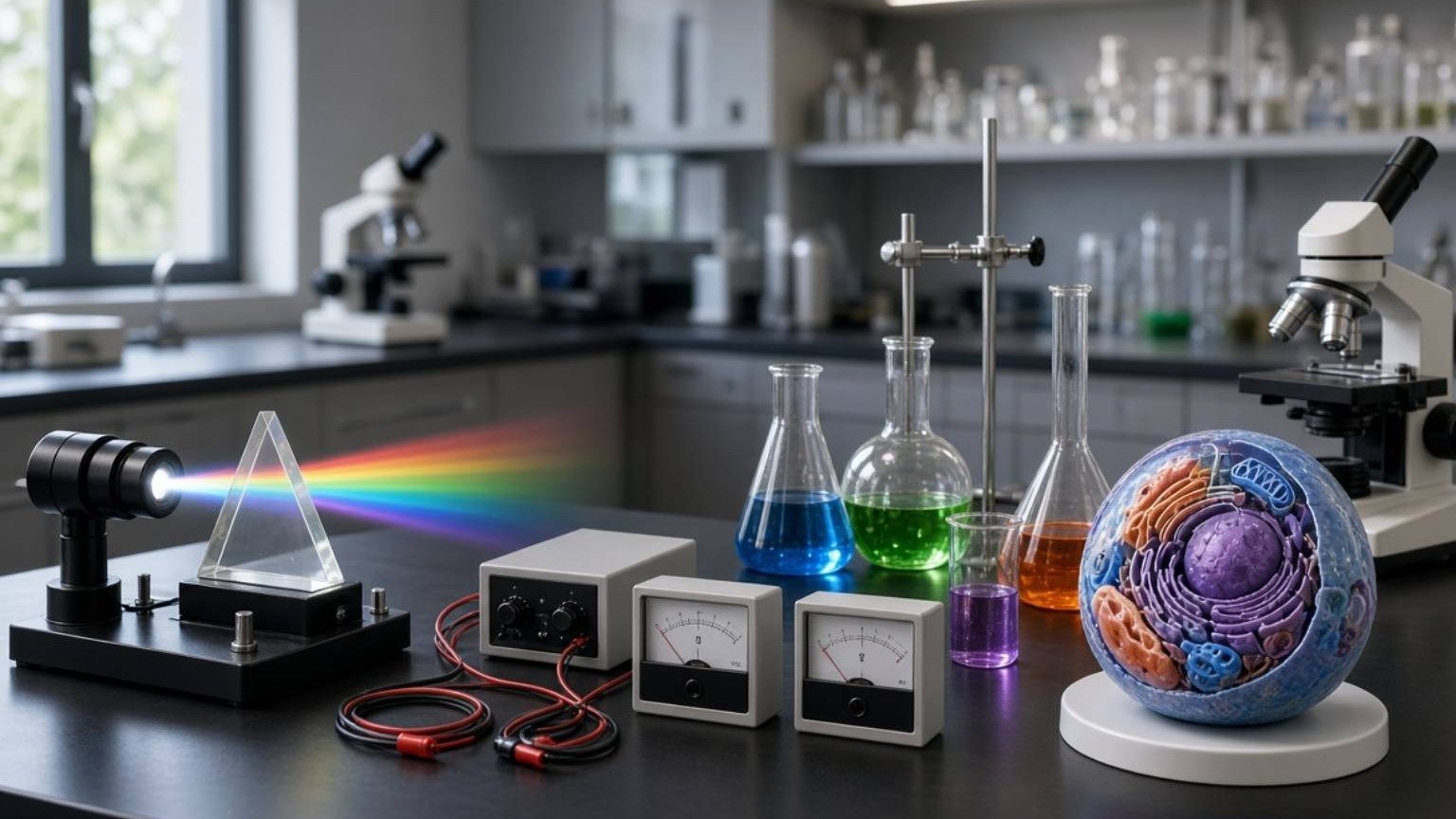
Looking for an electrolysis, electroplating or food adulteration testing school project? This guide presents three distinct educational diagrams: Electrolysis of Water, an Electroplating Concept Model and a Food Adulteration Awareness Chart. The first two involve electrochemistry and can carry hazards that do not belong in a child’s home experiment. Water electrolysis may produce highly flammable hydrogen; plating solutions may involve toxic metal compounds. The safest default is a labelled paper demonstration unless a qualified teacher provides an approved laboratory procedure. Food adulteration checks are a separate consumer-awareness topic; FSSAI’s DART resources describe limited screening ideas, not universal certificates that food is safe. All images use the site’s existing 15-second advertisement-supported viewing and download route.
How are these three topics different?
Electrolysis uses applied electrical energy to cause certain chemical reactions that would not proceed spontaneously under the given conditions. Electroplating is one application of electrochemical processes in which a metal coating is deposited onto an appropriate surface. Food adulteration testing examines unwanted or misrepresented substances in food and does not automatically require electrolysis. These are separate explanations for a science exhibition. A circuit with two electrodes in any liquid does not guarantee that only pure hydrogen and oxygen will form. Products can depend on electrolyte, electrode material and reaction conditions. Label all three posters with their separate purpose and the limits of their conclusions.
Picture 1: Electrolysis of Water Diagram
A labelled water-electrolysis illustration can show a DC source, electrodes, a suitable electrolyte and potential gas formation. In properly controlled systems, water can be split into hydrogen and oxygen, but other solutions and electrodes may yield different products. Hydrogen is extremely flammable. Adding ordinary salt to make a child’s DIY setup ‘work better’ is unsafe because chloride-containing electrolysis may under some conditions generate hazardous chlorine. Never collect gas in sealed containers or attempt ignition to prove a reaction. A risk-assessed demonstration conducted by a qualified instructor is very different from a cardboard school model, which is the safer choice for most students.

View / Download after 15-second wait
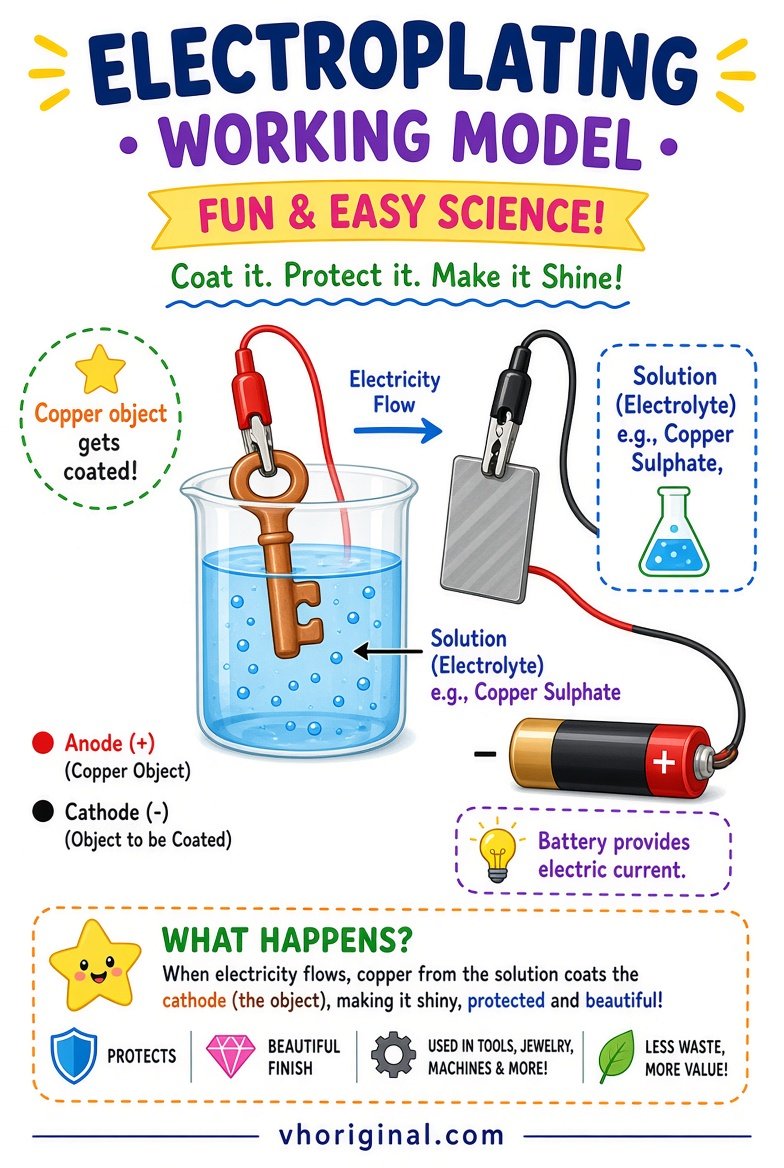
Picture 2: Electroplating Working Principle
Electroplating uses an electrical process to deposit a metal coating on another suitable surface. Industries use this for appearance and material properties, with procedures and chemicals appropriate to the application. A school diagram may label the coated object, electrodes, bath and power connection. It should not be treated as a recipe for children to perform with unknown metal salts or battery acid. Plating solutions can present skin, eye, inhalation and environmental hazards. Proper laboratory controls and disposal are essential. If these are unavailable, build a paper model and explain the flow of charge conceptually without putting any real metallic chemical solution under electrical power.
View / Download after 15-second wait
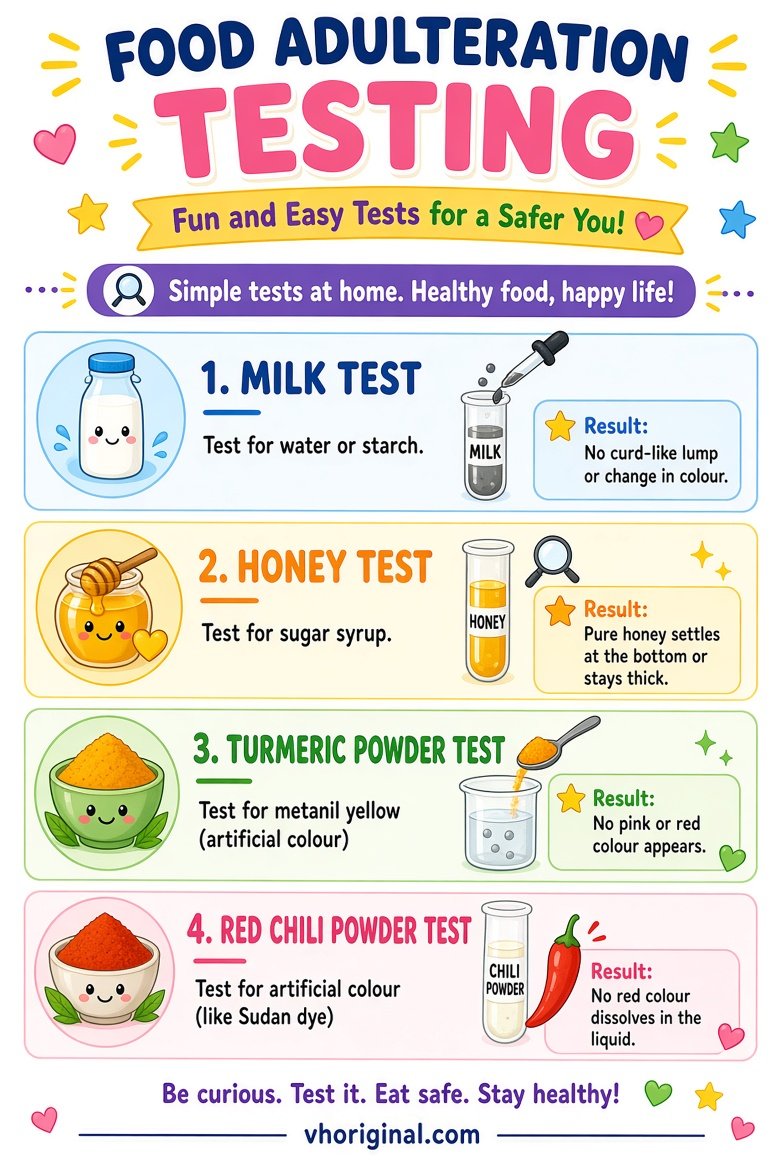
Picture 3: Food Adulteration Awareness Poster
Food adulteration may involve unwanted additions, substitution or misleading representation. India’s Food Safety and Standards Authority offers DART—Detect Adulteration with Rapid Test—consumer resources to increase awareness of certain common issues. These examples do not detect every possible adulterant, and a rapid result cannot fully guarantee food quality or microbiological safety. Unknown or suspect foods should never be tasted as part of testing. Do not reproduce an unverified viral trick as if it were an official chemical method. If a school exhibition includes a check, identify precisely what it can and cannot indicate and provide the official reference.
View / Download after 15-second wait
Choose a safer activity for each class
For younger students, label the water electrolysis and plating diagrams and explain the difference between anode, cathode and external electrical energy at a suitable conceptual level. Older students may discuss induction of reactions or plating applications in a supervised laboratory course, but real procedures need qualified teachers and a documented risk assessment. Food-safety awareness can use printed FSSAI DART material and a discussion of limits without opening suspect packages or handling hazardous reagents. Do not attempt gas generation, open-flame demonstrations, corrosive cleaner mixing or powered plating in a home setting. A static diagram remains a valid school project.
Materials and step-by-step poster preparation
Use chart paper, coloured pens, pencil, ruler, safe card cutouts and printed educational references. Divide the board into Electrolysis, Electroplating and Food Safety Awareness sections. Draw electrodes and a power source in the first two diagrams, but mark them as illustrations rather than executable circuit instructions. Include a short warning that the products of electrolysis depend on the solution and electrodes. The food panel can show how to consult the official FSSAI DART source rather than presenting every online test as reliable. No chemicals, power supply, gas jar or plating bath are needed to complete this illustration.
Explain the limits of rapid food tests
A classroom presenter should state that a specific screening observation is not a complete assessment of a food item. Different adulterants need different methods, and some concerns require validated laboratory analysis. A positive or negative colour change cannot prove that all hazards have been found. Students can discuss why checking source, label and official complaints information is also important. The FSSAI DART materials are a starting point for awareness, not an invitation to mix household cleaners with foods. If any material was used in a demonstration, keep it away from food consumption afterward and follow school cleanup directions.
Viva questions, safety and timed downloads
Explain electrolysis as electrically driven chemistry, electroplating as metal deposition and food rapid tests as limited screening. Salt-water electrolysis may create harmful products, and plating solutions require safety controls. Each poster keeps the existing 15-second advertisement-supported download route. Check formulas and food claims against authoritative references.
Frequently asked questions
What does electrolysis use electrical energy for?
To drive certain chemical reactions that require applied energy.
What is electroplating?
An electrochemical process that deposits a metal coating onto a suitable surface.
Is DIY hydrogen generation safe for children?
No. Hydrogen is flammable; use school-approved paper models or qualified laboratory demonstrations.
Does FSSAI DART certify every tested food as safe?
No. It provides limited consumer-awareness screening, not universal laboratory certification.
Conclusion and sources
A responsible school presentation separates electrochemical concepts from consumer food-safety checks and makes every experiment’s risks and limits clear.
Related school projects: Robotics & Electromagnet · Wind Turbine LED Model
Sources: RSC — Electrolysis Safety; FSSAI — Detect Adulteration with Rapid Tests; ACS — Water Electrolysis.
Explore more: 44 school project models, charts and pictures











Share Your Opinion
Comments are closed on this post.