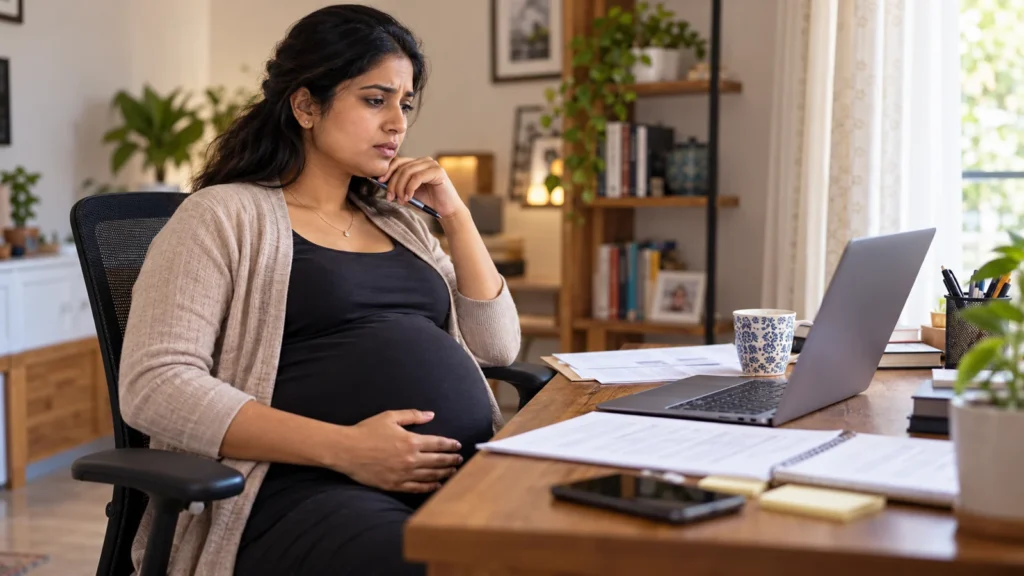
A quiet roof and a sound that seems like footsteps
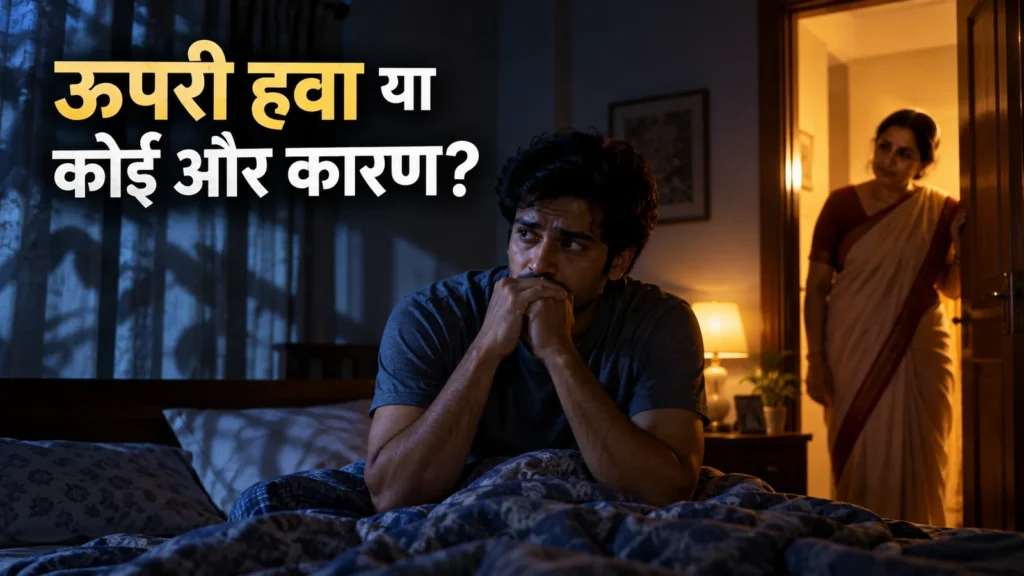
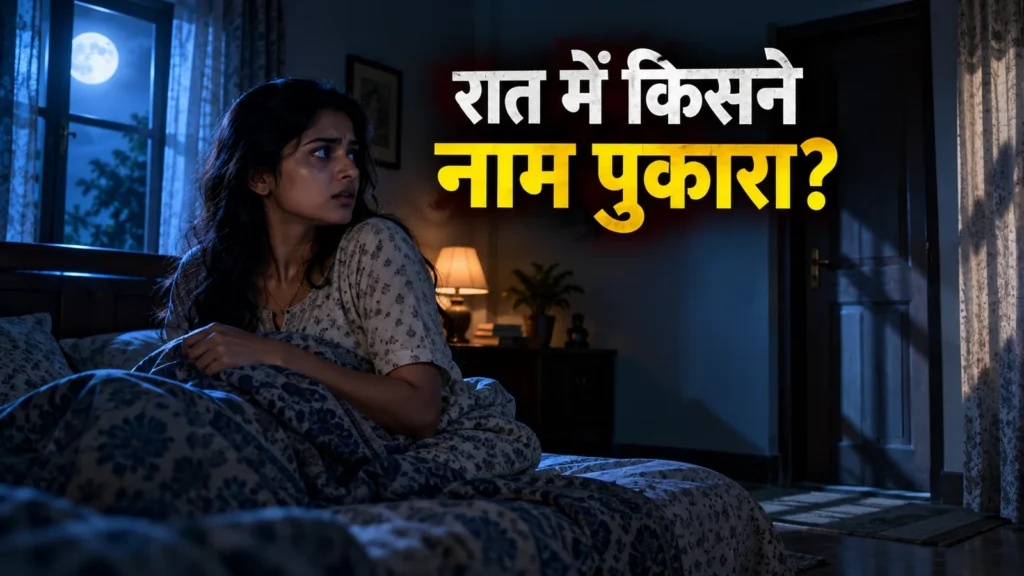
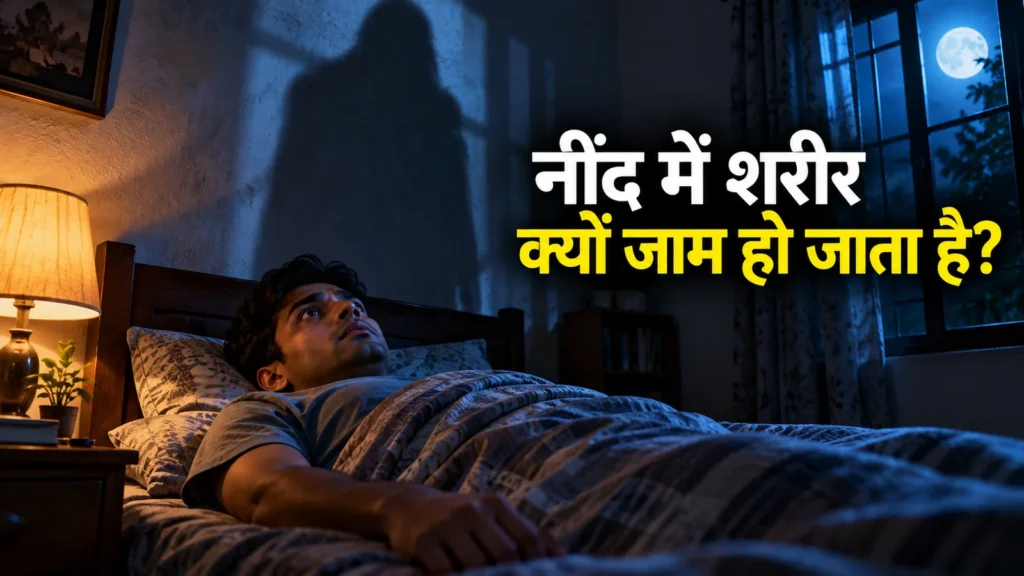
Imagine hearing tapping above a sleeping household. Soon it seems like slow footsteps with a faint jingle, although nobody lives upstairs. Each new sound appears to confirm the first frightening interpretation. This is an illustrative scenario, not a documented event.
Roof noises at night do not automatically establish that someone is walking or that a spirit is present. The sound and the name you give it are different pieces of information. Begin with safety, then investigate possible sources.
Sparks, smoke, a burning smell, falling material or a new substantial crack should not be dismissed as an ordinary creak. Move to safety and obtain appropriate trained help. In a serious emergency in India, contact 112 or local emergency services.
Possible sources may be in a different part of the house
Loose objects, wind moving a sheet or door, water pipes, roof equipment and animals are possible sources to consider. A sound may also be heard from a different part of a building. Its apparent direction alone does not prove what caused it.
Construction and surroundings vary between homes. A source identified in one house cannot be assumed in another. Note whether the sound is continuous or intermittent and whether it seems connected with an ordinary activity.
A loose item found in daylight is a useful clue, not automatic proof. A plumber, electrician or building professional may be appropriate for the area involved. An online article cannot certify that a roof is structurally safe.
Temperature and materials: a possibility rather than a guarantee
Building materials can respond to changes in temperature and moisture. Movement in a component may be one possibility in an investigation. It is not accurate to assign every night-time tap to a concrete roof contracting.
Thermal and volume change in concrete are established engineering topics. That does not demonstrate that a particular jingling sound in your house has that origin. Identifying its actual source may need an on-site inspection.
New cracks, sagging or falling fragments alongside a sound deserve a safety assessment. “Old houses make noises” should not be used to dismiss those signs. A qualified person should examine the condition before recommending repairs.
FACT: a sound like an anklet is not proof of an anklet
An unclear repeating sound may be interpreted as a familiar pattern. A mechanical rattle might seem like a jingle or footsteps. This is a possible interpretation, not proof that every report is auditory pareidolia.
Different listeners may hear different patterns in the same recording. A neutral description such as “three light taps” is more useful than “three steps of a spirit.” It preserves what was observed without deciding the explanation in advance.

Safe actions during the night
Do not climb an unlit roof alone, lean over an edge or inspect a tank to chase the sound. Check ordinary conditions from a safe place and tell another household member if needed. If a real intruder is suspected, seek appropriate help rather than confronting them yourself.
When there is no electrical or gas warning and the location is safe, a short recording may help describe timing and sound. It is not a ghost detector. Do not enter a hazardous location to capture better audio.
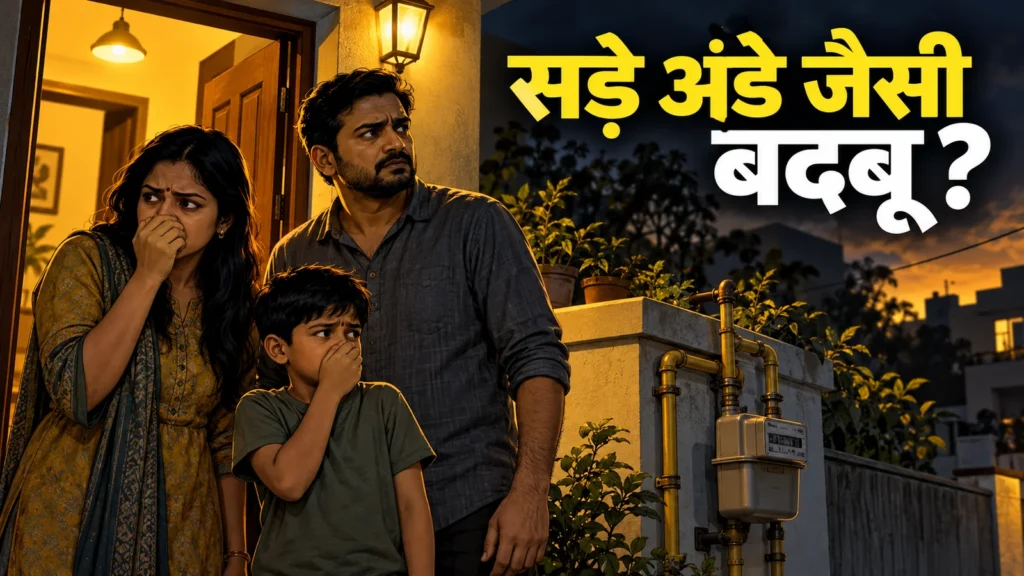
Do not repeatedly operate switches if there is a gas smell or electrical burning. Remaining near a possible hazard to test a theory is unsafe. Get help from a safe location and leave inspection to trained people.
A small daylight inspection plan
Use normal access routes and good light to look at visible doors, windows, pipes or nearby loose items. Opening electrical equipment, moving heavy unstable objects or examining a roof slab is not a casual home experiment.
Note whether a pump, device, wind or neighbouring activity coincides with the sound. A correlation is a clue, not a final diagnosis. Give the technician a clear description and let them choose a safe check.
After a repair, note whether the sound changes. One quiet night does not prove a permanent solution. Follow up if it continues or new warning signs appear. Listen to household observations without demanding agreement with your preferred theory.
Questions to ask the person inspecting the problem
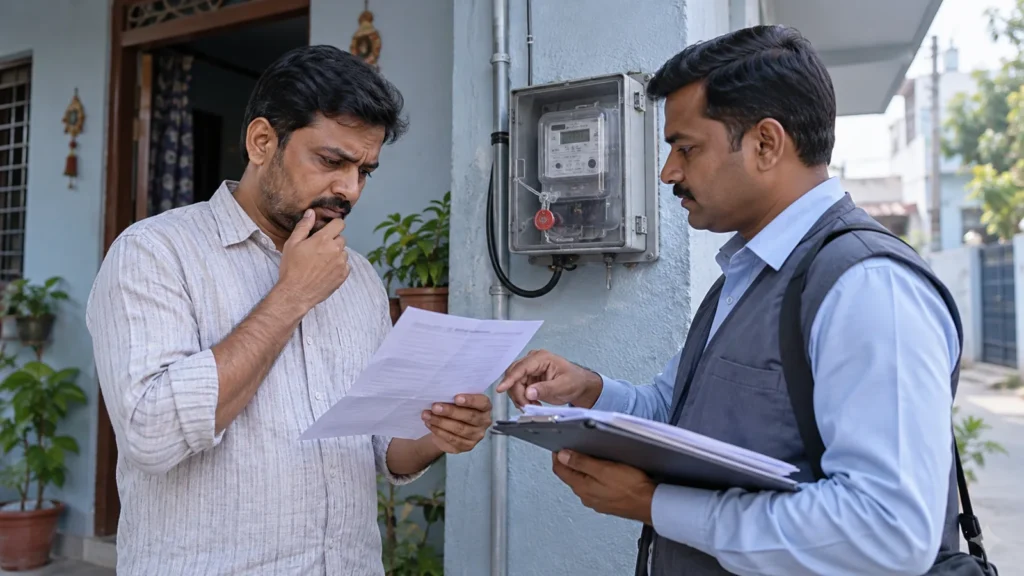
Ask what they found, what evidence links it to the sound and whether any safety issue needs prompt repair. Request a distinction between confirmed findings and possible explanations. A confident story without an inspection is not the same as identifying a source.
Before buying a repair or replacement, ask what work is proposed and what result it is expected to achieve. Keep a brief record of the advice so other household members understand it too. There is no need to accept a supernatural explanation because one initial check was inconclusive.
If the sound returns, describe the new pattern rather than starting again with the first frightening label. It may help to bring the timing notes or safe recording to a follow-up conversation. The aim is practical resolution, not proving a mystery at any cost.
Advice: distinguish a household source from a personal experience
A sound perceived only around falling asleep or waking may raise a sleep-related question. New or repeated sounds while fully awake warrant medical advice when no ordinary source is found. They do not independently diagnose a particular mental illness.
Other people hearing it can support investigating an external source, but does not prove a spirit. Another person not hearing it does not prove illness either. Timing and a safe inspection are more useful than a vote about the explanation.
Agree on a household approach: safety at night, inspection in daylight and health assessment where appropriate. Harmless prayer may be comforting, but cannot replace checking equipment, building condition or symptoms. Nobody needs to take a physical risk to resolve a frightening story.
Frequently asked questions
Do roof footsteps prove a ghost?
No. Ordinary sources and activities need consideration.
Is every tap concrete contraction?
No. That is one possible area of investigation, not a universal explanation.
Can a recording capture a ghost?
It can record sound, but does not establish a supernatural cause.
Should I climb up at night?
Do not use an unsafe or dark roof alone. Arrange daylight inspection with trained help where needed.
What if only I hear it?
Note the sleep context and seek advice for new or repeated experiences while fully awake.
Related reading
Unexplained Bruises or Scratches After Sleep: What to Check
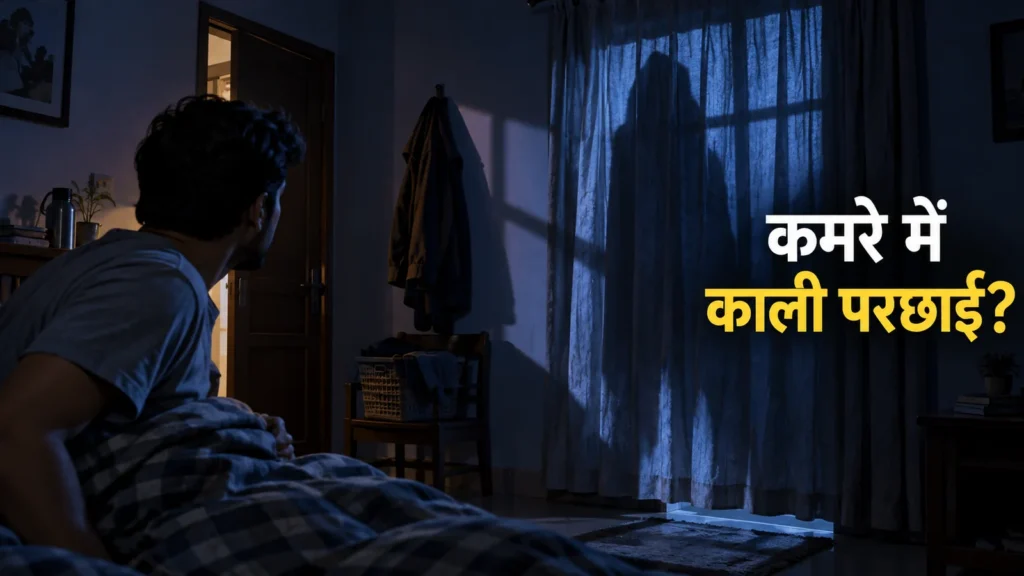
A Dark Shadow in Your Room: Sleep, Vision and What to Check
Why Do Dogs Howl at Night? Sounds, Distress and Ghost Claims
Rotten Egg Smell in the House: Safety First, Then the Cause
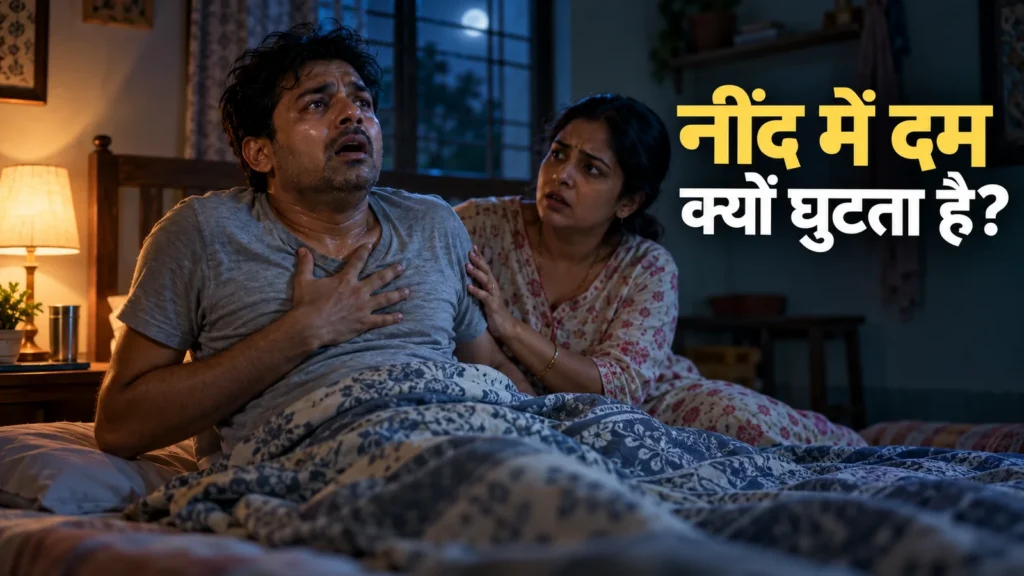
Why Do I Wake Up at 3 AM? Sleep Patterns, Fear and Next Steps
Sources and review
Information reviewed: 14 October 2026. The opening scene is illustrative, not a reported case.
ACI: Thermal and volume change effects in concrete
NHS: Hearing voices and hallucinations
This is general information, not a building or equipment safety assessment. Use trained professional help for hazards and repairs.