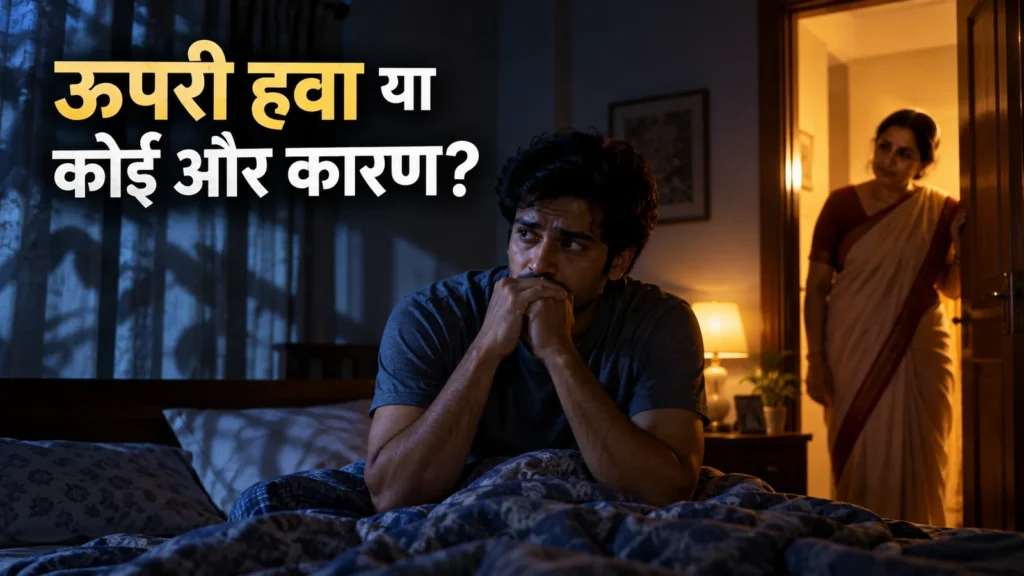
A frightening experience needs a useful next question
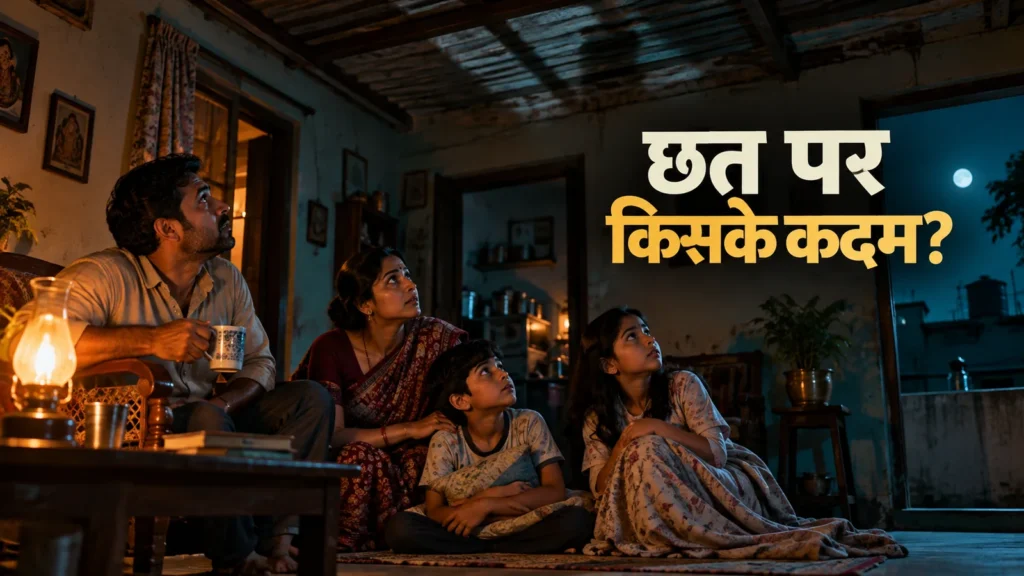
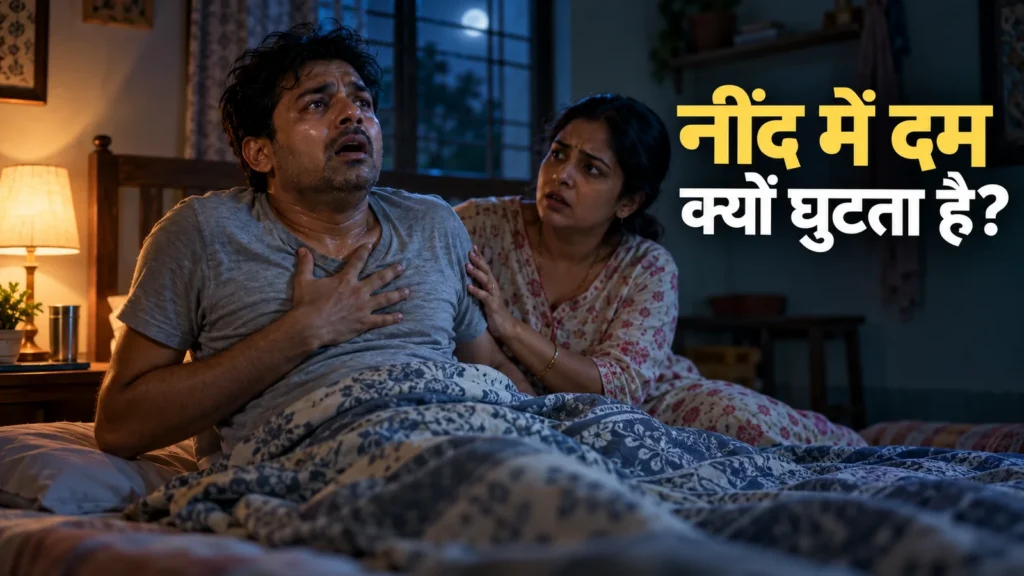
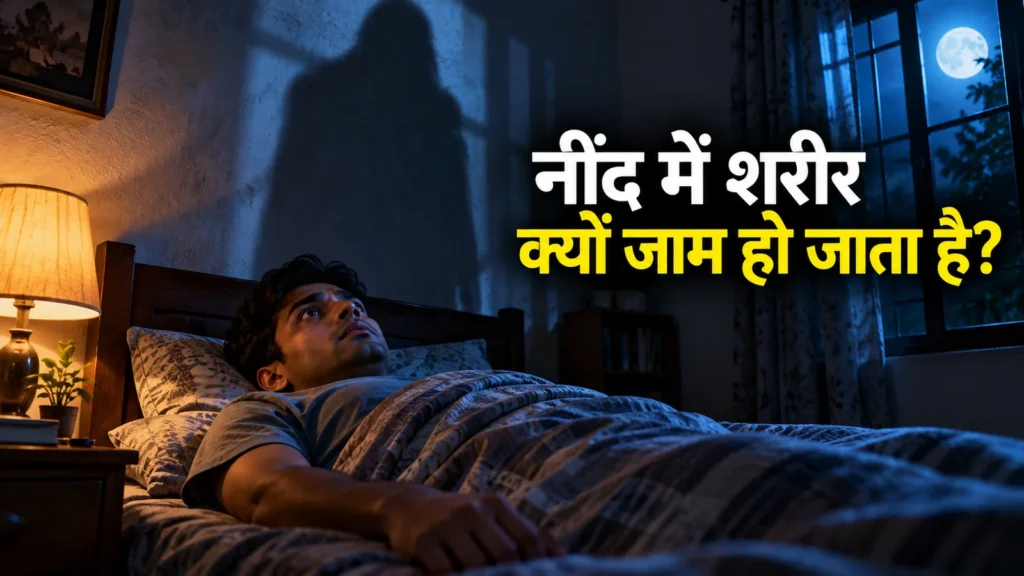
Imagine chest heaviness at night, a scratch noticed the following day and an unusual household sound that evening. Someone connects them into a story about a presence in the house. Each later event seems to confirm it. This is an illustrative example; separate experiences need not share one cause.
Experiences labelled “upri hawa” do not have one universal medical test or one disease as their answer. Fear deserves attention without establishing a supernatural explanation. Consider the timing, circumstances and effects of each event separately.
New severe chest pain, serious breathing difficulty, collapse, sudden confusion, one-sided weakness or an immediate threat from violence or fire needs emergency help. In India, 112 is an option. Ordinary explanations should not be used to minimise those situations.
Sleep transitions: temporary immobility, presence or voices
Brief inability to move around falling asleep or waking, with pressure or a sensed presence, may resemble sleep paralysis. It does not explain every episode of chest heaviness. Continuing weakness or breathing difficulty when fully awake needs separate assessment.
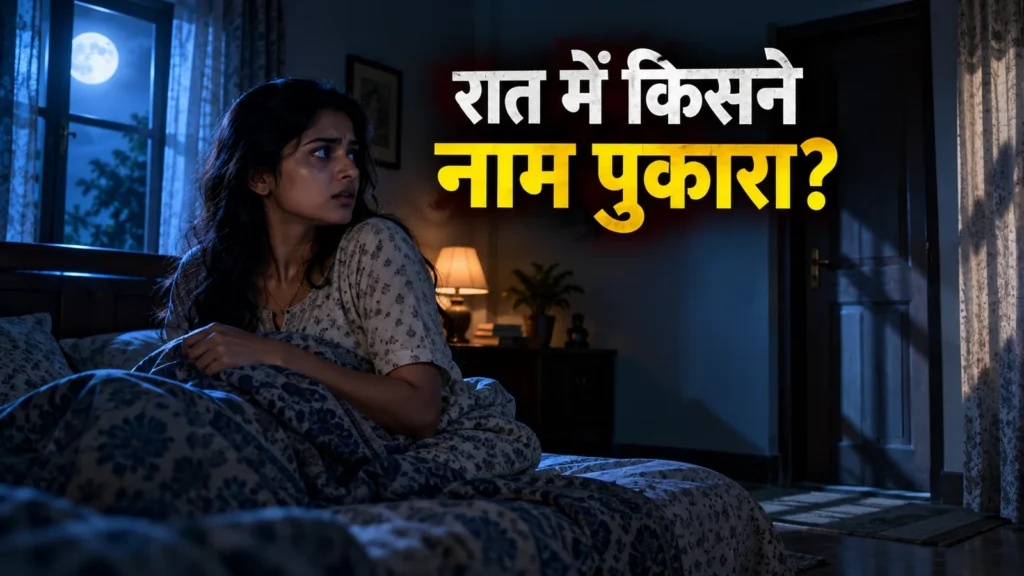
An experience of a name or image around sleep and repeated experiences during the day raise different questions. One shadow or sound does not diagnose a mental illness. New or recurring fully awake experiences may warrant medical advice.
Gasping, snoring and daytime tiredness raise a breathing question. Seeing three on the clock cannot identify the cause of all of these. The sleep pattern and accompanying symptoms are more useful than a supernatural timetable.
Keep panic-like symptoms, scratches and bruises distinct
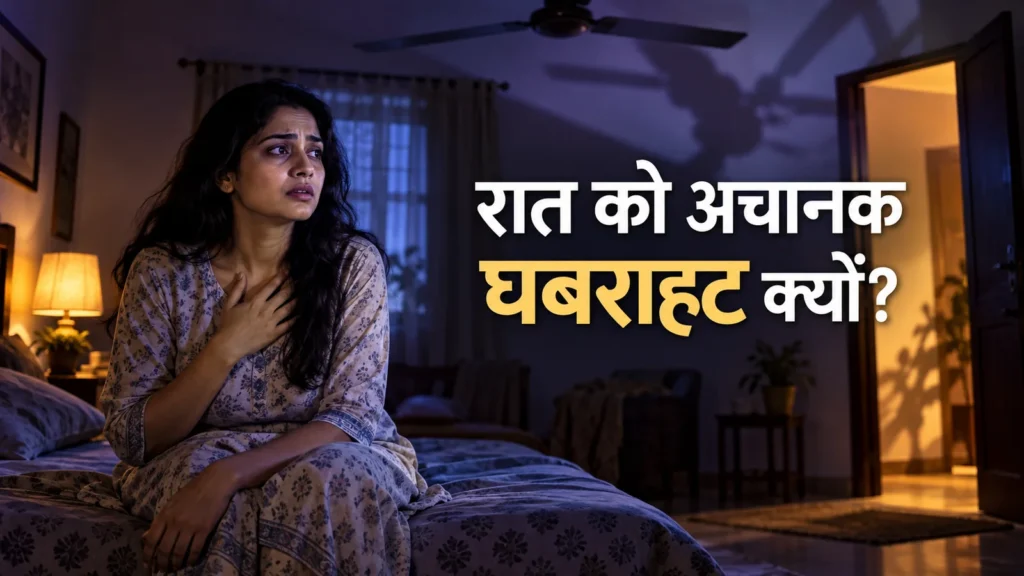
Fear or a panic-like episode can involve palpitations, sweating and restlessness. Not every physical symptom is anxiety. Give an accurate account of a first unusual event, pain or continuing difficulty instead of selecting an explanation immediately.
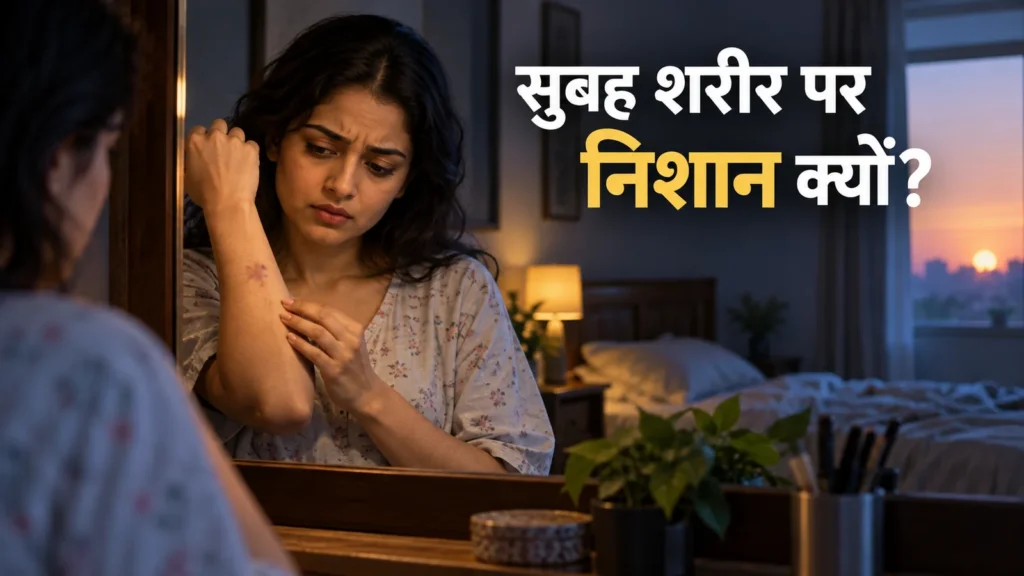
Is the mark a surface scratch or a bruise under the skin? Finding it in the morning does not establish that it developed during the night. Repeated unexplained bruises, other bleeding or a change after medicine should be discussed with a clinician.
Do not assign a vitamin deficiency, gas exposure, panic or a presence without assessment. Stopping prescribed medication or borrowing tablets is not an answer. History, examination and any necessary tests should follow the actual complaint.
FACT: an experience can feel real without settling its cause
“I experienced this” deserves to be heard. “Therefore an entity outside me caused it” is a separate claim. Combining events into one story does not demonstrate a shared cause. Distinguishing observation from interpretation keeps the investigation open.
Be cautious of lists that diagnose a spirit, one mental disorder or one deficiency from a single symptom. “The cause is not yet clear” can be an honest answer, followed by safe observations and appropriate support.
Household shadows, sounds and smells: hazards come first
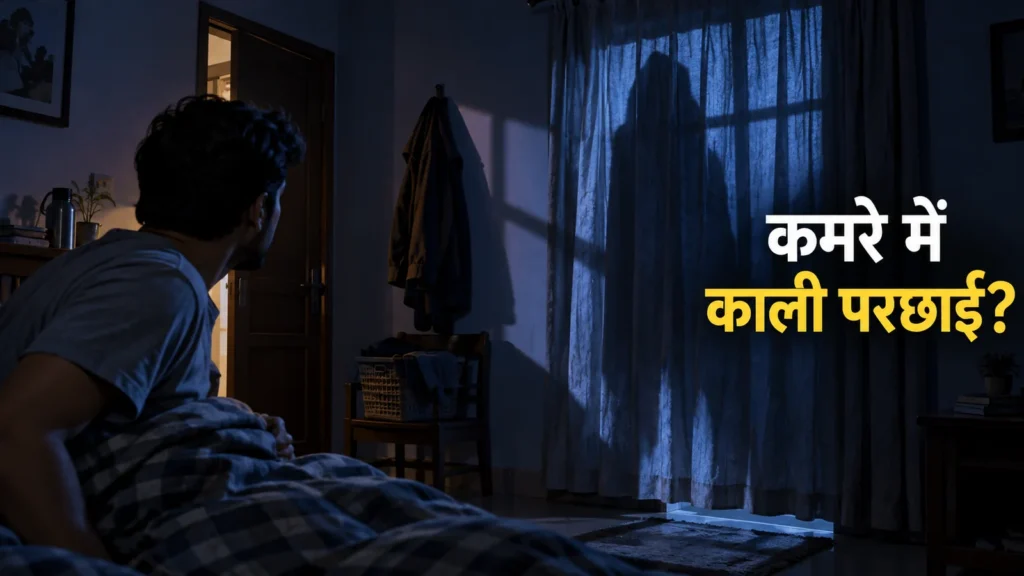
A low-light misidentification of clothing or a curtain is one possibility. Pipes, wind or loose components may be relevant to a household sound. Do not assign every noise to concrete contraction or every shadow to a particular frequency.
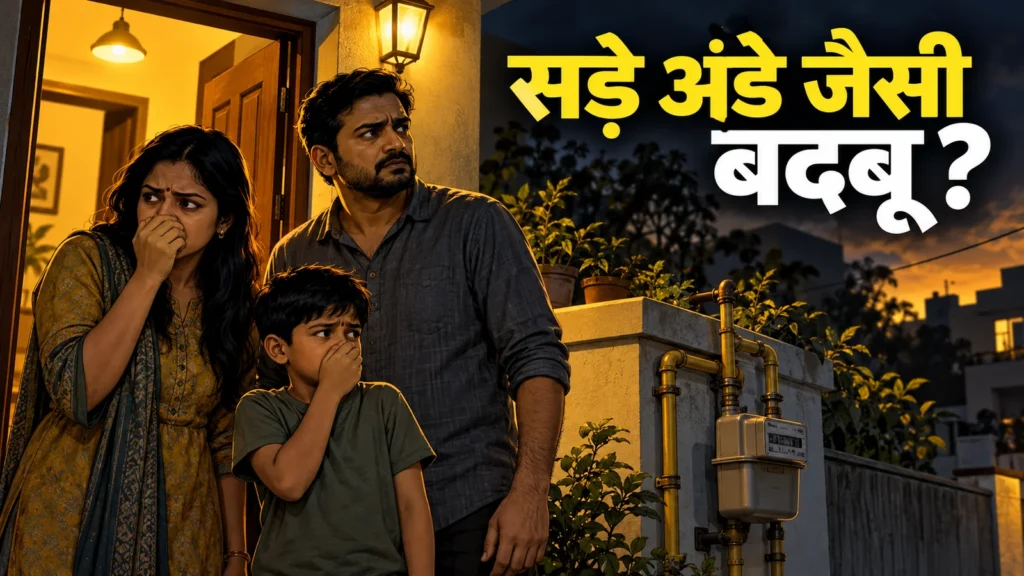
A strong unknown smell or suspected gas leak can require moving safely outside and obtaining trained help. Do not experiment with flames or switches indoors. A fading smell does not establish safe air; do not enter a sewer or tank to investigate.
When environmental safety has been assessed and a persistent smell experience occurs only for you, a clinician or ENT assessment may be appropriate. Another person not noticing a sound or smell does not prove dishonesty. Timing and actual environmental checks matter.
Dreams, doorstep objects and changed behaviour
Dreams of a deceased relative or snake cannot establish a fixed prediction. Memory and grief may carry meaning, while recurring nightmares affecting sleep deserve support. Neither every dream being guilt nor every snake being a curse is a justified universal explanation.
A lemon or powder at a doorway cannot establish motive or a particular culprit. Safe handling of unknown material and real threats are different questions. Fear does not require accusing someone or buying an expensive remedy.
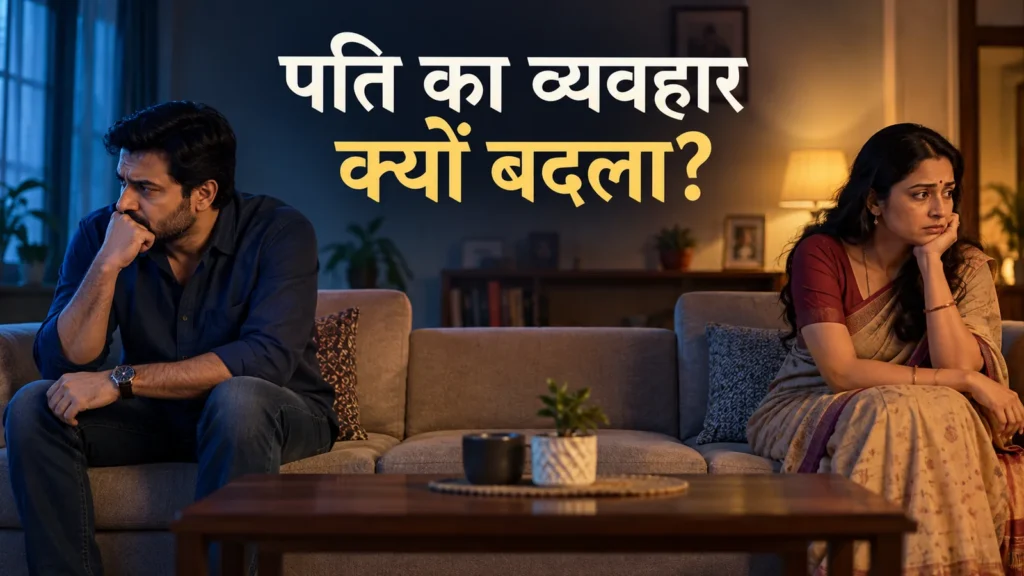
A partner’s changed behaviour may concern a relationship, health or personal choice. Anger alone is not a diagnosis. Violence calls for safety, while sudden confusion calls for medical help. A joint counselling discussion is not safe for every situation.
Keep a small record and choose the relevant support
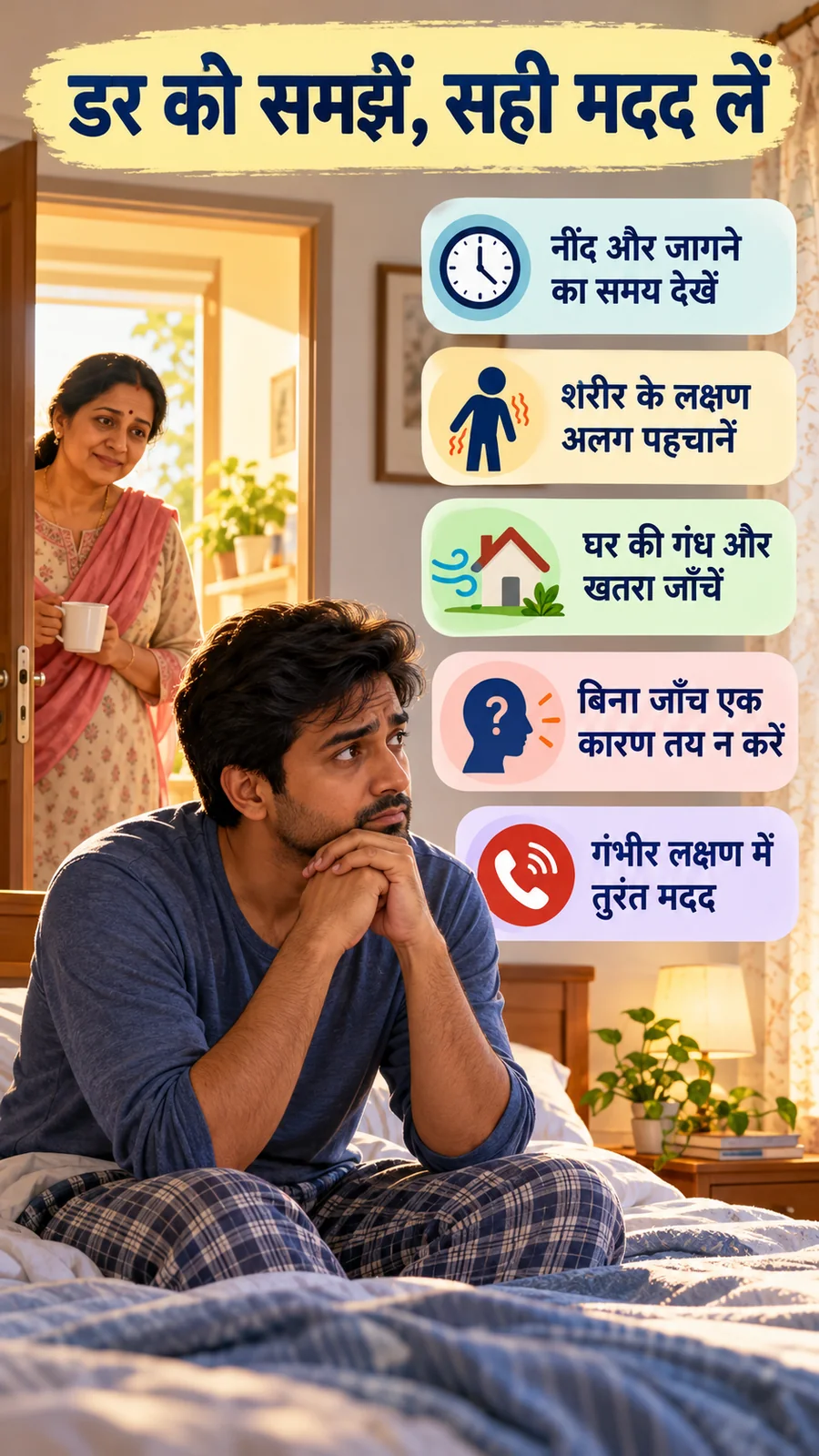
Note what occurred, when and in which circumstances, how often and what daytime effect followed. Include accompanying symptoms and medicines. A few lines are enough; simplify the record if constant monitoring increases fear.
A helpful family response is: “We hear that you were frightened. Let us check safety and then understand the cause.” This respects the experience without confirming a supernatural interpretation. Mocking, hitting or exposing someone to smoke is not support.
Primary care can be a starting point for health symptoms. Real household hazards need trained assistance, and threats need appropriate safety help. One remedy offered for every problem is less useful than matching help to the actual situation.
Advice: seek understanding without giving up safety or choice
Harmless faith practices may offer personal comfort. Do not connect them with unknown medicines, injury, isolation or stopping necessary treatment. Blaming a relative or trying to control a person is not a useful explanation.
Arrange follow-up when sleep, distress or health complaints recur. Needing support does not make the experience invented. The cause may not be immediately clear, while safety and symptoms can still receive attention.
The individual guides in this cluster discuss each experience in more detail. Choose the relevant one and seek professional help when needed. Naming a pattern can begin to reduce fear without claiming certainty about every cause.
Frequently asked questions
Is there a definite test for a supernatural presence?
The experiences described here do not establish a supernatural diagnosis. Assess circumstances and symptoms.
Is every experience mental illness?
No. Sleep, physical health, environment and relationships can raise different questions.
Does medical help oppose faith?
Harmless personal comfort can coexist with medical and safety support.
Who should I contact first?
Match help to the situation: primary care for health, trained services for hazards and emergency help for immediate danger.
How can family help?
Listen calmly, check safety, record facts and support appropriate help without mocking or coercion.
Related reading
Recurring Snake Dreams or Dreaming of a Bite: Meaning and Help
Lemon or Red Powder at Your Door: Safe Steps Without Guessing
Suspect Vashikaran? Understanding a Husband’s Changed Behaviour
Sources and review
Information reviewed: 14 October 2026. The opening scene is illustrative, not a reported case.
NHS: Hallucinations and hearing voices
NHS practice: Unexplained bruising
WHO: Care and safety after partner violence
This is general information, not an individual diagnosis or treatment. Seek professional help for severe or persistent symptoms.