What is Positive Thinking?
Positive thinking is often misunderstood. It’s not about ignoring problems or simply saying ‘everything will be fine.’ Instead, it’s a mental attitude where you approach life’s challenges and circumstances with an optimistic outlook. This means believing in your abilities, trusting in your capacity to find solutions, and actively seeking the good in every situation. It’s about realistic optimism, not blind faith. It involves acknowledging problems and then working towards constructive solutions. It’s about viewing setbacks as learning opportunities.
How Does Positive Thinking Work?

Our thoughts don’t just stay in our minds; they profoundly influence our body, emotions, and behaviour.
Psychological Impact
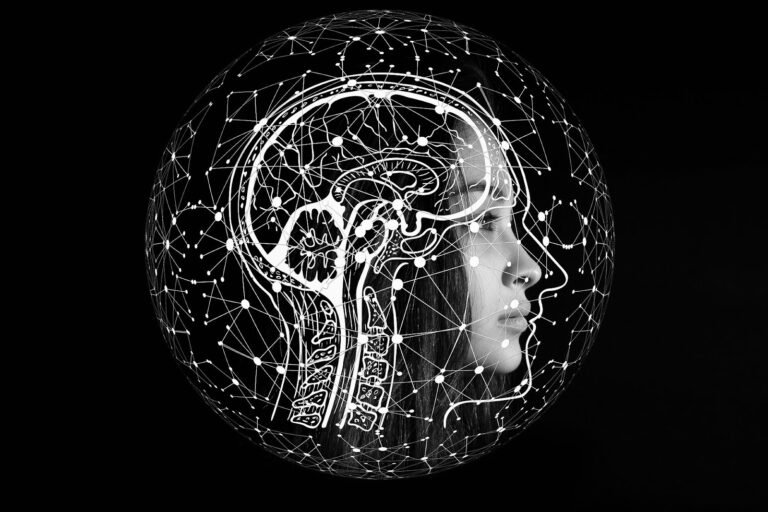
When we think positively, our brain releases ‘feel-good’ hormones like dopamine and serotonin, which improve our mood and reduce stress. This makes us more creative and better at problem-solving. Conversely, negative thinking increases stress hormones, leaving us feeling anxious and incapable.
Self-Fulfilling Prophecy
What you think, you tend to do. If you believe you will succeed, you’ll take the necessary steps to achieve it. If you think you’ll fail, you might not even try or will put in half-hearted effort, increasing the likelihood of failure. Your thoughts guide your actions, and your actions determine your outcomes.
Neuroplasticity
Our brain is like a muscle that can be trained. By consistently thinking positively, we create new neural pathways in our brain, making positive thinking a habit. The more you practice it, the more natural it becomes.
The Amazing Benefits of Positive Thinking
Positive thinking doesn’t just make you feel good; it offers tangible benefits that can enhance every aspect of your life.
Improved Physical Health
Stress and negativity are directly linked to many illnesses. Positive thinking reduces stress, lowering the risk of heart disease, high blood pressure, and other stress-related conditions. It also strengthens your immune system, helping you fight off illnesses more effectively.
Mental Peace and Happiness
People with a positive outlook tend to experience less anxiety and stress. They can appreciate life’s small joys and maintain greater mental peace when facing challenges. It can also help reduce symptoms of depression and anxiety.
Stronger Relationships
A positive person naturally attracts others. They are more sociable, cooperative, and empathetic. Positivity fosters trust and understanding in your relationships, strengthening both personal and professional connections.
Greater Success and Motivation
Positive thinking motivates you to achieve your goals. When you believe in your abilities, you’re more willing to take risks, explore new opportunities, and learn from failures. This leads to greater success in your career and personal aspirations.
Increased Resilience
Life inevitably has ups and downs. Positive thinking helps you stay resilient during difficult times. It equips you with the ability to bounce back from challenges, learn from them, and emerge stronger.
Practical Steps to Cultivate a Positive Mindset

Positive thinking is a skill that can be developed with practice, not magic.
Identify and Challenge Negative Thoughts
Whenever a negative thought arises, pause and identify it. Ask yourself, ‘Is this true? Is there another perspective?’ Challenging your thoughts is the first step to changing them.
Practice Gratitude
Each day, reflect on things you are grateful for. Keep a gratitude journal and write down 3-5 things daily. This shifts your focus towards the good in your life.
Use Affirmations
Start your day by saying positive things to yourself, such as ‘I am capable,’ ‘I am strong,’ ‘Today will be a good day.’ Saying them aloud can have a profound impact on your subconscious mind.
Distance Yourself from Negativity
Avoid negative news, gossip, or people who constantly complain. Choose your company wisely. Spend time with positive and inspiring individuals.
Set and Work Towards Goals
Set small, achievable goals. Accomplishing them boosts your confidence and positivity.
Practice Mindfulness and Meditation
Regular meditation calms your mind and helps you live in the present moment, reducing the grip of negative thoughts.
Adopt a Healthy Lifestyle
Get enough sleep, eat nutritious food, and exercise regularly. Physical health is closely linked to mental well-being.
Conclusion
Positive thinking is more than just a nice idea; it’s a powerful tool that can fundamentally transform your life. It helps you navigate challenges, find joy, and realize your true potential. Remember, it’s a journey, not a destination. Take charge of your thoughts starting today and step towards a more positive, happy, and successful life.
A Practical Tip
Think of positive thinking like building a muscle; it requires daily training. Start small. When you wake up, spend just 5 minutes thinking about what good things might happen today. Try to look at one thing that’s bothering you from a positive angle. Gradually, this will become a habit, and you’ll see positive changes unfolding in your life. Keep at it, and don’t give up!