What is Panchamrit and Its Religious Significance?
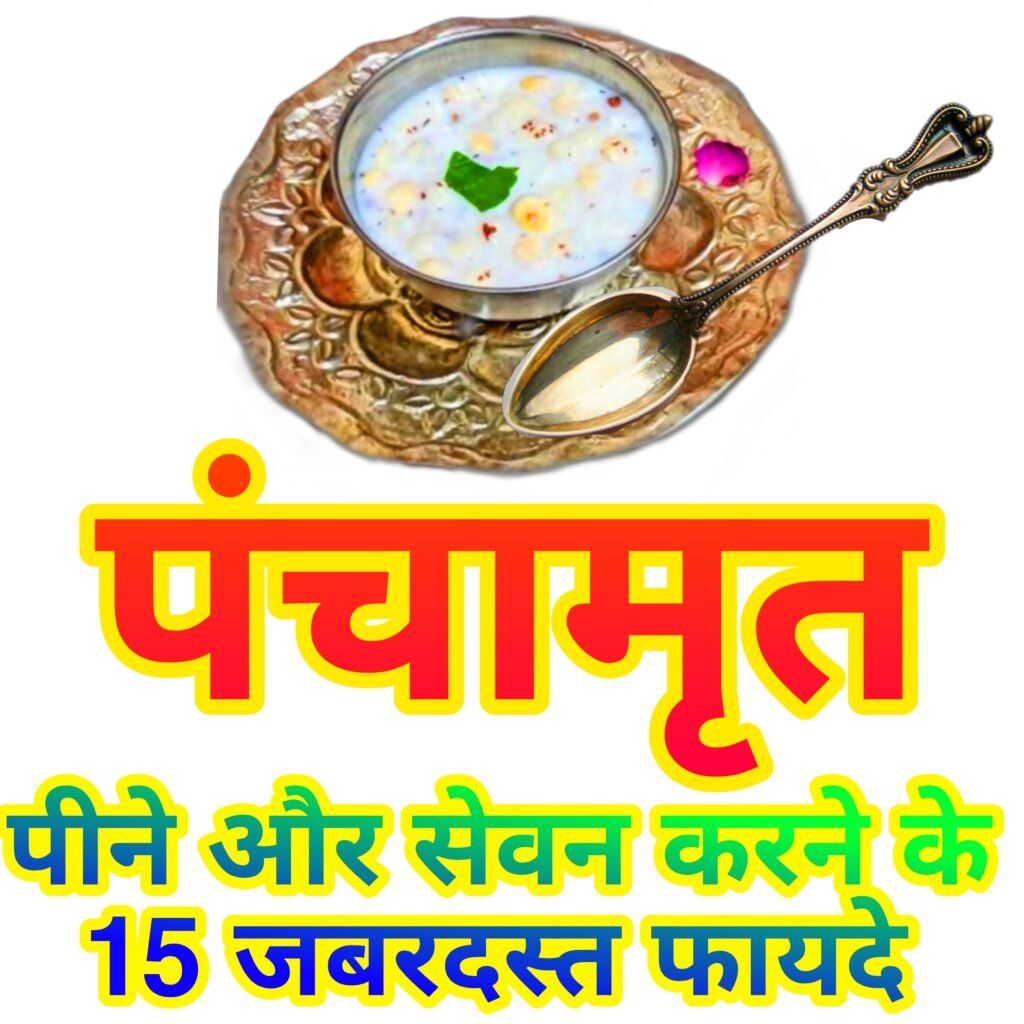
The word ‘Panchamrit’ is a combination of two Sanskrit words: ‘Panch,’ meaning five, and ‘Amrit,’ meaning nectar or immortalizing drink. Thus, Panchamrit translates to ‘five nectars.’ It is a sacred mixture prepared from five essential ingredients, traditionally offered to deities and then distributed as prasad (blessed offering) to devotees. This practice is deeply rooted in Hindu traditions, believed to please the gods and purify the environment. Each component holds symbolic meaning:
- Milk: Symbolises purity and serenity.
- Yogurt (Dahi): Represents prosperity and happiness.
- Ghee (Clarified Butter): Signifies strength, victory, and energy.
- Honey: Symbolises sweetness, health, and concentration.
- Sugar (or Mishri): Represents joy and sweetness in life.
This blend is not just a spiritual offering; it’s believed to nourish both the body and mind, providing spiritual energy and physical sustenance.
The Five Core Components of Panchamrit and Their Importance
Each ingredient in Panchamrit is rich in medicinal properties. When combined, their benefits are amplified:
Cow’s Milk
An excellent source of calcium, protein, and Vitamin D, essential for strong bones and teeth. It nourishes the body and provides energy. Religiously, it signifies purity.
Yogurt (Dahi)
Rich in probiotics, yogurt is highly beneficial for gut health and digestion. It enhances the body’s immunity and helps alleviate stomach issues.
Cow’s Ghee
Pure ghee is packed with vitamins A, D, E, and K. It supports brain health, stimulates digestive fire (Agni), and strengthens the body from within. It’s considered a source of power and energy.
Pure Honey
A natural source of antioxidants and antibacterial agents, honey aids in fighting sore throats, coughs, and infections. It provides instant energy and is also beneficial for the skin.
Mishri or Sugar
Mishri (rock sugar, especially the thread-like variety) or sugar provides immediate energy, revitalises the body, and helps combat mental fatigue. Mishri is often preferred as it is less refined than regular sugar.
Tulsi Leaf (Optional)
Many also add a Tulsi (holy basil) leaf to Panchamrit, further enhancing its medicinal value. Tulsi is renowned for its anti-inflammatory and immune-boosting properties.
Remarkable Health Benefits of Consuming Panchamrit
Regular and moderate consumption of Panchamrit can offer numerous benefits for your physical and mental well-being:
Improves Digestion
The probiotics in yogurt help balance the gut microbiome, ensuring smooth digestion. Ghee stimulates digestive fire (Jatharagni), aiding nutrient absorption. It can provide relief from constipation and indigestion.
Boosts Immunity
The antibacterial and antioxidant properties of honey, combined with the probiotics in yogurt and vitamins in ghee, strengthen the body’s immune system. This helps in fighting off infections and illnesses.
Provides Physical Energy and Vitality
Honey and sugar offer quick energy, while ghee and milk provide sustained energy release. This helps you stay active and energetic throughout the day, making it particularly beneficial when consumed in the morning.
Beneficial for Skin and Hair
Milk, yogurt, ghee, and honey are excellent nutrients for skin and hair. They help moisturise the skin, enhance its glow, and can reduce acne. They also nourish hair, making it strong and healthy.
Enhances Mental Peace and Concentration
The nutrients in Panchamrit can improve brain function. Ghee is considered highly nutritious for the brain, potentially enhancing memory and concentration. Its consumption can also aid in achieving mental peace and reducing stress.
Strengthens Bones and Muscles
Milk and yogurt are superb sources of calcium, vital for strong bones and teeth. The protein in milk aids muscle development and repair, contributing to overall physical strength.
Detoxifies the Body
According to Ayurveda, ghee helps in eliminating toxins from the body. A balanced Panchamrit mixture can also contribute to internal cleansing to some extent.
Nutritional Support During Pregnancy (Consult a Doctor)
Panchamrit can be a nutritious option for pregnant women due to its content of calcium, protein, and energy. However, it is crucial to consult your doctor before incorporating any new dietary item during pregnancy.
Rich in Anti-Aging Properties
The antioxidants found in honey and ghee protect cells from free radical damage, potentially slowing down the aging process and helping you maintain a youthful appearance longer.
How to Prepare Panchamrit Correctly
To make a healthy and beneficial Panchamrit, use fresh and pure ingredients:
Ingredients:
- 250 ml pure cow’s milk (boiled and cooled)
- 2 tablespoons fresh yogurt
- 1 tablespoon pure cow’s ghee
- 1 tablespoon pure honey
- 2 tablespoons Mishri (powdered) or sugar to taste
- A few Tulsi leaves (optional)
Method:
- In a clean vessel, take the milk.
- Add yogurt, ghee, honey, and powdered Mishri or sugar. Mix well.
- Stir until all ingredients are uniformly blended and the sugar is completely dissolved.
- If using Tulsi, gently add a few leaves and mix.
- Your nutritious Panchamrit is ready!
When and How to Consume Panchamrit?
Panchamrit is typically consumed as prasad after religious ceremonies. For health benefits, you can take one or two teaspoons in the morning on an empty stomach. Regular consumption can be beneficial, but avoid excess.
Who Should Avoid or Consume Panchamrit with Caution?
While Panchamrit offers many benefits, certain individuals should exercise caution or avoid it:
- Diabetic Patients: Due to the sugar and honey content, diabetics should avoid it or consume in very small quantities under medical advice.
- Lactose Intolerance: Individuals allergic to milk or yogurt should not consume it.
- Allergies: If you are allergic to any of the Panchamrit ingredients, do not consume it.
- Obesity or High Cholesterol: Those with these conditions should be cautious due to the ghee and sugar content.
In any health condition, it is always best to consult your doctor or an Ayurvedic practitioner before starting Panchamrit consumption.