The dream ends, but the fear remains
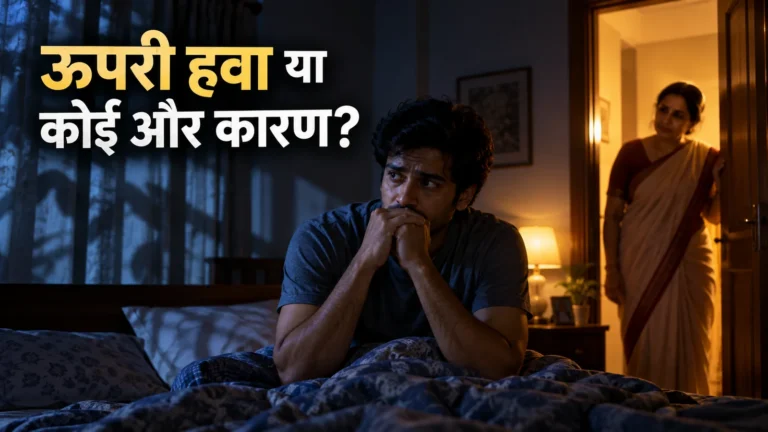
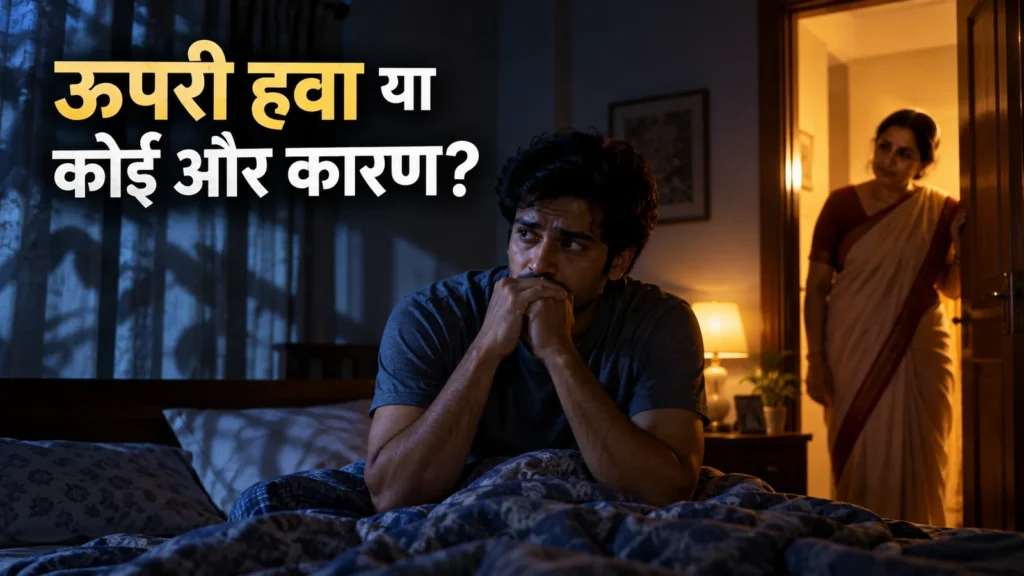
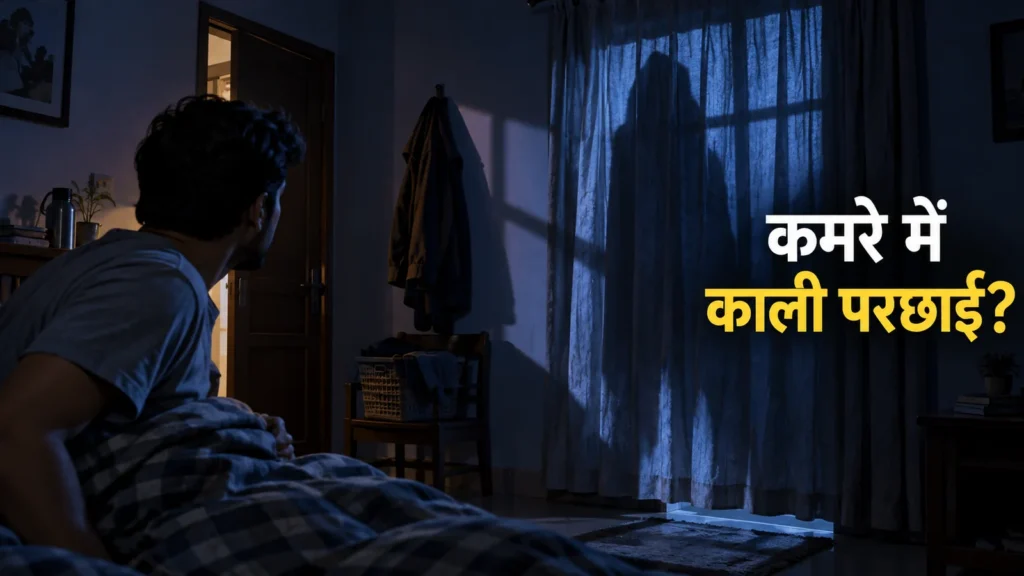
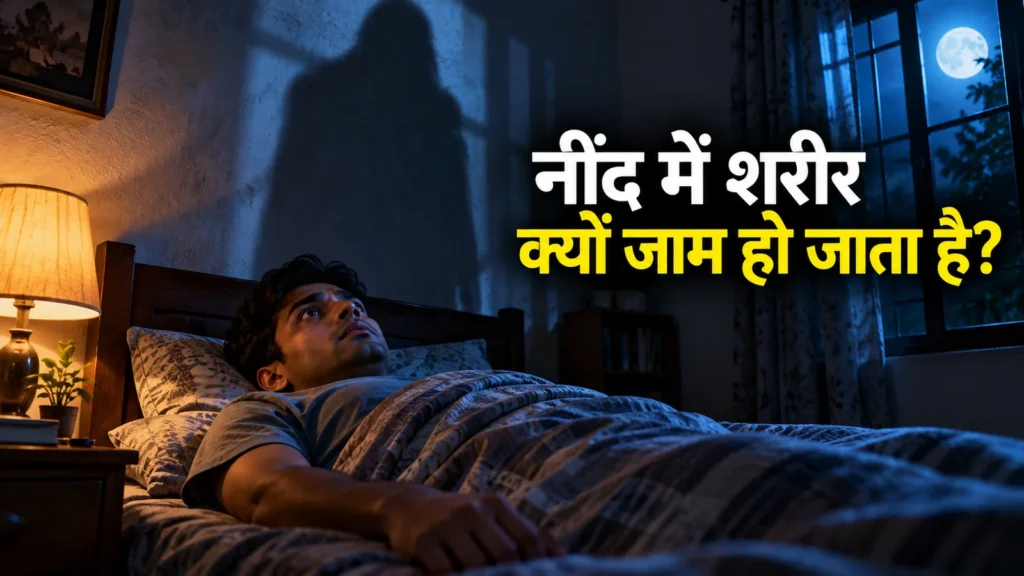
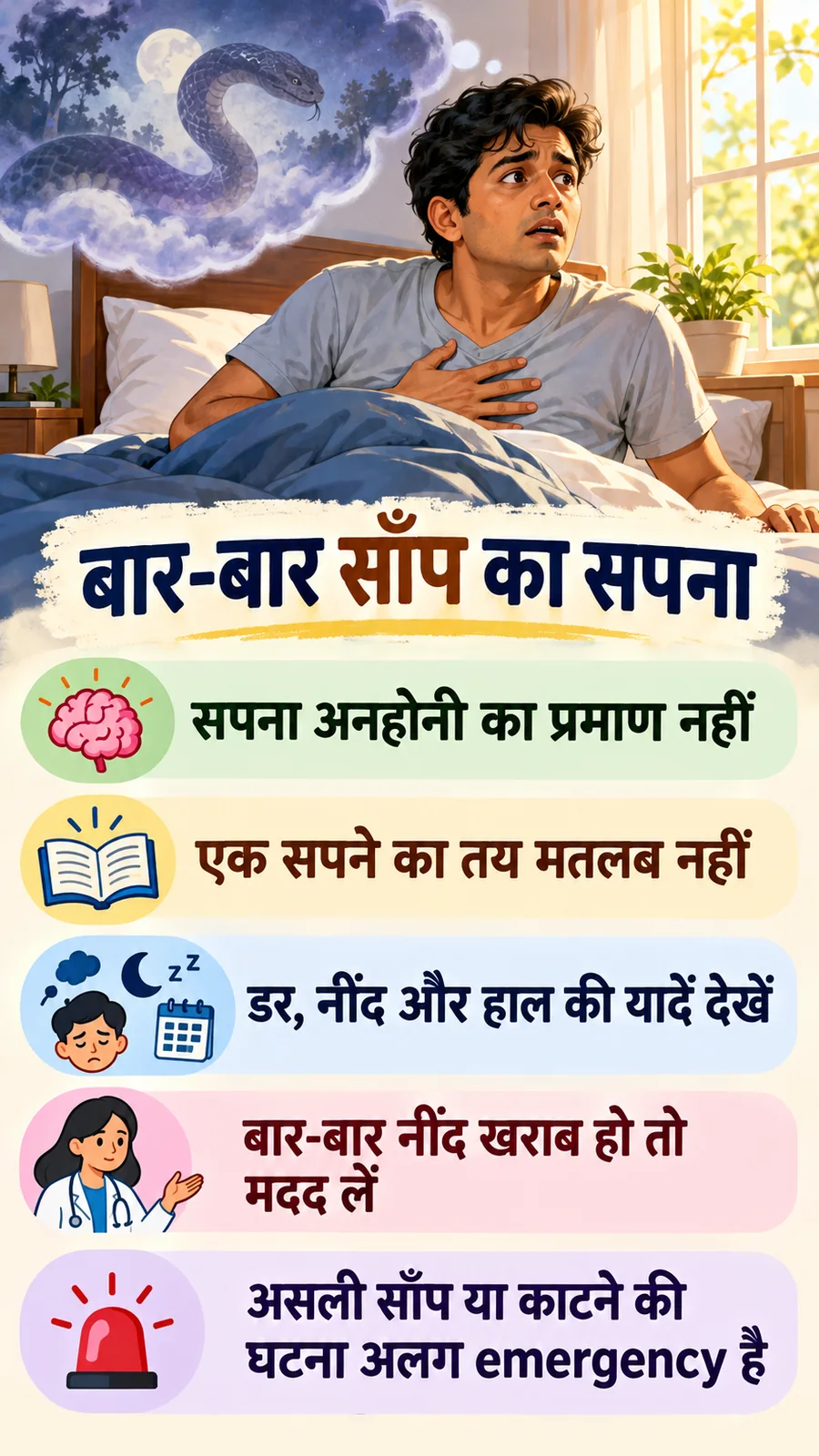
Imagine a snake chasing you in a dream. Your legs seem heavy, it bites and you wake. You are physically safe, yet the vivid scene feels like a warning. This is an illustrative dream, not a report of a real snakebite.
Recurring snake dreams do not establish a fixed future event, a curse or a supernatural presence. The fear may still affect sleep. The practical question is how the experience fits your sleep and distress, rather than which universal prediction it supposedly contains.
A real snake or a suspected actual bite is a separate situation requiring urgent medical help. Do not dismiss a real exposure as a dream. This article concerns dreams and nightmares, not the assessment of a physical bite.
Dreams are not a universal codebook
Memories, recent experiences and emotions may feature in dreams. That does not mean a snake, colour or number has one scientifically established meaning for everyone. Something ordinary to one person may be a familiar source of fear to another.
A story mixing old and new scenes is a useful analogy. It is not a complete account of how dreams are generated. Assigning a certain event to one detail turns an uncertain interpretation into a definite answer.
A dream feeling meaningful and a dream predicting an external event are different claims. You can reflect on the experience without using it to test a relative’s intentions, diagnose an illness or predict what will happen tomorrow.
What matters when a frightening dream repeats
Mention recent frightening material, stress, disrupted sleep, illness or medication changes if relevant. Their presence does not independently identify the cause. The actual pattern and its effects deserve attention.
A bad dream you wake from and remember may resemble a nightmare. Crying out or moving while asleep without remembering the event can be a different pattern. Family observations may help without becoming a home diagnosis of night terrors.
If nightmares follow a frightening real event, explain that context. Not every snake dream establishes trauma or PTSD. One image cannot choose a diagnosis; assessment considers timing, distress and other symptoms.
FACT: the “reptilian brain” is not a complete explanation
Claiming that one primitive survival programme necessarily generates every snake dream is too certain. The processes and functions of dreaming remain subjects of research. A simple explanation should not erase uncertainty.
A dream also cannot establish a curse, an enemy or an impending death. Cultural interpretations may hold personal meaning, but should not be presented as medical findings or scientifically validated predictions.
What to do after waking frightened
Notice the present room and the day you have woken into. If you are safe, remind yourself that the dream has ended. A gentle light or company from someone trusted may help. You do not need to force rapid breaths or hurt yourself to prove you are awake.
Write briefly about what you recall, how you felt and whether distress lasted into the morning. Record emotions instead of treating every detail as a warning. Pause searches for alarming meanings if they increase your fear.
Harmless personal faith practices can be comforting. Avoid unknown remedies, borrowed sleeping tablets or painful rituals. Seeking help for sleep does not require arguing against your whole belief system.
Prepare the next night and support a frightened child
A calm bedtime routine, regular timing and less material that increases fear can be practical starting points. No single trick guarantees that every nightmare stops. A short diary can note sleep timing, the dream and its daytime effect.
If a child reports a snake dream, do not burden them with claims that someone used magic or harm is inevitable. Listen and discuss safe ordinary surroundings. Let them talk if they want to, without demanding every frightening detail.
Family support should neither mock the fear nor confirm a frightening explanation as fact. Seek professional help when fear of sleeping or effects on school and work recur. The experience is not a test of character or faith.
A useful description for an appointment
You might say: “The dream keeps returning, and I am now afraid to sleep.” Include how often you remember it, whether you wake fully and how you function the next day. Estimates are acceptable; you do not need an exact recording of every night.
Ask what needs assessment, whether any treatment is appropriate and how to follow up. Mention medicines and significant recent events without choosing a diagnosis in advance. If a family member comes, they can describe observations while allowing you to explain your own feelings.
The conversation should clarify support and next steps rather than become an argument over which dream meaning is correct. You can value personal symbolism while seeking help for the practical effects of repeated distress.
Ask what to do if the nightmare returns or sleep becomes more difficult. A clear follow-up plan is more useful than repeatedly searching for a prediction while frightened.
Advice: when repeated nightmares need support
See a clinician if regular nightmares affect sleep and daily life. Primary care may guide sleep or mental-health support according to the pattern. Bring your medicines list and do not stop prescribed treatment abruptly.
Psychological or nightmare-focused approaches may sometimes be used. The appropriate method depends on assessment. An online exercise, particularly with trauma-related symptoms, cannot replace an individual treatment plan.
The aim is less distress, safer sleep and a workable routine. You do not need a lucky or unlucky label for the snake before asking for that help. A repeated dream deserves understanding without becoming a prediction of harm.
Frequently asked questions
Do snake dreams prove a curse?
No. A dream alone cannot establish a curse or spiritual defect.
Does a dream bite predict real injury?
It does not establish that prediction. A suspected actual bite is a separate emergency.
Is every snake dream caused by stress?
No universal cause follows from one dream image.
Can colour decode the dream?
There is no fixed scientifically established meaning for every colour.
When should I get help?
When repeated nightmares affect sleep or daily activities, or whenever you want support.
Related reading
Lemon or Red Powder at Your Door: Safe Steps Without Guessing
Suspect Vashikaran? Understanding a Husband’s Changed Behaviour
Fear of a Supernatural Presence: Check Sleep, Symptoms and Safety
Sources and review
Information reviewed: 14 October 2026. The opening scene is illustrative, not a reported case.
NHS: Nightmares and night terrors
NINDS: Understanding sleep and dreams
NHS: PTSD and recurring nightmares
UCLH: Imagery rehearsal therapy
This is general information, not an individual diagnosis or treatment. Seek professional help for severe or persistent symptoms.