An unexplained smell should not become a supernatural distraction
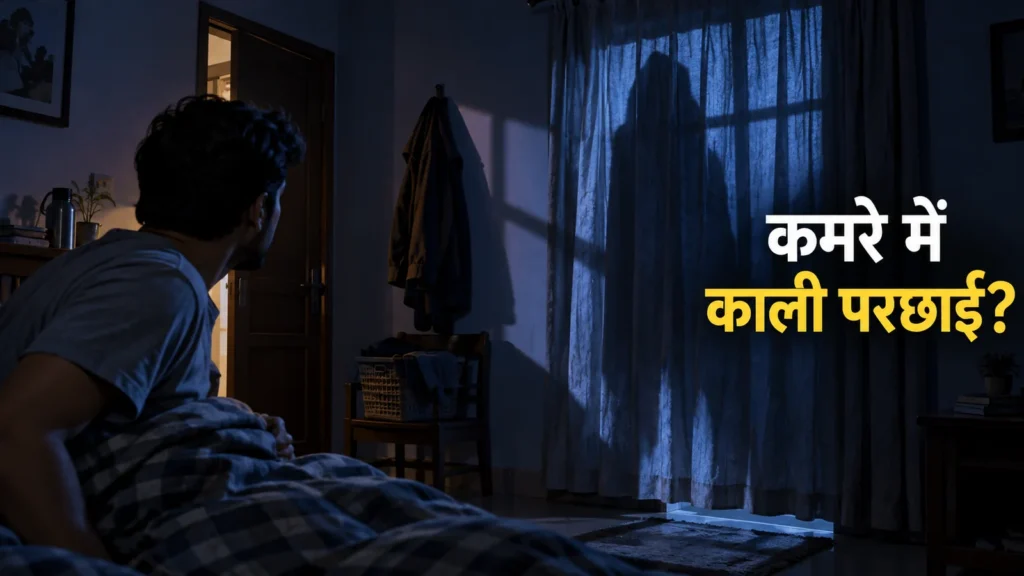
Imagine a strong rotten-egg smell near a kitchen or bathroom at night. Someone calls it a spirit, and the family searches indoors without discussing pipes, fuel or air safety. This is an illustrative scenario. The immediate priority is safety rather than interpreting the mystery.
A rotten egg smell in the house should not automatically be called a haunting or dismissed as imagination. Gas, drainage, spoiled material or other sources may be relevant. Describing an odour cannot identify its chemical source or a safe concentration from home.
With a strong unknown smell or suspected gas leak, move people safely outside. Do not use flames or operate electrical switches inside. Call for help from a safe location. Breathlessness, dizziness, confusion or collapse needs urgent medical assistance.
What gas and drainage possibilities mean
Hydrogen sulfide can produce a rotten-egg odour at low concentrations. Sewage and other contexts may raise that question, but a trained assessment is needed. It is not accurate to declare every household smell hydrogen sulfide.
If a fuel or LPG leak is suspected, contact the supplier’s emergency service. India has the LPG emergency helpline 1906. For fire, serious illness or another emergency, use 112 or local emergency services as appropriate. Make the call outside the suspected leak area.
Do not sniff closely at a pipe, open a valve to experiment or use a flame to locate a leak. A reduced smell is not a reason to rush back inside. Follow professional safety advice; protecting people from exposure comes before proving the source.
Do not enter a sewer or enclosed tank to investigate
Drains and enclosed pits can raise air-safety concerns. Do not climb into a tank or sewer to investigate an odour. Gas hazards cannot be reliably assessed by looking or smelling without suitable equipment and training.
If someone collapses in such a space, do not follow them without trained rescue and appropriate protection. A rushed attempt can put another person at risk. Call emergency medical help and trained rescuers. Covering the nose with cloth does not make entry safe.
Explain the problem to the relevant service, but do not request unsafe entry as a shortcut to a repair. Professionals must determine the work and safety measures. “Just looking for two minutes” is not a safe plan for an enclosed-space investigation.
FACT: losing the smell does not establish safe air
Hydrogen sulfide can impair the warning provided by smell. Do not treat the nose as a reliable continuous detector. A smell that seemed strong and then faded cannot by itself establish safety.
Carbon monoxide is a different, odourless gas. Calling a rotten-egg smell CO is inaccurate, while absence of smell does not rule out every combustion hazard. Appropriate ventilation and professional maintenance of fuel-burning equipment remain important.
Source: CDC/NIOSH: Hydrogen sulfide

Investigating ordinary sources after immediate hazards are assessed
Once professional advice establishes that an immediate hazard is not present, consider source-specific checks in safe conditions. Is the smell associated with a drain, tap water, stored food or a particular location? Note the association without diagnosing unsafe water or failed plumbing by smell alone.
Tell the repair service where and when it occurs. Layout, recent plumbing work and whether other people notice it can be useful details. Do not open unknown drainage systems or mix multiple cleaners as a home experiment.
Follow up if it returns after a repair. Perfume or incense may cover an odour without identifying or correcting the source. The smell becoming more pleasant does not settle the underlying safety question.
What if nobody else notices the smell?
Another person not noticing it does not prove the complaint is invented. Location, timing and perception can differ. If an environmental hazard has been checked and a repeated experience is limited to you, discuss it with a clinician or ENT professional.
Phantosmia describes perceiving an odour without an external source. Parosmia describes a changed perception of an odour that is present. These are clinical descriptions, not diagnoses that follow from one household smell.
Mention nasal symptoms, recent infection, head injury or changes in medication when assessed. Do not stop prescribed medicine on your own. This section is not permission to ignore a real leak: the order matters—safety, source assessment and then clinical assessment where appropriate.
Prepare a clear report instead of a dramatic explanation
A practical report is: “The smell occurred here, at this time; these people noticed it, and these symptoms occurred.” Say what you actually observed. Do not name a chemical as confirmed unless a qualified assessment has identified it.
Ask who is handling the immediate safety question and who will investigate repairs or health symptoms. Those are different responsibilities. Keep the instructions and contact details in a form the household can understand, particularly if several people are coordinating help.
If you are told it is safe to return, clarify any restrictions or follow-up needed. If the odour or symptoms recur, use the agreed plan rather than assuming the previous advice covers a new event. Specific observations help the professional reassess the situation.
Advice: choose the right help for the actual problem
A gas supplier, trained plumbing service and clinician have different roles. Choose according to the event rather than the most convenient story. An uncertain source is a reason to investigate carefully, not to manufacture a supernatural certainty.
If someone is ill, tell emergency services about possible exposure from a safe location. Do not re-enter to retrieve possessions or record footage. Safety and assistance come first; diagnosis and repairs can follow.
Harmless faith practices may offer private comfort. Flames, smoke or remaining inside for a ritual can worsen a suspected leak situation. A responsible safety response and an honest assessment are more useful than turning the event into a frightening narrative.
Frequently asked questions
Does a rotten egg smell prove a haunting?
No. Possible gas or drainage problems call for a safety-first response.
Is every such smell hydrogen sulfide?
No. Odour alone cannot identify the substance or concentration.
Is it safe when the smell fades?
Do not judge safety solely from a reduced smell. Follow professional advice for a suspected leak.
Who can help with an LPG leak in India?
Call 1906 or the supplier from a safe outside location. Use 112 for a serious emergency as appropriate.
What if only I smell it?
Check real sources and safety first. Persistent complaints may need a clinician or ENT assessment.
Related reading
Unexplained Bruises or Scratches After Sleep: What to Check
A Dark Shadow in Your Room: Sleep, Vision and What to Check
Footsteps or Jingling Sounds on the Roof at Night: What to Check
Why Do Dogs Howl at Night? Sounds, Distress and Ghost Claims
Why Do I Wake Up at 3 AM? Sleep Patterns, Fear and Next Steps
Sources and review
Information reviewed: 14 October 2026. The opening scene is illustrative, not a reported case.
IndianOil: Gas emergency precautions
IndianOil: LPG emergency helpline 1906
ATSDR: Hydrogen sulfide exposure and rescue precautions
This is general information, not an air-safety assessment or individual diagnosis. Obtain trained and medical help for potential exposure.