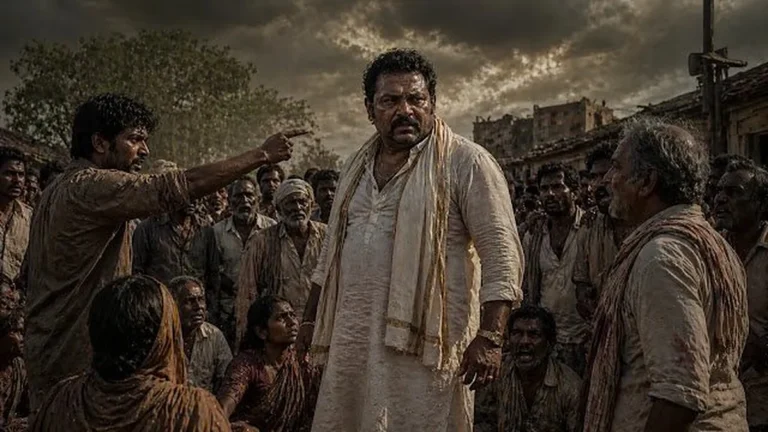
Imagine this: you’re in the drawing-room, surrounded by elders discussing careers or marriage. You have a brilliant idea, one that could change your life. But your heart races, your throat dries up, and the only thought echoing in your mind is – ‘Don’t speak in front of elders.’ And just like that, a potentially life-altering decision remains buried.
Speaking Up to Elders: Respect or Fear?
From childhood, we’re often taught, ‘Don’t speak in front of elders.’ This is frequently labelled as good manners, etiquette, and tradition. But pause and consider: is expressing your valid thoughts, asking questions, or offering suggestions for your future truly disrespectful? We’ve blurred the lines between genuine respect and blind obedience or fear.
When a young person is repeatedly told, ‘You’re too young, you don’t know anything,’ they gradually learn to suppress their own ideas. This isn’t just about childhood debates; as they grow, it becomes a deep-seated psychological habit. The result? Even as adults, they hesitate to stand up for themselves and their rights.
The Cost to Careers and Ideas: When Unemployment and Disappointment Follow

Today’s youth, whether in college or job hunting, often possess innovative ideas relevant to the modern world. They understand the digital landscape, new business models, and evolving career paths better than many. However, when they try to share these plans at home, they’re often silenced with the age-old lesson of ‘not speaking in front of elders.’ Consequently, they may feel pressured to pursue traditional education or jobs that don’t align with their interests or future prospects.
This inability to voice concerns at the right time can lead to years of unemployment and mental stress. The potential to become a great creator, entrepreneur, or leader can be extinguished simply because elders are unwilling to move beyond their conventional thinking.
Marriage and Personal Life Decisions: When Silence Haunts a Lifetime
Life’s most significant decision – marriage – is often dominated by the same old rule. Young men and women may lack the courage to express their preferences, priorities, or even their readiness for marriage. The mindset of ‘Father knows best’ or ‘Mother’s decision is final’ can lead countless individuals into unsuitable relationships.
Later, when marital problems arise, the same elders might ask, ‘Why didn’t you tell us earlier?’ The truth is, when they were trying to speak, no one was truly listening. Remaining silent on crucial personal life decisions isn’t a sacrifice; it’s a profound compromise with your self-respect and future.
Impact on Jobs and Workplaces: The Real Cause of Communication Gaps
A child conditioned to be silent at home doesn’t suddenly become confident in the corporate world. When bosses or seniors make questionable decisions in meetings, the ingrained thought ‘Don’t speak in front of elders’ can resurface. This hinders professional growth. They might not be able to negotiate salary hikes or speak out against workplace harassment.
The world might perceive them as ‘passive’ or ‘shy,’ when in reality, they are victims of familial conditioning that has eroded their self-confidence. Fact: Studies suggest over 70% of young adults raised in overly suppressive family environments exhibit hesitation in decision-making and social anxiety in later life.
The True Spirit of Indian Culture: Did Our History Forbid Debate?
If we examine our traditions and scriptures closely, India has historically been a culture that valued discourse. The Upanishads feature ‘Shastrartha,’ where disciples posed challenging questions to their gurus. The Bhagavad Gita is an extensive dialogue between Arjuna and Krishna, with Arjuna voicing his doubts at every step, and Krishna providing reasoned answers.
So, where did this ‘rule of silence’ originate? It likely stems from our feudal and tribal thinking, mistakenly adopted as ‘tradition.’ While respecting elders is integral to our identity, presenting one’s viewpoint logically is not irreligious or sinful. History shows that where questioning ceased, decline often followed.
Moving from Problem to Solution: How to Voice Your Opinions to Elders
There’s a fine line between rebellion and respectfully expressing your views. If you wish to discuss your career or marriage, strategize instead of shouting. First, prepare a clear roadmap and logical reasoning for your stance. Don’t just say, ‘I want to do this’; explain why you want to do it and its potential benefits.
Maintain a respectful tone, but stand firm on your position. You can say, ‘I deeply respect your opinion, but my perspective on this matter is slightly different, and I’d appreciate it if you’d listen to me carefully.’ When you present facts with maturity, elders will eventually come to understand your point of view.
Final Thoughts: Your Voice, Your Future
The notion that ‘one shouldn’t speak in front of elders’ has harmed many generations. Respecting elders and being a doormat are two different things. If you have a business plan, a career aspiration, or a life-changing decision like marriage, don’t remain silent just because someone older is present.
Age doesn’t automatically equate to having all the right answers. Times have changed, technology has evolved, and decision-making processes have transformed. In today’s world, failing to voice your opinion isn’t a sign of tradition; it’s akin to self-sabotage. Respect should be in your eyes and tone, not in your silence when you have valid arguments. Speaking your truth at the right time is true wisdom.
Ultimately, if you don’t speak up for yourself today, you’ll still be blamed if your decisions prove wrong tomorrow. So, don’t shout or argue, but present your case with thorough preparation and solid logic. Be the driver of your own life; otherwise, someone else might steer you down the wrong path.
Frequently Asked Questions
Is disagreeing with elders disrespectful?
Absolutely not. Disagreeing or offering your own opinion isn’t inherently disrespectful. If your tone is polite and your reasoning is sound, it’s your right to express yourself.
What if family members are unwilling to listen to new career ideas?
Instead of just talking, present a practical plan, potential earnings, and backup options. Elders are more likely to agree when they see security and clarity.
How can I express my views on marriage decisions to my family?
Be clear about your priorities. Explain that this is a lifelong decision and a wrong choice could cause problems for everyone involved.
Should children be encouraged to ask questions from a young age?
Yes, children should be encouraged to ask logical questions. This builds their confidence and equips them to make sound decisions in the future.
Disclaimer: The information provided in this article is for general awareness only.