Loan app nude or morphed photo blackmail: what to do first
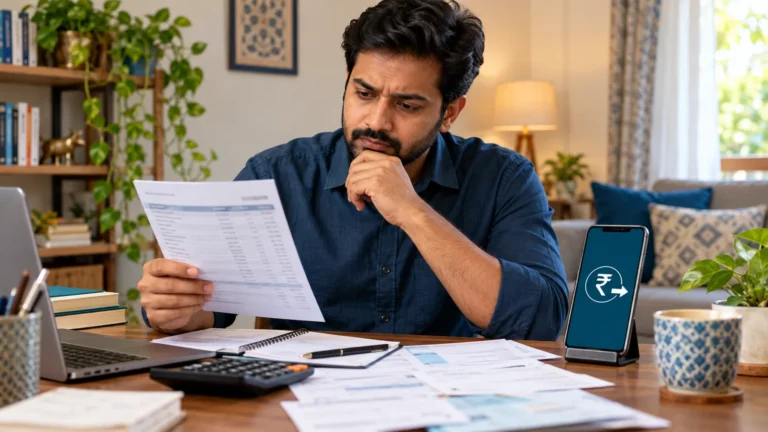
“Pay within ten minutes or we will send your photos to your family.” A threat like this can make it difficult to think clearly. Before trying to raise money alone, bring in someone you trust. The immediate priorities are to preserve evidence, stop further access to your phone, warn relevant people truthfully and report the threatening accounts and any shared content.
Whether an image is fabricated, morphed or a genuine private photo, sharing it without consent is not your fault. An unpaid loan does not authorise humiliation, threats or demands for extra money in exchange for silence. At the same time, reporting blackmail does not automatically cancel a genuine lawful debt. Handle personal safety and legitimate repayment as separate issues.
Your first 10–15 minutes
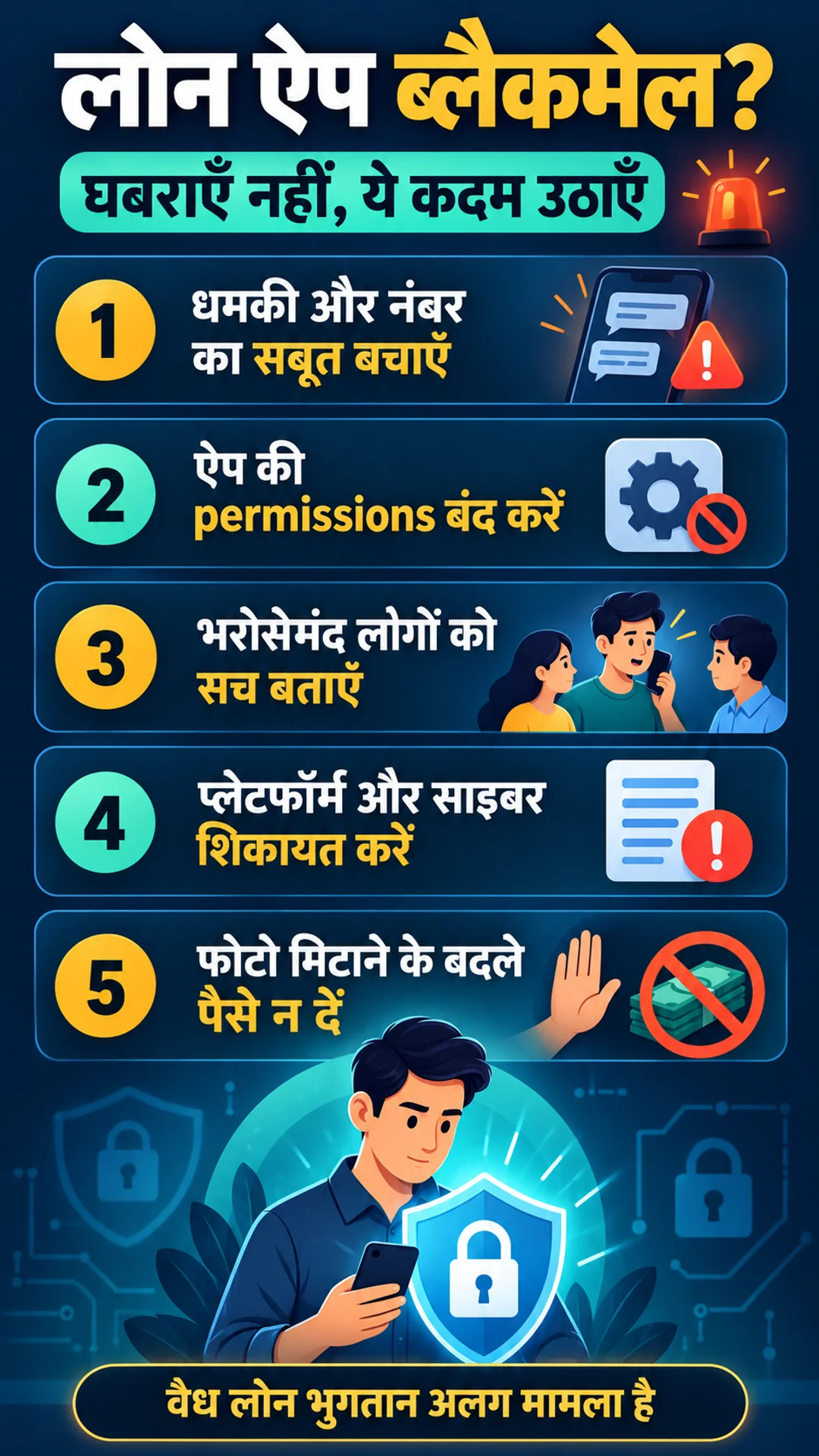
- Record the threat, sender identity, time and payment demand.
- Tell a trusted person; use 112 if there is an immediate physical safety emergency.
- Revoke unnecessary loan-app permissions and preserve available loan records before uninstalling a suspicious app.
- Warn affected or relevant contacts with a short truthful message.
- After preserving records, report and block the threatening account and begin platform and cybercrime complaints.
Preserve evidence before deleting important records
Keep threatening messages with the sender’s number or username and the date/time visible. Note the payment address, UPI ID, bank details, amount demanded, app name, developer and available download source. Separately record what amount actually reached your account, what you have repaid and who made the threat. A dated chronology is more useful than an unorganised collection of screenshots.
Save available agreements, sanction letters, Key Facts Statements, repayment schedules and receipts. These help distinguish the actual lender from someone impersonating it. Do not circulate intimate images to relatives or public groups as “proof”. Provide sensitive evidence only through verified secure complaint channels when required. You do not need to repeatedly open suspicious links to establish that a threat was made.
If someone has already received material, ask them not to forward it and to retain the sender/time/message details. Do not download or redistribute sexual material involving a minor. Record available URLs, account identifiers and times and report promptly to police and the platform. Preserve original communications without editing them; a cropped copy may be convenient, but keep the original record where lawful.
Revoke permissions, remove suspicious apps and secure accounts
On Android, the usual route is Settings → Apps → the relevant app → Permissions. Review contacts, photos/files, camera, microphone, phone and location access. On iPhone, review the corresponding Settings and Privacy & Security controls. Names vary by operating system and handset. Never install an unknown APK, remote-control tool or supposed “photo removal app” sent by the person threatening you.
Also review any Accessibility, Device Admin, notification-access or screen-sharing privileges you granted. If you are unsure, seek trusted technical assistance rather than giving remote access to an unknown agent. Preserve evidence and financial records before considering a factory reset. A reset performed in panic can erase useful records while leaving the attacker’s existing copies untouched.
Uninstall the suspicious app after preserving essential records. Revoking access and removing it helps stop further access from your phone, but it does not erase data already copied elsewhere. Requesting deletion of stored information is a separate action. If you suspect an email or social account was accessed, use a trusted device to change its password, remove unfamiliar sessions and enable two-factor protection.
Review linked devices in messaging accounts. Where available, restrict profile-photo visibility and who can add you to groups. Do not send another selfie, identity document, OTP or screen recording to the blackmailer. Changing your number is not a universal cure: it does not remove stolen information and can complicate continuity of evidence and official contact.
A truthful message for contacts: keep disclosure proportionate
Start with two or three trusted people and those who have received messages or have been named in the threat. A wider warning is optional if it is useful. It may reduce social pressure, but it cannot guarantee that threats or sharing will stop. Do not claim that your phone was hacked unless that is established. You can describe misuse of your information without giving private details.
If fabricated or morphed photos are threatened
Unknown people are misusing my name/photos to demand money and threaten to send fabricated or morphed images. If you receive such a message, do not pay, open its links or forward the images. Please privately tell me the sender’s number and the time, then report/block the account. I am reporting the matter.
If an image is genuine or its status is uncertain
Some people are threatening me and misusing my private information/images without consent. Please do not pay anyone asking for money in my name or forward any material they send. Privately share the sender’s number, time and message details with me. I am seeking help and reporting the incident.
Adapt the last sentence to your actual situation. Do not claim that a complaint or FIR already exists if it does not. The message is a personal warning, not an official legal notice. Avoid asking a relative to privately pay the blackmailer to settle the issue; payment does not establish that copies have been deleted.
If images are shared: report the content and the sender
Use the service’s available reporting options for harassment, impersonation or non-consensual intimate imagery. Provide the public post/profile URL or message reference, account and time. Use the official grievance channel too, identifying that you are the depicted or impersonated individual and that you did not consent. A clear location/reference helps the service find the material.
Updated MeitY IT Rules, Rule 3(2)(b), require an intermediary to take reasonable and practicable removal/access-disabling measures within two hours of receiving a qualifying complaint about specified intimate material or electronic impersonation, including artificially morphed images. This is not a promise to erase every copy on every recipient’s phone. Supply the necessary content details through the official process.
Short platform complaint template
Subject: Urgent removal of non-consensual intimate/morphed material
I am the person depicted/impersonated [or their authorised representative]. This material was [published/transmitted] without consent and is connected with a demand for money.
URL/message reference: ___
Sender/account: ___ | Date/time: ___
Please act under applicable Rule 3(2)(b) to remove/disable access, preserve relevant records and provide a complaint reference. I can supply necessary verification through your official secure channel.
Cybercrime reporting, 1930 and emergency police help
File the incident through the appropriate current category on the National Cyber Crime Reporting Portal. Explain the chronology, available app/lender identity, threatening numbers, demands and evidence. Retain the acknowledgment. Anonymous reporting is not a general option for every loan-app complaint; the portal provides different channels for different types of crime. Follow its current instructions.
If money has been lost in an online financial fraud, urgently notify the bank/payment service and report through 1930. It is a financial-fraud reporting channel, not a guarantee that photos will stop being shared. If someone threatens violence, comes to your home or creates an immediate safety emergency, use 112 or seek local police assistance. A portal acknowledgment does not by itself establish that an FIR has been registered.
Factual police/cybercrime complaint template
I am [name]. On [date], I had contact involving [app/lender, as far as known]. ₹___ was credited/I paid ₹___ [state only what happened]. On [date/time], [number/profile] demanded ₹___ and threatened to send/sent my private or morphed images to [recipient details if known].
Attached: threat records, numbers/URLs, payment UTR/receipts, available loan documents and chronology.
Please investigate the threats, coercive payment demands and non-consensual misuse of my information/images, provide necessary protection and preserve relevant digital records. Please handle my private information carefully in accordance with law.
Earlier complaint reference, if any: ___ | Contact: ___
Blackmail payment is different from genuine loan repayment
Do not send extra money in exchange for a promise to delete photos. There is no reliable assurance of deletion and further demands may follow. Equally, do not assume that every lending app is fraudulent or that all genuine repayments should stop. Verify the actual lender, agreement and statement. Make lawful repayments only through a verified official channel and retain receipts.
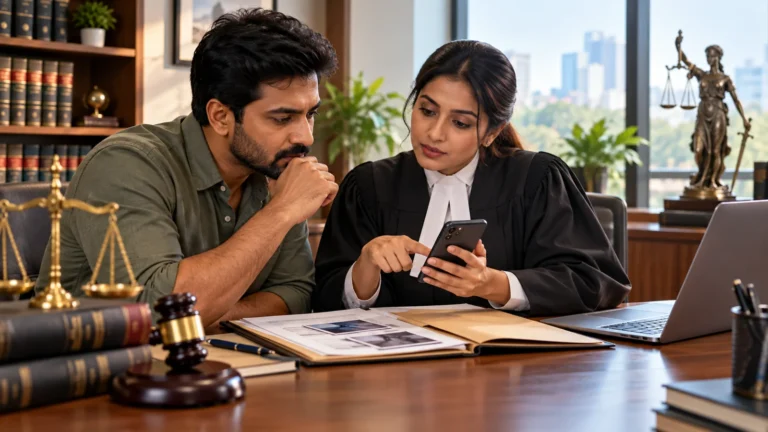
For a bank/NBFC lender, obtain grievance-officer details from its official website. Submit evidence of the harassment, the loan reference and collector identity, asking it to stop abusive recovery and confirm the outstanding amount and safe repayment process. Do not pay a newly supplied personal QR code just because a caller says it belongs to the lender. If the claimed lender is unknown or appears unlawful, seek police guidance and use the appropriate complaint route.
RBI recovery-agent instructions prohibit covered regulated entities and their agents from threatening, publicly humiliating borrowers or intruding on family/friends’ privacy. Lender complaints and eligible RBI grievance routes can be useful, while criminal threats and content sharing may require police and platform action in parallel. Mentioning RBI in a message cannot guarantee that an unidentified offender will stop within minutes.
Advice
Divide the work: one trusted person stays with you while another helps organise records and complaints. Families should support the person being threatened instead of blaming them or debating the image’s authenticity. If messages are overwhelming, let a trusted person help manage the phone temporarily. Keep essential routines and seek urgent emergency help when safety is at risk.
Related reading: recovery-agent harassment and complaints, deepfake and AI fraud safety, and personal-loan default and legal rights.
FAQ: loan app photo blackmail
Will uninstalling the app delete its photos?
No. Removing the app does not erase copies already obtained. Permissions, account security, reporting and removal requests are separate steps.
Will paying stop the threats?
There is no guarantee. Avoid blackmail payments for deletion promises; deal with genuine lawful loan repayment through a separate verified process.
Can I complain if the image is genuine?
Yes. A genuine private image does not make non-consensual sharing or threats acceptable. Describe it truthfully instead of falsely labelling it morphed.
Must I warn every contact?
No. Start with trusted and affected people. Broader disclosure is a personal choice based on the situation; share minimal private information.
What if I have already paid?
Do not blame yourself. Preserve receipts, UTR and threats. For a fraud payment, urgently contact your bank and 1930. Do not rely on further payments to erase data.
Disclaimer: General safety and legal information for India. Action depends on the facts, lender and jurisdiction. Fact-check date: 13 October 2026. No message, complaint or payment guarantees deletion of every copy or immediate cessation of threats.
Sources and official links
- National Cyber Crime Reporting Portal — FAQ
- Emergency Response Support System — 112
- MeitY — updated IT Rules, Rule 3(2)(b)
- RBI — Recovery Agents responsibilities
- RBI — current Ombudsman FAQs