 Vista
Reviewed: 14 November 2026
Valhalla is Odin’s legendary hall of the slain in Norse mythology, associated with certain warriors chosen from the dead and prepared for the crisis of Ragnarök. It is not a universal Viking heaven where every person automatically arrives after death. Old Norse stories also mention Freyja’s Fólkvangr, the realm of Hel and other possibilities, and modern research emphasizes that medieval afterlife traditions were diverse rather than one organized doctrine.
This article answers what Valhalla means, how Valkyries choose the slain, who the einherjar are, what they do each day and how the hall relates to Odin and Ragnarök. If you searched for Valhalla images, Viking afterlife meaning, ‘Who can enter Valhalla?’ or Norse mythology pictures, the illustrations here are dramatic interpretations, not ancient photographs.
What Does Valhalla Mean, and Where Is It?
The familiar English name Valhalla represents Old Norse Valhǫll, usually understood as ‘hall of the slain.’ In the poetic tradition it is a great hall linked to Odin, with striking descriptions of shields, spears, armour and vast spaces for warriors. Imagining a golden palace floating above snowy fjords can make a compelling wallpaper, but the texts do not supply a modern geographical address or a universal photograph-like exterior design. Valhalla belongs to mythic space and also reflects how aristocratic warrior culture was remembered.
It is important not to equate it mechanically with the Christian heaven or with any single modern religious account of paradise. The hall’s purpose includes preparation for warfare, and the sources sometimes focus on the identity of its occupants rather than a moral system in which every good person receives the same reward. Readers should treat it as a particular story setting with Odin at its centre.
Who Goes to Valhalla? The Difference Between Fallen Warriors and Everyone Else
In familiar Eddic passages, people chosen from those slain in battle can join Odin’s company in Valhalla. That does not prove that every warrior who died in combat entered the hall, nor that there was one rule applied to every person in Scandinavia for centuries. Cultural practices and afterlife expectations varied across regions, periods and social groups. Archaeology shows complex burial traditions, but grave goods alone do not tell us which named supernatural destination a particular person imagined.
Movies often repeat a simplified rule: ‘die bravely and you automatically go to Valhalla.’ The storytelling slogan is memorable but incomplete. It leaves out the choosing powers associated with the Valkyries and Freyja, the multiple accounts of the dead, and the elite context of some poems. A responsible educational article gives the simple answer while explaining its limits.
What Do Valkyries Do in the Story?
Valkyries are figures linked to choosing the slain and helping determine the fate of warriors. Their name is commonly related to ‘choosers of the slain.’ In later visual culture they often look like winged battle women wearing standardized fantasy armour, but the surviving sources are varied. Sometimes they are connected with battle and death, while other poems portray individual relationships and characters. Their duties cannot be reduced to transporting anyone who has a sword straight to a single destination.
Valkyrie artwork is especially popular because it combines a powerful human figure with dramatic action. For an accurate picture caption, the safest label is ‘an artistic depiction of a Valkyrie associated with choosing the slain’. A winged helmet or flying horse is not a guarantee that the pictured design comes from a Viking Age illustration.
Who Are the Einherjar?
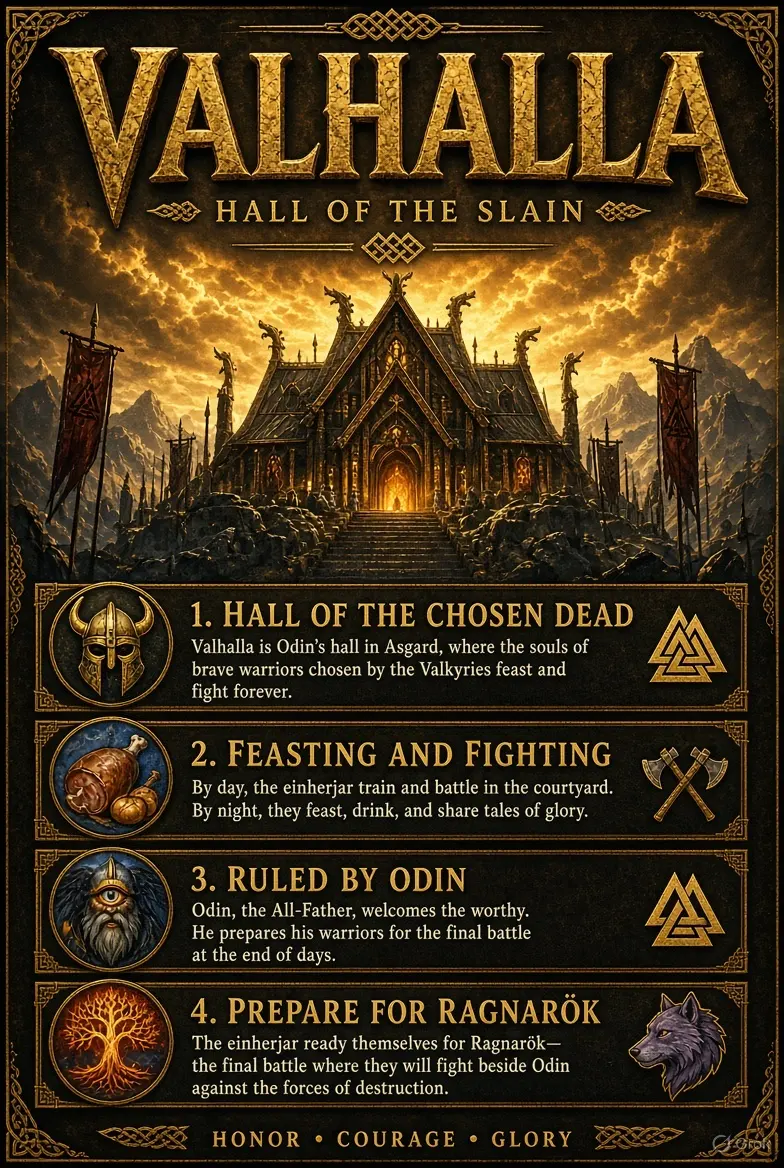
The einherjar are the chosen warriors associated with Odin’s hall. They are described as a group that prepares for the final confrontation. Popular retellings depict them fighting each other during the day and feasting afterward. This vision turns Valhalla into a place of ongoing martial preparation, not merely a room full of people resting forever. The routine in the prose tradition is a mythological account, not a timetable a historian could confirm through excavated calendars.
Some tellings include the boar Sæhrímnir, consumed and restored for the feasting warriors, and a goat called Heiðrún whose drink is part of the extraordinary hall imagery. These specific details add texture to Norse stories but should not be used to invent present-day claims that real Vikings followed exactly the same afterlife rules. The hall is a poetic world with its own fantastic logic.
Fólkvangr and Freyja: Does Odin Receive Everyone?
The poem Grímnismál connects Freyja with Fólkvangr and with a share of those slain in battle, while Odin receives another share. The verse is one of the clearest reasons to avoid equating all war-dead with Valhalla. How the choosing works and how the two destinations relate in practice is not explained to the level expected of a modern administrative system. The uncertainty is a genuine feature of the evidence, not a mistake that a website should silently erase.
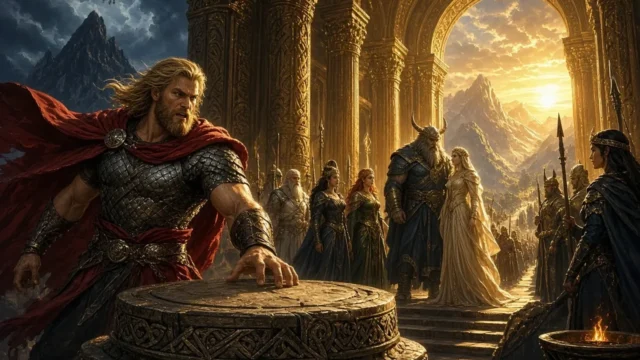
Illustrations may place Valhalla and Fólkvangr in separate glowing halls. The visual helps a beginner remember that the story offers more than one fate. Yet it should not be captioned as an excavated floor plan, nor should it invent selection percentages or rankings beyond what the texts actually indicate. Even the popular language about ‘half the slain’ belongs to a particular poetic passage.
Is Helheim a Place of Punishment?
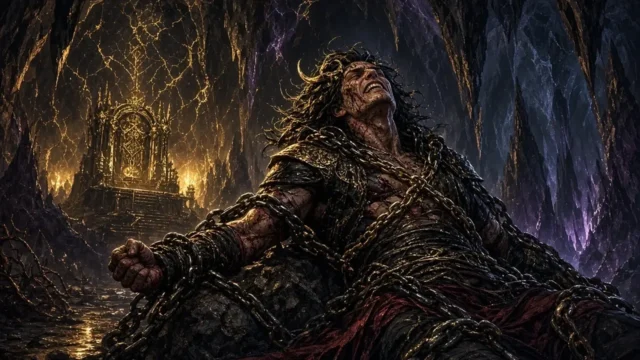
The name Hel refers both to a female figure linked with Loki’s family and to an abode of the dead. It should not be automatically equated with Christian hell as a realm of eternal fire. Some modern summaries present a strict contrast between a glorious Valhalla for ‘good’ people and a dreadful Hel for ‘bad’ people, but Old Norse materials do not offer that simple universal moral division. Stories of death and destination vary in their concerns and terminology.
For readers comparing the Nine Realms, Valhalla is best understood as a hall associated with Odin, not necessarily a separate world that needs a numbered bubble in every cosmology chart. Hel is a different complex of ideas. Giving each a proper explanation prevents an infographic from teaching a false map simply because the artwork looks tidy.
What Does Valhalla Look Like in the Eddas?
Grímnismál offers rich imagery of the hall, including equipment of war used in its construction and furnishings. Later prose preserves and organizes some of these details, imagining an immense space whose doors can admit warriors in extraordinary numbers. Some popular articles convert such poetic numbers into exact, scientifically verified capacity figures. These verses are mythic descriptions, not measurements submitted to an architect.
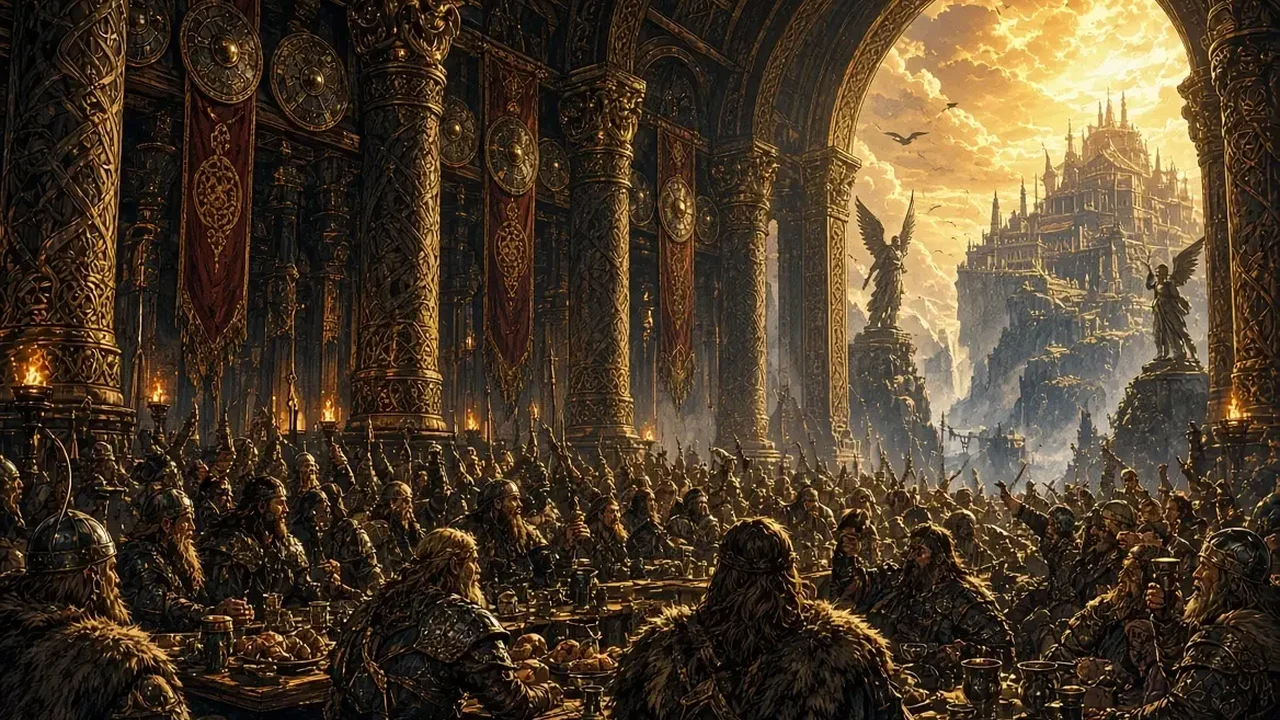
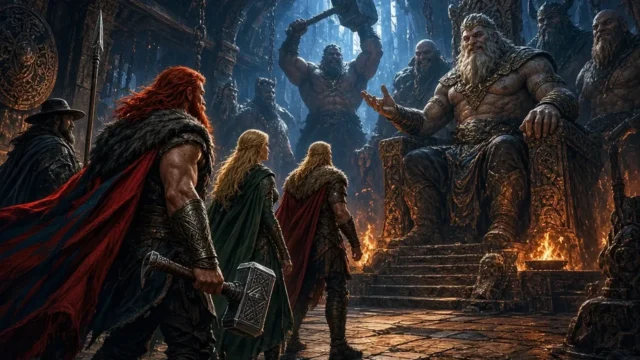
It can be visually effective to show a great timber hall beneath an aurora with rows of shields and warrior silhouettes, but a faithful article should admit that no single official Valhalla painting survives from the events being narrated. The best poster contrasts ‘what the source describes’ with ‘what artists imagine.’ It should not add invented inscriptions or a fake archaeological discovery supposedly proving the hall exists.
Why Are the Warriors Preparing for Ragnarok?
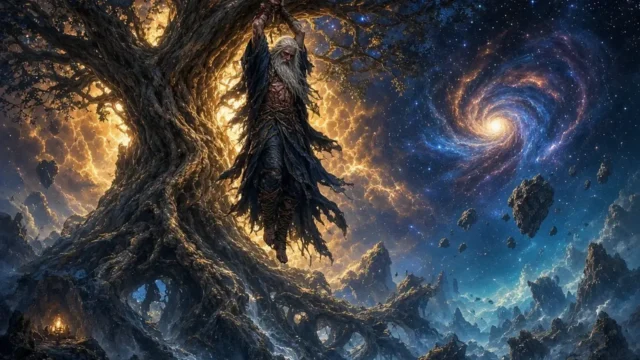
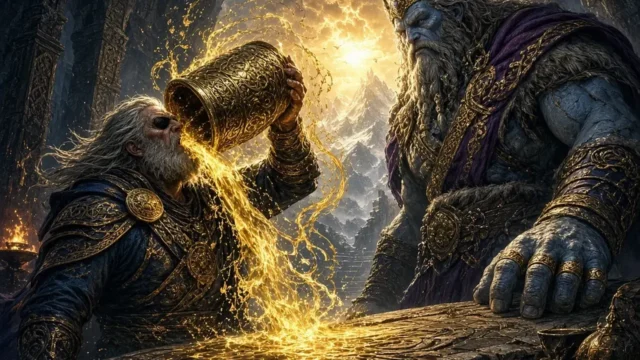
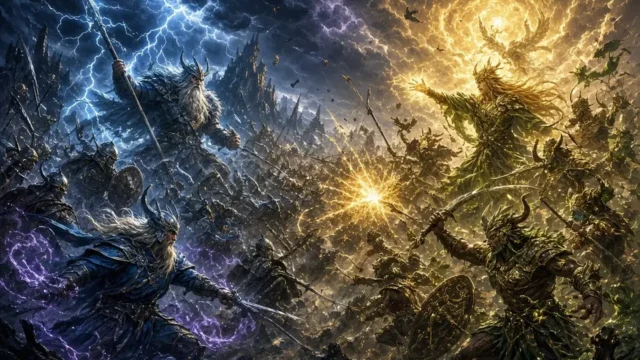
Ragnarök is the foretold destruction and renewal of the mythic world. Odin’s company prepares to meet a crisis involving giants and monstrous enemies, including Fenrir. In the familiar sequence, Fenrir swallows Odin despite the knowledge and preparations surrounding him. This makes the daily discipline of Valhalla poignant: the warriors are ready for a battle whose outcome is not guaranteed to be victory. It is a story about honour, fate and loss as well as combat.
For an image-based hub, the connection creates natural routes to the Ragnarok, Odin and Valkyries articles. Those routes should become internal links once the destination posts are publicly available, rather than linking draft previews that visitors cannot open. A concise Valhalla guide also benefits from noting that the world is renewed after the catastrophe, not just destroyed forever.
What Do Historians Actually Know About Viking Beliefs?
Our most detailed Valhalla descriptions survive in medieval Icelandic texts written down after the main Viking Age. They may preserve older traditions but also reflect the aims and cultural setting of the people who recorded them. A 2026 academic article stresses that the Valhalla image should not be treated as a universally shared Viking afterlife belief. Archaeological graves, poetry and later prose all illuminate the subject differently, and none provides total access to what every Viking thought.
That is why a responsible article separates three things: the literary myth, evidence of historical religious practice, and modern entertainment. Comics and games often make Valhalla a heavenly kingdom that every brave person wants to enter. That adaptation is an interesting cultural phenomenon, but it cannot answer by itself who the medieval poems say the hall was for.
Frequently Asked Questions
Who can enter Valhalla?
Certain chosen slain warriors are associated with Odin’s hall; the tradition does not say every deceased Viking enters it.
What is Valhalla in Norse mythology?
A mythological hall of the slain belonging to Odin, described vividly in Eddic poetry.
Do Valkyries bring everyone to Valhalla?
Valkyries are associated with choosing the slain; the sources do not say they escort every dead person there.
What is Fólkvangr?
A place associated with Freyja and a share of the slain in Grímnismál.
Is Valhalla the same as Hel?
No. Valhalla is Odin’s hall, while Hel names a different figure and abode of the dead.
Conclusion
Conclusion: Valhalla is one part of a richly varied Norse afterlife tradition. Its warriors, feasting, Valkyries and final preparation for Ragnarök make it an unforgettable story, but the familiar ‘all Vikings go to Valhalla’ rule is too simple. The most useful artwork draws visitors in, and the accompanying source-based text explains what is really supported.
Sources and image disclosure
The Edda: Valhalla and Folkvangr discussion; Scholarly 2026 Valhalla study; University study of Norse afterlife.
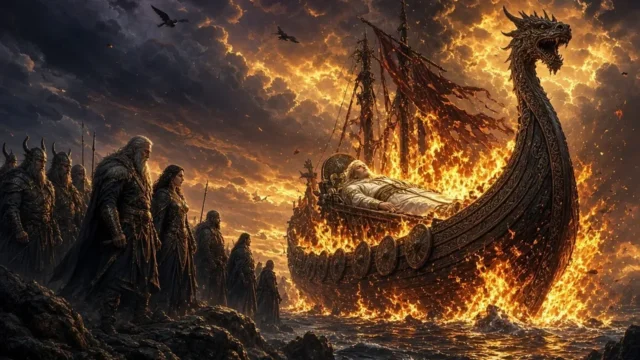
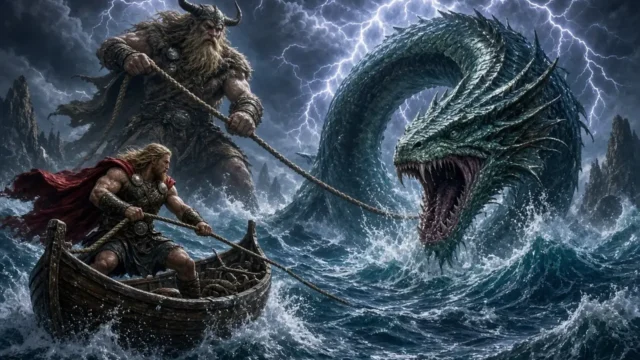
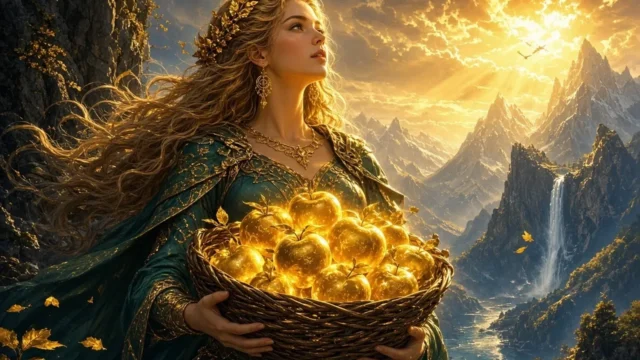
Images are modern artistic interpretations of myths, not archaeological evidence of literal Valhalla.











Share Your Opinion
Comments are closed on this post.