 Vista

The Odyssey summary follows Odysseus, the Greek hero trying to return to his home in Ithaca after the Trojan War. The journey takes ten years, on top of the ten years he has already spent at Troy. He confronts the giant Cyclops Polyphemus, encounters the enchantress Circe, passes the Sirens and deadly sea hazards, and loses his companions before he finally reaches home. But Homer’s Odyssey is not simply an adventure list. His wife Penelope, their son Telemachus and the unwelcome suitors occupying his household are equally important. The poem begins toward the end of the wanderings and later lets Odysseus recount earlier episodes, so a useful summary must distinguish story chronology from the order in which Homer tells it.
What is the Odyssey about, and who wrote it?
The Odyssey is an ancient Greek epic traditionally attributed to Homer, who is also associated with the Iliad. Its surviving form contains 24 books, although division into books reflects the history of its transmission. The central question is whether Odysseus can achieve nostos, or homecoming, in the face of divine conflict, human mistakes and a devastated household. The poem also explores xenia, the responsibilities of hosts and guests. Some characters generously welcome travelers, while others violate those obligations with shocking violence.
Scholars debate the composition and oral tradition of Homeric epic, so it is more careful to say “traditionally attributed to Homer” than to make unsupported claims about one identifiable modern-style author writing every line on a precise date. The poem reflects a legendary world involving gods and monsters, not a verified logbook of ancient navigation. Its cultural influence is immense because the journey brings together identity, survival, loyalty and the costs of war.
The Odyssey begins at Ithaca: Telemachus and the suitors
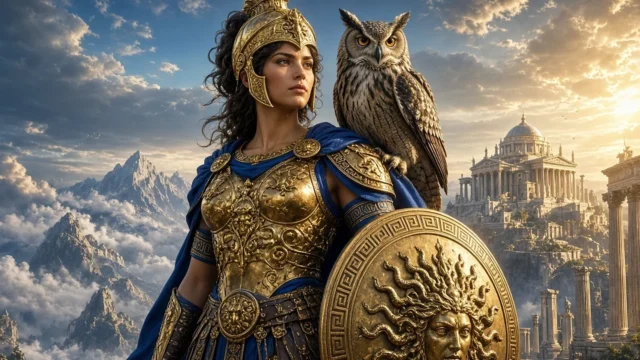
Homer starts in the middle of the larger story. Odysseus is absent, and his household in Ithaca has become vulnerable. A group of suitors demands that Penelope choose a new husband while they consume the household’s food and wealth. Penelope resists, and her son Telemachus is anxious about the missing father he barely knows. The goddess Athena intervenes, sometimes in disguise, encouraging Telemachus to take responsibility and seek news.
In the first four books, often called the Telemachy, Telemachus travels to meet prominent men from the Trojan War, including Nestor and Menelaus. His journey matters because the epic is not solely about his father. He must grow into a role within his own family and community. The suitors’ abuse of hospitality establishes why Odysseus’s eventual return becomes not just a happy reunion but a serious conflict over ownership, duty and justice.
Odysseus at Calypso’s island and with the Phaeacians
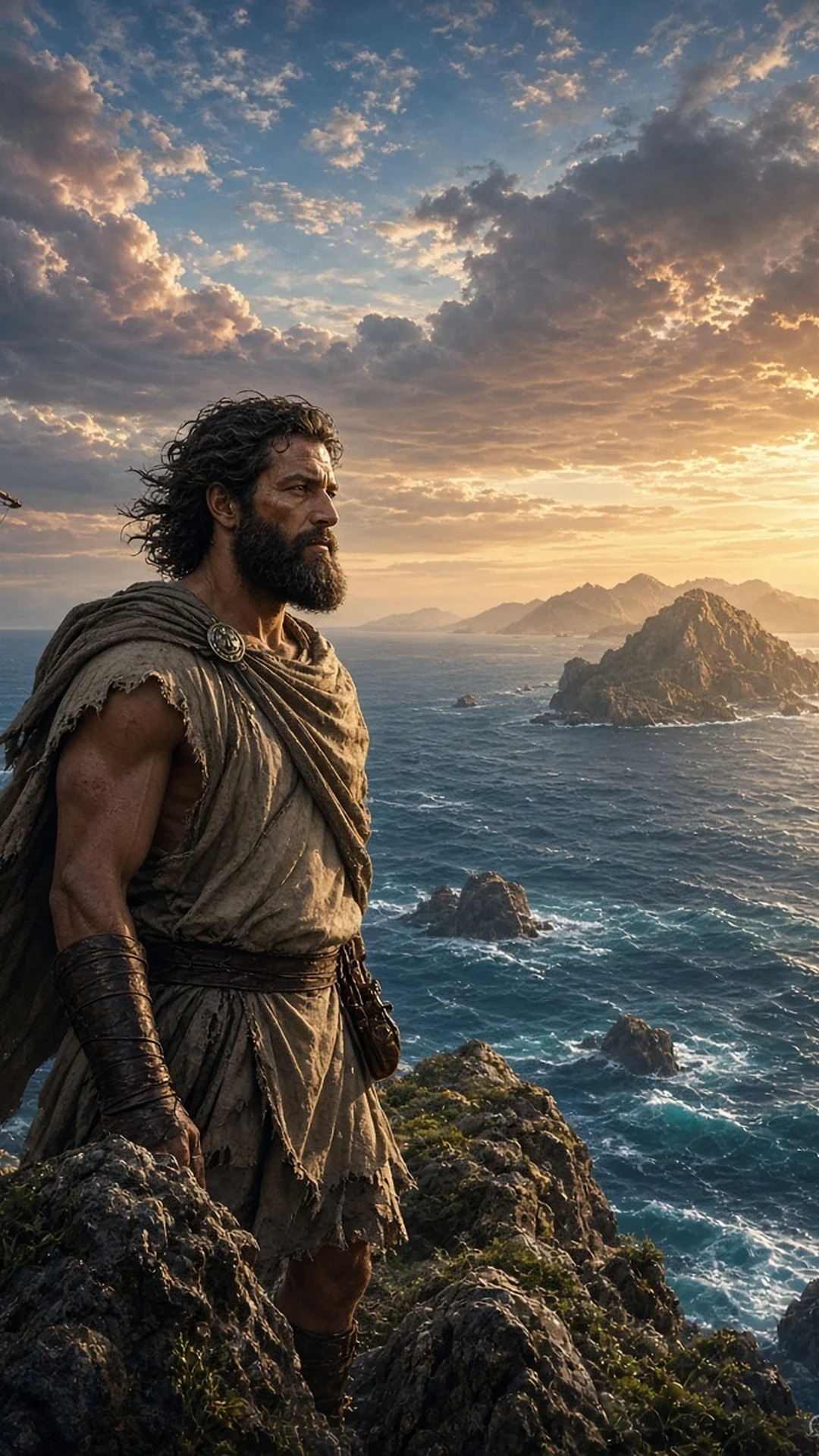
When the narrative turns to Odysseus, he has been detained on the island of Calypso, who wants him to stay. The gods arrange his release; Hermes carries the message in the familiar epic account. He builds a raft and departs, but Poseidon creates another severe challenge at sea. Odysseus survives and reaches the land of the Phaeacians, where Nausicaa and the royal household provide important hospitality.
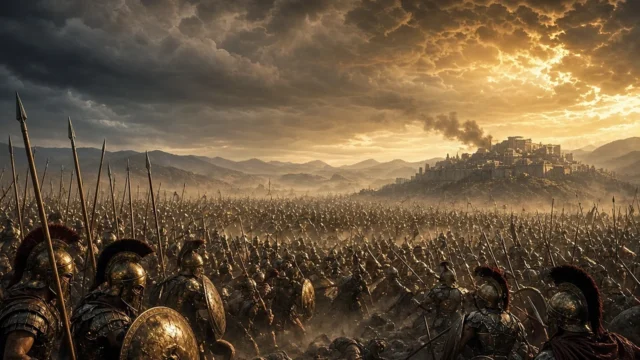
Among the Phaeacians, Odysseus listens to a bard singing about the Trojan War, including the wooden horse. The songs move him deeply, and he eventually reveals his identity. Only then does he recount the earlier adventures that led to his present condition. This narrative arrangement is a key literary technique. If a school summary simply starts with Troy and continues forward, that is a legitimate chronological retelling, but it should not claim the poem itself unfolds in precisely that order.
Stage 1: the Cicones, Lotus-Eaters and Cyclops Polyphemus
After leaving Troy, Odysseus and his men encounter the Cicones, whose territory is raided, followed by the Lotus-Eaters, where eating the lotus threatens the travelers’ desire to return home. These early episodes establish the fragility of his mission. The crew can be distracted by wealth, exhaustion or pleasures that make them forget their purpose. The dangers are not always a sea monster waiting beneath a wave.
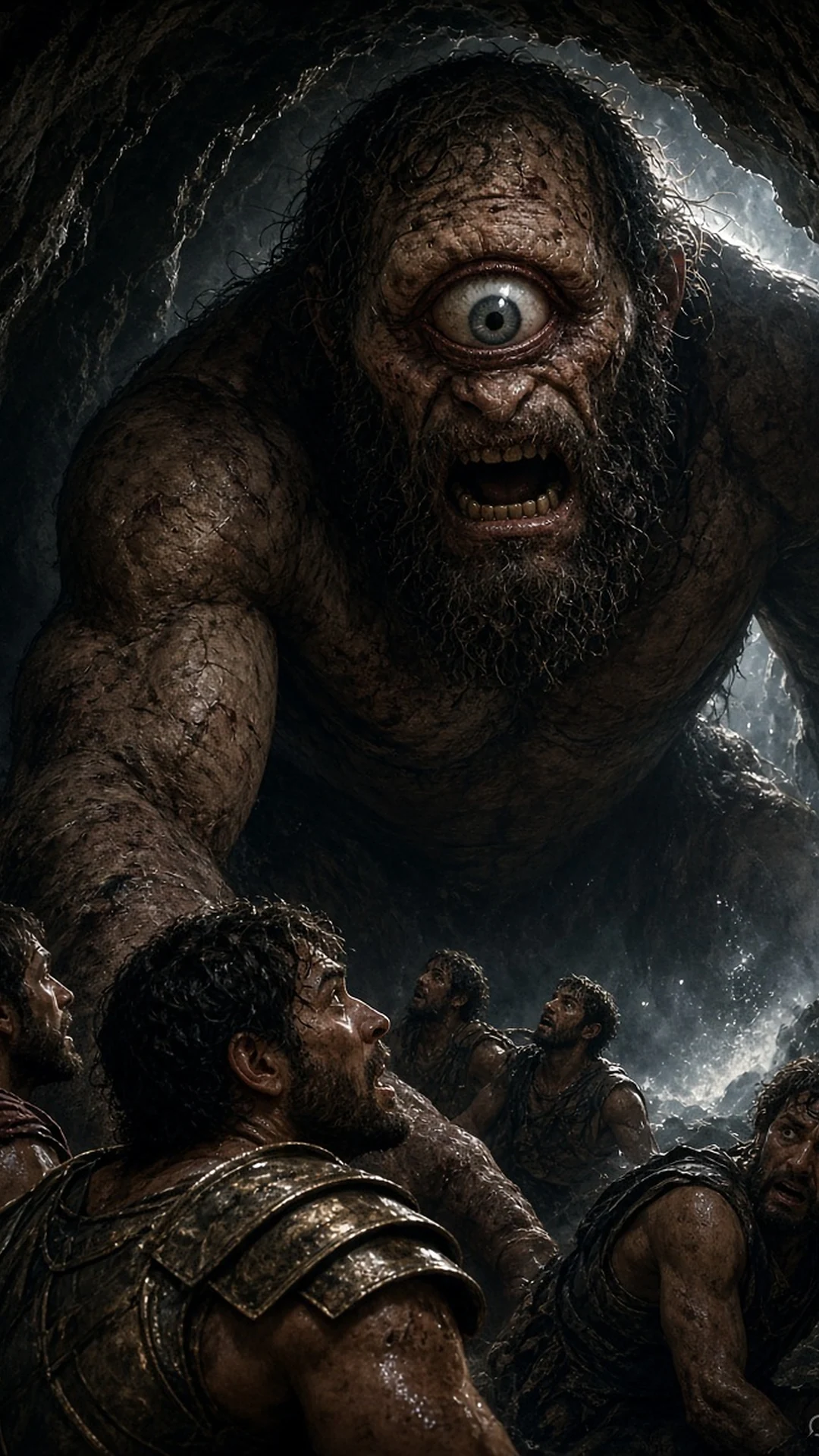
The most famous early episode is the cave of the Cyclops Polyphemus. He traps Odysseus’s party and eats several men, violating hospitality in a terrifying way. Odysseus gives him wine and uses the name “Nobody” as part of an escape plan. He and the survivors blind Polyphemus and leave hidden under sheep. The hero then makes a costly mistake: he calls out his real identity. Polyphemus asks his father Poseidon to delay Odysseus and ensure a painful return. The scene shows that intelligence can save a life, while pride can undermine the victory.
Stage 2: Aeolus, Laestrygonians and Circe
Odysseus visits Aeolus, who supplies help with the winds. His crew, suspecting that Odysseus has hidden treasure, opens a bag containing dangerous winds when they are near home, and the voyage is blown off course. This episode makes the crew’s mistrust part of the problem. Later, the Laestrygonians, a hostile race of giants, attack the ships, causing devastating losses. The heroic voyage is therefore progressively stripped of the men and vessels that once made the expedition strong.
On the island of Circe, the enchantress changes some of the crew into animals. Hermes helps Odysseus resist her power. Eventually he negotiates for the men’s restoration and receives hospitality. Their stay delays the homecoming, and Circe directs Odysseus toward a journey connected with the dead. She is not merely a character who provides a magic spell; she also becomes a guide who explains what dangers lie ahead. This transition links the adventure chapters with the poem’s deeper reflections on mortality.
Stage 3: the Underworld and the prophet Tiresias
Odysseus performs a ritual at the edge of the realm of the dead and encounters shades, including the prophet Tiresias. In Book 11 he learns about conditions affecting the rest of his voyage and his future return. He also meets the shade of his mother Anticleia, whose death during his absence brings personal grief into the story. Famous heroes appear as well, inviting comparisons between past glory and the diminished existence of the dead.
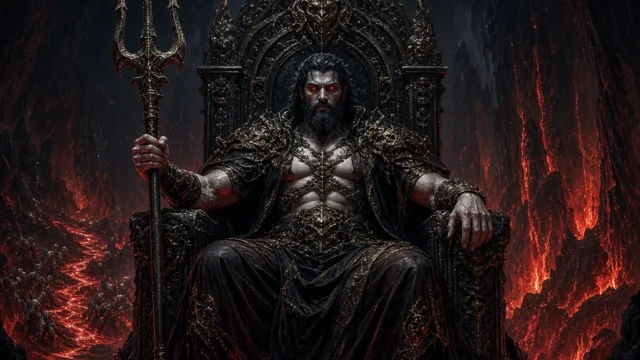
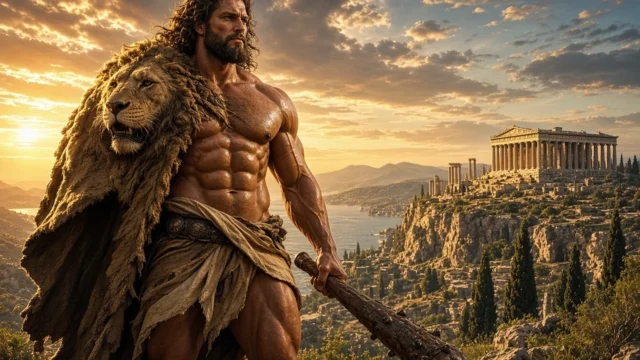
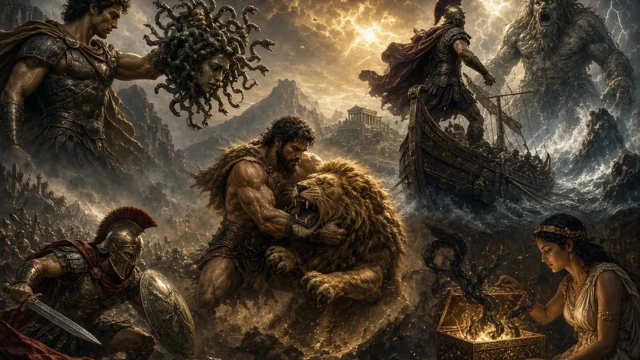
It is misleading to treat this encounter as a complete tour of every later Greek underworld map. Homer’s portrayal differs from elaborate arrangements described by later philosophical or Roman authors. Odysseus is seeking counsel rather than trying to capture Cerberus like Heracles or retrieve a wife like Orpheus. The shared setting should not hide the very different motives of those three underworld stories.
Stage 4: Sirens, Scylla, Charybdis and the cattle of Helios
Circe warns Odysseus of the Sirens, whose irresistible voices lure sailors toward disaster. He has his crew block their ears while they bind him to the mast so that he can hear the song without steering into danger. The ship must then pass the terrifying threats of Scylla and Charybdis. The story offers no simple risk-free choice: saving most of the crew still involves tragic loss.
The travelers reach the island associated with the sacred cattle of Helios, the sun god. Despite warnings, the starving crew kill the animals while Odysseus is absent. The consequences are catastrophic; the remaining ship is destroyed, and Odysseus alone survives. He is eventually carried toward Calypso’s island, completing the connection with the episode shown near the poem’s beginning. This is also a good place to distinguish Helios from Apollo: the divine cattle in this Homeric episode belong to Helios, not an interchangeable modern “sun god” label.
How does Odysseus return to Ithaca?
Once his story is known, the Phaeacians arrange passage to Ithaca. Athena helps conceal or disguise Odysseus while he assesses the situation. He meets the loyal swineherd Eumaeus, later reunites with Telemachus, and plans how to confront the suitors. The recognition scenes are among the poem’s strongest moments because they explore what makes someone the same person after a long absence. A name or face alone does not guarantee trust after two decades of separation.
Penelope has her own strategies for resisting the suitors. The famous weaving-and-unweaving ruse delays a forced decision in stories told within the epic. Eventually a contest involving Odysseus’s bow becomes the turning point. The disguised hero demonstrates that he can handle the weapon, reveals himself and—with Telemachus and loyal allies—kills the suitors. This violent resolution is part of the ancient poem; it should not be erased from a complete account or casually celebrated without considering the ethical questions it raises.
The ending of the Odyssey: Penelope, the bed and peace
Penelope does not immediately accept the returned stranger simply because he claims to be her husband. A distinctive secret about their marriage bed—built around a living olive tree—helps establish his identity in Book 23. That scene rewards the attention Homer gives to practical knowledge and shared memory. There is also a continuation involving Odysseus’s father Laertes and conflict with the families of the dead suitors; the poem’s close involves divine intervention to end the violence.
Thus the Odyssey does not simply end when the ship touches shore, nor is it only a parade of monsters. Its end concerns the restoration of a household and the fragile possibility of peace after war. Its return story remains influential in modern literature precisely because home can change while someone is away, and reunion demands more than physical arrival.
What lessons and themes does the Odyssey explore?
Readers often identify resourcefulness, patience, courage and loyalty, but the poem is not an uncomplicated lesson that its hero never makes mistakes. Odysseus is ingenious yet sometimes arrogant. Penelope is faithful and strategically capable rather than simply waiting without action. Telemachus learns responsibility. The suitors violate hospitality, while the Phaeacians offer it. Gods such as Athena and Poseidon shape the voyage, but human choices still carry consequences.
These themes make a comparison with other epic traditions interesting, yet Odysseus should not automatically be equated with a hero from the Indian epics. Our existing Greek vs Hindu mythology comparison provides a careful starting point for comparing motifs without declaring the texts or divine figures identical. The Odyssey is best understood as a literary epic with its own narrative structure and historical reception.
The Odyssey summary: five FAQs
Who wrote the Odyssey?
It is traditionally attributed to Homer, although scholars debate its oral composition and transmission.
How long was Odysseus away from home?
Approximately twenty years in the epic’s framing: ten years at Troy and ten more before his homecoming.
Who helped Odysseus return to Ithaca?
Athena is his major divine supporter; the Phaeacians also provide essential hospitality and passage.
Why did Poseidon oppose Odysseus?
Because Odysseus blinded Poseidon’s Cyclops son Polyphemus, who invoked his father’s vengeance.
Does the Odyssey tell the whole Trojan War?
No. It follows the aftermath and homecoming, with recollections of the war. The Iliad focuses on events during the war itself.
Sources and conclusion
Start with Homer, Odyssey Book 1 for Telemachus, Book 9 for Polyphemus and Book 8 for the retrospective Trojan Horse song. For the broader textual collection see Perseus Digital Library. Conclusion: the Odyssey is the story of finding a way home, retaining an identity and rebuilding relationships despite war, monsters and difficult choices. Updated 14 November 2026. Posters are imaginative representations.










Share Your Opinion
Comments are closed on this post.