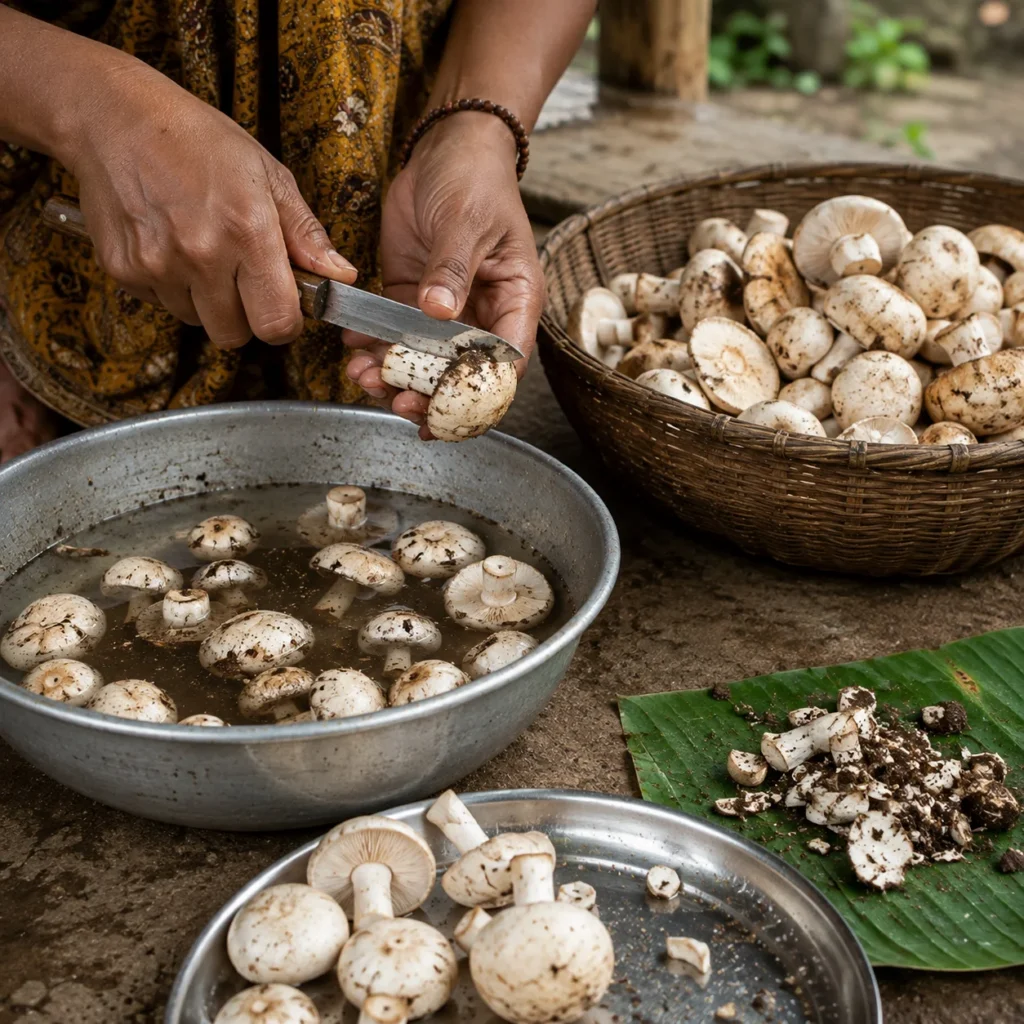
Why You Shouldn’t Wash Mushrooms Directly Under Running Water
Many home cooks habitually wash all vegetables under running water, scrubbing them vigorously. However, this method is entirely unsuitable for mushrooms. Mushrooms are not dense vegetables; they belong to the fungus family and have a natural sponge-like texture. When submerged in water or left under a tap for too long, mushrooms absorb water excessively. This leads to three significant drawbacks:
- Loss of Flavor: Absorbing water dilutes the mushroom’s natural umami taste, making dishes bland.
- Cooking Difficulties: Waterlogged mushrooms release moisture when sautéed, leading to a boiled rather than fried texture.
- Bacterial Risk: If surface dirt is absorbed with the water, it can lead to digestive issues.
Therefore, never soak mushrooms in water. Proper cleaning requires a more nuanced approach.
Cleaning Mushrooms with a Dry Cloth or Brush
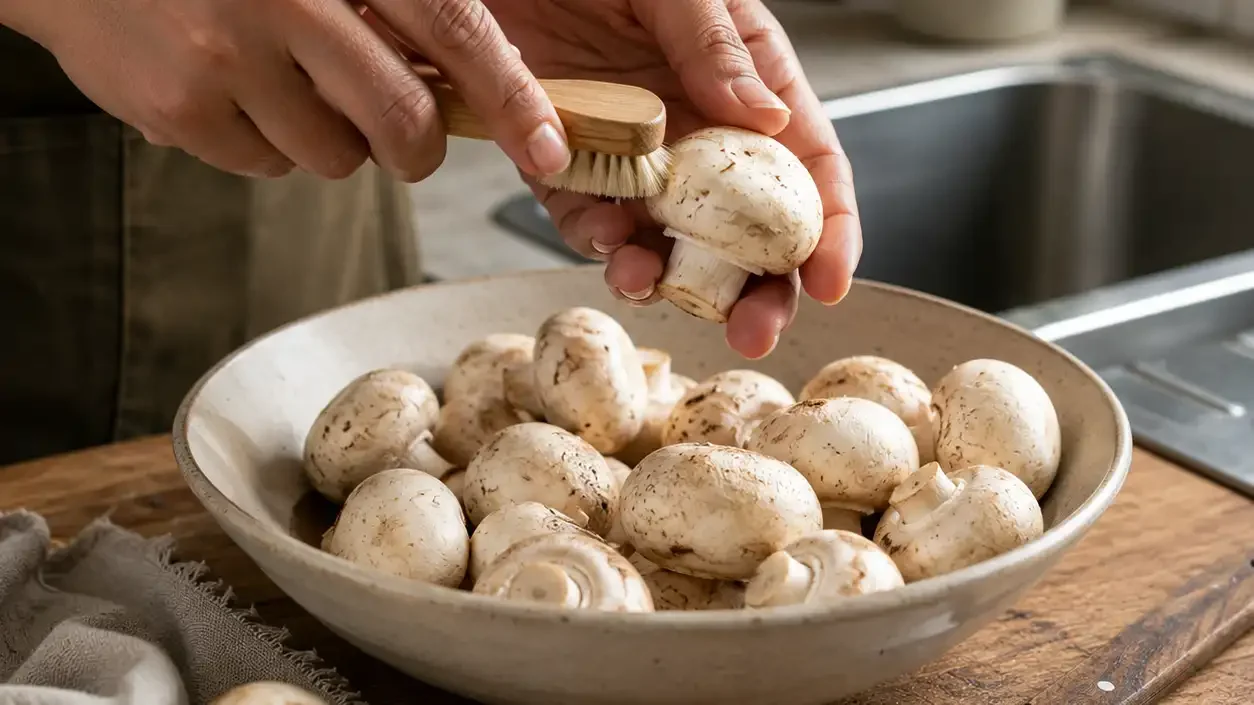
For packed button mushrooms with only light soil, water is often unnecessary. This is a preferred method among chefs for its simplicity and effectiveness.
Method:
- Use a clean kitchen towel, paper towel, or a soft brush.
- Slightly dampen the cloth (barely moist).
- Gently wipe the mushroom cap and stem.
This method effectively removes surface dirt and preserves the mushroom’s crispness, ensuring a better sear and restaurant-quality texture when fried or toasted.
The Flour and Water Trick for Stubborn Dirt
When mushrooms are particularly dirty or sticky, wiping alone might not suffice. A popular Indian household hack involves using wheat flour (atta) or all-purpose flour (maida).
Steps:
- Place mushrooms in a dry bowl.
- Sprinkle 1-2 teaspoons of flour over them.
- Gently rub the mushrooms with your hands. The flour adheres to the stickiness and dirt.
- Place the mushrooms in a strainer and rinse under running water for just 10-15 seconds.
- Immediately pat them dry with a clean cotton cloth.
This technique efficiently removes stubborn grime without over-saturating the mushrooms.
Peeling Mushrooms: An Easy Technique
If the mushroom’s cap appears old or has brown spots, peeling might be a better option than washing. While it sounds tedious, it’s quite simple.
Steps:
- Locate the edge of the cap near the stem.
- Using a small knife or your fingernail, gently grip the thin outer skin.
- Pull upwards to peel off the skin.
This reveals a fresh, white interior. This method is ideal for those who consume mushrooms raw or lightly cooked in salads or soups, as it requires no water.
Cleaning the Mushroom Stem
Often, the stem is overlooked. The base of the stem can harbor the most dirt.
Steps:
- Trim off the very bottom, dry, and tough part of the stem (about half a centimeter) with a knife.
- Gently scrape away any dark fibers from the remaining stem with a knife.
- If the stem is very tough, you can remove it entirely, though fresh stems are edible and flavorful.
Why Drying Mushrooms After Cleaning is Crucial
Regardless of the cleaning method used, removing moisture immediately after is vital. Wet mushrooms placed in a hot pan will lower the pan’s temperature, causing them to release water and steam instead of searing.
Steps:
- After cleaning, spread the mushrooms on a clean cotton cloth or kitchen towel.
- Gently pat them dry.
- For best results, let them air dry in a well-ventilated area for about 10 minutes before cooking.
Dry mushrooms develop a beautiful golden-brown crust when they hit hot oil or butter, enhancing their taste and texture.
Difference in Cleaning: Desi vs. Button Mushrooms
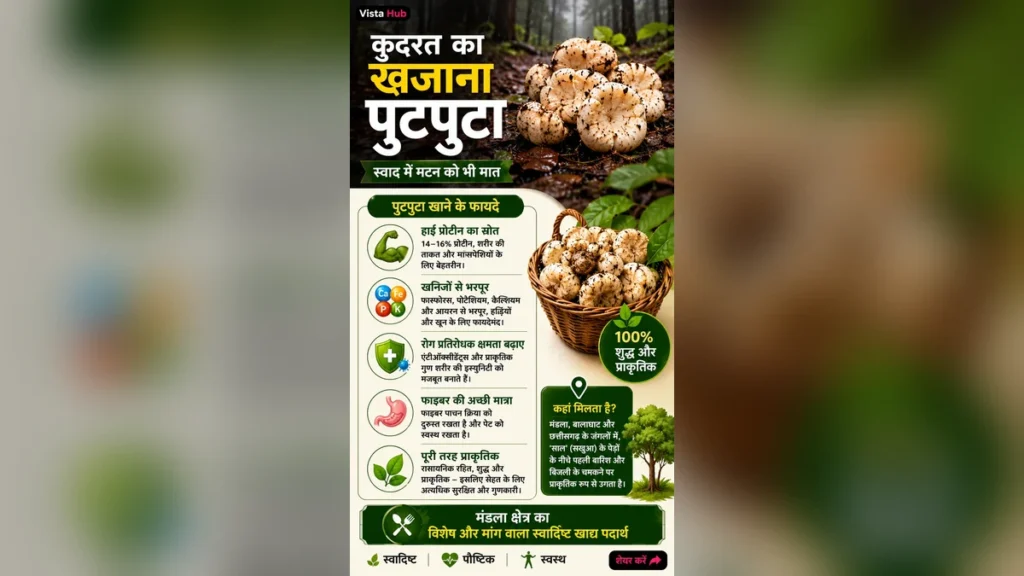
Commercially grown button mushrooms are typically covered in coir or compost soil, making them easier to clean. However, wild or ‘desi’ mushrooms (like Putputa) found during the monsoon season require more careful cleaning as they might contain real soil and potential insects.
For Desi Mushrooms:
- Briefly dip them in lukewarm water with a pinch of salt for about 1 minute. The salt helps dislodge hidden insects.
- Immediately remove and rinse with clean water.
- Pat thoroughly dry.
Never leave these mushrooms soaking for extended periods.
Expert Advice: Treat Mushrooms Uniquely
A fundamental kitchen rule is to treat each ingredient differently. While potatoes and cauliflower can be soaked, aggressive washing of mushrooms strips away their flavor and prevents them from absorbing marinades and butter effectively. Scientifically, mushrooms have high moisture content. Adding more water during cooking can degrade their nutrients and umami compounds. Proper cleaning is the first step to perfect cooking.
Pro-Tip: Clean mushrooms just before cooking. Pre-cleaning and refrigerating can cause them to turn black.
Next time you prepare a mushroom dish, resist the urge to run them under the tap. Grab a dry cloth or some flour, and achieve that perfect, restaurant-quality taste.
Frequently Asked Questions
Can mushrooms be washed in salt water?
For regular button mushrooms, salt water is unnecessary and can cause them to release moisture. Only wild or ‘desi’ mushrooms may benefit from a brief dip (1 minute) in lukewarm salt water to help dislodge insects, followed by immediate drying.
Can mushrooms be cooked without washing?
Yes, if mushrooms appear clean, they can be wiped with a dry or slightly damp cloth and cooked. Many chefs prefer wiping or peeling over washing.
Why do mushrooms turn black and can they still be eaten?
Mushrooms turn black due to oxidation when exposed to air and moisture. If the blackening is minor and there’s no off-smell or sliminess, they can usually be cleaned and consumed.
What is the fastest way to clean mushrooms?
The quickest method involves sprinkling dry flour on the mushrooms, gently rubbing, rinsing briefly under water in a strainer (10 seconds), and then patting them dry. The flour helps lift off dirt and stickiness rapidly.
Disclaimer: The information provided in this article is for general awareness only.