The Ancient Roots of Ganesh Worship
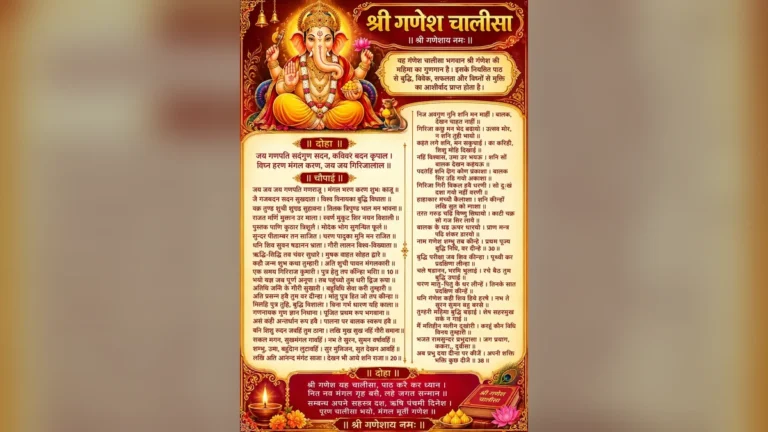
The worship of Lord Ganesha, the elephant-headed deity revered as the remover of obstacles, the patron of arts and sciences, and the deva of intellect and wisdom, has a history stretching back centuries in India. While his presence is acknowledged in ancient texts like the Vedas and Puranas, his worship in the form we recognize today evolved over time. Some scholars suggest that terms like ‘Brihaspati’ and ‘Ganapati’ in the Rigveda might refer to early forms of Ganesha. Texts like the Ganesh Purana and Mudgala Purana detail his glories and various forms, indicating that personal or family-based worship of Ganesha was prevalent even in ancient times. Historical evidence also points to the presence of Ganesha idols and worship during the Saptavahana and Gupta periods. However, during these eras, the celebration was largely confined to individual households or royal courts, lacking the grand public spectacle it is known for today.
The Peshwas’ Contribution to Public Celebration
A significant step towards making Ganesh Utsav a public affair occurred during the reign of the Peshwas in the 18th century. The Maratha rulers adopted Ganesha as their kuldevta (family deity) and began celebrating his festival with greater grandeur. The Peshwas provided royal patronage, establishing grand idols in their palaces and organizing various religious and cultural events. This period saw the festival begin to move beyond private homes into temples and some public spaces, laying the groundwork for its future expansion. The Peshwas’ patronage cemented Ganesh Utsav’s place in Maharashtra’s cultural heritage and inspired future generations.
Lokmanya Tilak: The Architect of Modern Ganesh Utsav
The transformation of Ganesh Utsav into the massive, public festival we know today is widely attributed to the visionary leadership of Lokmanya Bal Gangadhar Tilak in 1893. During a time when India was under British rule, and public gatherings were often restricted, Tilak recognized the potential of Ganesh Utsav as a unifying platform. His objectives were multifaceted:
- Fostering National Unity: Tilak believed that Ganesh Utsav could serve as a powerful tool to unite Hindus, irrespective of caste or creed, and instill a sense of national consciousness and patriotism. It provided a common ground for people to come together.
- A Platform for the Freedom Struggle: The festival became a stage for disseminating messages against British rule through cultural programs, plays, and devotional songs. It also offered a safe space for freedom fighters to meet and strategize.
- Promoting Social Reform: Tilak also utilized the festival to raise awareness about social issues, education, and hygiene, advocating for reforms within society.
Under Tilak’s initiative, the festival was extended to 10 days, with the establishment of large public pandals housing Ganesha idols. These became centers for worship, devotional singing, and nationalist gatherings. He encouraged public donations and active participation, truly making it a festival of the people. Lectures, debates, dramas, and musical performances were organized, turning Ganesh Utsav into a hub for cultural and intellectual exchange, spreading rapidly across Maharashtra and beyond.
The Evolution and Present Form of Ganesh Utsav
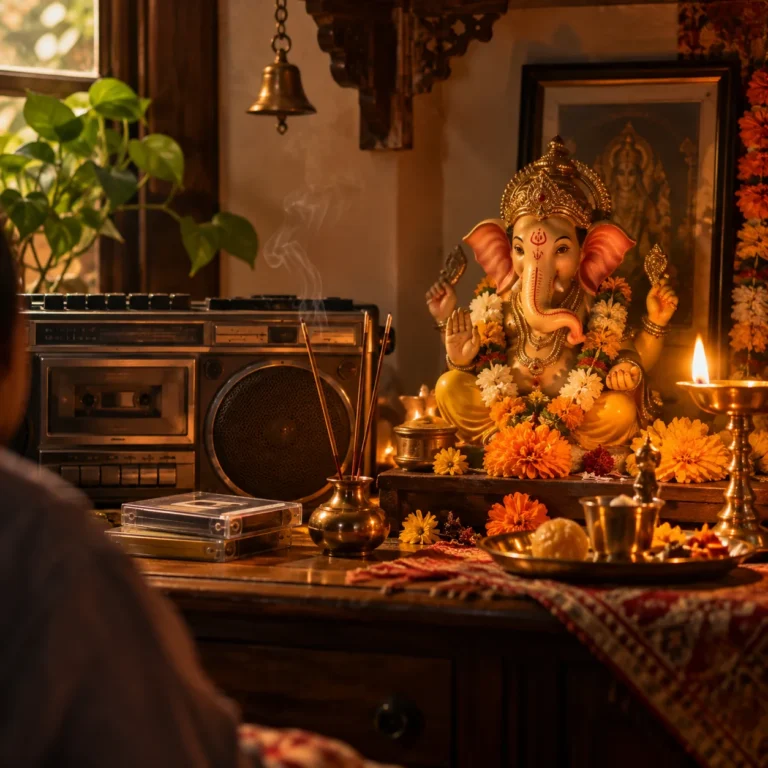
Today, Ganesh Utsav continues to be celebrated with immense fervor across India, particularly in Maharashtra, but also in states like Gujarat, Karnataka, Andhra Pradesh, Telangana, Goa, and Madhya Pradesh. The modern celebration involves the erection of magnificent pandals, the installation of impressive Ganesha idols, and elaborate rituals over ten days. Devotees perform daily aarti (like ‘Jai Ganesh Jai Ganesh Deva’), offer modaks (a popular sweet), and enjoy various cultural performances. In recent years, there has been a growing emphasis on eco-friendly celebrations, with a focus on using clay idols and natural colors to minimize environmental impact during immersion. The festival remains a powerful symbol of social harmony and brotherhood, bringing communities together to share joy and foster goodwill.
The Enduring Significance of Ganesh Utsav
The importance of Ganesh Utsav lies not just in its historical journey but also in its relevance today and for the future. Religiously, Lord Ganesha is invoked first in any auspicious undertaking, and his worship is believed to remove obstacles and bring good fortune. Culturally, it serves as a vibrant showcase for Indian arts, music, dance, and folk traditions, providing a platform for artisans and performers. Socially, it strengthens community bonds and promotes a spirit of unity and togetherness. The chanting of mantras like ‘Om Gam Ganapataye Namah’ or ‘Vakratunda Mahakaya’ by devotees expresses their devotion. The festival reminds us of the powerful role that religion and culture play in connecting society and contributing to nation-building.
Frequently Asked Questions about Ganesh Utsav
When did Ganesh Utsav begin?
The worship of Lord Ganesha is ancient, with references in Vedic and Puranic texts. However, the public celebration of Ganesh Utsav as a large-scale festival is generally considered to have been popularized by Lokmanya Bal Gangadhar Tilak in 1893. Before that, it was largely celebrated privately.
Who is credited with starting the public Ganesh Utsav?
Lokmanya Bal Gangadhar Tilak is widely credited with transforming Ganesh Utsav into a public festival and a tool for national unity and the freedom struggle in 1893.
What was the original purpose of Ganesh Utsav?
Originally, Ganesh worship was part of personal or family rituals, seeking blessings for prosperity and the removal of obstacles. When popularized as a public festival by Tilak, its purpose expanded to include fostering national unity, promoting social reform, and serving as a platform for the Indian independence movement.
How long is Ganesh Utsav celebrated?
Ganesh Utsav is typically celebrated for 10 days, starting on the Ganesh Chaturthi tithi (day) in the Hindu month of Bhadrapada. The main celebrations culminate on the day of Anant Chaturdashi.
What is the significance of Modak in Ganesh Utsav?
Modak is considered Lord Ganesha’s favorite sweet. Offering modaks during Ganesh Utsav is a traditional practice, symbolizing the sweetness of devotion and the blessings received from the deity.
Is Ganesh Utsav celebrated only in Maharashtra?
While Ganesh Utsav is most prominently celebrated in Maharashtra, it is also a significant festival in many other parts of India, including Gujarat, Karnataka, Andhra Pradesh, Telangana, Goa, and Madhya Pradesh, each with its unique local customs.
In conclusion, the journey of Ganesh Utsav from ancient personal devotion to a grand public spectacle and a symbol of national consciousness is a testament to its enduring cultural and social significance. It continues to unite millions, celebrating faith, culture, and the spirit of community every year.