 Vista
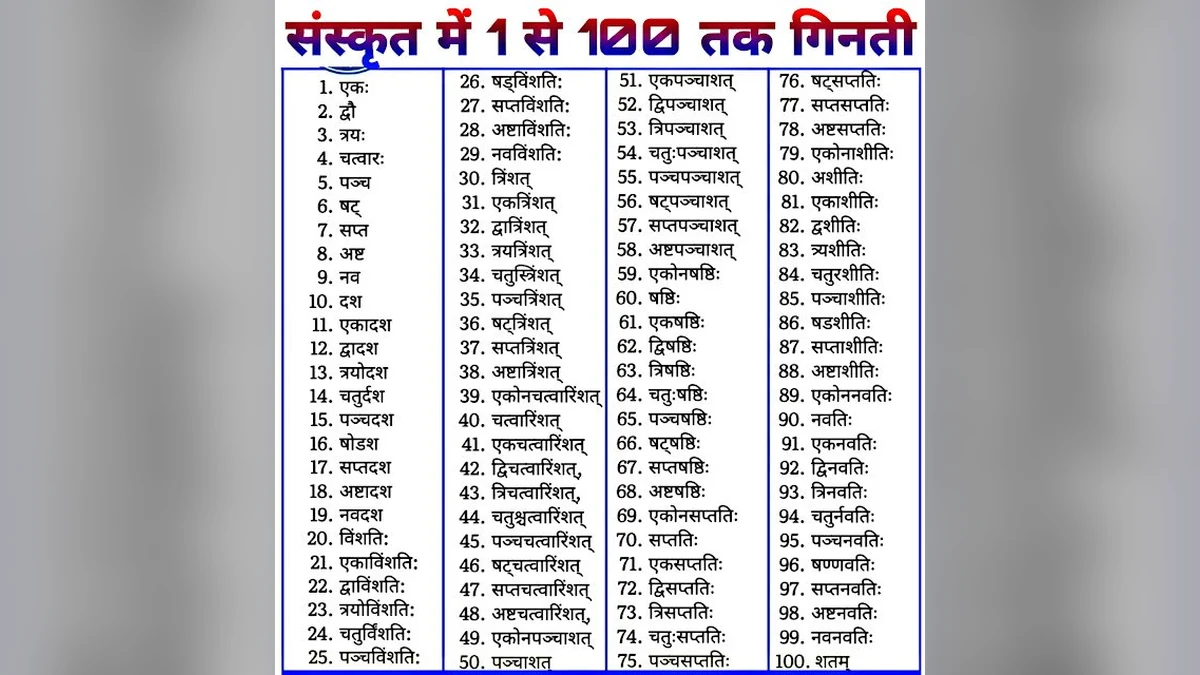
Understanding Sanskrit Numbers 1 to 100: A Complete Guide
Embarking on the journey to learn Sanskrit numbers from 1 to 100 can seem daunting, but with the right approach, it becomes an accessible and rewarding experience. Whether for school projects, exams, or a deeper appreciation of the language’s roots, mastering Sanskrit counting is a fundamental step. This guide provides a comprehensive list, clear charts, an understanding of gender variations, and practical tips to help you learn Sanskrit numbers effectively.
Why Learn Sanskrit Counting?
Many students wonder if Sanskrit numbers are merely for rote memorization. The answer is a resounding no. Beyond boosting academic performance, understanding Sanskrit numerals unlocks the meaning of ancient verses, mantras, and texts. Here are the key benefits:
- Academic Importance: Sanskrit is a core or elective subject in many schools. Proficiency in counting enhances confidence in both spoken and written Sanskrit.
- Pattern Recognition: Sanskrit numbers follow logical patterns, especially when the structure of tens (दशक) is understood. This aids in memory retention through logic rather than just memorization.
- Linguistic Connections: Numerous number words in Indian languages like Hindi, Marathi, and Gujarati share roots with Sanskrit, making learning these numbers a bridge to understanding related languages.
- Pronunciation Practice: Correct pronunciation sharpens listening and speaking skills, crucial for language fluency.
- Project and Chart Work: High-definition (HD) chart images are readily available for school projects, wall posters, or notebook entries. Parents can create short, daily practice sessions (8-10 minutes) focusing on small ranges (e.g., 1-20 one day, 21-40 the next), respecting each child’s learning pace.
Sanskrit Counting Chart HD: How to View and Save
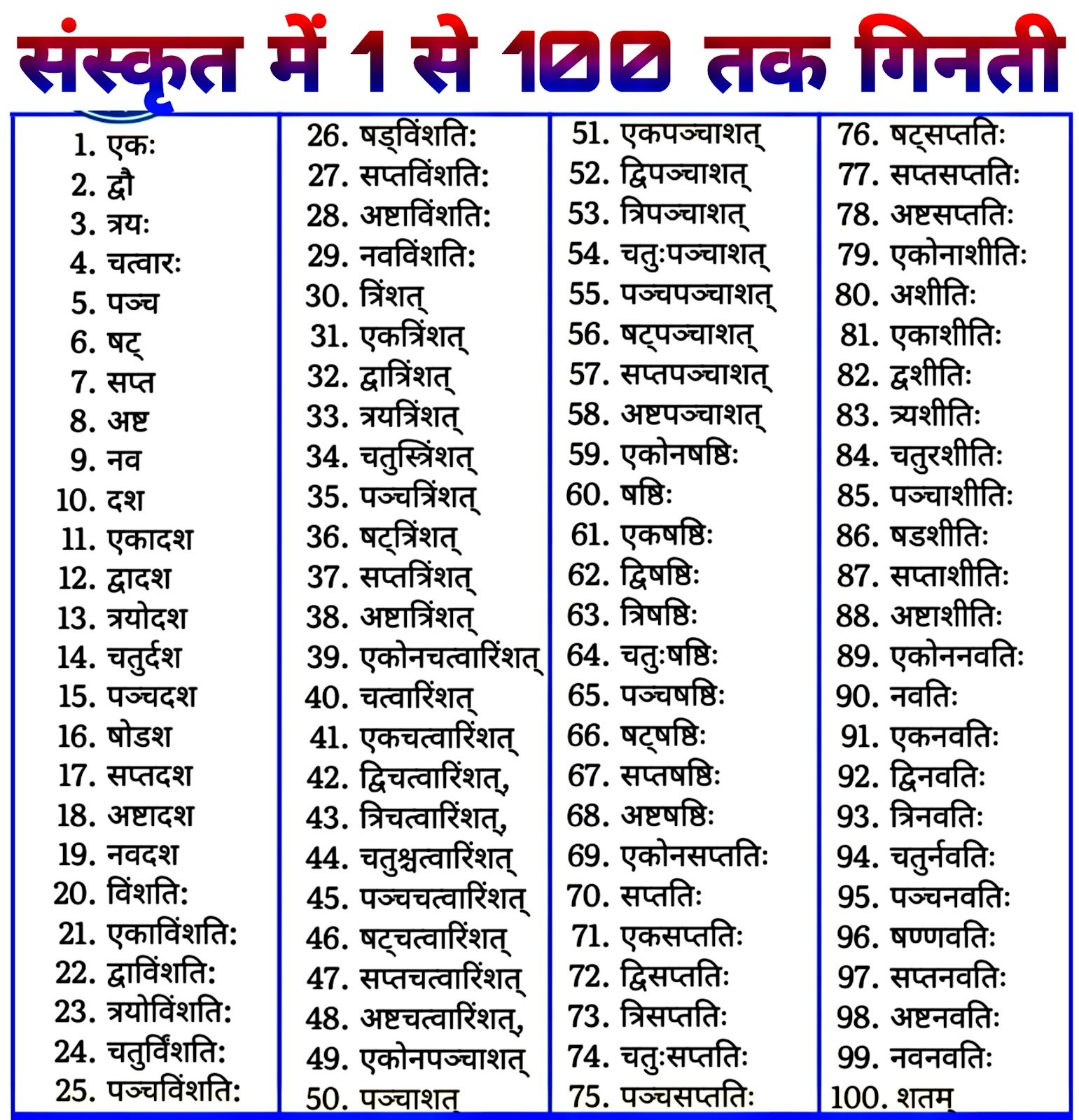
Visual aids are incredibly effective for memory. The provided HD chart images serve as excellent tools for learning and reference. You can save or print these files for easy access:
- Mobile: Long-press on the image and select ‘Download’ or ‘Save image’.
- Computer: Right-click on the image and select ‘Save image as…’.
- Printing: Print the charts in A4 color for your wall or study table.
Keep the chart handy while doing homework for quick reference. For younger learners, a colorful chart displayed prominently can be more effective than rote learning. You can even set it as a phone wallpaper, but ensure you combine it with daily verbal practice.
Sanskrit Numbers 1 to 100: Full List and Pronunciation
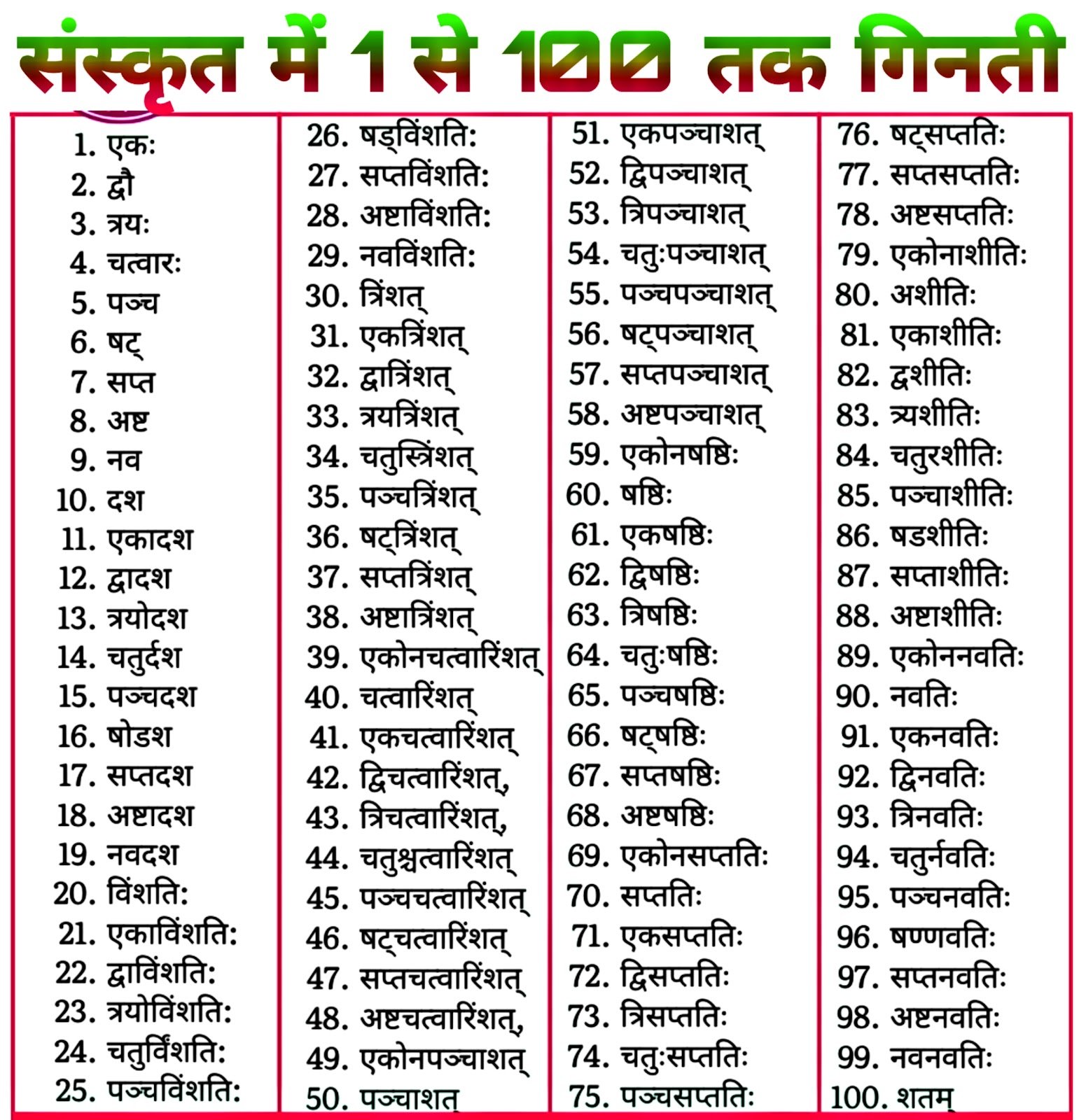
Below is the complete list of Sanskrit numbers from 1 to 100, presented with Devanagari script and easy-to-follow Roman transliterations. While minor spelling variations might exist in different textbooks, always adhere to your school’s prescribed text for examinations.
1 to 10
- 1 – एकः (Ekaha)
- 2 – द्वौ (Dvau)
- 3 – त्रयः (Trayaha)
- 4 – चत्वारः (Chatvaraha)
- 5 – पञ्च (Pancha)
- 6 – षट् (Shat)
- 7 – सप्त (Sapta)
- 8 – अष्ट (Ashta)
- 9 – नव (Nava)
- 10 – दश (Dasha)
11 to 20
- 11 – एकादश (Ekadasha)
- 12 – द्वादश (Dvadasha)
- 13 – त्रयोदश (Trayodasha)
- 14 – चतुर्दश (Chaturdasha)
- 15 – पञ्चदश (Panchadasha)
- 16 – षोडश (Shodasha)
- 17 – सप्तदश (Saptadasha)
- 18 – अष्टादश (Ashtadasha)
- 19 – नवदश / एकोनविंशतिः (Navadasha / Ekonnavimshatihi)
- 20 – विंशतिः (Vimshatihi)
21 to 30
- 21 – एकविंशतिः (Ekavimshatihi)
- 22 – द्वाविंशतिः (Dvavimshatihi)
- 23 – त्रयोविंशतिः (Trayovimshatihi)
- 24 – चतुर्विंशतिः (Chaturvimshatihi)
- 25 – पञ्चविंशतिः (Panchavimshatihi)
- 26 – षड्विंशतिः (Shadvimshatihi)
- 27 – सप्तविंशतिः (Saptavimshatihi)
- 28 – अष्टाविंशतिः (Ashtavimshatihi)
- 29 – एकोनत्रिंशत् / नवविंशतिः (Ekonatrimshat / Navavimshatihi)
- 30 – त्रिंशत् (Trimshat)
31 to 40
- 31 – एकत्रिंशत् (Ekatrimshat)
- 32 – द्वात्रिंशत् (Dvatrimshat)
- 33 – त्रयस्त्रिंशत् (Trayastrimshat)
- 34 – चतुस्त्रिंशत् (Chatustrimshat)
- 35 – पञ्चत्रिंशत् (Panchatrimshat)
- 36 – षट्त्रिंशत् (Shattrimshat)
- 37 – सप्तत्रिंशत् (Saptatrimshat)
- 38 – अष्टात्रिंशत् (Ashtatrimshat)
- 39 – एकोनचत्वारिंशत् / नवत्रिंशत् (Ekonachatvarimshat / Navatrimshat)
- 40 – चत्वारिंशत् (Chatvarimshat)
41 to 50
- 41 – एकचत्वारिंशत् (Ekachatvarimshat)
- 42 – द्वाचत्वारिंशत् (Dvachatvarimshat)
- 43 – त्रिचत्वारिंशत् (Trichatvarimshat)
- 44 – चतुश्चत्वारिंशत् (Chatushchatvarimshat)
- 45 – पञ्चचत्वारिंशत् (Panchachatvarimshat)
- 46 – षट्चत्वारिंशत् (Shatchatvarimshat)
- 47 – सप्तचत्वारिंशत् (Saptachatvarimshat)
- 48 – अष्टचत्वारिंशत् (Ashtachatvarimshat)
- 49 – एकोनपञ्चाशत् / नवचत्वारिंशत् (Ekonapanchashat / Navachatvarimshat)
- 50 – पञ्चाशत् (Panchashat)
51 to 60
- 51 – एकपञ्चाशत् (Ekapanchashat)
- 52 – द्वापञ्चाशत् (Dvapanchashat)
- 53 – त्रिपञ्चाशत् (Tripanchashat)
- 54 – चतुष्पञ्चाशत् (Chatushpanchashat)
- 55 – पञ्चपञ्चाशत् (Panchapanchashat)
- 56 – षट्पञ्चाशत् (Shatpanchashat)
- 57 – सप्तपञ्चाशत् (Saptapanchashat)
- 58 – अष्टपञ्चाशत् (Ashtapanchashat)
- 59 – एकोनषष्टिः / नवपञ्चाशत् (Ekonashashtihi / Navapanchashat)
- 60 – षष्टिः (Shashtihi)
61 to 70
- 61 – एकषष्टिः (Ekashashtihi)
- 62 – द्वाषष्टिः (Dvashashtihi)
- 63 – त्रिषष्टिः (Trishashtihi)
- 64 – चतुःषष्टिः (Chatuhshashtihi)
- 65 – पञ्चषष्टिः (Panchashashtihi)
- 66 – षट्षष्टिः (Shatshashtihi)
- 67 – सप्तषष्टिः (Saptashashtihi)
- 68 – अष्टषष्टिः (Ashtashashtihi)
- 69 – एकोनसप्ततिः / नवषष्टिः (Ekonasaptatihi / Navashashtihi)
- 70 – सप्ततिः (Saptatihi)
71 to 80
- 71 – एकसप्ततिः (Ekasaptatihi)
- 72 – द्वासप्ततिः (Dvasaptatihi)
- 73 – त्रिसप्ततिः (Trisaptatihi)
- 74 – चतुःसप्ततिः (Chatuhsaptatihi)
- 75 – पञ्चसप्ततिः (Panchasaptatihi)
- 76 – षट्सप्ततिः (Shatsaptatihi)
- 77 – सप्तसप्ततिः (Saptasaptatihi)
- 78 – अष्टासप्ततिः (Ashtasaptatihi)
- 79 – एकोनाशीतिः / नवसप्ततिः (Ekonashitihi / Navasaptatihi)
- 80 – अशीतिः (Ashitihi)
81 to 90
- 81 – एकाशीतिः (Ekashitihi)
- 82 – द्वाशीतिः (Dvashitihi)
- 83 – त्र्यशीतिः (Tryashitihi)
- 84 – चतुरशीतिः (Chaturashitihi)
- 85 – पञ्चाशीतिः (Panchashitihi)
- 86 – षडशीतिः (Shadashitihi)
- 87 – सप्ताशीतिः (Saptashitihi)
- 88 – अष्टाशीतिः (Ashtashitihi)
- 89 – एकोननवतिः / नवाशीतिः (Ekonanavatihi / Navashitihi)
- 90 – नवतिः (Navatihi)
91 to 100
- 91 – एकनवतिः (Ekanavatihi)
- 92 – द्वानवतिः (Dvanavatihi)
- 93 – त्रिनवतिः (Trinavatihi)
- 94 – चतुर्नवतिः (Chaturnavatihi)
- 95 – पञ्चनवतिः (Panchanavatihi)
- 96 – षण्णवतिः (Shannavatihi)
- 97 – सप्तनवतिः (Saptanavatihi)
- 98 – अष्टनवतिः (Ashtanavatihi)
- 99 – नवनवतिः (Navanavatihi)
- 100 – शतम् (Shatam)
Understanding Gender Variations (1–4) and the “Unit + Ten” Pattern
The most common point of confusion for beginners is the gender variation in Sanskrit numbers, particularly from 1 to 4. Unlike in English, Sanskrit numbers agree with the gender of the noun they modify.
- 1: एकः (Ekaha – masculine), एका (Eka – feminine), एकम् (Ekam – neuter)
- 2: द्वौ (Dvau – masculine), द्वे (Dve – feminine/neuter)
- 3: त्रयः (Trayaha – masculine), तिस्रः (Tisrah – feminine), त्रीणि (Trini – neuter)
- 4: चत्वारः (Chatvaraha – masculine), चतस्रः (Chatasrah – feminine), चत्वारि (Chatvari – neuter)
From 5 onwards, the numbers generally remain the same across all genders (e.g., पञ्च, षट्, सप्त). While masculine forms are often presented in basic charts, always follow your teacher’s guidance for correct usage in sentences. The pattern trick is to first master numbers 1–10 and the tens (10, 20, 30…). Then, numbers like 21 (एकविंशतिः – Eka + Vimshatihi), 32 (द्वात्रिंशत् – Dva + Trimshat), and 45 (पञ्चचत्वारिंशत् – Pancha + Chatvarimshat) become intuitive. Numbers like 19, 29, and 39 also have forms using ‘एकोन’ (Ekon – meaning ‘one less than’), as seen in the list.
Effective Memorization Techniques for Home and School
Sanskrit counting might appear lengthy, but breaking it down into smaller segments makes it manageable. These methods focus on repetition and understanding rather than pure memorization:
- The 10-Day Rule: Dedicate each day to mastering one decade (e.g., 41–50). Read and write them aloud.
- Flashcards for Tens: Create flashcards for the base tens (दश, विंशतिः, त्रिंशत्, etc.) as they are the building blocks.
- Speak and Write: Combine auditory and kinesthetic learning by speaking the numbers aloud while writing them down.
- Wall Chart Display: Mount the HD chart in your study area for passive, regular exposure.
- Pair Revision: Practice with a friend or sibling, taking turns quizzing each other. This can make learning feel like a game.
- Exam Strategy: For oral exams, revise 1–20 and the tens. For written exams, ensure your spelling matches your textbook. For younger children, 1–20 might suffice initially. Older students can incorporate gender examples. Consistent, short practice sessions throughout the week are far more effective than cramming the night before.
Frequently Asked Questions (FAQ)
- How can I quickly memorize Sanskrit numbers 1 to 100?
Start by mastering 1–10 and the tens (10, 20, …, 100). Then, practice in blocks of ten, speaking them aloud. Display a chart and revise for 7-10 minutes daily. - Why do numbers 1 to 4 change based on gender?
In Sanskrit grammar, these small numbers agree in gender with the noun they quantify. Numbers from 5 onwards typically have a single form. Always refer to your textbook or teacher for sentence construction. - What is 100 called in Sanskrit?
100 is called शतम् (Shatam). Understanding the tens makes learning 91–99 much easier. - Can I use the chart for printing and school projects?
Yes, the HD images provided can be saved and printed in A4 size for projects, wall charts, or notebooks. - What is the difference between ‘Ekonavimshatihi’ and ‘Navadasha’ for 19?
Both forms for 19 are found in different traditions or texts. For exams, use the form specified in your textbook. The chart includes both for comprehensive reference.
Conclusion: Understand the Pattern, Don’t Just Memorize
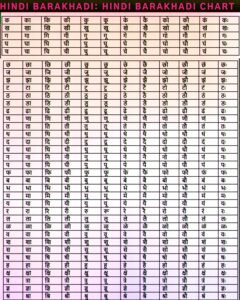
Learning Sanskrit numbers 1 to 100 is achievable by focusing on the core elements: numbers 1–10, the pattern of tens, and the gender variations for 1–4. The provided lists and HD chart images are designed for easy saving and practice. Regular, short study sessions are more effective than infrequent long ones. Download the chart, keep it visible, and practice in small chunks throughout the week. This approach will benefit your school tests, projects, and overall understanding of Sanskrit. Remember, this is an educational guide; always prioritize your textbook and teacher’s instructions regarding spelling and grammar.




























Share Your Opinion