Meeting someone again in a dream
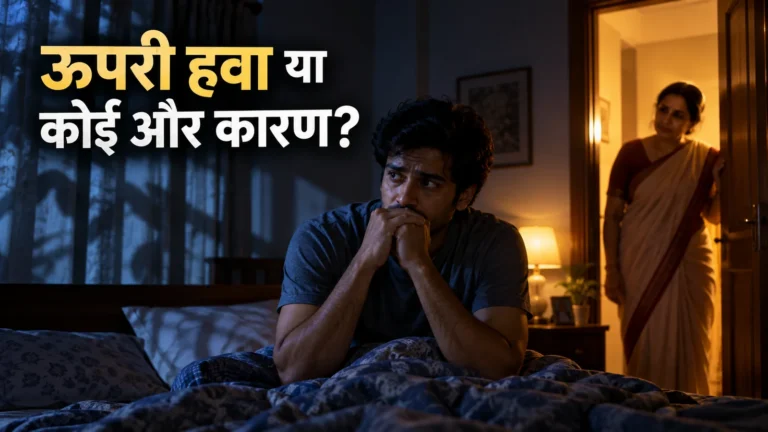
Imagine dreaming that your father is sitting in the courtyard exactly as he used to. He speaks, you answer and then wake. A moment of comfort is followed by questions: was he angry, asking for something or warning of a future event? This is an illustrative scene, not a reported case.
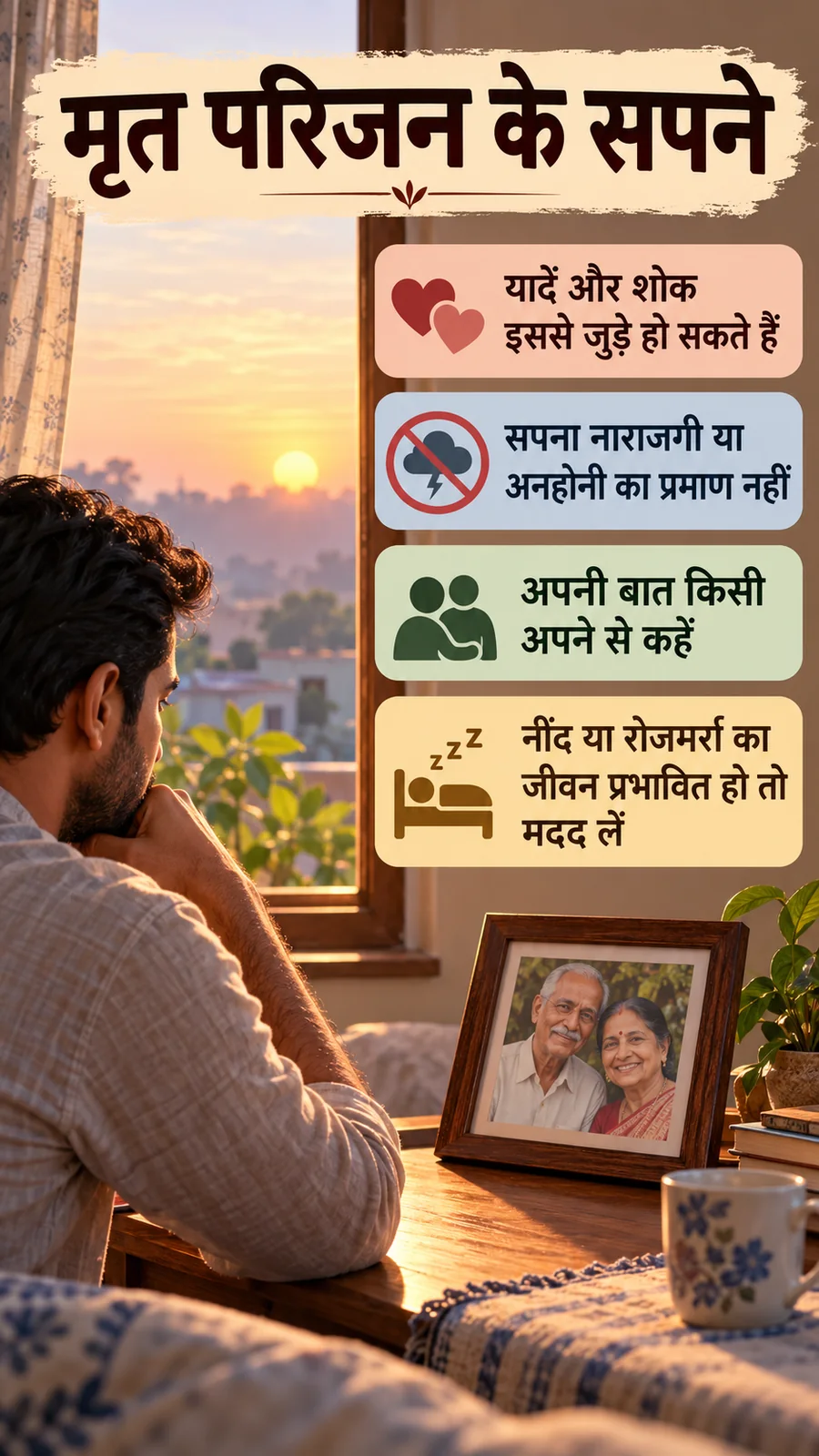
Dreams of deceased loved ones can be associated with bereavement and memory. They may feel deeply important without providing evidence of anger, a curse or an impending accident. A meaningful experience is not automatically a prediction.
Your relationship and memories deserve respect. You do not need to turn the dream into a threat to honour them. The aim here is to make space for emotion while being clear about what a dream cannot establish.
What research suggests about grief and dreams
After someone close dies, memories of their face, voice, habits and shared experiences remain. Those memories and current feelings may feature in dreams. Studies have explored associations between bereavement dreams, grief, emotional connection and reactions after waking.
An old photograph album opening alongside new emotions is a useful analogy. It is not a complete scientific account of how dreams are generated. Research cannot decode every detail or identify the exact cause of one person’s dream.
Some dreams bring comfort, while others bring sadness or distress. A pleasant dream may also make the absence feel sharper after waking. These reactions do not have to fit a single pattern, and they should not be used to judge how someone is grieving.
Do requests for food or an invitation have a fixed meaning?
Search results often assign definite meanings to a dead relative asking for food, remaining silent or calling you closer. A dream does not reliably establish that the deceased person is hungry or that the family is facing harm. There is no universal meaning that applies to every such scene.
You can reflect on your own context: a shared meal, a recent reminder or a conversation left unfinished. These are prompts for understanding your feelings, not a guaranteed decoding method. It is equally wrong to say that every dream must arise from guilt.
Writing a memory, talking with family or choosing a harmless personal remembrance ritual may be meaningful. You do not need to take on debt, purchase an expensive ritual or blame yourself because someone says the dream predicts harm.
FACT: reports of dreams are not proof of supernatural messages
A survey published in 2014 asked 278 bereaved people about their experiences. Fifty-eight percent reported dreams of their deceased loved ones. This is a result from that particular sample, not a percentage for every family in India or worldwide.
Surveys of this kind examine reported dreams and their emotional effects. They do not establish that dreams predict the future or that a deceased relative sent a message. Studying the experience and verifying an external explanation are different tasks.
What to do when the dream leaves you frightened
Take a moment to notice your present room and the day you have woken into. Remind yourself that you have just had a dream. Write down the feelings it brought—fear, warmth, sadness or missing the person—without recording a prediction as fact.
Speak to someone you trust if you want to. Asking “What memory did this bring back?” may be more useful than reading a long list of alarming dream meanings. Keep regular meals and rest in view, and allow a manageable day when you feel unsettled.
If a child reports such a dream, avoid telling them they have angered an ancestor. Use age-appropriate language about remembering people who mattered. Let the child speak if they want to, without forcing them to describe the dream.
With recurring dreams, look at the effect on daily life
Repetition alone does not establish a disorder. Notice whether fear makes sleep difficult, occupies the whole day or interferes with work, study and relationships. Brief notes about frequency, feelings and daytime effects can help in a professional conversation.
Grief does not follow one deadline for everyone. Telling someone to forget because a certain number of days has passed can be unhelpful. At the same time, significant or continuing distress deserves support without waiting for an arbitrary date.
New voices or visions when fully awake, sudden confusion or other health problems should not be dismissed as dreams. Those symptoms may need a separate medical assessment. A dream and an awake experience are not interchangeable.
Making room for a memory without turning it into a warning
If you want, write a few lines about the person rather than only the dream: an ordinary conversation, a habit you remember or something you valued in the relationship. You can share those lines with someone close or keep them private. This is an optional remembrance activity, not a treatment or a required response to the dream.
You can also set a boundary when other people offer frightening interpretations: “The dream affected me, but I do not want predictions of harm. I would rather talk about the person and how I am doing.” Respectful support should allow that choice. You do not owe anyone a ritual purchase or a detailed account of a private dream.
If you seek professional support, explain which parts bring comfort and which parts make daily life harder. The conversation can hold both feelings at once. You are allowed to miss someone, value a dream and still want help with fear or disrupted sleep.
Advice: honour the memory and get support for the distress
Support may come from a trusted person, grief counselling or a mental-health professional. A primary-care clinician or government health service can also be a starting point. Explain the story and its effects on your daily life, not only the dream image.
You might say: “I miss them, and the dreams sometimes frighten me. I would like help coping.” Getting support does not mean forgetting the person. Memories and a workable daily routine can coexist.
If you have thoughts of harming yourself or cannot stay safe, tell a trusted person immediately and seek emergency help. In India, 112 is an option. Never take a risk because a dream seemed to call you somewhere. The safety and support of the living person come first.
Frequently asked questions
What does a deceased relative talking in a dream mean?
It may relate to memory, emotion and grief. A fixed meaning or future prediction cannot be established from one dream.
Does asking for food mean the person is hungry?
The dream does not establish that claim. Harmless remembrance is a personal choice, not an obligation to purchase a fear-based remedy.
Do recurring dreams prove a curse?
No. Focus on distress, sleep and daily life, and seek support when needed.
Does not dreaming of them mean I loved them less?
No. Dreams and dream recall differ between people. They are not a test of love.
When should I seek counselling?
When grief, fear or sleep disruption affects daily life, or simply when you want support. You need not wait for distress to become unbearable.
Related reading
Cannot Move in Your Sleep and Feel Pressure on Your Chest: Sleep Paralysis Explained
Sudden Anxiety and a Racing Heart at Night: Causes and What to Do
Waking Up Gasping or Choking in Your Sleep: Causes and When to Get Help
Hearing Your Name Called at Night: Sleep Experiences and What to Do
Sources and review
Information reviewed: 14 October 2026. The opening scene is illustrative, not a reported case.
Wright et al., 2014: Bereavement dreams survey
Black et al., 2020: Comforting and distressing dreams
NHS: Grief after bereavement or loss
NHS: Hallucinations and hearing voices
This is general information, not an individual diagnosis or treatment. Seek professional help for severe or persistent symptoms.