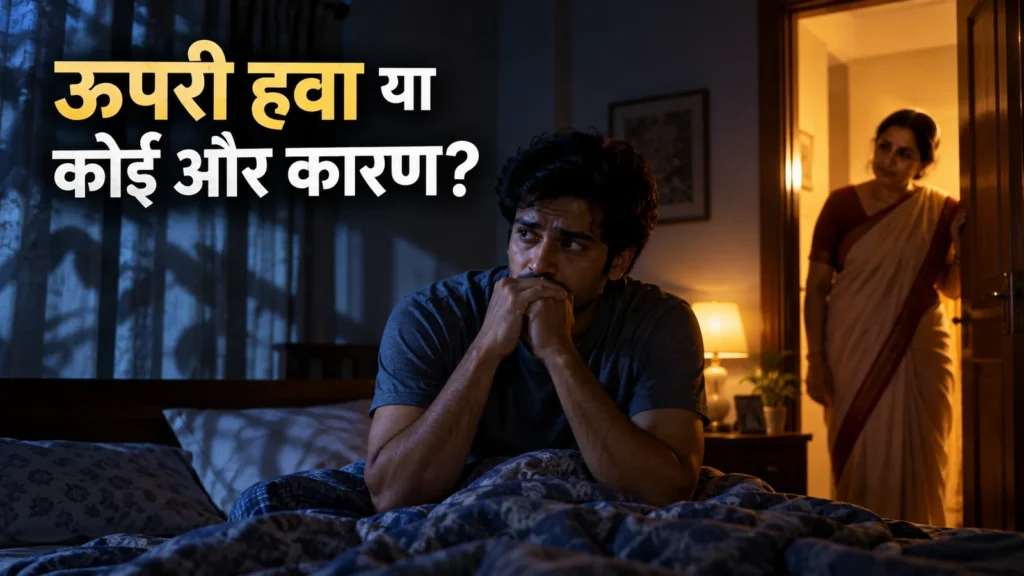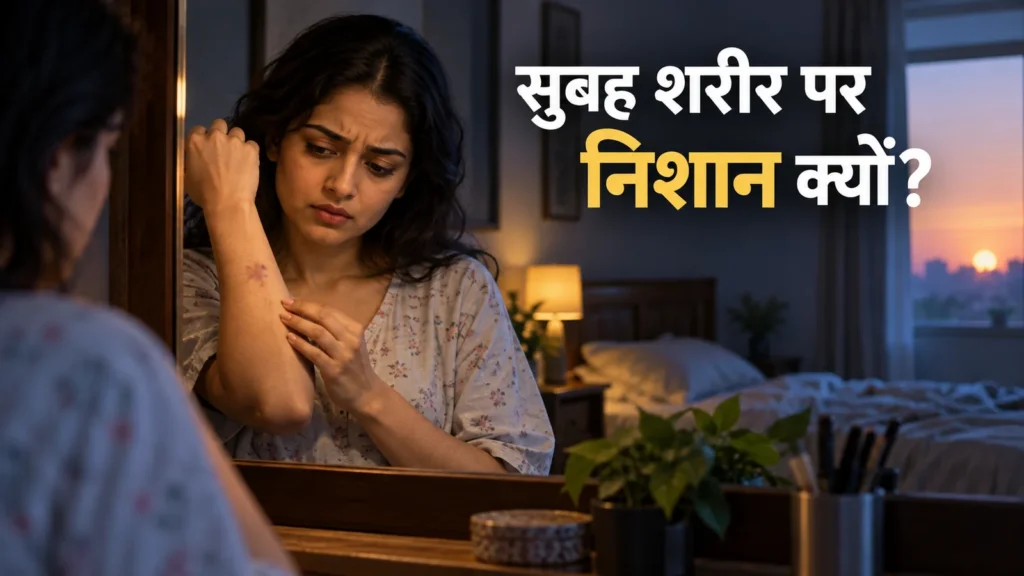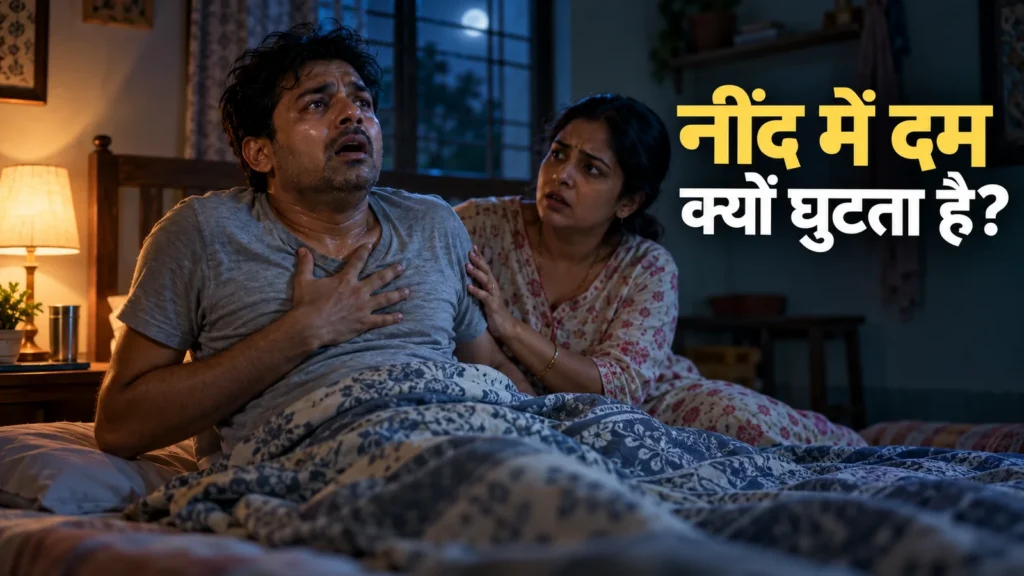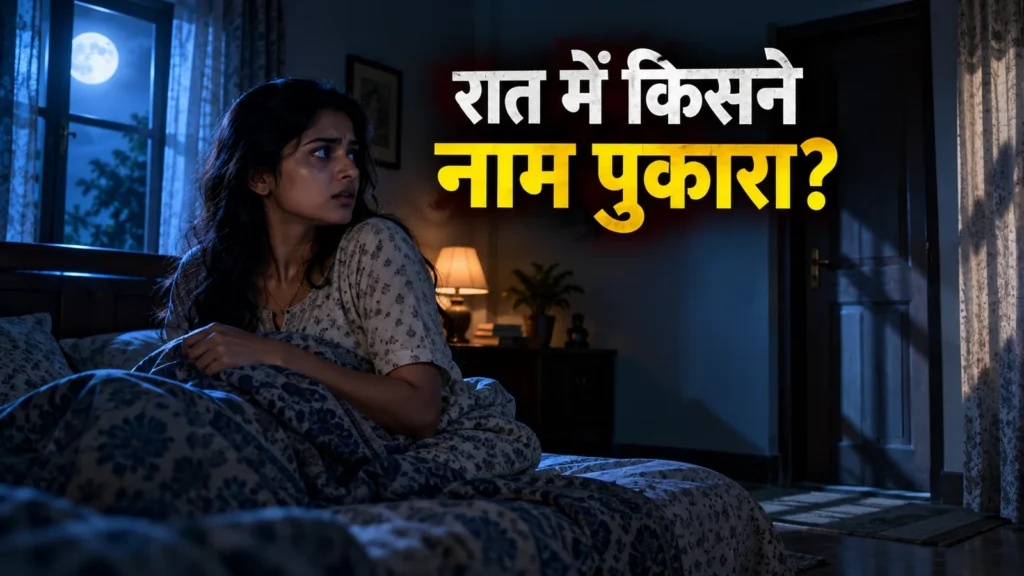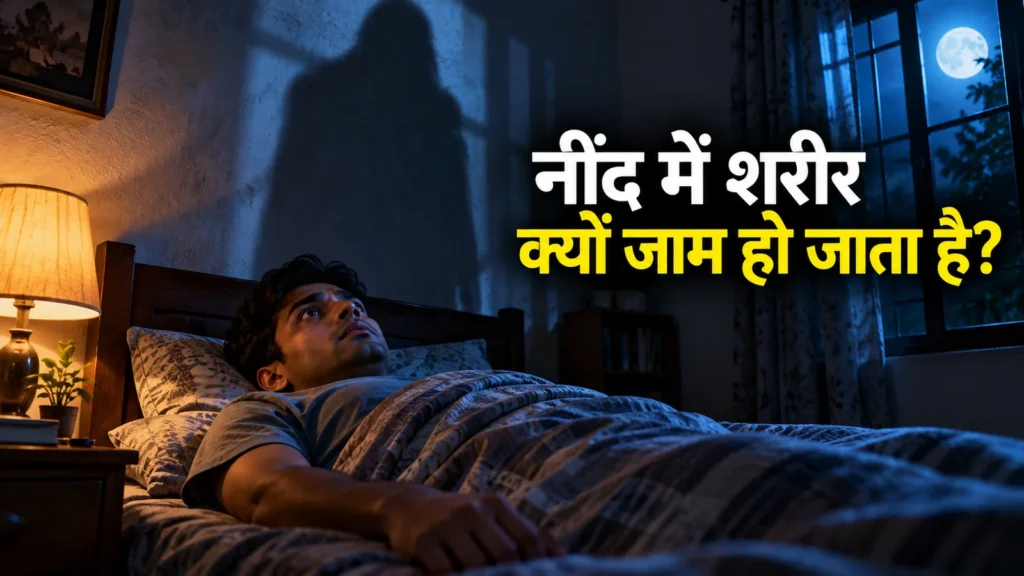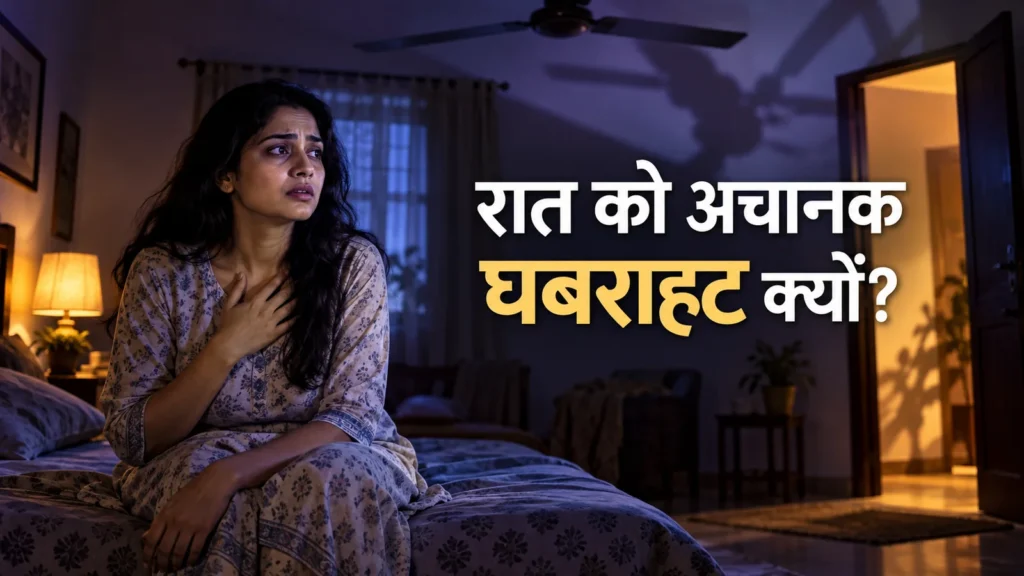
The room is quiet, but your body feels in danger
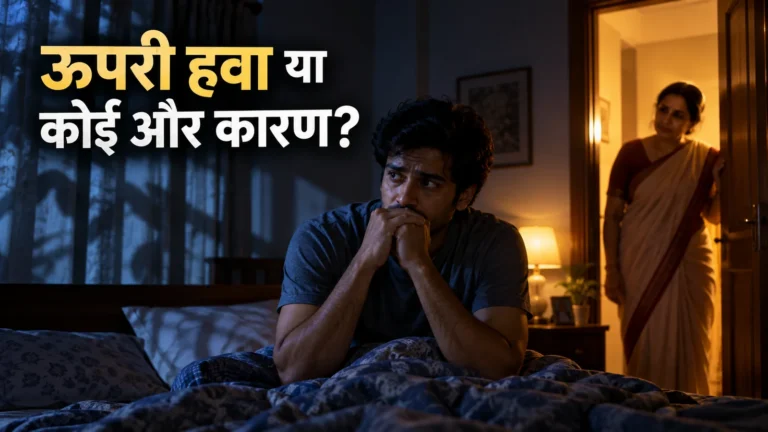
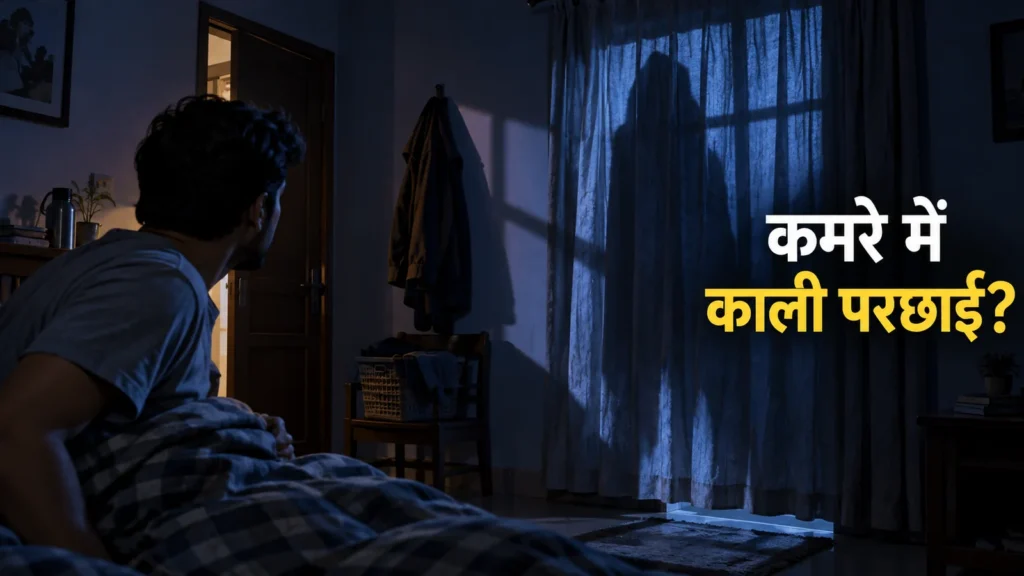
Consider this illustrative scene: you wake with a pounding heart, sweat on your forehead and an overwhelming sense that something terrible is about to happen. There is no obvious threat in the room. A family member calls it a supernatural presence, and the fear grows. The first need is a safe response, not a debate.
Sudden anxiety at night can include panic-like symptoms, but other health problems can produce overlapping sensations. Neither “a spirit caused it” nor “it is only anxiety” is a reliable conclusion without considering the symptoms and circumstances.
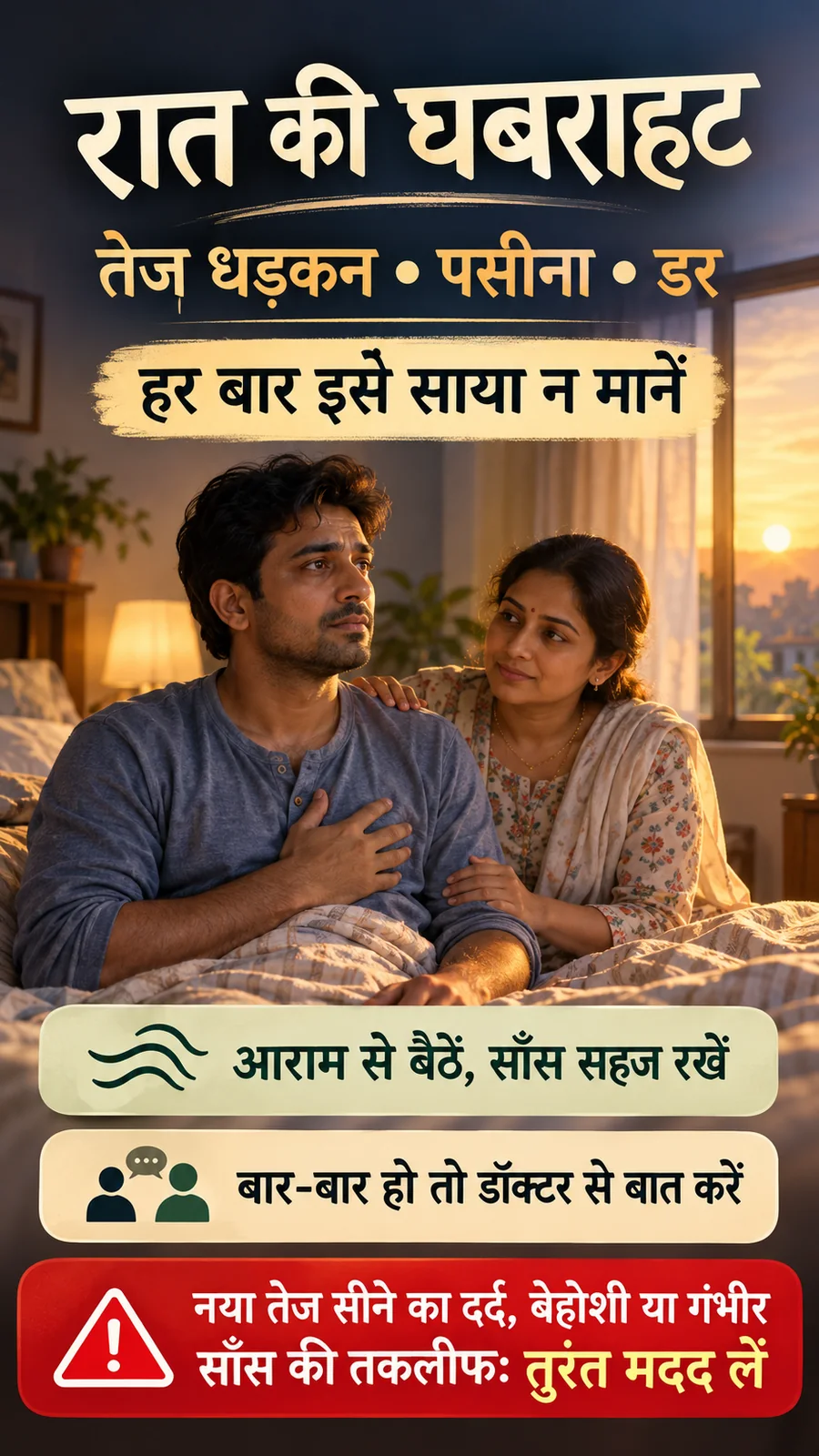
New or severe chest pain, serious breathing difficulty, fainting or unusual weakness needs urgent medical assessment. Do not delay that assessment while trying a calming exercise. In India, use 112 or a nearby emergency department for an emergency.
What a panic attack can feel like
A panic attack can involve a sudden surge of fear together with palpitations, trembling, sweating, dizziness, nausea or breathlessness. People may feel that they are losing control or facing imminent disaster. Those symptoms alone do not diagnose panic disorder.
A household alarm is a useful comparison: a loud signal tells you to pay attention, but its cause still needs checking. The body’s fear response can sometimes activate without an obvious outside threat. This comparison explains an idea; it cannot establish the cause of your own symptoms.
Take the experience seriously even when its cause is not clear. Calling someone dramatic, weak or insufficiently faithful is unlikely to help them explain what happened. A medical description should create a route to support, not become another frightening label.
Different reasons for waking frightened need different questions
Fear after a nightmare, a sleep-transition experience, breathing disruption and a panic-like episode can look similar from the outside. Ask whether a dream was remembered, movement was briefly impossible, or someone heard snoring and gasping. Bring those observations to a clinician.
Medication, substance use or changes in use, and physical health conditions can be relevant to assessment. A clinician may consider history, examination and tests as needed. Do not select a diagnosis from a list of heart, thyroid or anxiety symptoms on the internet.
Stress is worth discussing, but it is not an explanation that automatically covers every physical complaint. Say clearly when the episode is a first occurrence or differs from previous ones. The fact that a symptom occurs at night does not prove a supernatural cause.
FACT: one attack is not the same as panic disorder
A person can have a panic attack without meeting the criteria for panic disorder. A professional assessment considers repeated unexpected attacks, ongoing concern about recurrence and changes in daily behaviour, among other factors.
Careful language such as “may be associated with” protects the reader from a diagnosis made without an examination. It should not be used to dismiss the problem either. Chest pain and breathlessness still need the response appropriate to their severity and context.
Source: NIMH: Panic disorder
Practical steps when there are no emergency warning signs
Sit somewhere safe and comfortable, loosen restrictive clothing if necessary and tell a trusted person what is happening. Aim for gentle, unforced breathing. Avoid repeatedly gulping large breaths, holding your breath to meet a target or breathing into a paper bag as a home treatment.
If comfortable, breathe gently through the nose and out through the mouth. Counting is optional; stop using a counting pattern if it increases discomfort. Get help if symptoms persist or attention to breathing makes them worse. A calming technique cannot replace assessment.
You can also notice ordinary things around you: contact with the chair, the room’s light or the voice of someone sitting nearby. This may help you settle without offering a guaranteed cure. Avoid unknown medicines, frightening rituals or endless symptom searching while still distressed.
Prepare a short record and ask the family for useful support
Write down roughly when the episode began, what you felt, whether you recall a dream, when you felt better and whether someone noticed snoring or breathing pauses. Estimates are acceptable. You do not need to run a stopwatch during a frightening experience.
Note sleep, caffeine, prescribed medicines and recent changes. A short record helps you explain the event at an appointment. If repeated pulse-checking or searching for diagnoses increases your fear, discuss that pattern too.
A helpful family response is: “Let us check whether you need urgent help, then work out the cause.” Arguments, coercive rituals, hitting or humiliation can make someone less willing to share future symptoms. Respecting a person does not require accepting an untested explanation.
Questions to bring to a medical appointment
Try describing the event in ordinary words: “I woke with a racing heart and fear, and it affected my ability to settle afterward.” Include what was unusual for you, whether it has happened before and any continuing symptoms. Avoid copying a diagnosis from a search result into your account as if it were established.
Ask what possible causes need checking, whether any tests are appropriate and what symptoms should prompt urgent help next time. If treatment is proposed, ask what improvement to expect, how follow-up works and who to contact if the plan is not helping. A written plan can be easier to remember than an anxious conversation.
If family members are concerned about supernatural causes, ask them to help with the appointment and the symptom record. They do not need to win an argument to be useful. Their role can be practical: accompanying you, listening and helping you follow a plan agreed with your clinician.
Advice: when to seek medical and psychological support
See a primary-care clinician when episodes repeat, fear interferes with sleep or daily activities become difficult. Depending on the assessment, support may involve a mental-health professional or sleep specialist. Choose the next step from the symptom pattern rather than from a frightening nickname.
Panic disorder can be treated with psychotherapy, medication or both. Approaches such as CBT address patterns of fear, thought and behaviour. Do not borrow someone else’s tablets or abruptly stop your prescribed medicine after reading an article.
A simple explanation is enough to begin: “At night I feel frightened and my heart races. I want to understand why.” Harmless faith practices may offer comfort, but they do not identify the cause. Safe assessment, follow-up and supportive family conversations are practical starting points.
Frequently asked questions
Is nighttime panic evidence of a supernatural presence?
No symptom described here establishes that explanation. Panic and other medical possibilities need appropriate assessment.
Can panic happen without an obvious trigger?
Some attacks occur without a clear immediate trigger. That alone does not diagnose panic disorder.
Is chest pain always anxiety?
No. New, severe or unusual chest pain, especially with breathlessness or fainting, needs urgent help.
Are breathing exercises a treatment substitute?
No. Gentle breathing may help with settling, but does not replace emergency care, assessment or ongoing treatment.
Does psychological help mean I am weak?
No. It is a practical way to understand distress and its effects on sleep and daily life.
Related reading
Cannot Move in Your Sleep and Feel Pressure on Your Chest: Sleep Paralysis Explained
Waking Up Gasping or Choking in Your Sleep: Causes and When to Get Help
Hearing Your Name Called at Night: Sleep Experiences and What to Do
Why Do Deceased Loved Ones Keep Appearing in Dreams? Grief, Memory and Fear
Sources and review
Information reviewed: 14 October 2026. The opening scene is illustrative, not a reported case.
NHS: Breathing exercises for stress
NHS: When breathlessness needs urgent help
This is general information, not an individual diagnosis or treatment. Seek professional help for severe or persistent symptoms.