Understanding Stress and Anxiety
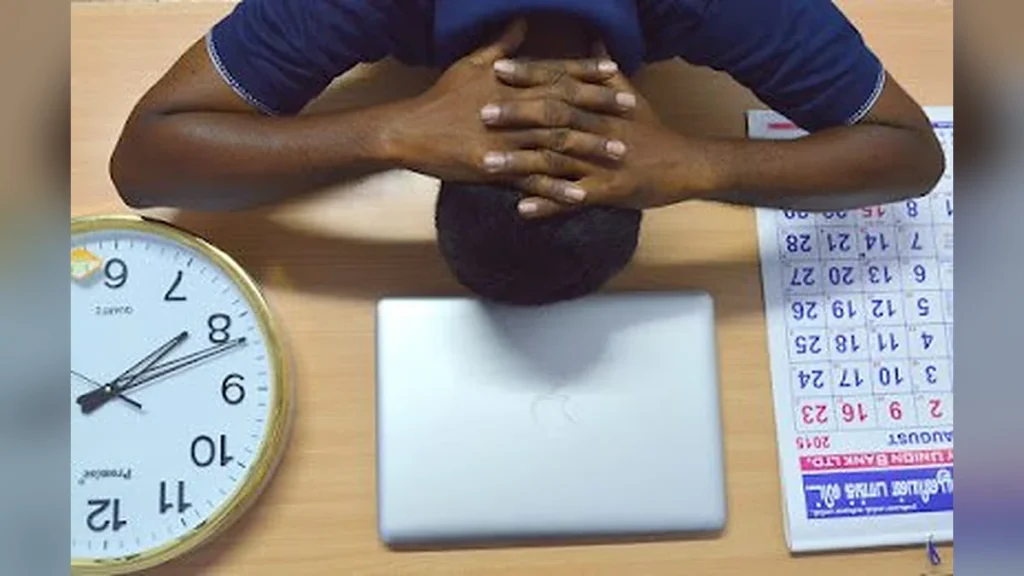
In the hustle and bustle of modern life, it’s common to ask, “How to stop anxiety and stress?” Whether it’s pressure from work, career worries, or personal life complications, stress seems to have enveloped our lives. Sometimes, unexplained nervousness, a racing heart, sweating, and constant negative thinking become part of our daily routine. If you’re struggling with these issues, know that you’re not alone. Depression and anxiety can be like termites, hollowing us out from within. The good news is that by adopting simple, practical habits, we can effectively manage and overcome this mental stress.
Stress doesn’t arise from having too much to do, but from how we manage that work.
Common Causes and Symptoms of Stress
Before diving into solutions, it’s crucial to understand why stress occurs. When our brain perceives a situation as a threat, the body enters a ‘Fight or Flight’ mode. Common symptoms include:
- Increased irritability or anger over minor issues.
- Difficulty sleeping and persistent overthinking.
- Feeling constantly fatigued and weak.
- Inability to focus on tasks.
Warning: Many people ignore stress, mistaking it for simple tiredness. If you consistently feel exhausted, recognizing the serious signs of burnout is essential.
13 Powerful Tips to Reduce Stress and Anxiety

If you genuinely wish to calm your mind, incorporate the following tips into your daily life. Let’s explore some of the most impactful strategies:
1. Practice Daily Meditation (10 Minutes)
Meditation is a powerful tool for calming the mind. When stressed, our minds race with thousands of thoughts. Meditation helps slow down this mental chatter. You don’t need hours; just sit in a quiet place, close your eyes, and focus on your breath for at least 10 minutes daily.
Pro Tip: Don’t worry if random thoughts intrude during meditation; this is normal initially. Focusing on your breath can help manage this.
2. Embrace Deep Breathing Techniques
Whenever you feel sudden panic or anxiety, resort to deep breathing. Inhale slowly and deeply, then exhale. This ensures proper oxygen flow to your brain, signaling safety, normalizing your heart rate, and reducing stress levels.
3. Cultivate Mindfulness
We often dwell on past regrets or future worries. Mindfulness means living in the present moment. Pay attention to your senses—what you’re wearing, what you’re saying, the taste of your food. Focusing on your body and the present moment naturally pushes away unnecessary future anxieties.
Note: If you experience significant anxiety in social situations, it might be Social Anxiety Disorder and warrants attention.
4. Prioritize Joy and Happiness
Happiness is a journey, not a destination. When stressed, we tend to isolate ourselves. Get out, watch movies, meet friends, and engage in activities that bring you joy. Laughter releases endorphins, natural stress relievers.
5. Listen to Soothing Music
Music therapy is a scientifically proven stress reliever. When anxiety escalates, opt for slow, melodious music like Lo-Fi, classical, or instrumental pieces. Loud music can be agitating, so choose calming tunes to lower blood pressure and relax your nerves.
6. Curate Your Digital Environment
We spend a lot of time on our phones. If your feed is filled with negative news or sad quotes, it impacts your mood. Set a positive wallpaper, perhaps of nature or something inspiring. Consider a digital detox in the evenings to unwind.
7. Spend Quality Time with Loved Ones
Loneliness is a major contributor to depression. Connect with family and friends. Share your problems; talking about them can significantly lighten your mental load. The support of loved ones is a powerful antidote to stress.
8. Make Yoga and Exercise a Routine
Physical activity is vital for mental well-being. When we are inactive, both body and mind can become sluggish, paving the way for depression. Incorporate at least 30 minutes of exercise daily, whether it’s walking, running, or simple stretching. Sweating releases toxins and boosts mood-enhancing neurotransmitters like dopamine.
Warning: Sleeping late can lead to a sluggish day. Waking up early can significantly improve productivity and energy levels.
9. Dance It Out!
Dancing is a fun and effective way to release stress. Put on your favorite music and dance freely, without worrying about perfect steps. It’s a great mood booster and a good cardiovascular workout.
10. Distance Yourself from Negative People
Avoid individuals who constantly complain or criticize. These ‘toxic’ people can drain your energy and fill you with negativity. Remember, you are influenced by the people you spend the most time with. Keep your social circle positive.
11. Avoid Interfering in Others’ Affairs
Much of our stress comes from unnecessary involvement in others’ lives. Focus on your own growth and goals. Letting go of the need to pry into others’ business can significantly reduce your stress levels.
12. Steer Clear of Pointless Debates
Avoid getting drawn into heated arguments about topics like politics or sports, especially with friends. These debates often raise blood pressure and strain relationships without any real benefit.
13. Improve Your Diet
Your gut health is closely linked to your mental health. Reduce intake of junk food, excessive oil, salt, and sugar. Opt for a balanced, nutritious diet. Ensure adequate intake of Vitamin B12, found in dairy, eggs, and other sources, which is crucial for mental clarity.
Caution: Relying on alcohol or substances to cope with stress is detrimental and does not solve the underlying issues.
Practical Advice for a Calmer Mind
Depression, anxiety, and stress are often byproducts of our lifestyle and thought patterns. Here are three key takeaways:
- Dismiss Health Worries: Avoid self-diagnosing serious illnesses based on minor symptoms found online.
- Prioritize Sleep: Aim for 7-8 hours of quality sleep nightly. Overthinking or excessive screen time before bed can disrupt sleep and negatively impact your day.
- Implement the Rule of 7: Consistently practice at least 7 of the tips mentioned above, and you’ll likely see a significant reduction in stress and a happier outlook.
Frequently Asked Questions (FAQs)
Q1: How can I reduce stress immediately?
For immediate stress relief, practice deep breathing, drink a glass of cool water, sit quietly for 5 minutes with your eyes closed, or listen to calming music.
Q2: Does overthinking cause anxiety?
Yes, excessive rumination, especially on negative topics, can increase cortisol levels, leading to anxiety. Keeping yourself busy and practicing mindfulness can help manage overthinking.
Q3: What are the early signs of depression?
Early signs include loss of interest in activities, persistent sadness, changes in appetite or sleep patterns, unexplained crying spells, and social withdrawal.
Q4: Does diet affect mental health?
Absolutely. A diet high in sugar, processed foods, and caffeine can negatively impact mental well-being. Nutrients like Vitamin B12 and Omega-3 fatty acids, along with a balanced diet, support brain health.
Q5: What is the best way to achieve mental peace?
The best ways to achieve mental peace include practicing mindfulness, regular meditation, and letting go of unrealistic expectations from others. Make time for yourself and practice self-compassion.
By adopting these simple habits, you can effectively manage stress and anxiety, leading to a more peaceful and fulfilling life. If you have further questions or concerns, feel free to share them in the comments below.