What is an ABCD English Alphabet Chart for Kids?
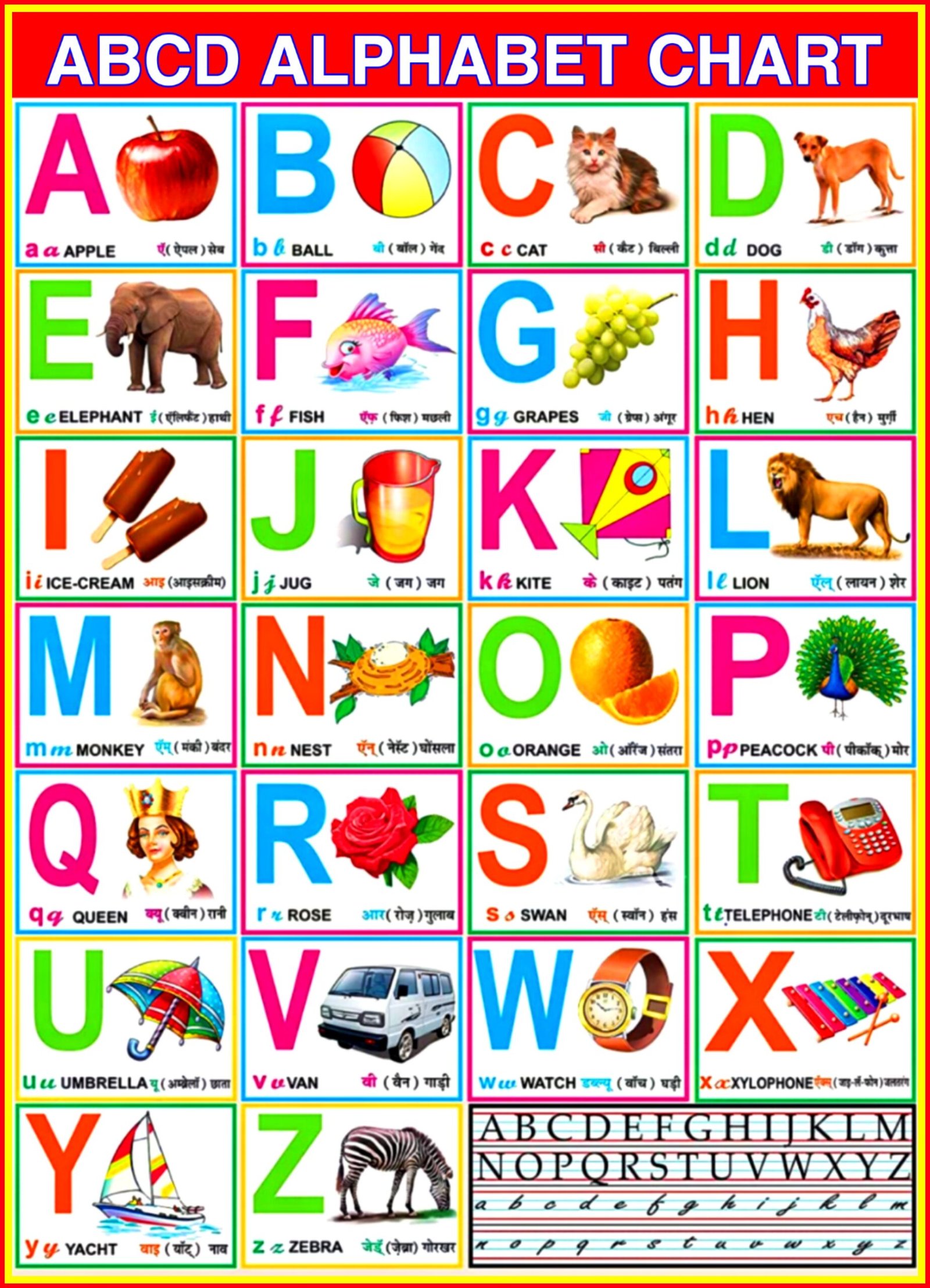
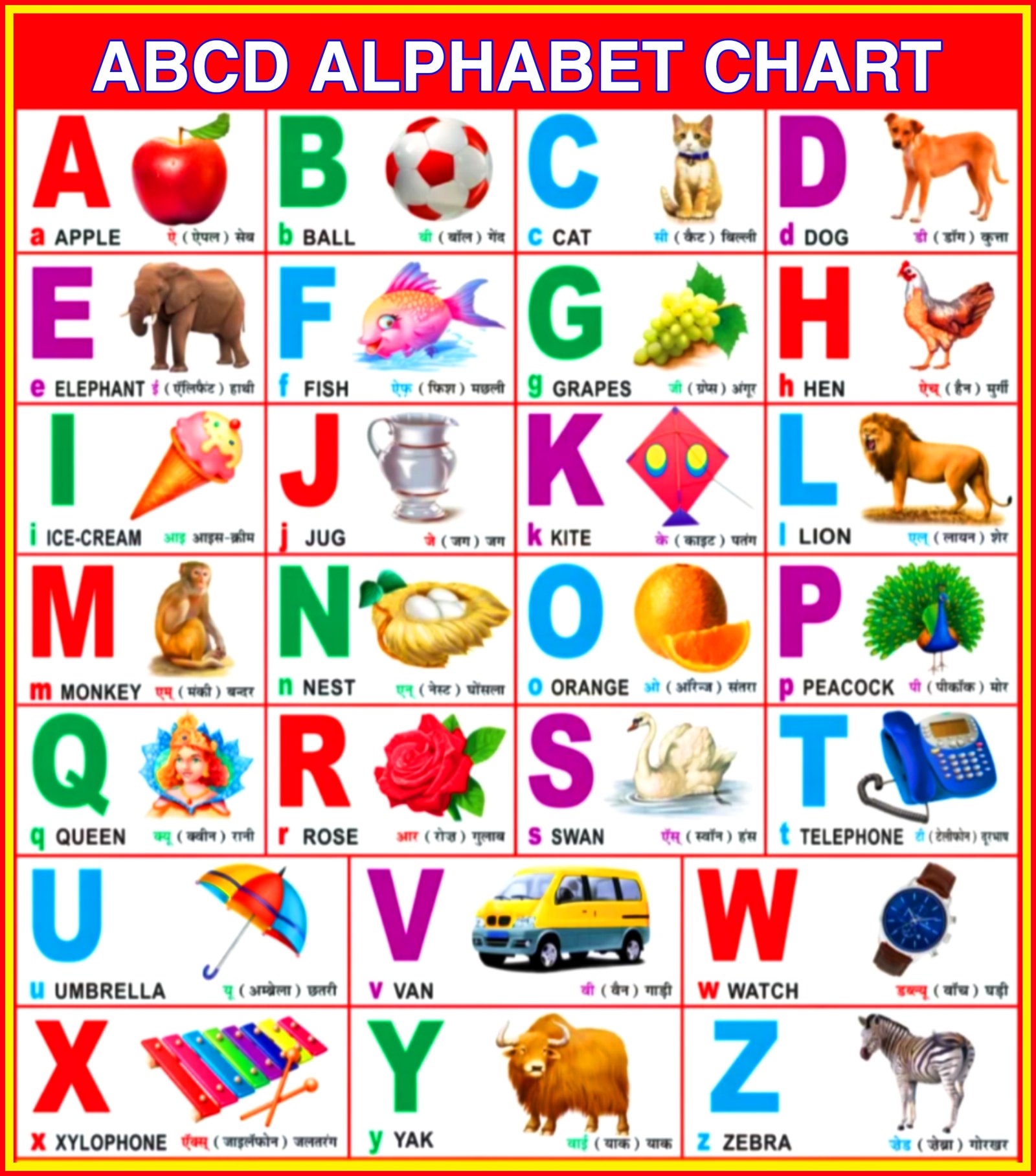
An ABCD English Alphabet Chart for kids is a visual learning tool designed to help young children learn the English alphabet. These charts typically display the letters from A to Z, often accompanied by corresponding images and words (e.g., ‘A for Apple’, ‘B for Ball’). They are usually colorful and engaging to capture a child’s attention, making the learning process enjoyable and effective.
Benefits of Using an ABCD Chart for Early Learning
Introducing children to the alphabet early on is crucial for their academic development. A well-designed ABCD chart offers several advantages:
1. Enhanced Learning Speed
Children, especially those in the 2-6 age range, are highly receptive to visual stimuli. Unlike traditional books, which can sometimes be perceived as monotonous, a vibrant alphabet chart displayed in their learning space can turn learning into a playful activity. This constant exposure aids in faster comprehension and retention.
2. Improved Memory and Recognition
The combination of letters with familiar objects and their names strengthens a child’s memory. Seeing ‘C for Cat’ with a picture of a cat helps children not only recognize the letter ‘C’ but also associate it with the word and its visual representation, leading to better recall.
3. Clear Pronunciation Guidance
When parents or educators use the chart to teach, pointing to each letter and its associated word while enunciating clearly, it helps children develop correct pronunciation from the start. This interactive method ensures that they learn to say the letter sounds and names accurately.
How to Download and Use Your Free ABCD Alphabet Chart
Finding a clear, high-resolution ABCD chart can sometimes be a challenge, as many online versions appear pixelated when printed. We provide high-definition images that can be easily downloaded and printed in various sizes, from A4 to larger poster formats (like A3), without losing quality.
For Mobile Users:
- Browse the available charts.
- Long-press on the desired chart image for about 2 seconds.
- Select ‘Download Image’ or ‘Save to Gallery’ from the options that appear.
For Desktop/Laptop Users:
- Hover your mouse cursor over the chart image.
- Right-click on the image.
- Choose ‘Save Image As…’ and select a folder on your device to save the file.
Once downloaded, you can print the chart in color. Laminating it can increase its durability, making it a long-lasting learning resource for your child’s room or study area.
Frequently Asked Questions (FAQs)
Q1. At what age should children start learning with an ABCD chart?
The ideal age range for using an ABCD Alphabet chart is typically between 2 and 6 years old. During these formative years, children’s minds are highly absorbent, making them adept at quickly grasping new information, shapes, and sounds.
Q2. Can I print the ABCD chart in a large poster size?
Yes, absolutely. The provided images are of very high definition. You can print them in standard sizes like A4 or even larger poster formats such as A3 without any loss of clarity or pixelation. This makes them suitable for classroom walls or children’s bedrooms.
Q3. How can I help my child memorize the ABCD’s quickly?
To accelerate memorization, print a good quality copy of the chart and consider laminating it for longevity. Place it in your child’s study area. Dedicate 5-10 minutes, twice a day, to sit with your child and point to each letter, encouraging them to say ‘A for Apple’, ‘B for Ball’ aloud. Consistent, short sessions are often more effective than long, infrequent ones.
Q4. What comes after learning the ABCD’s?
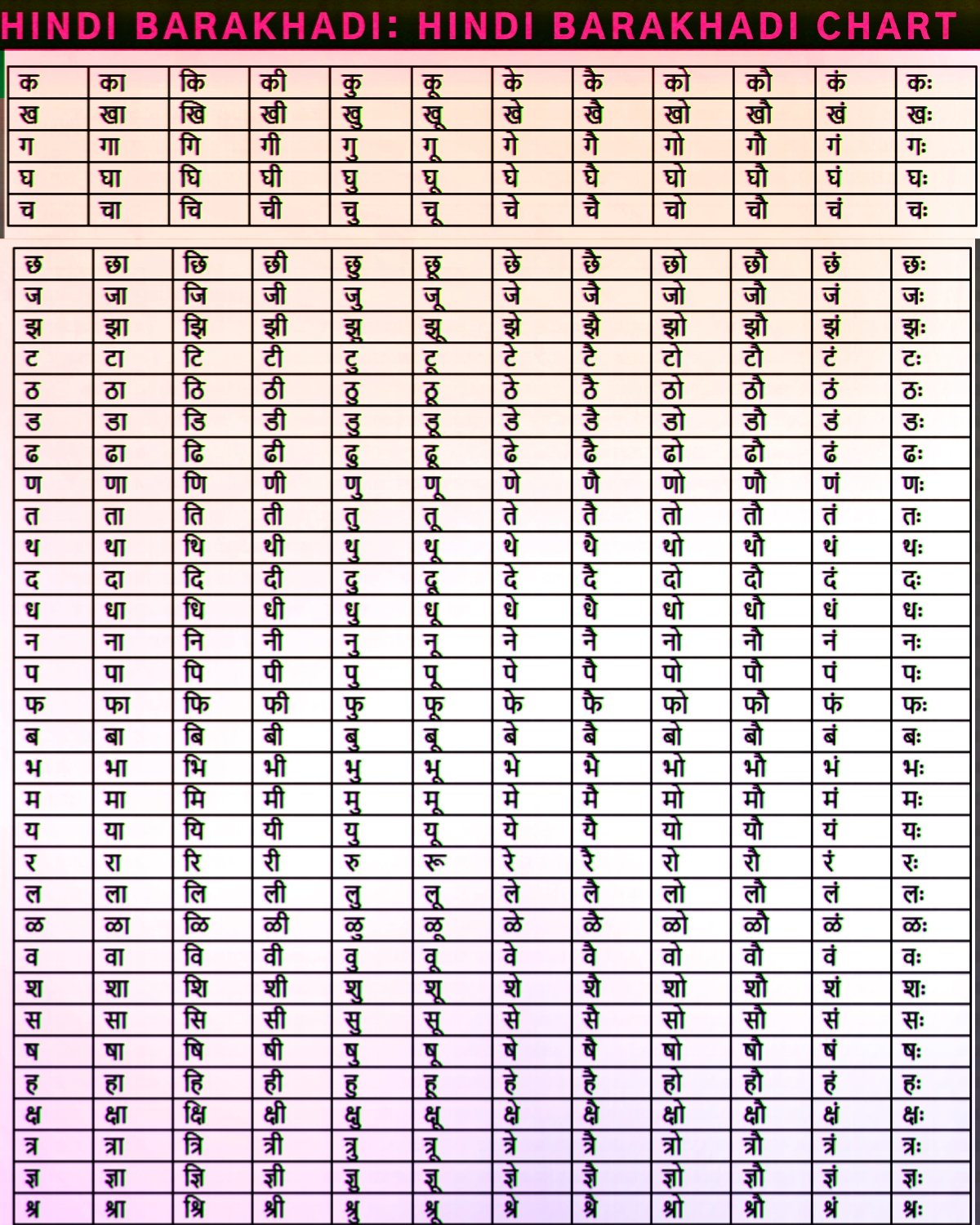
After mastering the basic alphabet, the next logical step is often learning phonics, sight words, and basic sentence construction. For children learning to read in regional Indian languages alongside English, a ‘Barakhadi’ chart (combining Hindi vowels and consonants with English equivalents) can be a very useful transitional tool.
Q5. Are these charts suitable for children preparing for school admissions?
Yes, these charts are excellent resources for children preparing for admission to English-medium schools. Basic knowledge of the alphabet is often a prerequisite, and these charts provide a fun, effective way to build that foundational skill.
We hope this free ABCD English Alphabet Chart serves as a strong foundation for your child’s educational journey. Learning through play is one of the most effective methods for young learners. Explore our other articles for more colorful educational charts and resources!





आपकी राय क्या है?
इस पोस्ट पर राय अभी बंद हैं।