 Vista

Branches from a neighbour’s tree over your roof, courtyard or field, falling leaves, or roots damaging your wall are a common headache. Indian court rulings have treated overhanging branches as a nuisance, but you must handle the trimming the right way.
What the law says
Several rulings say a tree owner has no right to let branches spread over a neighbour’s land, and years of overhanging do not create such a right. One judgment states the affected owner may cut the overhanging part without entering the neighbour’s land, and may also ask the tree owner to remove it.
The safe way, step by step
- Talk to the neighbour calmly and ask them to cut the branches.
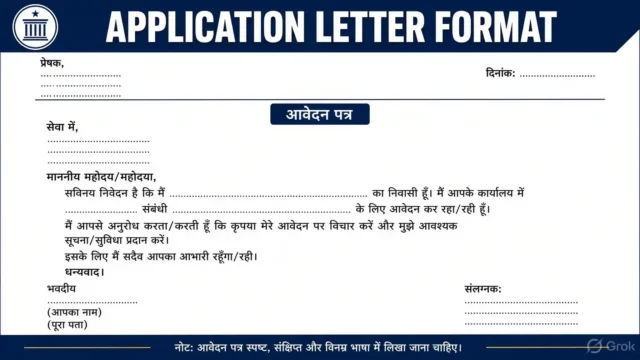
- If they refuse, send a written notice and keep a copy.
- Take dated photos or videos of the branches and the damage.
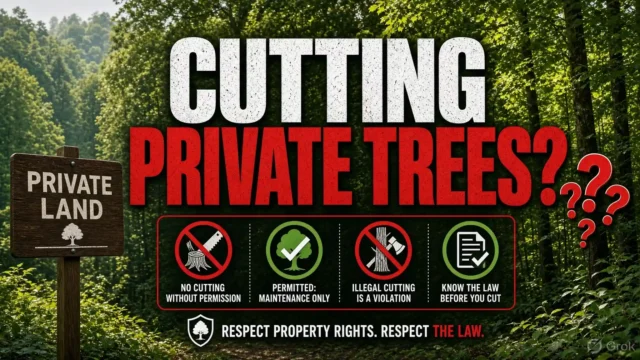
- Trim only the portion that is over your own land. Do not step onto the neighbour’s land or cut the trunk.
- For a large or risky tree, check local tree-cutting rules with your municipality or forest/garden department first.
- If the damage is serious or the neighbour will not cooperate, a civil suit for removal of the branches and compensation can be filed through a lawyer.
Cautions
- Many places require permission to fell or heavily prune certain trees, so check your local rules.
- Never poison or deliberately kill the tree.
- Cut branches may be treated as the tree owner’s property, so offering them back avoids a fight.
- If a tree looks ready to fall, inform the municipality in writing at once.
Draft your notice with the draft generator. For other neighbour problems, see leakage, noise and CCTV and our where-to-complain directory.
Frequently asked questions
Who owns fruit that falls on my land?
Views and local customs differ, so settle it by mutual agreement to avoid a quarrel.
What if roots are damaging my wall?
Courts have treated invading roots as a nuisance too. Send a notice, keep proof of damage and consult a lawyer before acting.
What if the tree is considered sacred?
Talking it out is best. Legally, belief alone does not give anyone a right over the neighbour’s land, but a negotiated solution is usually better in such cases.
This is general information, not legal advice. Local tree protection rules vary. Check with a local lawyer or your municipality before acting.
Also read: Neighbour Built a Boundary Wall on My Land in India: Demarcation, Complaint and Court Options | Neighbour’s Drain Water Flowing to My Door in India: Where to Complain and Legal Options
Sources
- High Court judgments on Indian Kanoon: overhanging branches and nuisance
- SupremeToday: Nuisance due to overhanging of branches of trees
- Kaanoon: Whom to complain about property line tree disputes
- Indian Easements Act, 1882




















Share Your Opinion
Comments are closed on this post.