 Vista
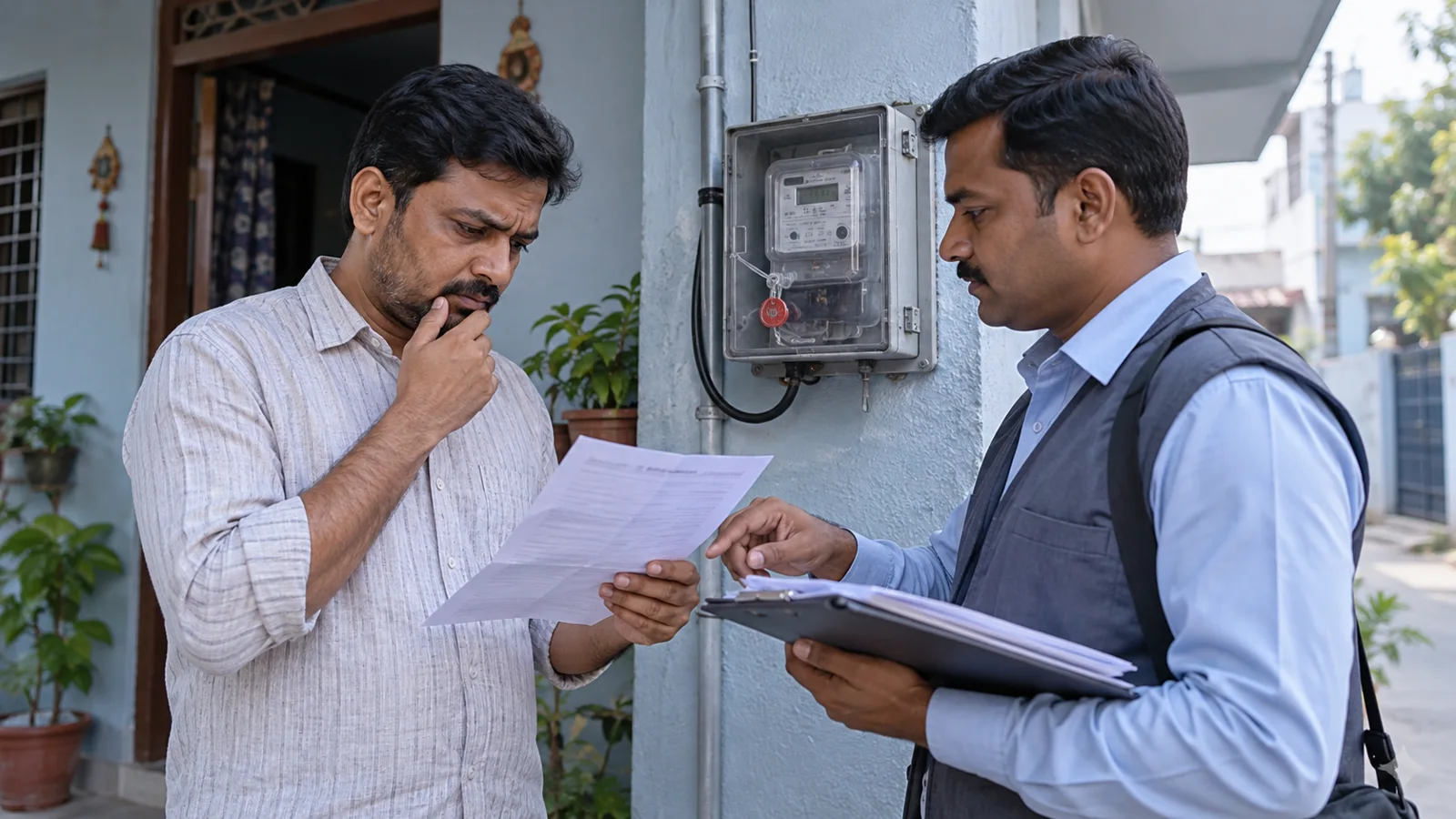
Many people pay whatever the electricity department demands as soon as a theft notice arrives. That can backfire. First work out which section the notice relies on, because Section 135 (theft) and Section 126 (unauthorised use) follow different processes.
Section 135 versus Section 126
| Point | Section 126 (unauthorised use) | Section 135 (theft) |
|---|---|---|
| Nature | Use beyond sanctioned terms, such as extra load or a different purpose | An offence, such as meter tampering or a direct connection |
| Action | Provisional assessment, then a final order | Criminal case and penalties, with a compounding option |
| Objection and appeal | Objection under Section 126(3), appeal against the final order under Section 127 | Trial in court, or settlement under Section 152 |
Courts have described the two sections as operating in different fields, though disputes about overlap are common. A state distribution company circular also describes the Section 135 offence as cognizable and non-bailable. Take the notice seriously.
What to do when the notice arrives
- Read which section is cited, the inspection date and the amount claimed.
- Ask in writing for the inspection report, meter test report and photographs.
- If it is a Section 126 provisional assessment, file a written objection within the time given and ask for a hearing.
- Gather your bills, sanctioned load papers and past meter readings.
- Do not sign under pressure or pay immediately without knowing what the payment is for.
- Consult a lawyer, particularly for a Section 135 notice.
What compounding means
Section 152 allows an electricity theft offence to be settled by paying a compounding fee. Some court rulings say that paying only the Section 126 assessment does not end a criminal case unless the compounding fee is separately paid. So check what each payment covers and what the receipt says. Amounts and procedure vary by state and distribution company.
See also how to respond to a legal notice, and our directory of where to complain in India.
Frequently asked questions
Can the connection be cut straight away?
The law provides for inspection and disconnection. Ask your distribution company and a lawyer about the process in your case.
What if the notice is about a faulty meter reading?
Ask for meter testing and past bills. This may be a different matter from theft.
Where can I complain?
Start with the company grievance forum, then the state electricity regulatory commission or court. Confirm the right forum with a lawyer.
This is general information, not legal advice. An electricity theft notice can be serious, so consult a lawyer as soon as you receive one.
Also read: Electric Line Passing Over Your House in India: How to Apply for Shifting and Complain | How Many Days Does a New Electricity Connection Take in India? Timelines, Application and Delay Complaint
Sources
- Electricity Act, 2003, Sections 126, 127, 135 and 152
- Supreme Court and High Court judgments on Sections 126 and 135, including Executive Engineer v. Seetaram Rice Mill, (2012) 2 SCC 108
- MSEDCL (Mahadiscom) Commercial Circular 132 on Section 135 and FIR procedure
- High Court rulings on Sections 126, 135 and 152 (Indian Kanoon)


















Share Your Opinion
Comments are closed on this post.