 Vista
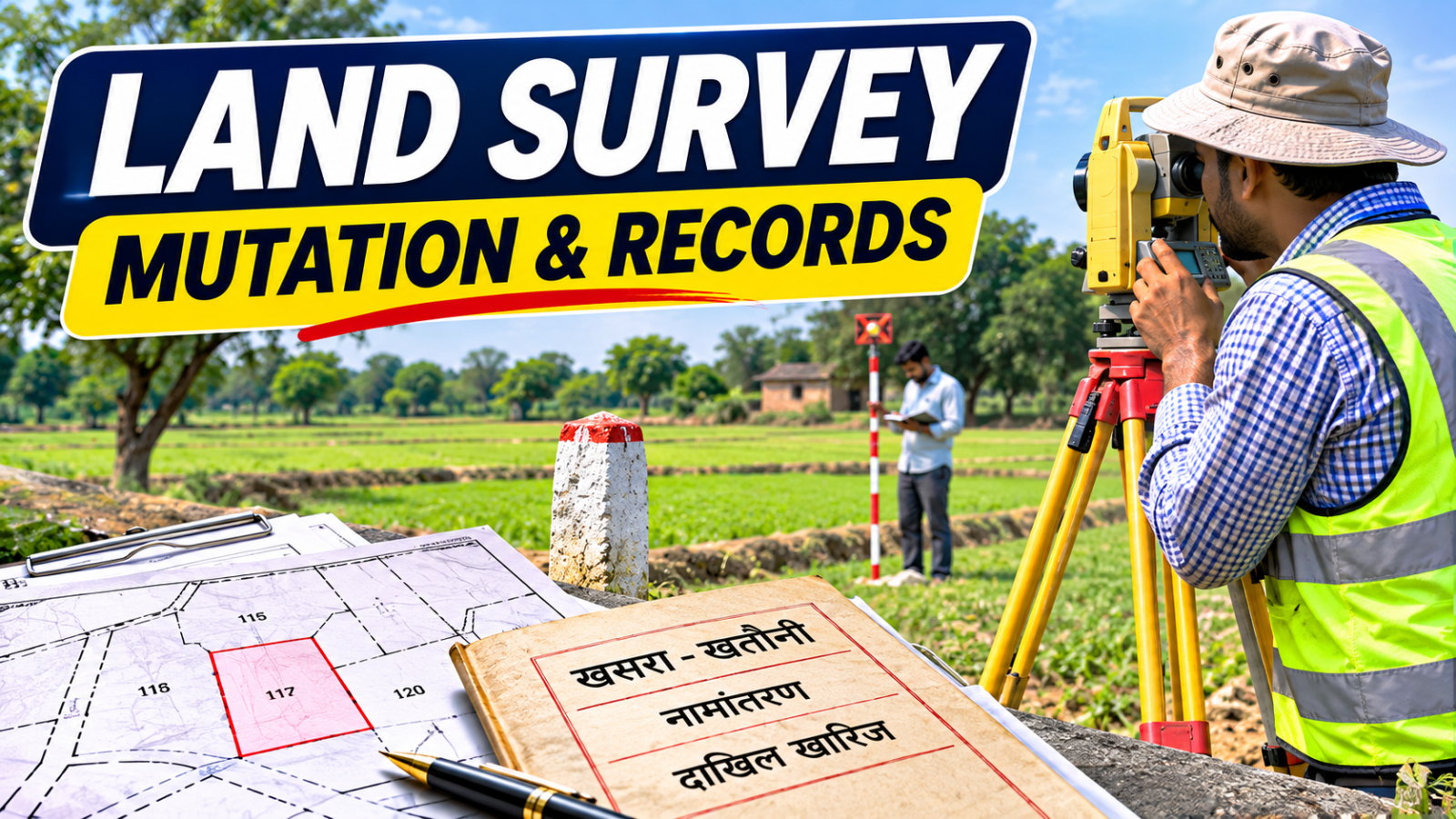
Many people assume that once the registry or will is in hand everything is settled, and leave mutation (dakhil kharij or namantaran) for later. Years on, that delay often turns into a problem. First, be clear on what mutation is and is not.
What mutation is, and what it is not

Mutation records a change in ownership or possession in the revenue register (khasra-khatauni or municipal records) after a sale, inheritance, gift or partition. The Supreme Court has repeatedly held that a mutation entry neither creates nor extinguishes title and is made for fiscal purposes, such as collecting land revenue. Title comes from documents like a registered sale deed, gift deed, partition deed, will or court decree.
Two things follow. Mutation alone does not make you the owner, so your title documents must be sound. And skipping mutation does not wipe out your rights, but it creates real practical difficulties.
Problems you may face without mutation
- The old owner stays on record. Land revenue or property tax bills and government notices keep coming in his or her name.
- Trouble when selling. Buyers and banks usually want to see your name in the records, so a deal can stall.
- Loan difficulty. A lender may ask for the record to show you as owner.
- Hurdles with schemes. Many schemes and services ask for your name in the land record, so benefits may be held up. This depends on each scheme’s conditions.
- Disputes and double-sale risk. With the old owner still on record, he or his heirs may try to sell the land again. See our post on property sold twice.
- Inheritance tangles. After an owner dies, delay adds heirs and generations, making consent harder to gather later. See property transfer after death: legal heir and succession steps if applicable.
How to fix it
- Check the current entry on your state’s land records portal or at the tehsil or municipal office.
- Gather the registry, will, partition papers or death certificate, as relevant.
- Apply for mutation at the tehsil or civic body. Process and measurement help is in land mutation and demarcation. Fees and timelines depend on the state.
- If someone objects, present your documents at the hearing. For a title dispute, the civil court decides, because a revenue officer’s mutation order does not settle ownership.
- To verify older records, use old khasra and land records and certified copies of old registry deeds.
If your file is stuck, use the where-to-complain directory.
Frequently asked questions
If my sale deed is registered, is mutation still needed?
Legal title flows from the registered deed, but having your name in the record matters in practice for sale, loans and services.
Can mutation be done on the basis of a will?
A December 2025 report says the Supreme Court held that mutation can be carried out on the basis of a will, though mutation still does not confer title. Ask a lawyer about your case.
Can an agreement to sell or power of attorney support mutation?
One source says the Supreme Court held that such transactions do not convey title and cannot found a mutation. A registered document is the safe route.
This is general information, not legal advice. Mutation rules, fees and timelines vary by state. Confirm with your tehsil office or a lawyer.
Also read: Can You Sell Government Patta Land in India? Collector Permission and Buyer Risks | Official Website to View Land Map (Bhu Naksha) Online: State-Wise Portal Directory for India
Sources
- Bar and Bench: Mutation entry in revenue records does not create or extinguish title (Supreme Court)
- LiveLaw (23 December 2025): mutation can be based on a will, but does not confer title
- Cyril Amarchand Mangaldas blog: Title in immovable property cannot be bestowed on basis of mutation entries (2021)
- TaxGuru: Supreme Court on mutation not conferring ownership
- Square Yards: Mutation no proof of ownership, says SC, why it is still important
- Right to Information wiki: Property mutation does not confer title in India






















Share Your Opinion
Comments are closed on this post.