 Vista
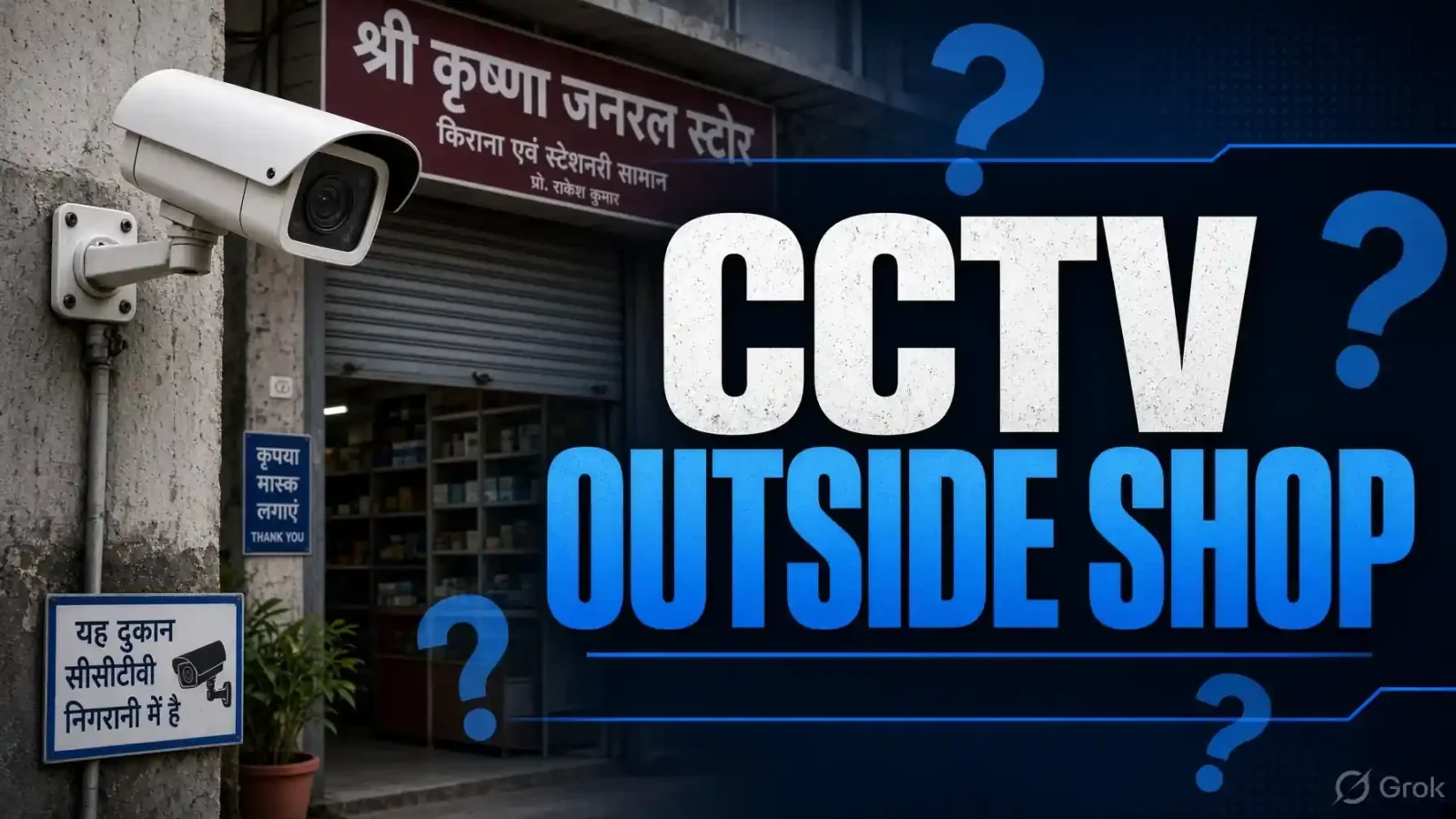
Cameras at the gate or shop front are common, until a neighbour objects. Broadly, protecting your own property with CCTV is usually fine, but the camera must not intrude on other people privacy.
What the law says
India has no single central law dedicated to private CCTV. The right to privacy is a fundamental right under Article 21, recognised in the Puttaswamy judgment, and courts apply a proportionality test: surveillance should be necessary, reasonable and for a legitimate purpose.
When it is generally fine
- Covering your own shop, gate or yard for security.
- Focus on your premises and entrance. A slice of the public road appearing in the frame is different from deliberately targeting someone.
- If you are the sole owner, cameras within your premises are generally acceptable.
When it can become a problem
- Pointing a camera at a neighbour window, balcony or courtyard.
- Recording bathrooms, bedrooms or changing areas, where capturing private acts is punishable.
- Installing cameras in the residential part of a shared home without co-occupant consent. The Calcutta High Court held this violates privacy, and the Supreme Court affirmed that view.
- Installing outside a flat without the housing society approval.
- Unnecessary zoom or audio recording.
Precautions before you install
- Place cameras only where needed and angle them away from neighbouring private areas.
- Put up a visible notice that CCTV is in use, especially at shops.
- Talk to neighbours or co-owners and get consent if there is any doubt.
- Delete old footage regularly unless needed for a legal matter.
- Never share footage on social media.
If a neighbour camera is troubling you, see how to complain about neighbour leakage, noise or CCTV privacy problems.
Frequently asked questions
Do I need police permission?
For an ordinary private or shop camera, separate permission is generally not described as required, but local, society or state rules may differ. Check locally.
Is CCTV footage valid evidence?
It can be, as an electronic record under the BSA 2023, subject to conditions such as the Section 63 certificate.
Should I record audio?
It is safer to keep audio off, since it adds privacy complications.
This is general information, not legal advice. For a dispute, consult a lawyer.
Also read: Tenant Police Verification in India: Is It Mandatory? Online Process and Documents | FIR vs NCR in India: What Is the Difference Under BNSS Sections 173 and 174?
Sources
- LiveLaw: Installing CCTV Cameras Inside Residential Portion Without Consent Violates Privacy, Calcutta High Court (Feb 2025)
- LiveLaw: Supreme Court Affirms Calcutta HC View on CCTV in Home
- Justice K.S. Puttaswamy (Retd.) v. Union of India, 2017
- LiveChennai: Installing CCTV Cameras at Home, Shop or Office? Legal Rules (Aug 2026)
- ApniLaw: Is it legal to record CCTV without consent in India






















Share Your Opinion
Comments are closed on this post.