 Vista
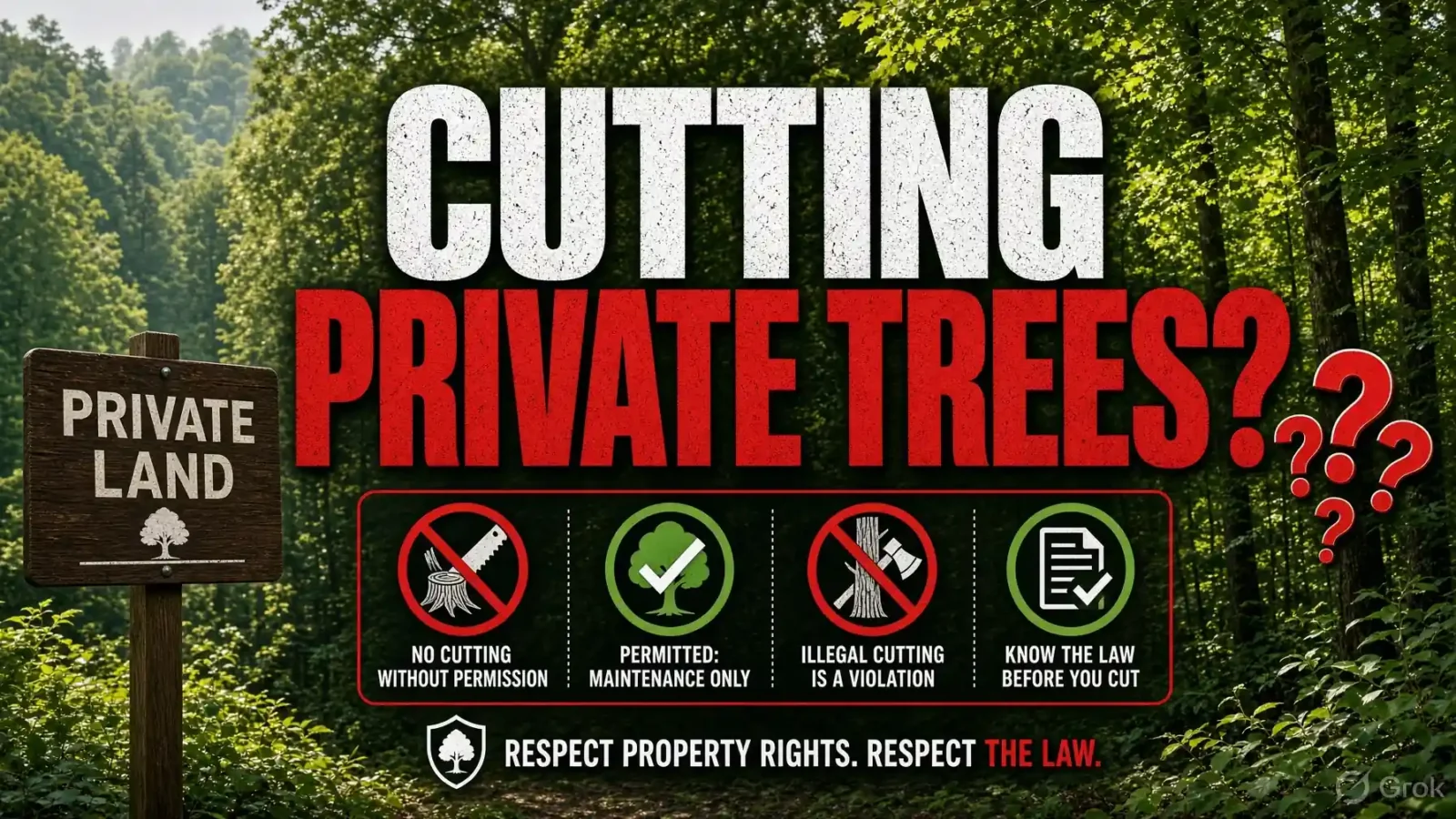
A tree standing on your land feels like yours to remove. In many states, though, even private trees may need permission, especially certain species and trees in urban areas. This guide uses Madhya Pradesh as the example.
The rules depend on state, species and location
There is no single national rule. The Environment Ministry 2014 guidelines encouraged states to drop felling and transit permission for many species grown on private land, but state tree preservation laws continue to apply in urban areas. So first check whether your land is urban or rural and what species the tree is.
How Madhya Pradesh handles it
- Urban areas: The Madhya Pradesh Vrikshon Ka Parirakshan (Nagariya Kshetra) Adhiniyam, 2001 requires permission from the Tree Officer. The application needs proof of ownership, and the Act provides that permission can be deemed granted if the officer does not decide in time.
- Rural areas: Revenue rules list specified trees. On bhumiswami land, felling those requires an application to the Collector. High Court orders show action taken even when a person cut trees on his own land without permission.
- Tribal land: The Adim Janjatiyon Ka Sanrakshan (Vrikshon Me Hit) Adhiniyam, 1999 applies separately.
Which species are specified is listed in the Act schedule, so confirm your tree species with the tehsil office.
Current High Court order
In a suo motu case on illegal tree felling near Bhopal, the Madhya Pradesh High Court directed, as an interim measure, that no tree be cut, pruned or transplanted in the State without prior permission of the NGT-constituted committee and the Tree Officer until the next hearing. This is interim and may change, so ask local authorities for the current position before acting.
Before you cut
- Ask the tehsil or forest office which rule applies to your land and species.
- Keep land records ready. Our guide to old khasra and khatauni records can help.
- File a written application in the prescribed form where permission is needed and keep the receipt.
- Follow any compensatory planting condition.
- Do not hand the tree to a contractor before permission arrives.
Risks of cutting without permission
Timber can be seized and a case can follow. Court orders include an example of action against an owner who cut trees on his own land without permission. How severe the action is depends on the species and the law that applies.
Frequently asked questions
Can I remove a dead or fallen tree?
Some laws treat completely dead, naturally fallen trees differently, but rules vary by state. Ask before acting.
Is pruning also restricted?
In urban areas pruning may need permission too. The interim High Court order mentions pruning.
Where do I get permission?
Typically the Tree Officer in urban areas and the tehsil or Collector office in rural areas. Confirm locally.
This is general information, not legal advice. Laws and court orders change. Confirm with the tehsil, forest department or a lawyer before cutting any tree.
Also read: Is Building Steps, a Ramp or Chabutra Outside Your House an Encroachment in India? | How to Object to a Liquor Shop Opening in Your Residential Area in India
Sources
- Madhya Pradesh Vrikshon Ka Parirakshan (Nagariya Kshetra) Adhiniyam, 2001 and Rules, 2002
- Madhya Pradesh High Court orders in WP 954/2026 and WP 17446/2024 (mphc.gov.in)
- SCC Online: Madhya Pradesh HC order on tree felling in Bhopal
- MoEF&CC: Guidelines for Felling and Transit of Tree Species on Private Land, 2014
- Madhya Pradesh High Court, Jabalpur: WP 462/2019 order on specified trees



















Share Your Opinion
Comments are closed on this post.