 Vista
What is Bohar Bhaji (Rasallo)?
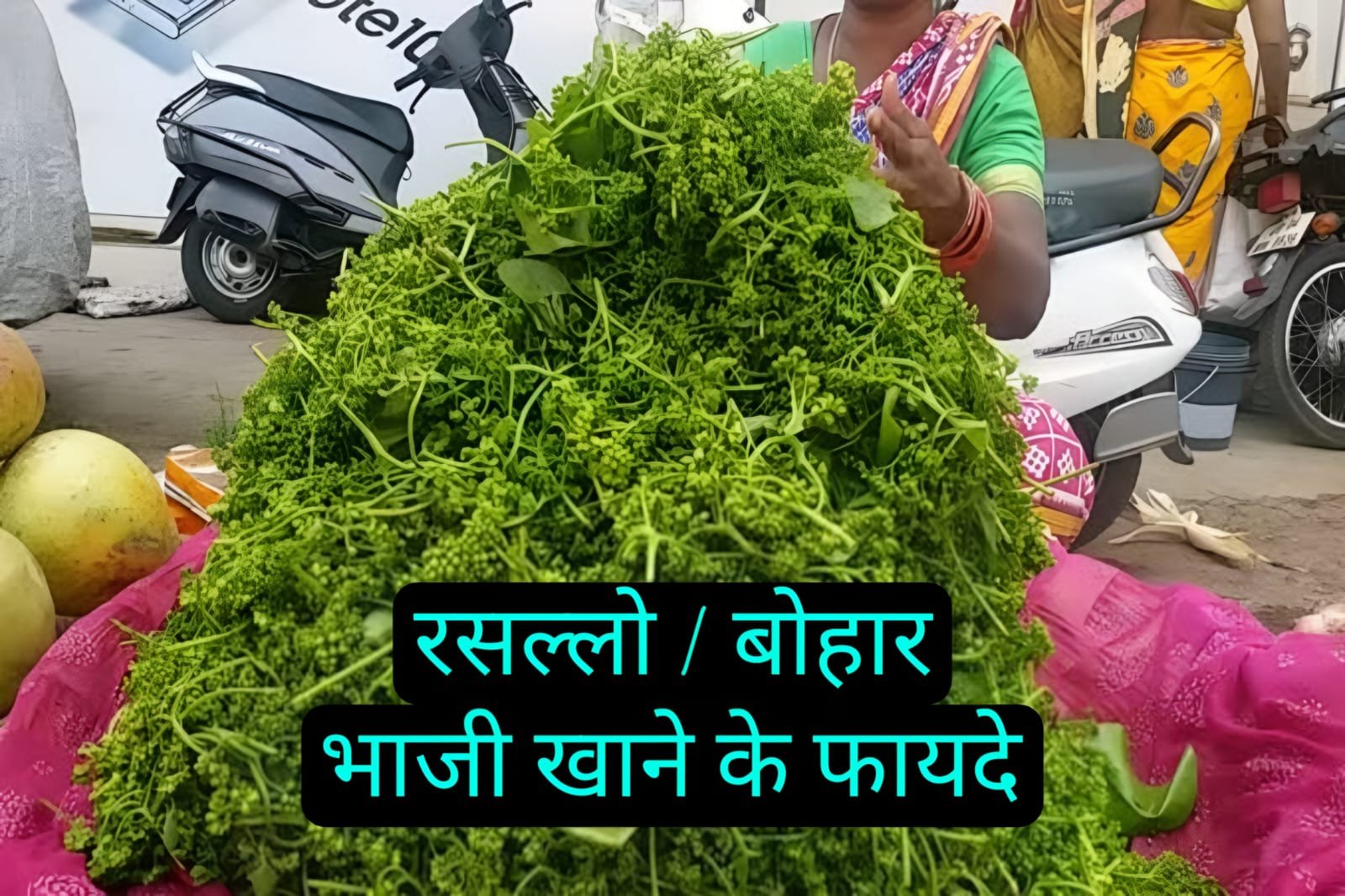
Bohar Bhaji, often referred to as Rasallo in parts of Madhya Pradesh and Chhattisgarh, is a traditional seasonal green vegetable. It consists of the tender, young shoots and buds of a specific tree, which appear in a round, clustered form resembling small pearls. These delicate greens are typically available during the warmer months and are prized for their unique, slightly astringent taste that transforms into a delicious flavour when cooked properly. Due to its short season and high demand, Bohar Bhaji can often be found at premium prices in local markets, sometimes ranging from ₹200 to ₹500 per kilogram. This price reflects its seasonality and limited availability rather than any inherent ‘superfood’ quality. It holds a significant place in the rich vegetable culture of Central India, alongside other popular greens like spinach, fenugreek, and amaranth.
Scientifically, Bohar Bhaji is often associated with Cordia dichotoma, a tree known by various English names such as Bird Lime Tree, Indian Cherry, or Glue Berry. In different regions of India, it might be called Lasoda, Gunda, or Bhokar. While the names may vary, the vegetable’s characteristic appearance and seasonal availability remain consistent.
Identifying and Sourcing Bohar Bhaji
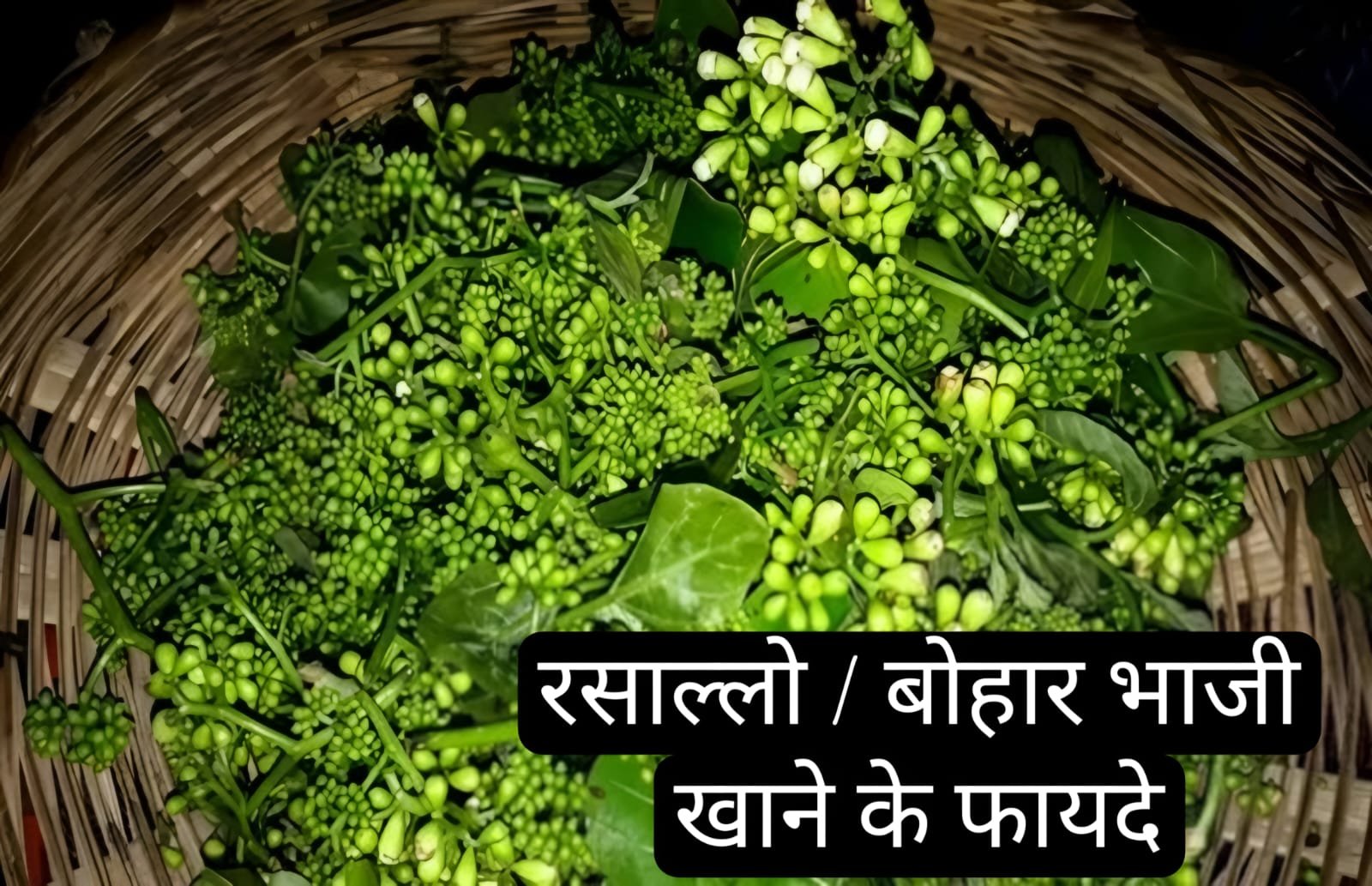
The confusion in names like “Rasallo kya hai”, “Bohar Bhaji benefits”, or “Lasoda Gunda Bhokar” highlights the regional diversity in naming conventions. In Central India, the tender shoots are known as Rasallo or Bohar Bhaji, while in Rajasthan and Gujarat, the term Lasoda or Gunda is more common. The tree yields flowers, buds, leaves, and fruits, each with its own traditional uses, from vegetables and pickles to folk remedies. The fruit, when ripe, is known to exude a sticky substance.
When purchasing Bohar Bhaji, look for fresh, vibrant green clusters with soft, tender shoots. Avoid any that appear wilted, dried, or show signs of decay. It’s crucial to wash the greens thoroughly to remove any dust or soil before cooking. For those trying it for the first time, starting with a small portion cooked at home is advisable to gauge personal tolerance and taste preference, rather than opting for a large serving at a restaurant.
Traditional Uses and Potential Benefits of Bohar Bhaji
The perceived benefits of Bohar Bhaji are largely rooted in traditional knowledge and home-based practices, rather than clinical studies. It’s important to approach these as folk wisdom and not as medical claims.
- Seasonal Variety: As spinach and fenugreek seasons end with the onset of summer, Bohar Bhaji offers a unique and refreshing taste to the palate, promoting dietary diversity.
- Nutrient Source: Like most green leafy vegetables, Bohar Bhaji typically contains dietary fiber and various micronutrients. The exact nutritional content can vary based on the specific batch and cooking method. Consuming it with minimal oil and spices can contribute to a lighter meal.
- Astringent Taste: The natural astringency of Bohar Bhaji is appreciated by some individuals, who report feeling a sense of lightness after consumption. This is a subjective experience, and individual digestive responses can differ. Overconsumption or preparation with excessive spices and oil might lead to digestive discomfort.
- Cooling Properties (Folk Belief): Elders often consider Bohar Bhaji to have cooling properties, believed to offer relief during hot summer months. This is a traditional belief, not scientifically validated. Individuals sensitive to cooling foods or experiencing cold-related ailments might be advised to consume it in moderation.
- Folk Uses of Tree Parts: Traditional lore mentions the use of the tree’s flowers, fruits, and bark for various purposes, including pickles from the fruit and home remedies for skin issues or intestinal worms. These are historical or folk uses and should not be mistaken for medical treatments. For any health concerns, consulting a qualified doctor or specialist is essential.
- Economic Opportunity: Beyond its culinary value, Bohar Bhaji provides a seasonal income source for farmers and vendors in regions like Chhattisgarh. Efforts are being made in some agricultural research centres to develop cultivation practices for this vegetable, encouraging local farmers to grow it.
How to Cook Bohar Bhaji at Home
Recipes for Bohar Bhaji can vary from household to household. A common and simple method involves the following steps:
- Select and Wash: Choose the softest, freshest shoots and wash them thoroughly.
- Reduce Astringency (Optional): For a milder taste, you can lightly blanch the greens in boiling water and then discard the water.
- Prepare Tadka: Sauté onions, garlic, and green chilies in a little oil or ghee.
- Add Spices: Incorporate turmeric powder, coriander powder, and salt to taste.
- Cook the Bhaji: Add the washed Bohar Bhaji to the pan and cook on low heat until tender.
Serve hot with roti, rice, or millet-based flatbreads. Some families traditionally serve it with yogurt or buttermilk to balance its perceived ‘cooling’ nature, though this is a matter of personal preference.
Tips for Home Cooking:
- Start with a small quantity (100-200 grams) if cooking for the first time.
- If using tougher or older shoots, cook them longer on low heat to ensure tenderness.
- Store leftover cooked bhaji in the refrigerator and consume it the next day after reheating. Avoid storing for extended periods.
Precautions and Potential Side Effects
While generally considered safe when consumed in moderation, certain precautions should be observed:
- Cooling Effect: Individuals prone to colds, coughs, or those with a naturally ‘cold’ constitution might want to limit their intake, especially during colder weather.
- Allergies/First-time Consumption: Start with a small portion to check for any adverse reactions like itching or digestive upset. Discontinue use and consult a doctor if any allergic symptoms appear.
- Digestive Issues: The astringent nature, combined with excessive oil or spices, might cause stomach discomfort for some. Maintain a balanced approach to cooking.
- Hygiene: Ensure the greens are meticulously cleaned to prevent consuming dirt or contaminants, which can lead to stomach problems.
- Not a Substitute for Medicine: Folk uses of the tree’s parts should not be considered medical treatments. Bohar Bhaji is a food, not a pharmaceutical alternative.
- Specific Health Conditions: Pregnant women, young children, or individuals with chronic health issues (like kidney, liver, or severe digestive disorders) should consult their doctor before introducing any new seasonal vegetable into their diet.
Cultivation and Market Insights

The strong tradition of consuming various greens in Chhattisgarh has spurred interest in cultivating Bohar Bhaji. Agricultural colleges and research centres have explored developing saplings for this vegetable, with local farmers showing enthusiasm. If you are interested in growing it, consulting local agricultural experts or Krishi Vigyan Kendras (KVKs) can provide guidance on planting, water requirements, and harvesting.
Market prices fluctuate daily and by location. For consumers, purchasing fresh greens during their peak season a few times is often sufficient. Freezing Bohar Bhaji for long-term storage can diminish its flavour and texture; fresh preparation is always best.
Frequently Asked Questions (FAQ)
Q1: Are Rasallo and Bohar Bhaji the same?
In Madhya Pradesh and Chhattisgarh, ‘Rasallo’ and ‘Bohar Bhaji’ often refer to the same seasonal green shoots. However, similar vegetables might be known by different names like Lasoda or Gunda in other Indian states. It’s always best to confirm the local name when purchasing.
Q2: When is Bohar Bhaji available, and why is it expensive?
Bohar Bhaji is primarily available during the summer season when the tree produces its tender shoots. Its high price in many markets (sometimes ₹200-₹500 per kg) is due to its short availability and high demand.
Q3: Is Bohar Bhaji considered to have a ‘cooling’ effect?
Traditionally, Bohar Bhaji is often believed to have cooling properties, making it suitable for summer. However, this is based on folk knowledge, not scientific evidence. Those sensitive to cooling foods or experiencing cold symptoms should consume it cautiously.
Q4: How can I cook Bohar Bhaji at home?
To cook Bohar Bhaji at home, select tender shoots, wash them well, and optionally blanch them to reduce astringency. Sauté aromatics like onions and garlic, add spices, then cook the bhaji on low heat until tender. Serve with Indian breads or rice. Start with a small quantity for your first attempt.
Q5: Who should consume Bohar Bhaji in moderation?
Individuals who are prone to colds or coughs, have a naturally cold body constitution, or have been advised by a doctor to avoid certain foods should consume Bohar Bhaji in limited quantities. If you are trying it for the first time, start with a small serving.
Q6: Can Bohar Bhaji replace medication?
No, Bohar Bhaji is a traditional seasonal vegetable and not a medicinal substitute. While folk traditions mention uses for the tree’s parts, these should not be relied upon for treating illnesses. Always consult a healthcare professional for medical advice and treatment.
💡 Editor’s Advice: Even if Bohar Bhaji is expensive, enjoy it in small, well-cooked portions. Remember, a higher price doesn’t equate to a magical cure. If you have a cold or it’s winter, keep the preparation light. Always consult your family about its suitability for your constitution before trying a new seasonal vegetable, and prioritize your doctor’s advice.
Disclaimer: This article is for general informational purposes and understanding traditional food practices. It is not a substitute for medical advice, diagnosis, or treatment. The ‘benefits’ mentioned are based on soft, traditional folk knowledge. Always seek the advice of a qualified healthcare provider for any health concerns. Prices, seasons, and names may vary by region.






















Share Your Opinion
Comments are closed on this post.