 Vista

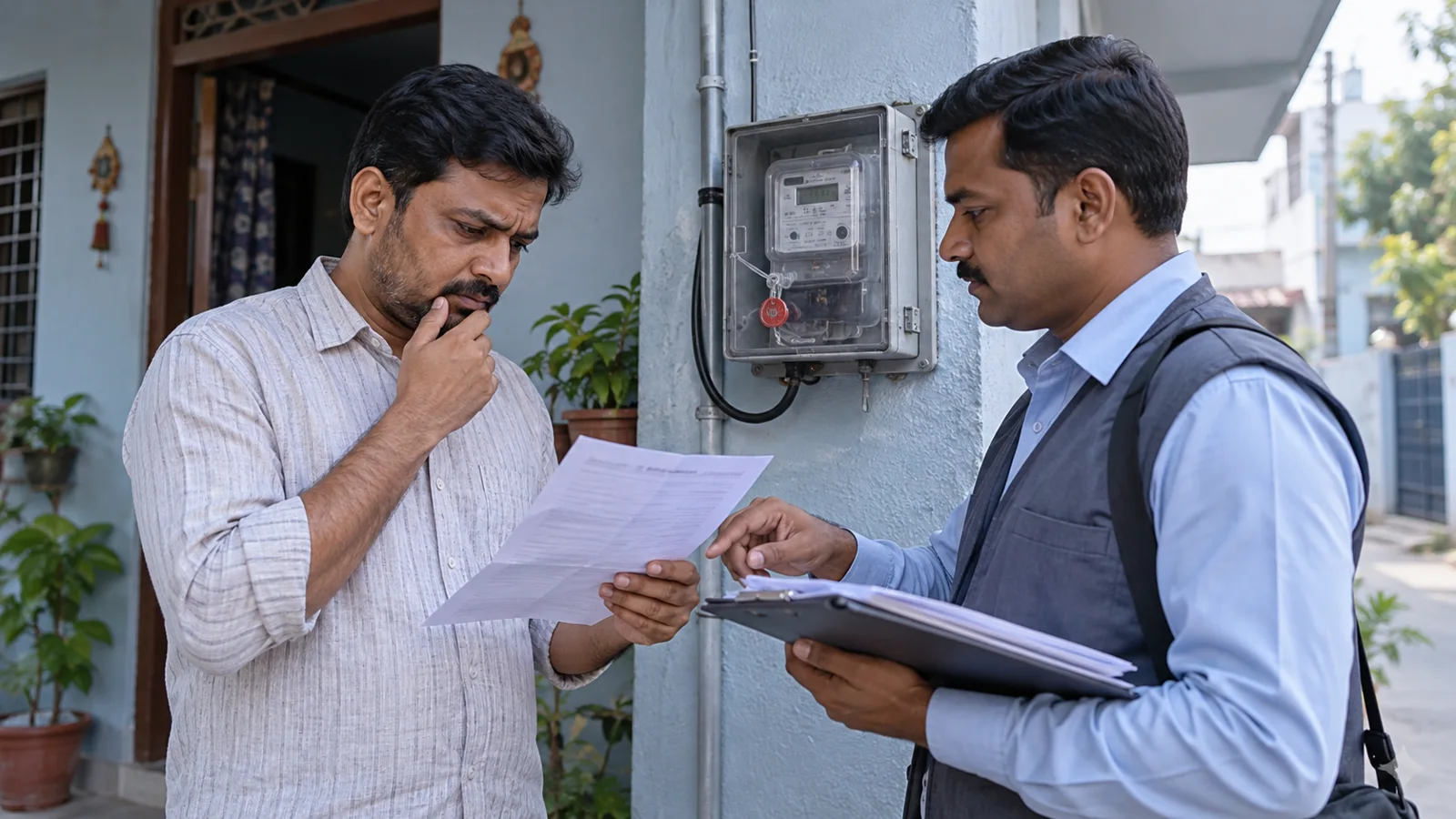
When you go to get a caste, income or domicile certificate, one person says one amount and another says something else. The truth is that these fees are set by state governments, so there is no single national rate. This guide explains how fees are decided, what Madhya Pradesh sources show and what to do if you are asked for extra money.
Why fees differ by state

Caste, income and residence certificates are issued through each state’s revenue system, and the service fee is listed on the state’s e-District or public service portal. The Government of India’s services directory also directs users to the state e-District website for kiosk locations, required documents, timelines and the applicable fee. So the only reliable way to know the correct fee is your own state’s official portal.
Madhya Pradesh as an example
In Madhya Pradesh these services run through the Lok Seva Guarantee portal (mpedistrict.gov.in) under the MP Lok Sewaon ke Pradan ki Guarantee Adhiniyam, 2010. You can apply through a Lok Seva Kendra, MP Online kiosk, CSC or a citizen login. Different guides quote different amounts:
| Source (non-government guide) | What it says |
|---|---|
| An IAS coaching guide | Income certificate: Rs 20 plus legal fee at a kiosk or kendra; free when you apply online yourself |
| A government schemes blog | Citizen portal free; Lok Seva Kendra Rs 20 to 50 |
| A certificate guide | Caste certificate: Rs 5 stamp fee |
| Another guide | Online Rs 20 to 40 |
These figures do not agree with each other and have not been confirmed on the official portal, so do not treat them as final. What is clear is that the amounts quoted are in the range of a few tens of rupees, and you should pay what the portal states.
Government fee vs operator service charge
- Government fee: set by the state and shown on the receipt.
- Kiosk or centre charge: for filling and scanning the application, which should stay within the limit set by the rules.
- Money paid to an agent: has no official basis.
If someone asks for extra money
- Check the service fee on the official portal first and ask for a receipt.
- Do not pay more than what is written or without a receipt.
- Try applying yourself through the citizen login, which is available in many states.
- For an improper demand, give a written complaint against the kiosk operator or office, and approach the state grievance service or the District Collector.
For complaint options, see where to complain in India. For other caste certificate issues, read why a state OBC certificate is rejected on a central form and the OBC caste list.
Frequently asked questions (FAQ)
Is there one fee for certificates across India?
No. Fees and procedure follow each state’s e-District or service portal.
Is a receipt necessary?
Yes. The receipt proves what you paid and supports any complaint.
Do I have to pay an agent?
No. You can apply yourself on the portal or directly through an authorised service centre.
This is general information. Fees and rules change, so confirm the latest charges on your state’s official portal or at the tehsil office.
Also read: How to Get a Caste or Income Certificate Without a School TC (Transfer Certificate) in India | Which Form Do You Fill to Correct Your Name? Aadhaar, PAN, Gazette and Marksheet Guide
Sources
- Government of India national services portal: Madhya Pradesh e-District Services, services.india.gov.in
- Madhya Pradesh Lok Seva Guarantee portal: mpedistrict.gov.in
- Anantam IAS: e-District MP guide
- IndiaFilings: Caste Certificate in Madhya Pradesh
- CitizenNest: MP domicile and caste certificate guides
















Share Your Opinion
Comments are closed on this post.