Introduction to Shri Hanuman Chalisa
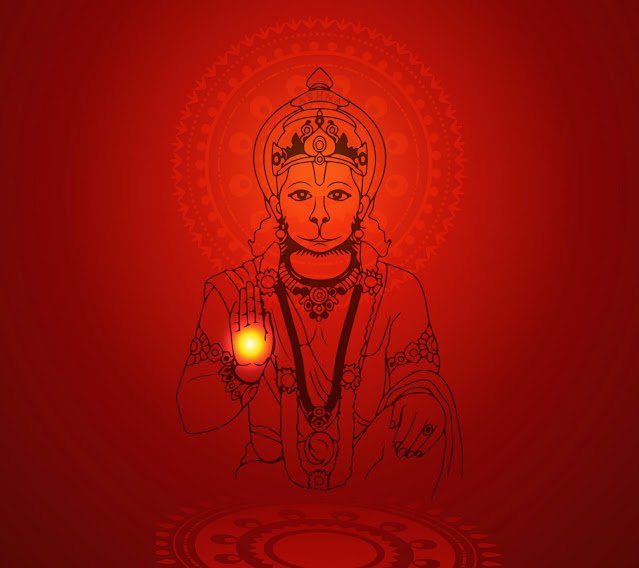
Shri Hanuman Chalisa is one of the most revered and powerful devotional hymns in Hinduism. Composed by the great saint Goswami Tulsidas in the 16th century, this forty-verse prayer is dedicated to Lord Hanuman—the epitome of selfless devotion, boundless strength, unmatched wisdom, and unwavering loyalty to Lord Shri Ram. The word Chalisa is derived from the Hindi word Chalis, which means forty, referring to the forty sacred verses (Chaupais) that constitute the core of this devotional stotra.
Millions of devotees across the globe recite the hanuman chalisa lyrics daily during morning and evening prayers to seek physical protection, mental peace, and spiritual fortitude. Whether facing life’s formidable challenges, seeking courage during moments of fear, or striving for spiritual growth, chanting this hymn creates a protective spiritual shield around the devotee and fills the heart with pure devotion (Shraddha).
Origin and Spiritual Significance of Hanuman Chalisa
According to sacred traditions, Goswami Tulsidas Ji composed the Hanuman Chalisa while in a state of deep meditation and divine intoxication. It is written in Awadhi, a sweet and melodious dialect of Hindi that makes the sacred verses easy to memorize and chant for people from all walks of life.
The structure of the Hanuman Chalisa is mathematically and rhythmically balanced. It opens with two introductory couplets (Dohas) that seek the blessings of the divine Guru to purify the mind, followed by forty main quatrains (Chaupais) celebrating Lord Hanuman’s attributes, miraculous deeds, and cosmic power, and closes with a final couplet (Doha) invoking Lord Hanuman to permanently reside in the devotee’s heart along with Lord Ram, Mata Sita, and Lakshman Ji.
Rules and Best Practices for Reciting Hanuman Chalisa
While Lord Hanuman is easily pleased by sincere love and pure devotion, following sacred rituals enhances the spiritual vibrations and mental focus during recitation:
- Auspicious Timing: The ideal time to chant Hanuman Chalisa is during Brahma Muhurta (early morning before sunrise) or during Sandhya Kaal (dusk/evening). Reciting it on Tuesdays (Mangalwar) and Saturdays (Shaniwar) is considered exceptionally meritorious.
- Physical Purity: Take a bath and wear clean, comfortable clothes—preferably in shades of red, orange, or yellow, which are favored colors associated with Bajrangbali.
- Sacred Space: Sit in a quiet, clean corner facing East or North. Place an idol or picture of Lord Hanuman alongside Lord Ram.
- Offerings and Lighting: Light an oil lamp (ghee or mustard oil diya) and an incense stick (agarbatti). You may offer red flowers, basil leaves (Tulsi), and simple prasad such as jaggery (gur), roasted grams (chana), or fruits.
- Mindful Chanting: Pronounce each word clearly with full faith and devotion. If time permits, chanting the Hanuman Chalisa 1, 3, 7, 11, or 100 times yields immense spiritual peace.
Full Hanuman Chalisa Lyrics in Hindi (Complete Path)
Below is the complete and authentic text of Shri Hanuman Chalisa in original Hindi Devanagari script for your daily devotion and chanting:
श्री हनुमान चालीसा (संपूर्ण पाठ) | Hanuman Chalisa Lyrics in Hindi
यहां प्रस्तुत है श्री हनुमान चालीसा का संपूर्ण पाठ, जिसे आप अपनी सुविधा अनुसार पढ़ सकते हैं और हनुमान जी का आशीर्वाद प्राप्त कर सकते हैं:
॥ दोहा ॥
श्री गुरु चरण सरोज रज, निज मन मुकुर सुधारि।
बरनऊँ रघुबर बिमल जसु, जो दायक फल चारि॥
बुद्धिहीन तनु जानिके, सुमिरौं पवन कुमार।
बल बुद्धि विद्या देहु मोहि, हरहु कलेश विकार॥
॥ चौपाई ॥
- जय हनुमान ज्ञान गुन सागर। जय कपीस तिहुँ लोक उजागर॥
- राम दूत अतुलित बल धामा। अंजनि पुत्र पवनसुत नामा॥
- महाबीर बिक्रम बजरंगी। कुमति निवार सुमति के संगी॥
- कंचन बरन बिराज सुबेसा। कानन कुंडल कुंचित केसा॥
- हाथ बज्र अरु ध्वजा बिराजै। काँधे मूँज जनेऊ साजै॥
- शंकर सुवन केसरी नंदन। तेज प्रताप महा जग बंदन॥
- विद्यावान गुनी अति चातुर। राम काज करिबे को आतुर॥
- प्रभु चरित्र सुनिबे को रसिया। राम लखन सीता मन बसिया॥
- सूक्ष्म रूप धरि सियहिं दिखावा। बिकट रूप धरि लंक जरावा॥
- भीम रूप धरि असुर सँहारे। रामचंद्र के काज सँवारे॥
- लाय सजीवन लखन जियाए। श्री रघुबीर हरषि उर लाए॥
- रघुपति कीन्ही बहुत बड़ाई। तुम मम प्रिय भरतहि सम भाई॥
- सहस बदन तुम्हरो जस गावैं। अस कहि श्रीपति कंठ लगावैं॥
- सनकादिक ब्रह्मादि मुनीसा। नारद सारद सहित अहीसा॥
- जम कुबेर दिगपाल जहाँ ते। कबि कोबिद कहि सके कहाँ ते॥
- तुम उपकार सुग्रीवहिं कीन्हा। राम मिलाय राज पद दीन्हा॥
- तुम्हरो मंत्र बिभीषन माना। लंकेश्वर भए सब जग जाना॥
- जुग सहस्र जोजन पर भानू। लील्यो ताहि मधुर फल जानू॥
- प्रभु मुद्रिका मेलि मुख माहीं। जलधि लाँघि गए अचरज नाहीं॥
- दुर्गम काज जगत के जेते। सुगम अनुग्रह तुम्हरे तेते॥
- राम दुआरे तुम रखवारे। होत न आज्ञा बिनु पैसारे॥
- सब सुख लहै तुम्हारी सरना। तुम रक्षक काहू को डरना॥
- आपन तेज सम्हारो आपै। तीनों लोक हाँक तें काँपै॥
- भूत पिशाच निकट नहिं आवै। महाबीर जब नाम सुनावै॥
- नासै रोग हरै सब पीरा। जपत निरंतर हनुमत बीरा॥
- संकट तें हनुमान छुड़ावै। मन क्रम बचन ध्यान जो लावै॥
- सब पर राम तपस्वी राजा। तिन के काज सकल तुम साजा॥
- और मनोरथ जो कोई लावै। सोई अमित जीवन फल पावै॥
- चारों जुग परताप तुम्हारा। है परसिद्ध जगत उजियारा॥
- साधु संत के तुम रखवारे। असुर निकंदन राम दुलारे॥
- अष्ट सिद्धि नौ निधि के दाता। अस बर दीन जानकी माता॥
- राम रसायन तुम्हरे पासा। सदा रहो रघुपति के दासा॥
- तुम्हरे भजन राम को पावै। जनम जनम के दुख बिसरावै॥
- अंत काल रघुबर पुर जाई। जहाँ जन्म हरि भक्त कहाई॥
- और देवता चित्त न धरई। हनुमत सेइ सर्ब सुख करई॥
- संकट कटै मिटै सब पीरा। जो सुमिरै हनुमत बलबीरा॥
- जय जय जय हनुमान गोसाईं। कृपा करहु गुरुदेव की नाईं॥
- जो सत बार पाठ कर कोई। छूटहि बंदि महा सुख होई॥
- जो यह पढ़ै हनुमान चालीसा। होय सिद्धि साखी गौरीसा॥
- तुलसीदास सदा हरि चेरा। कीजै नाथ हृदय महँ डेरा॥
॥ दोहा ॥
पवन तनय संकट हरन, मंगल मूरति रूप।
राम लखन सीता सहित, हृदय बसहु सुर भूप॥
Comprehensive Meaning of Key Verses
Understanding the deep spiritual meaning behind the hanuman chalisa lyrics enhances the devotional experience and allows the sadhaka to connect profoundly with Mahavira Hanuman Ji:
1. The Opening Dohas (Self-Purification)
“Shri Guru Charan Saroj Raj, Nij Man Mukur Sudhari…”
Tulsidas Ji begins by cleansing the mirror of his mind with the dust of his Guru’s lotus feet. He acknowledges his own lack of wisdom and invokes Pawan Kumar (Son of the Wind God) to bestow strength, intelligence, and spiritual knowledge while eliminating all afflictions and flaws.
2. Divine Forms and Courageous Exploits
“Jai Hanuman Gyan Gun Sagar… Micro and Macro Manifestations”
Verses 1 through 10 celebrate Hanuman Ji as the ocean of wisdom and virtues. They describe his radiant golden complexioned body, his divine ornaments, his role as the legendary messenger of Sri Ram, and his power to assume microscopic forms (to appear before Mata Sita in Lanka) as well as gigantic cosmic forms (to burn down Lanka and destroy evil forces).
3. Compassion and Devotion to Lord Ram
“Laye Sanjivan Lakhan Jiyaye…”
When Lakshman Ji was severely wounded in battle, Hanuman Ji leaped across oceans to bring the Sanjeevani herb, saving Lakshman’s life. Overjoyed, Lord Ram embraced Hanuman Ji, declaring him as dear to Him as His own brother Bharat.
4. Cosmic Feats and Universal Protection
“Jug Sahastra Jojan Par Bhanu…”
Verse 18 beautifully recalls Hanuman Ji’s childhood feat where he leaped towards the Sun—positioned thousands of leagues away—thinking it to be a sweet red fruit. The hymn further affirms that all difficult and impossible tasks in the universe become effortless through Lord Hanuman’s grace.
5. Bestower of Divine Boons
“Ashta Siddhi Nau Nidhi Ke Data…”
Mother Sita blessed Hanuman Ji with the power to grant eight divine accomplishments (Ashta Siddhis) and nine types of cosmic wealth (Nav Nidhis) to his true devotees. Chanting these verses helps devotees overcome financial distress, mental anguish, and spiritual stagnation.
Miraculous Benefits of Daily Recitation
Regularly reciting the Hanuman Chalisa with sincere faith brings vast spiritual, psychological, and physical blessings:
- Removal of Fear and Evil Energies: As stated in verse 24 (“Bhoot Pisach Nikat Nahi Aave”), negative thoughts, nightmares, fear of the unknown, and dark energies vanish instantly upon hearing or chanting the name of Mahavir.
- Health and Healing: Verse 25 (“Nase Rog Hare Sab Peera”) emphasizes that continuous chanting cures deep-seated diseases, relieves physical pain, and bestows vitality.
- Overcoming Difficulties: Hanuman Ji is known as Sankat Mochan—the liberator from all afflictions. Devotees facing severe life trials or obstacles find swift relief through his grace.
- Mental Clarity and Academic Success: Students and seekers who chant the opening couplets gain enhanced focus, memory power, discernment, and wisdom.
- Inner Peace and Divine Protection: Daily recitation calms an anxious mind, instills unshakeable confidence, and secures Lord Ram’s eternal blessings.
Frequently Asked Questions (FAQs)
Q1. What is the best time to chant the Hanuman Chalisa lyrics in Hindi?
The most auspicious times are early morning during Brahma Muhurta (around 4:00 AM to 6:00 AM) after taking a bath, or in the evening during sunset. However, Hanuman Chalisa can be chanted at any time when a devotee feels the need for inner strength or comfort.
Q2. Can women recite the Hanuman Chalisa daily?
Yes, absolutely. Lord Hanuman views every devotee with pure, motherly and filial affection. Women can freely chant the Hanuman Chalisa daily with devotion, maintaining basic physical cleanliness during traditional prayer times.
Q3. How many times should I chant Hanuman Chalisa each day?
Chanting it once or three times daily is a wonderful practice for regular prayer. Verse 38 mentions that reading it 100 times (Sat Bar Path) grants freedom from great bondages and bestows intense joy. During special fasts or Tuesdays, reciting it 7 or 11 times is highly auspicious.
Q4. What are the 8 Siddhis and 9 Nidhis mentioned in the Chalisa?
The 8 Siddhis (yogic powers) are Anima, Mahima, Garima, Laghima, Prapti, Prakamya, Ishitva, and Vashitva. The 9 Nidhis (divine wealth) refer to cosmic treasures granted by Goddess Lakshmi. Mother Sita blessed Lord Hanuman with the authority to grant these blessings to deserving devotees.
Q5. Why is Tuesday and Saturday special for Hanuman Puja?
According to Vedic traditions, Tuesday is governed by Mangal (Mars) and Saturday by Shani (Saturn). Lord Hanuman mitigates the malefic planetary influences of Mars and Saturn for his devotees. Offering prayers to Bajrangbali on these days invokes his protective grace against planetary afflictions.
Devotional Disclaimer
Disclaimer: This article on Hanuman Chalisa lyrics, meanings, and traditional beliefs is presented for sacred devotional and informational purposes. Deep spiritual experiences and remedies depend upon personal devotion, faith, and traditional practices within Sanatana Dharma.